
Have you ever stopped to think about the invisible dangers lurking in your kitchen? Carbon monoxide is a silent threat that can strike without warning, and your kitchen might be one of the most vulnerable spots in your home.
You might wonder, "Do I really need a carbon monoxide detector in the kitchen? " The answer could save your life. You'll discover why this small device is crucial for your safety, how it works, and what you need to know to protect yourself and your loved ones.
Keep reading—your peace of mind depends on it.
Credit: www.thisoldhouse.com
Why Carbon Monoxide Matters
Carbon monoxide (CO) is a silent threat in many homes. It is a colorless, odorless gas that can harm your health without warning. Understanding why carbon monoxide matters helps protect your family. Kitchens are common places where CO can build up. Knowing the risks and sources is key to safety.
Sources Of Carbon Monoxide In Homes
- Gas stoves and ovens produce carbon monoxide during cooking.
- Fuel-burning appliances like water heaters and furnaces release CO.
- Fireplaces and wood stoves emit carbon monoxide when not vented properly.
- Cars running in attached garages can let CO enter the home.
- Blocked chimneys or vents cause CO to accumulate indoors.
Health Risks Of Exposure
Carbon monoxide stops oxygen from reaching your body’s organs. Even low levels cause headaches, dizziness, and nausea. Long exposure can lead to serious brain damage or death. Children, elderly, and pets are more vulnerable to CO poisoning. Early symptoms often mimic the flu, making detection hard. Installing a CO detector saves lives by alerting you early.

Credit: www.amazon.com
Kitchen Risks And Carbon Monoxide
The kitchen is often the heart of your home, but it can also be a hidden source of carbon monoxide (CO) risks. This colorless, odorless gas can build up silently, putting you and your family in danger without any obvious warning. Understanding the kitchen risks related to carbon monoxide is crucial for keeping your living space safe.
Common Kitchen Appliances That Emit Co
Several kitchen appliances can produce carbon monoxide if they are not properly vented or maintained. These include:
- Gas stoves and ovens:Burning natural gas or propane releases CO, especially if flames are yellow instead of blue.
- Gas-powered water heaters:Located near the kitchen, they can leak CO into the air.
- Microwaves with convection ovens:If they use gas for heating, improper ventilation can cause CO buildup.
- Grills or smokers used indoors:These are highly dangerous sources of CO.
Have you ever noticed a strange smell or discoloration near your stove? That could be a subtle sign that CO is accumulating.
Signs Of Carbon Monoxide Presence In The Kitchen
Spotting carbon monoxide is tough because you can’t see or smell it. However, some signs in your kitchen might hint at its presence:
- Yellow or orange flames on gas appliances instead of blue ones.
- Dizziness, headaches, or nausea while spending time in the kitchen.
- Soot or black residue around burners and vents.
- Increased condensation on windows and walls near cooking appliances.
Have you experienced unexplained symptoms when cooking? These could be more than just a coincidence.
Installing a carbon monoxide detector in your kitchen is a smart move to catch dangers early. It’s a small step that can protect your health and your home from an invisible threat.
Choosing The Right Detector
Choosing the right carbon monoxide detector for your kitchen is crucial for ensuring your safety. With various options available, it's essential to understand what features to look for. A well-informed choice can be the difference between peace of mind and potential danger.
Types Of Carbon Monoxide Detectors
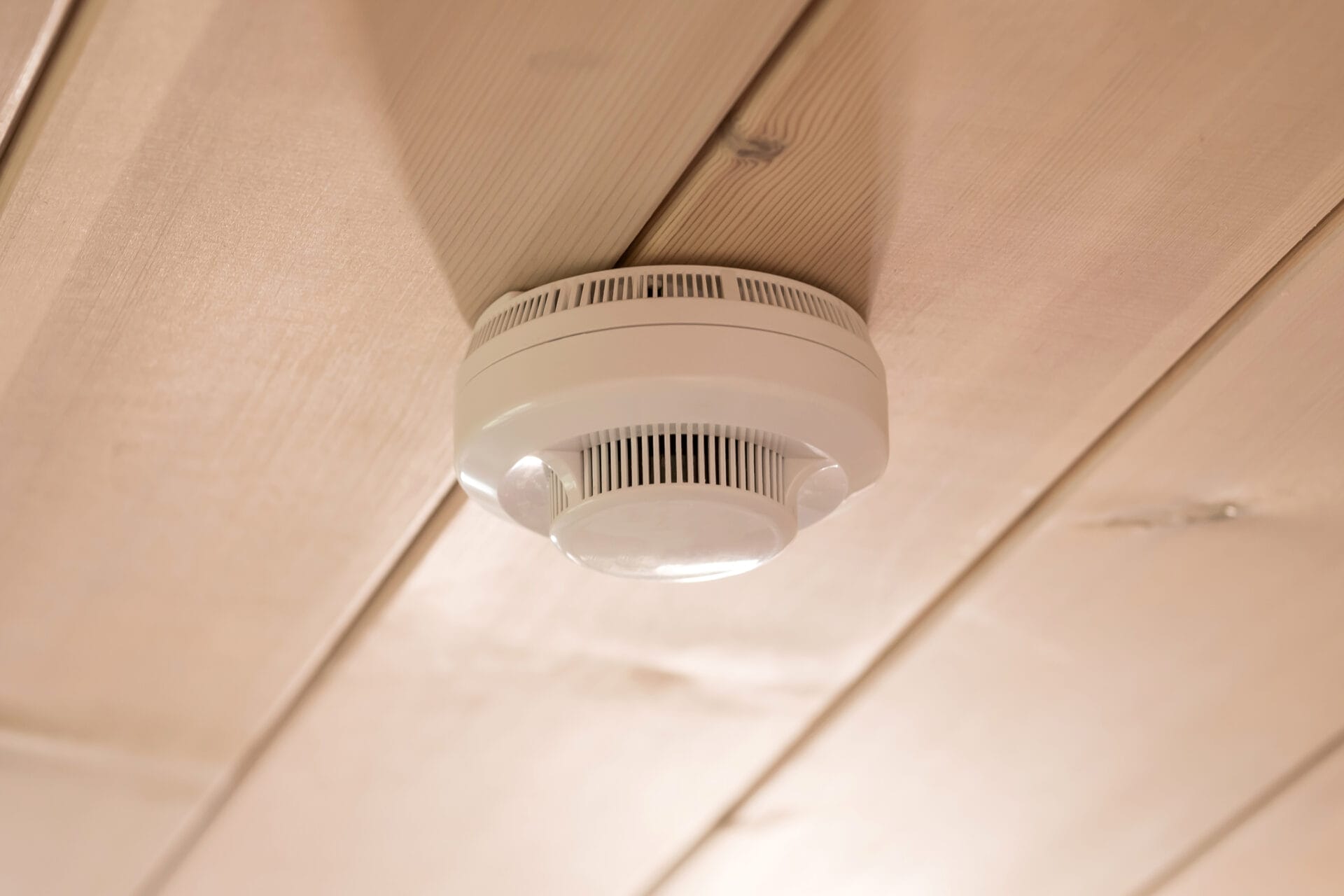
Carbon monoxide detectors come in several varieties, each with its unique advantages. Battery-operated detectors are easy to install and function even during power outages. Plug-in detectors, on the other hand, offer the convenience of not needing battery replacements. Some models also feature digital displays that provide real-time CO levels, which can be incredibly useful for monitoring.
Placement Tips For Maximum Safety
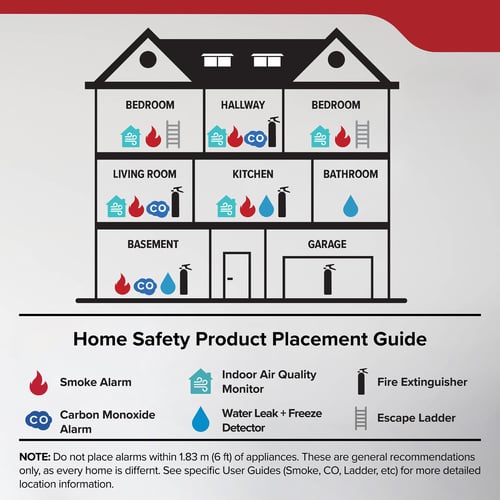
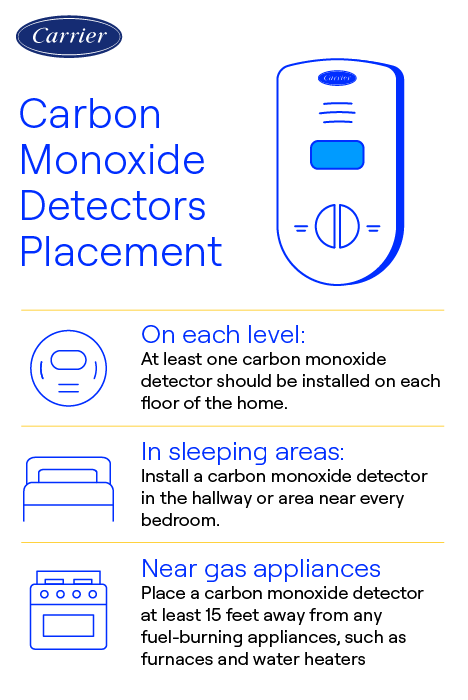
Where you place your detector can significantly affect its efficiency. It’s best to install carbon monoxide detectors on every level of your home, including the kitchen. Ensure they are not too close to appliances like stoves or ovens to avoid false alarms. A height of about 5 feet from the ground is ideal for detection, as CO gas mixes with air quickly. This strategic placement ensures you catch any signs of danger early.
Have you ever considered how small adjustments in your kitchen setup could enhance your safety? Choosing and placing the right detector could be one of the most important steps you take. Your family's safety is worth this small investment of time and effort.
Credit: www.carrier.com
Installation And Maintenance
Installing and maintaining a carbon monoxide detector in the kitchen is crucial for safety. Proper placement ensures it senses dangerous gas early. Regular upkeep keeps the device working well. This section explains simple steps for installation and maintenance.
Proper Installation Steps
- Choose a spot near the kitchen but not too close to cooking appliances.
- Mount the detector on the wall or ceiling about 5 feet above the floor.
- Avoid placing it near windows, vents, or fans to prevent false alarms.
- Use screws or adhesive strips that come with the device for secure mounting.
- Follow the manufacturer’s instructions carefully for the best results.
Regular Testing And Battery Replacement
- Test the detector at least once a month by pressing the test button.
- Replace batteries every six months or when the low battery warning sounds.
- Clean the detector gently with a soft cloth to remove dust.
- Do not paint over the detector or block its vents.
- Replace the entire unit every 5 to 7 years as recommended.
Legal And Safety Guidelines
Understanding the legal and safety guidelines around carbon monoxide (CO) detectors can save lives, especially in places like your kitchen where gas appliances are common. You might wonder if the law requires you to install a CO detector in this specific area. Knowing the rules and recommended safety standards helps you protect your home without guesswork.
Local Regulations On Co Detectors
Regulations about CO detectors vary depending on where you live. Some states or cities require CO detectors near bedrooms or fuel-burning appliances, which often includes kitchens. Others may not specifically mention kitchens but still enforce detectors in any room with potential CO sources.
Check your local building codes or fire department website to see if there’s a mandate for installing CO detectors in the kitchen. Ignoring these rules might not just risk your safety but can also lead to fines or insurance issues. Have you looked up what your area requires yet?
Safety Standards To Follow
Even if local laws don’t mandate a CO detector in your kitchen, safety standards recommend having one nearby. The National Fire Protection Association (NFPA) suggests placing detectors within 10-15 feet of fuel-burning appliances. This includes stoves, ovens, and gas water heaters often found in or near kitchens.
Make sure your detector meets the UL 2034 standard for CO detection, which guarantees reliable performance. Also, avoid placing detectors right next to appliances or vents, as this can cause false alarms or missed detections. Regularly test your detector and replace batteries as needed—your safety depends on it.
Additional Safety Measures
Additional safety measures help protect your kitchen from carbon monoxide risks. These steps reduce the chance of dangerous gas buildup. They also prepare you to act quickly if a problem occurs. Safety in the kitchen means more than just having a detector. It means good habits and clear plans.
Ventilation Best Practices
Proper ventilation moves fresh air in and pushes harmful gases out. Open windows while cooking, especially if you use gas appliances. Use exhaust fans or range hoods to clear smoke and fumes. Keep vents clean and unblocked to allow air flow. Check ventilation systems regularly to ensure they work well. Good ventilation lowers carbon monoxide levels and keeps air fresh.
Emergency Response Plan
Know what to do if your carbon monoxide detector sounds. Have a clear plan for everyone in the home. Teach family members to leave the house immediately and call emergency services. Never ignore a carbon monoxide alarm, even if you feel okay. Keep phone numbers for emergency responders easily accessible. Practice your plan so everyone stays calm and safe during an emergency.
Frequently Asked Questions
Do Kitchens Need Carbon Monoxide Detectors Installed?
Yes, kitchens need carbon monoxide detectors. Appliances like gas stoves can emit harmful carbon monoxide. Detectors alert you to dangerous levels, ensuring safety.
Where Is The Best Place To Install Detectors In Kitchens?
Install detectors near cooking appliances but away from direct heat or steam. Position them at breathing height for accurate detection and timely alerts.
Can Carbon Monoxide Detectors Prevent Poisoning In Kitchens?
Yes, detectors can prevent poisoning. They provide early warnings of rising carbon monoxide levels, allowing you to ventilate or evacuate promptly.
How Often Should Kitchen Carbon Monoxide Detectors Be Tested?
Test detectors monthly to ensure they work properly. Replace batteries annually and replace the entire unit every 5-7 years as recommended.
Conclusion
A carbon monoxide detector in the kitchen saves lives. It alerts you to invisible, deadly gas early. Kitchens often have gas appliances that can leak. Protect your family by installing a reliable detector. Test it regularly to ensure it works well.
Safety is simple with this small device. Don’t wait for danger to act. A detector brings peace of mind every day. Keep your home safe and your loved ones secure.