

Have you ever wondered if your kitchen is truly safe from hidden fire dangers? You spend a lot of time cooking, but do you have the right tools to protect your home when things get too hot?
A heat detector might be the missing piece in your kitchen safety plan. This simple device can alert you to rising temperatures before a fire even starts. Keep reading to find out why you might need a heat detector in your kitchen and how it can give you peace of mind every time you cook.
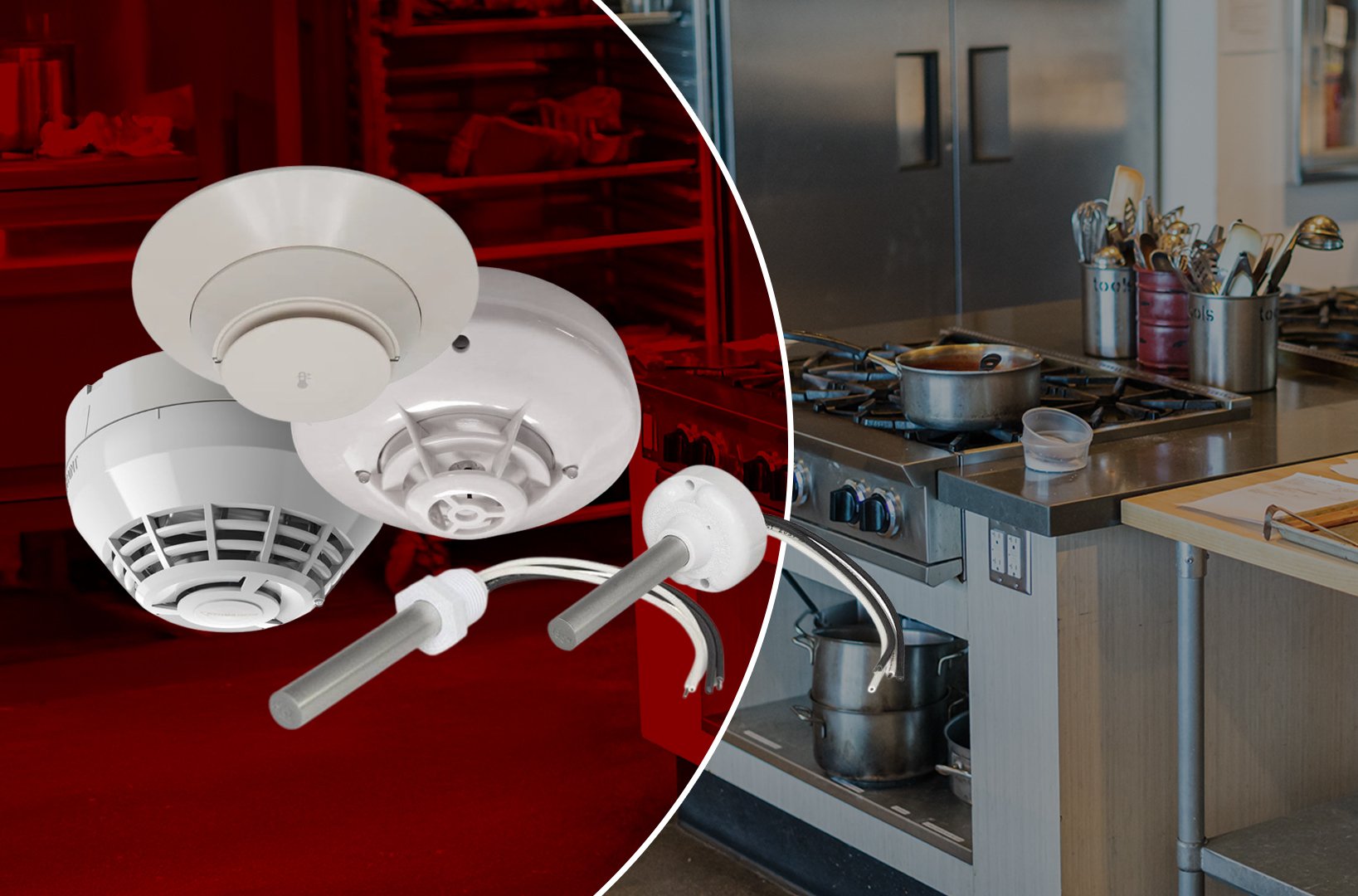
Credit: firealarm.com
Heat Detectors Vs Smoke Alarms
Choosing between heat detectors and smoke alarms for your kitchen can be confusing. Both devices aim to keep you safe, but they work in very different ways. Understanding how each functions helps you decide what fits best in your cooking space.
Key Differences
Smoke alarms detect particles from smoke, alerting you quickly to fires that produce visible smoke. They are sensitive to burning materials and can trigger alarms from even small amounts of smoke.
Heat detectors sense a rapid rise in temperature or a specific temperature threshold. They don’t react to smoke but focus on detecting heat levels that indicate a fire.
- Smoke alarms:React to smoke particles, often triggering false alarms from cooking fumes.
- Heat detectors:Trigger only when temperature spikes, reducing false alarms in kitchens.
Why Smoke Alarms May Fall Short
Have you ever had your smoke alarm go off just because you burned toast? This is common in kitchens where smoke alarms detect everyday cooking smoke.
False alarms can cause frustration and lead people to disable their smoke alarms, which defeats their purpose. Heat detectors avoid this problem by focusing on heat, not smoke.
Because kitchens often have smoke from cooking that isn’t dangerous, relying solely on smoke alarms can be risky. Heat detectors provide a more reliable alert when real fire hazards occur.
Risks Of Kitchen Fires
Kitchen fires are a serious hazard that many homeowners overlook until it’s too late. The kitchen is often the heart of the home, but it’s also where most fire incidents start. Understanding the risks can help you decide if a heat detector is necessary for your kitchen safety.
Common Causes
Most kitchen fires begin with unattended cooking. A simple moment of distraction can cause oil or food to overheat and ignite quickly.
Electrical appliances are another frequent culprit. Faulty wiring or malfunctioning devices like toasters, microwaves, and kettles can spark fires.
Grease buildup on stoves and hoods makes things worse. It acts like fuel, causing flames to spread faster and harder to control.
Fire Spread Patterns
Kitchen fires don’t stay small for long. Flames often jump from pots and pans to nearby curtains, paper towels, or wooden cabinets.
Heat rises, so the fire can quickly move upward, affecting walls and ceilings. Smoke can fill your home within minutes, posing a big risk to your family’s health.
Have you thought about how fast a small fire could engulf your kitchen? A heat detector can alert you early, giving you crucial extra seconds to act.
Benefits Of Heat Detectors In Kitchens
Heat detectors in kitchens offer numerous benefits. They provide safety by detecting temperature changes. This can prevent fires and reduce damage. Unlike smoke alarms, they are less likely to trigger false alarms.
Early Fire Detection
Heat detectors quickly identify rising temperatures. This is crucial for early fire detection. They can sense heat before flames spread. This gives you more time to act. Early detection reduces the risk of severe damage.
Reducing False Alarms
Cooking can produce smoke and steam. Smoke alarms may trigger falsely. Heat detectors only react to temperature changes. This makes them ideal for kitchens. They reduce the chance of unnecessary alarms. This keeps your home calm and stress-free.
Placement Tips For Heat Detectors
Proper placement of heat detectors in your kitchen is key to keeping your home safe without unnecessary alarms. Knowing where to install these devices can make a big difference in detecting real dangers quickly. Let's look at some practical tips that help you position your heat detectors effectively.
Ideal Locations
Place heat detectors on the ceiling, as heat rises and this allows the device to sense temperature changes faster. Position them at least 12 inches away from any walls to avoid dead air spots where heat may not reach. Near cooking appliances like ovens and stoves is smart, but not too close to prevent false alarms from normal cooking heat.
Think about spots where fires are most likely to start, such as near a kitchen island or the ceiling above the stove. Also, ensure detectors are not blocked by cabinets or vents, as these can interfere with sensing. If your kitchen has an open layout, adding multiple detectors spaced evenly can improve coverage.
Avoiding False Triggers
False alarms happen when heat detectors sense normal kitchen heat as a fire. To reduce this, avoid placing detectors right above or too close to ovens, microwaves, or grills. Steam from boiling pots can also cause false triggers, so keep detectors away from sinks and dishwashers.
Using heat detectors with adjustable sensitivity can help you find a balance between safety and practicality. Have you ever been startled by a smoke alarm going off while cooking? Proper placement can save you from that frustration. Regularly test your detectors to make sure they work without frequent false alarms, keeping your kitchen both safe and peaceful.
Combining Safety Devices
Combining safety devices in your kitchen can significantly improve your home’s fire protection. Relying on just one type of detector might leave you vulnerable to certain risks. Using multiple devices together helps cover different fire scenarios and gives you earlier warnings.
Using Smoke And Heat Detectors Together
Smoke detectors are great at sensing smoke from smoldering fires but can be triggered by cooking fumes, leading to false alarms. Heat detectors, on the other hand, respond to rapid temperature rises and are less likely to go off because of steam or smoke.
By placing both types in the kitchen, you balance sensitivity and accuracy. Smoke detectors alert you to slow-burning fires, while heat detectors catch fast-flaming fires. This combination reduces false alarms and increases your chances of detecting a real fire early.
Additional Safety Tools
Besides detectors, consider adding these tools to your kitchen safety setup:
- Fire extinguishers:Keep one nearby and know how to use it effectively.
- Fire blankets:Useful for smothering small fires, especially grease fires.
- Automatic stove shut-off devices:These can cut power or gas if your stove is left unattended.
Have you checked if your current safety devices cover all these aspects? Combining detectors with practical tools gives you a better defense against kitchen fires and peace of mind.

Credit: www.fireangel.co.uk
Maintenance For Reliable Protection
Maintaining your heat detector ensures it works properly when needed. Regular care keeps your kitchen safe from fire hazards. Simple checks and cleaning can prevent false alarms and device failures.
Regular Testing
Test your heat detector once a month. Press the test button until the alarm sounds. This confirms the sensor and alarm are working well. If no sound comes, replace the batteries or the unit.
Cleaning And Battery Replacement
Dust and grease can block the sensor. Clean your heat detector gently with a soft cloth. Avoid using water or cleaning sprays. Replace batteries at least once a year or when the low battery alert sounds. Keeping the detector clean and powered ensures reliable protection.

Credit: www.firedetectionshop.co.uk
Frequently Asked Questions
Do Kitchens Need Special Heat Detectors?
Yes, kitchens benefit from heat detectors as smoke alarms can trigger false alarms. Heat detectors sense temperature rises, providing accurate fire warnings in cooking areas.
How Do Heat Detectors Work In Kitchens?
Heat detectors activate when temperatures reach a set threshold. They detect rapid heat increases, alerting occupants early during kitchen fires without reacting to normal cooking smoke.
Can Heat Detectors Prevent Kitchen Fire Damage?
Heat detectors help by giving early warnings, allowing quick action. This reduces fire spread and damage, protecting your home and family effectively.
Are Heat Detectors Better Than Smoke Alarms In Kitchens?
Yes, heat detectors are better in kitchens because they avoid false alarms from cooking smoke. They activate only with significant heat, ensuring reliable fire detection.
Conclusion
A heat detector in the kitchen adds extra safety to your home. It senses high temperatures fast, alerting you before a fire spreads. Smoke alarms alone might not detect kitchen fires well. Installing a heat detector helps protect your family and property.
It works quietly and effectively, giving you peace of mind. Safety in the kitchen is worth the small effort and cost. Consider a heat detector as a simple step toward safer cooking. Don’t wait for accidents to happen—act now to stay safe.