
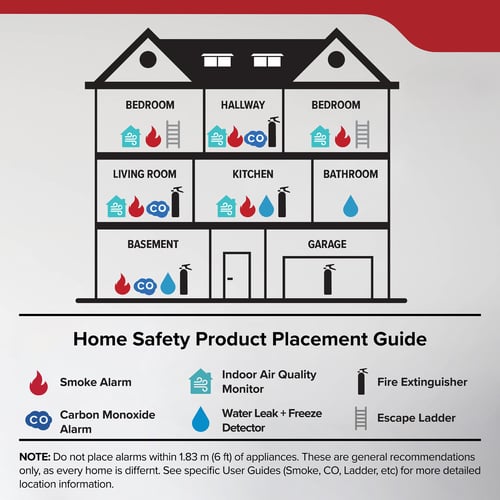
Have you ever wondered if you really need a smoke detector in your kitchen? It’s the place where most fires start, yet many people skip installing one there.
Imagine how quickly a small kitchen fire can turn dangerous without an early warning. Your safety and peace of mind depend on it. You’ll discover why a kitchen smoke detector might be more important than you think—and how it can protect you and your loved ones from unexpected hazards.
Keep reading to find out what could make all the difference in your home safety.

Credit: www.firedetectionshop.co.uk
Smoke Detectors And Kitchen Safety
Smoke detectors are a key part of keeping your kitchen safe. Kitchens are the heart of many homes, but they also pose unique fire risks due to open flames, hot oils, and electrical appliances. Having the right smoke detector can help you catch fires early and protect your family and home.
Understanding The Role Of Smoke Detectors In The Kitchen
Smoke detectors sense smoke particles and alert you with a loud alarm. However, kitchens often produce smoke from cooking, which can cause false alarms. This makes choosing the right type of detector crucial for kitchen safety.
Photoelectric smoke detectors are usually better for kitchens because they detect smoldering fires and are less prone to false alarms from cooking smoke. You might also consider combining smoke detectors with heat detectors, which respond to rapid temperature changes instead of smoke.
Placement Tips For Kitchen Smoke Detectors
Where you place your smoke detector matters a lot. Avoid installing it too close to the stove or oven, where normal cooking smoke can trigger false alarms.
Install smoke detectors at least 10 feet away from cooking appliances. Placing them near the kitchen entrance or connected to a central alarm system ensures you hear alerts even if you’re not in the kitchen.
How Smoke Detectors Can Prevent Kitchen Fires
Smoke detectors don’t stop fires but give you critical early warnings. In my own home, a smoke detector once alerted me to a grease fire before it spread. That quick warning allowed me to act fast and prevent serious damage.
With a reliable smoke detector, you can avoid costly repairs and most importantly, keep your family safe. Would you rather rely on luck or have a device that can save lives?
Maintaining Your Kitchen Smoke Detector
Regular maintenance ensures your smoke detector works when you need it most. Test it once a month and replace batteries twice a year to avoid dead alarms.
Clean the detector regularly to remove dust and grease buildup, which can affect sensitivity. If your detector is more than 10 years old, it’s time to replace it with a new one.

Credit: www.reddit.com
Risks Of Installing Smoke Detectors In Kitchens
Installing smoke detectors in kitchens carries certain risks. Cooking generates steam, smoke, and odors that can easily trigger false alarms. These false alarms can cause annoyance and may lead to ignoring real dangers. Choosing the right type of smoke detector is crucial to reduce unnecessary alerts and maintain safety.
False Alarms From Cooking Smoke
Smoke detectors in kitchens often react to normal cooking activities. Steam from boiling water or frying food can set off alarms. Frequent false alarms can cause stress and interrupt daily routines. People might disable detectors to avoid disturbances. This action increases the risk of missing a real fire warning.
False alarms also waste time and resources. Fire departments may respond unnecessarily, causing inconvenience and cost. A reliable system must balance safety and practicality. Minimizing false alarms keeps the detector effective and trusted.
Types Of Smoke Detectors Suitable For Kitchens
Not all smoke detectors work well in kitchens. Ionization detectors are sensitive to small smoke particles. They often trigger false alarms from cooking smoke. Photoelectric detectors detect larger smoke particles. They respond better to real fires and less to cooking smoke.
Heat detectors offer an alternative. They activate only when temperature rises rapidly. Heat detectors do not react to normal cooking fumes. Combining smoke and heat detectors can improve safety and reduce false alarms.
- Photoelectric smoke detectors: Best for kitchen use
- Heat detectors: Good for detecting real fires only
- Ionization smoke detectors: Less suitable for kitchens
Best Locations For Kitchen Smoke Detectors
Choosing the right spot for a smoke detector in your kitchen can be tricky. The goal is to catch smoke early without setting off false alarms every time you cook. Understanding the best locations helps you protect your home effectively and avoid unnecessary frustrations.
Distance From Cooking Appliances
Placing a smoke detector too close to your stove or oven can lead to frequent false alarms. Cooking often produces steam and small amounts of smoke that can trigger the sensor unnecessarily.
Keep your smoke detector at least 10 feet away from cooking appliances. This distance helps ensure it detects real fire hazards without reacting to everyday cooking activities. If your kitchen layout doesn’t allow this, consider using a heat detector instead, which responds to temperature rises rather than smoke.
Ceiling Vs Wall Placement
Smoke naturally rises, so installing detectors on the ceiling is usually more effective. The ideal location is near the center of the kitchen ceiling, but not directly above cooking areas.
Wall-mounted detectors should be placed 4 to 12 inches below the ceiling. This position allows them to detect smoke early while avoiding drafts or heat from appliances that could cause false alarms.
Have you noticed how some alarms go off every time you boil water? Proper placement can prevent this annoyance. Think about your kitchen’s airflow and where smoke would gather in an actual fire—position your detector there.

Credit: www.yourhomewiz.com
Alternative Safety Devices For Kitchens
Installing smoke detectors in kitchens can be tricky. They may falsely alarm due to cooking fumes. But safety remains crucial. Alternative safety devices offer smart solutions.
Heat Detectors
Heat detectors work well in kitchens. They react to rapid temperature changes. Unlike smoke alarms, they ignore steam or smoke. This reduces false alarms. They alert when a fire starts. This gives more time to act. Install them on ceilings or walls. Keep them away from stoves or ovens.
Combination Smoke And Carbon Monoxide Alarms
These alarms offer dual protection. They detect smoke and carbon monoxide. Carbon monoxide is a silent killer. It has no smell or color. These alarms help keep your family safe. They alert you to fire and gas leaks. Place them in kitchens and near sleeping areas. Check them monthly to ensure they work.
Maintaining Smoke Detectors In The Kitchen Area
Keeping smoke detectors in your kitchen working properly is crucial for your safety. The kitchen is a high-risk area for fires, so maintaining your smoke detectors here can give you peace of mind. Simple care routines ensure they function well when you need them the most.
Regular Testing And Cleaning
Test your kitchen smoke detector at least once a month. Press the test button until you hear a loud alarm. If the sound is weak or missing, it’s time to check the batteries or replace the unit.
Smoke and grease can build up on the detector, causing false alarms or failure to detect smoke. Use a vacuum cleaner with a soft brush attachment or a can of compressed air to gently clean the detector’s vents and surface. Avoid using water or cleaners that might damage the sensor.
Have you noticed your detector going off while cooking? Cleaning it regularly can reduce false alarms and keep it ready for real emergencies.
Battery Replacement Tips
Change the batteries in your kitchen smoke detector at least once a year. Even if the alarm still works, old batteries can fail unexpectedly. Keep track of when you replace them by marking your calendar or setting a reminder on your phone.
Consider using long-life lithium batteries to reduce how often you need to replace them. If your detector has a low battery warning chirp, don’t ignore it—replace the batteries immediately to avoid any risk.
Have you ever ignored a chirp only to regret it later? Staying on top of battery changes is a small task that can save lives.
Additional Kitchen Fire Safety Tips
Keeping your kitchen safe goes beyond just having a smoke detector. Adding extra layers of protection can really make a difference in preventing fires and handling emergencies efficiently. Let's look at practical tips that can help you keep your kitchen secure every day.
Safe Cooking Practices
Stay alert when cooking, especially with oil and grease. Never leave the stove unattended, even for a short moment, because fires can start quickly.
Keep flammable items like dish towels and paper towels away from heat sources. Also, clean your stove and oven regularly to avoid grease buildup, which can catch fire unexpectedly.
Fire Extinguisher Placement
Having a fire extinguisher in your kitchen is essential, but where you place it matters a lot. Make sure it’s within easy reach but not too close to the stove where a fire might block your access.
Mount it at a visible spot near the kitchen exit so you can grab it quickly and leave if needed. Check it regularly to ensure it’s fully charged and ready to use.
Emergency Escape Plans
Do you have a clear plan for how to get out if a fire breaks out in your kitchen? Make sure everyone in your home knows the escape routes and the meeting point outside.
Practice your escape plan regularly to build confidence and speed. Remember, smoke can make visibility low, so staying low and moving quickly is key.
Frequently Asked Questions
Do Kitchens Need Smoke Detectors Installed?
Yes, kitchens should have smoke detectors for safety. They alert you early to smoke or fire, reducing risks. However, choose heat or photoelectric detectors to avoid false alarms from cooking fumes.
What Type Of Smoke Detector Suits Kitchens Best?
Photoelectric or heat detectors are best for kitchens. They are less sensitive to cooking smoke and steam. Ionization detectors often cause false alarms in kitchens and are less recommended.
Where Is The Ideal Spot For Kitchen Smoke Detectors?
Place kitchen detectors at least 10 feet from cooking appliances. This prevents false alarms from normal cooking activities. Install them on ceilings or high on walls for best detection.
Can Smoke Detectors Reduce Kitchen Fire Damage?
Yes, smoke detectors alert you early, allowing quick response. Early warnings help prevent fire spread and reduce property damage. They are a crucial safety tool in kitchens.
Conclusion
Smoke detectors in the kitchen help keep your home safe. Fires can start quickly while cooking. A smoke detector warns you early, giving time to act. Choose a model designed for kitchens to avoid false alarms. Place it near, but not too close to cooking areas.
Regular testing and battery checks keep it working well. Safety in the kitchen is worth the small effort. Protect your family and home with this simple step. Don’t wait until it’s too late. Safety first, always.