
Have you ever wondered if you really need a smoke detector in your kitchen? You might think the kitchen is the one place where smoke is just part of cooking, so why worry?
But what if that small, unnoticed smoke could turn into a dangerous fire? Protecting your home and your loved ones starts with understanding the risks right where you cook every day. Keep reading to discover why a kitchen smoke detector could be the simple step that makes all the difference for your safety.
Smoke Detectors And Kitchen Safety
Smoke detectors play a crucial role in kitchen safety. Kitchens are common places for fires to start due to cooking activities. Having the right smoke detector can alert you early and prevent disasters.
Types Of Smoke Detectors Suitable For Kitchens
Not all smoke detectors work well in kitchens. Standard smoke alarms often trigger false alarms from cooking smoke or steam.
Photoelectric smoke detectors are better for kitchens because they respond to smoldering fires without reacting to normal cooking fumes. Some models come with a hush feature to temporarily silence false alarms.
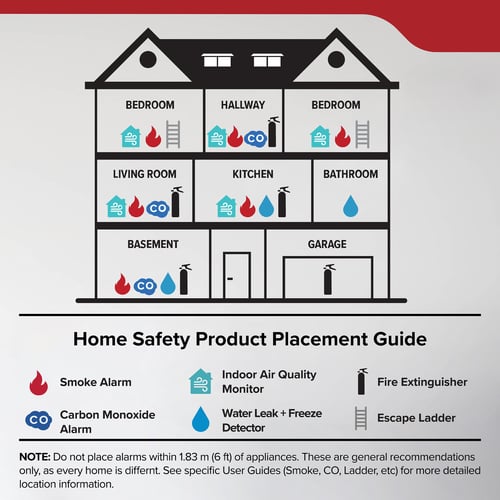
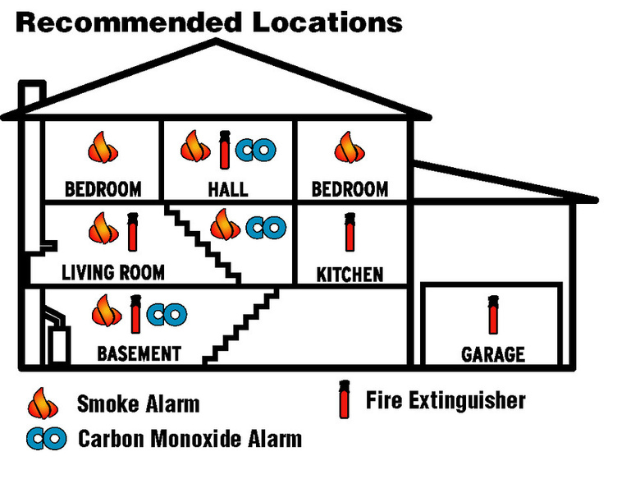
Where To Place Smoke Detectors In Your Kitchen
Placing smoke detectors too close to cooking appliances can cause nuisance alarms. Ideally, position detectors near the kitchen but not directly above the stove or oven.
Consider installing a smoke detector in the hallway outside the kitchen. This setup helps catch smoke early while reducing false alarms during everyday cooking.
Maintaining Smoke Detectors For Optimal Kitchen Safety
Regular maintenance ensures your smoke detector works when you need it most. Test your alarms monthly and replace batteries at least once a year.
Clean the detectors regularly to remove dust and grease, especially in kitchen areas. This keeps sensors clear and sensitive to actual smoke.
Types Of Smoke Detectors
Choosing the right smoke detector for your kitchen can feel tricky. Different types work better in certain environments. Understanding these options helps you pick a detector that reduces false alarms and keeps your home safe.
Ionization Smoke Detectors
Ionization smoke detectors detect small smoke particles from fast, flaming fires. They use a tiny amount of radioactive material to sense changes in electrical current caused by smoke. These detectors react quickly to flames but often trigger false alarms from common kitchen activities like frying or toasting.
Because of this, ionization alarms may not be the best choice inside kitchens where smoke or steam is frequent. However, placing them just outside the kitchen can still provide early warning without constant nuisance alerts.
Photoelectric Smoke Detectors
Photoelectric detectors spot larger smoke particles from smoldering fires. They use a light beam inside the sensor chamber, which smoke interrupts to trigger the alarm. These detectors are less sensitive to cooking smoke and steam, meaning fewer false alarms in kitchens.
If you’ve ever burned toast and had your smoke detector stay silent, chances are it was a photoelectric type. They are often recommended for kitchen areas because they respond well to real dangers without reacting to everyday cooking.
Combination Smoke Detectors
Combination detectors merge ionization and photoelectric technologies. This setup provides broad fire detection coverage, catching both fast flaming and slow smoldering fires. They offer a balanced approach, reducing false alarms while improving safety.
For your kitchen, combination detectors can be a smart choice if you want all-around protection. Just remember to place them carefully—too close to the stove might still cause occasional false alarms.
Risks Of Installing Smoke Detectors In The Kitchen
Smoke detectors in kitchens may trigger false alarms due to cooking smoke or steam. Installing them too close to cooking areas can cause frequent nuisance alerts and reduce their effectiveness. Proper placement is key for safety and avoiding constant beeping.
Installing smoke detectors in the kitchen presents unique risks. They are essential for safety but can cause issues here. Kitchens are prone to smoke and heat, affecting detector function. Understanding these risks helps decide on kitchen smoke detector installation.
False Alarms From Cooking Smoke
Kitchens often experience smoke from cooking. Frying or grilling can produce smoke. Smoke detectors may trigger false alarms frequently. This can become annoying and lead to complacency. People might ignore alarms, reducing safety.
Placement Challenges
Correct placement of smoke detectors in the kitchen is tricky. Detectors near stoves or ovens may be too sensitive. Placing them too far can delay alarm activation. Balancing sensitivity and location is crucial. Proper placement ensures effectiveness without frequent alarms.
Best Locations For Kitchen Smoke Detectors
Choosing the right spot for your kitchen smoke detector is more important than you might think. It’s about balancing safety with avoiding false alarms triggered by everyday cooking. Placing detectors thoughtfully ensures they alert you to real danger without causing unnecessary frustration.
Near The Kitchen But Not Inside
Installing a smoke detector directly inside the kitchen often leads to frequent false alarms due to normal cooking smoke and steam. Instead, place the detector just outside the kitchen area. This way, it can still sense smoke from a fire early without reacting to minor cooking incidents.
Think about spots like the ceiling near the kitchen entrance or the adjacent dining area. These locations catch smoke drifting out from the kitchen but stay clear of common cooking fumes. Have you noticed how smoke tends to rise and spread? Positioning detectors here takes advantage of that natural movement.
Hallways And Adjacent Rooms
Hallways close to the kitchen provide excellent locations for smoke detectors. Since hallways act as passageways for smoke, detectors here can alert everyone in the house quickly. Plus, these spots are less likely to be affected by steam or cooking smells.
Consider placing detectors near rooms adjacent to the kitchen, such as living rooms or bedrooms that share a wall. These areas help ensure that everyone hears the alarm no matter where they are. Would you want to rely solely on a detector inside a steamy kitchen?
By focusing on these strategic spots, you increase safety without the annoyance of frequent false alarms. Have you checked if your current smoke detectors are in the best locations for your kitchen’s layout?
Alternative Safety Devices For Kitchens
Smoke detectors in kitchens can cause false alarms due to cooking smoke. Alternative safety devices help avoid these issues. They provide reliable protection without constant disruptions. Explore options that suit kitchen environments well.
Heat Detectors
Heat detectors sense rapid temperature rises in the kitchen. They do not react to normal cooking smoke. This reduces false alarms greatly. Heat detectors trigger alarms only during real fire situations. They offer focused protection in cooking areas.
Fire Extinguishers
Fire extinguishers allow quick action to put out small fires. Keep one easily accessible in the kitchen. Choose the right type for kitchen fires, like Class K for grease fires. They help control fires before they spread. Regular checks ensure they work when needed.
Smart Smoke Alarms
Smart smoke alarms use advanced sensors to reduce false alerts. They connect to phones for instant notifications. Some models distinguish between cooking smoke and real fire smoke. They can silence false alarms remotely. Smart alarms add convenience and safety together.

Credit: www.reddit.com
Maintenance Tips For Smoke Detectors
Keeping your smoke detectors in top shape is crucial, especially in a busy kitchen where the risk of smoke is higher. Regular maintenance ensures your device works when you need it most. Neglecting this can leave you vulnerable to unnoticed fires.
Regular Testing
Test your smoke detector at least once a month. Press the test button until you hear the alarm sound. If the alarm is weak or silent, it’s time to replace the batteries or the unit itself.
Have you ever found your smoke alarm silent during a drill? That one experience convinced me to test mine more often. It’s a simple step that can save lives.
Battery Replacement
Change the batteries at least twice a year. Use high-quality batteries to avoid frequent replacements. Some people tie battery changes to daylight saving time—an easy way to remember.
If your detector starts chirping, don’t ignore it. That sound is your device’s way of telling you it needs new power immediately.
Cleaning And Upkeep
Smoke detectors can get dusty or greasy, especially in kitchens. Clean them with a soft brush or vacuum cleaner every few months. Avoid harsh chemicals that might damage the sensor.
Have you noticed your alarm going off when cooking? Dust buildup could be the culprit. Keeping your detector clean helps prevent false alarms and ensures accuracy.
Local Regulations And Guidelines
Local regulations and guidelines set clear rules about smoke detectors in kitchens. These rules help keep homes safe and reduce fire risks. Understanding these laws ensures proper installation and compliance. Always check local rules before adding smoke detectors in kitchen areas.
Building Codes
Building codes often require smoke detectors in specific home areas. Kitchens have special rules due to false alarms from cooking smoke. Many codes suggest placing smoke detectors near kitchens, but not inside them. This placement helps avoid nuisance alarms while maintaining safety. Local building codes vary, so confirm exact requirements for your area.
Fire Safety Standards
Fire safety standards guide the types and locations of smoke detectors. These standards focus on early fire detection without causing frequent false alarms. Some standards recommend using heat detectors in kitchens instead of smoke detectors. Heat detectors react to high temperatures, reducing false alerts. Follow fire safety standards to protect your home effectively and meet legal obligations.

Credit: www.firedetectionshop.co.uk
Credit: dconc.gov
Frequently Asked Questions
Do You Really Need A Smoke Detector In The Kitchen?
Yes, a smoke detector in the kitchen is essential. It alerts you quickly to smoke or fire, preventing damage and injury. However, use a heat detector or photoelectric smoke alarm to reduce false alarms from cooking.
What Type Of Smoke Detector Suits Kitchen Use Best?
Photoelectric smoke detectors or heat detectors are best for kitchens. They are less sensitive to cooking smoke and steam. This reduces false alarms while still providing timely fire alerts for safety.
Can Smoke Detectors Cause False Alarms In Kitchens?
Yes, standard smoke detectors often cause false alarms due to cooking smoke and steam. Installing kitchen-specific alarms or heat detectors helps minimize these false alerts while maintaining safety.
Where Should Kitchen Smoke Detectors Be Installed?
Install kitchen smoke detectors at least 10 feet from cooking appliances. This placement reduces false alarms while ensuring early fire detection. Avoid placing alarms directly above stoves or ovens.
Conclusion
A smoke detector in the kitchen can save lives. It alerts you quickly to fire or smoke. Fires in kitchens start fast and spread fast. Having a detector helps you act before damage grows. Choose one designed for kitchen use to avoid false alarms.
Regularly test and maintain your smoke detector for best safety. Your family’s safety is worth this small step. Don’t wait for a fire to realize its importance. Safety starts with simple tools like a smoke detector.