
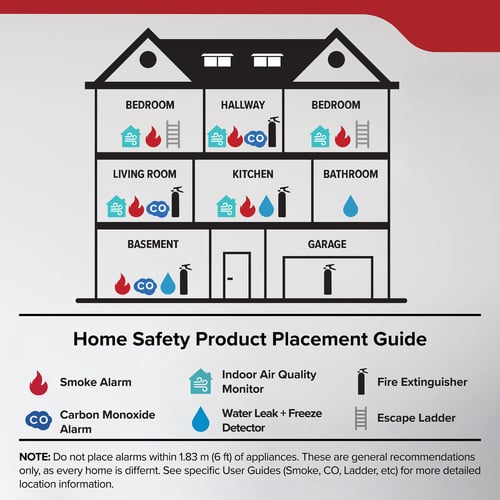
Have you ever wondered if you should put a smoke detector in your kitchen? It’s a common question because the kitchen is where most fires start, but it’s also a place full of steam, smoke from cooking, and other things that might set off false alarms.
You want to keep your home safe, but you also don’t want to deal with constant beeping or unnecessary panic. You’ll discover the best way to protect your kitchen—and your whole house—without the hassle. Keep reading to find out exactly where and how to place smoke detectors so you feel secure every time you cook.
Credit: www.firedetectionshop.co.uk
Smoke Detector Placement Rules
Understanding where to place smoke detectors in your home is crucial for safety and effectiveness. There are specific rules that guide their positioning, especially when considering tricky areas like the kitchen. Proper placement can mean the difference between early fire detection and frequent false alarms.
Recommended Locations
Smoke detectors should be installed in every bedroom, outside each sleeping area, and on every level of your home. Hallways near bedrooms are prime spots because fires often occur at night. Ceiling placement is ideal since smoke rises, but wall placement is acceptable if it’s 4 to 12 inches below the ceiling.
Have you checked if your detectors are more than 10 feet away from cooking appliances? That distance helps reduce false alarms while still offering safety coverage.
Areas To Avoid
Avoid placing smoke detectors too close to windows, doors, or ducts where drafts might interfere with their operation. Areas with high humidity or steam, like bathrooms, can cause false alarms or damage the detector.
Also, skip placing detectors near ceiling fans or vents that can blow smoke away before it reaches the sensor. These spots can delay detection when you need it most.
Kitchen-specific Challenges
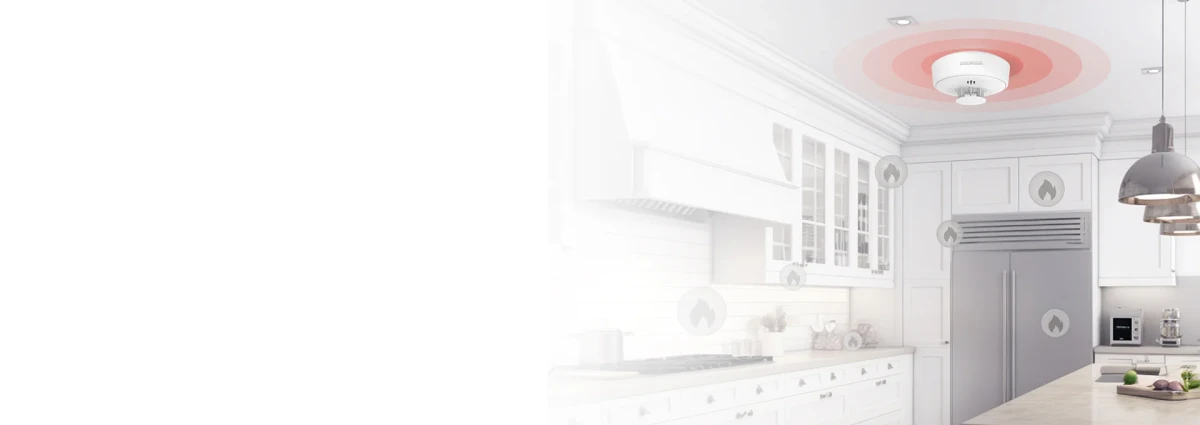
The kitchen is a hotspot for accidental smoke alarms due to everyday cooking activities. Installing a smoke detector right inside the kitchen often leads to nuisance alarms from burnt toast or steam.
Instead, place the detector at least 10 feet away from cooking appliances. Consider using a photoelectric smoke detector or a heat detector in the kitchen area to reduce false alarms while maintaining safety.
Have you ever been jolted awake by your smoke detector triggered by normal cooking? Adjusting placement could save your nerves and keep your home safer.

Credit: www.reddit.com
Types Of Smoke Detectors
Choosing the right smoke detector is key for kitchen safety. Different types react to smoke and heat in unique ways. Understanding these options helps protect your home efficiently. Some detectors work better in kitchens than others.
Ionization Vs Photoelectric
Ionization alarms detect fast-flaming fires with small smoke particles. They respond quickly to flames but can trigger false alarms from cooking smoke. Photoelectric alarms sense larger smoke particles from smoldering fires. They are less sensitive to cooking smoke, reducing false alerts. In kitchens, photoelectric detectors are usually a better choice.
Combination Alarms
Combination alarms use both ionization and photoelectric sensors. They provide broad fire detection coverage. These alarms react to both fast flames and smoldering fires. Combination alarms offer increased safety but might be more prone to false alarms near the stove. Placement is important to avoid nuisance alerts.
Heat Detectors For Kitchens
Heat detectors sense a rapid rise in temperature or a fixed high temperature. They do not react to smoke. Heat detectors work well in kitchens because they avoid false alarms from cooking smoke and steam. These detectors are ideal for areas with heavy cooking activity.
Preventing False Alarms
Placing a smoke detector directly in the kitchen can cause frequent false alarms from cooking smoke. Position detectors nearby but away from cooking areas to reduce these alerts. Regular maintenance and choosing the right type help improve accuracy and safety.
Preventing false alarms in the kitchen is essential for peace of mind. Smoke detectors are crucial for safety, but they can be triggered easily. The kitchen is a common spot for these false alarms. Understanding how to prevent them ensures your smoke detector works effectively.
Common Kitchen Triggers
Certain kitchen activities can trigger smoke alarms. Cooking generates steam and smoke, which can set them off. High heat from ovens and stovetops can also cause alarms. Burning food is another frequent culprit. Even toasters can create enough smoke to activate detectors. Identifying these triggers helps in managing false alarms.
Proper Installation Tips
Proper placement of smoke detectors is vital. Install detectors at least 10 feet away from cooking appliances. This distance reduces the chance of false alarms. Avoid placing detectors near windows or vents. Drafts can interfere with their function. Ceiling-mounted detectors often work best in kitchens. Ensure they are not directly over cooktops. Following these tips helps maintain alarm accuracy.
Maintenance And Testing
Regular maintenance keeps your smoke detector reliable. Test detectors monthly to ensure they work. Replace batteries at least once a year. Dust and debris can affect detectors. Clean them regularly with a soft brush. Replace any detector older than 10 years. This ensures they remain effective. Regular checks prevent unnecessary false alarms. Proper upkeep keeps your kitchen safe.
Enhancing Kitchen Fire Safety
Enhancing kitchen fire safety is essential because the kitchen is one of the most common places for fires to start at home. Your cooking space needs more than just a smoke detector to stay safe. Taking extra steps can protect your home and loved ones from unexpected fire hazards.
Additional Safety Devices
Besides a smoke detector, consider installing a heat detector in your kitchen. Heat detectors activate only when the temperature rises quickly, reducing false alarms from regular cooking smoke. A fire extinguisher rated for kitchen fires should always be within easy reach.
You might also want to add a carbon monoxide detector, especially if you use gas appliances. These devices alert you to dangerous gas buildups that smoke detectors won’t catch. Would you feel safer knowing you have multiple layers of protection?
Safe Cooking Practices
Never leave cooking food unattended. Even a few minutes away can cause grease or oil to ignite. Keep flammable items like kitchen towels and paper away from the stove to reduce risk.
Use timers to remind you when food is cooking. Clean grease buildup regularly because it can fuel fires. If a fire starts, avoid throwing water on it, especially with grease fires—cover it with a lid or use your extinguisher.
Emergency Response Plan
Having a clear plan can save lives. Make sure everyone in your home knows how to respond if a kitchen fire starts. This includes knowing where fire extinguishers are and how to use them safely.
Practice your escape routes regularly. Ask yourself if your family could get out quickly if the kitchen door was blocked by fire. Preparing in advance means you won’t waste precious time during an emergency.

Credit: www.yourhomewiz.com
Frequently Asked Questions
Should I Install A Smoke Detector Inside The Kitchen?
It is not recommended to install a smoke detector directly inside the kitchen. Cooking smoke and steam can cause false alarms. Instead, place smoke detectors near the kitchen entrance or in adjacent rooms for effective fire detection without frequent false alerts.
Where Is The Best Place To Put A Smoke Detector Near Kitchen?
The best place is on the ceiling outside the kitchen, about 10 to 20 feet away. This location balances early fire detection with fewer false alarms from cooking activities. Avoid placing detectors too close to cooking appliances or vents.
Can A Smoke Detector Prevent Kitchen Fires Effectively?
Yes, smoke detectors can alert you early to kitchen fires. They provide crucial warnings to evacuate or extinguish fires quickly. However, proper placement is key to avoid false alarms and ensure timely alerts.
What Type Of Smoke Detector Is Ideal Near The Kitchen?
Photoelectric smoke detectors are ideal near kitchens. They respond better to smoldering fires and produce fewer false alarms from cooking smoke. Ionization detectors may trigger more false alarms in this area.
Conclusion
Placing a smoke detector near the kitchen needs careful thought. Too close can cause false alarms from cooking fumes. Too far might delay alert in real fire. A good spot is just outside the kitchen area. This keeps you safe without constant beeping.
Regularly check and maintain your detectors for best results. Safety in the home starts with smart choices. Stay alert and protect your family every day.