
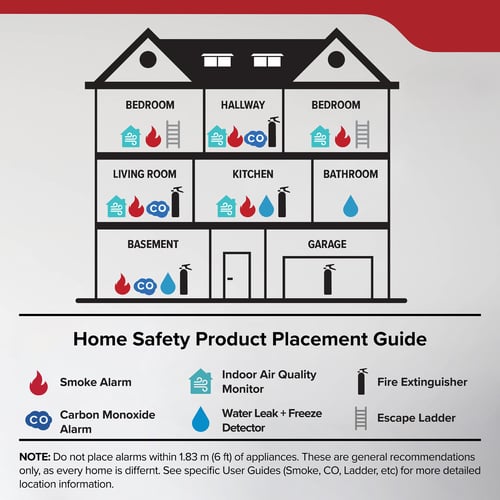
Are you wondering if your kitchen needs a smoke detector? You might think it’s a no-brainer, but the answer isn’t always that simple.
Installing a smoke detector in the kitchen can protect your home, but it can also lead to frequent false alarms. What’s the right choice for you and your family? Keep reading to find out how to keep your kitchen safe without the hassle—and make sure you’re making the best decision for your home’s safety.

Credit: www.reddit.com
Smoke Detectors And Kitchen Safety
Smoke detectors play a key role in kitchen safety. Kitchens are common places for fires to start. Cooking involves heat, flames, and sometimes oil. These factors increase fire risks. Smoke detectors alert you early to smoke or fire. Proper placement and type of smoke detector matter.
Types Of Smoke Detectors Suitable For Kitchens
Not all smoke detectors work well in kitchens. Ionization detectors react quickly to flaming fires but can cause false alarms from cooking smoke. Photoelectric detectors sense smoldering fires better and reduce false alarms. Some detectors combine both technologies for better protection. Heat detectors sense rapid temperature rises and avoid false alarms from steam.
Best Locations For Smoke Detectors In The Kitchen
Placing smoke detectors too close to cooking appliances causes frequent false alarms. Install detectors at least 10 feet away from stoves and ovens. Avoid placing them directly above cooking surfaces. Position detectors near the kitchen entrance or ceiling corners. This setup balances safety with fewer false alarms.
How Smoke Detectors Improve Kitchen Fire Safety
Smoke detectors give early warnings of fire. This allows quick action to stop fire growth. Early alerts help evacuate safely and call emergency services. Smoke detectors also remind people to check cooking and appliances. They support safer cooking habits and reduce fire damage risks.

Credit: www.firedetectionshop.co.uk
Risks Of Installing Smoke Detectors In The Kitchen
Installing smoke detectors in the kitchen sounds like a smart safety move, but it comes with some risks you need to consider. The kitchen is a busy place filled with steam, smoke, and heat from cooking. These conditions can affect how well a smoke detector works and may even cause unnecessary alarms.
False Alarms From Cooking Smoke
Have you ever had a smoke detector go off just because you burned toast or seared some steak? That’s a common problem in kitchens. Smoke detectors can mistake normal cooking smoke and steam for dangerous fires, leading to frequent false alarms.
False alarms can be more than annoying—they can make you and your family less likely to take alarms seriously. Imagine hearing a smoke alarm every time you fry onions. Would you rush out of the house or just ignore it?
Interference With Smoke Detector Sensitivity
Smoke detectors in kitchens often face interference from regular cooking activities. The constant presence of steam and heat can reduce the detector’s sensitivity over time. This means the alarm might not go off when there is a real fire.
Additionally, grease particles and dust can build up inside the detector, causing it to malfunction or fail. Have you checked your kitchen smoke detector’s condition recently? Regular maintenance is key, but even then, the kitchen environment poses unique challenges that might affect safety.
Best Locations For Smoke Detectors Near Kitchens
Smoke detectors should be placed near kitchens but not too close to avoid false alarms from cooking smoke. Position them at least 10 feet away from stoves and ovens for best results. Installing detectors on the ceiling or high on walls helps detect smoke early.
Determining the best locations for smoke detectors near your kitchen can be the key to ensuring safety without unnecessary nuisance alarms. The kitchen is often the heart of the home, bustling with activity and culinary creations. However, it’s also a place where smoke and steam are common, which can lead to false alarms if detectors are improperly placed. Let's explore some strategic locations to install your smoke detectors to maximize safety and minimize disturbance.
Ideal Distance From Cooking Appliances
Placing a smoke detector too close to cooking appliances can lead to frequent false alarms. Ideally, smoke detectors should be installed at least 10 feet away from cooking appliances. This distance helps in avoiding false alarms triggered by cooking smoke or steam. Consider using a heat detector if space constraints make it difficult to maintain this distance. Unlike smoke detectors, heat detectors are less likely to be set off by everyday cooking activities.
Placement In Adjacent Rooms Or Hallways
If space is limited in your kitchen, installing smoke detectors in adjacent rooms or hallways can be an effective alternative. This strategic positioning allows the detector to sense smoke without being directly exposed to kitchen emissions. Ensure these detectors are installed on the ceiling or high on the wall. Smoke rises, so placing detectors high ensures they can sense smoke quickly and effectively. Have you considered how often you check your smoke detectors? Regular maintenance is crucial for effective operation. Make it a habit to test them monthly and replace batteries at least once a year. Your vigilance could make all the difference in an emergency.
Alternative Detectors For Kitchen Areas
Choosing the right detector for kitchen areas is important. Smoke detectors often trigger false alarms from cooking smoke. This can lead to annoyance and ignoring real dangers. Alternative detectors can better suit kitchens and improve safety without frequent false alarms.
Heat Detectors Vs Smoke Detectors
Heat detectors sense rapid temperature changes. They react to actual heat, not smoke or steam. This makes them less sensitive to cooking fumes. Smoke detectors detect particles from smoke in the air. They can go off from burnt toast or steam. Heat detectors reduce false alarms in kitchens. They activate only when the temperature rises quickly enough to suggest fire.
Combination Detectors
Combination detectors use both smoke and heat sensors. They provide broader protection by monitoring smoke and temperature. These detectors reduce false alarms by requiring both triggers for activation. Combination units balance safety and reliability. They are ideal for kitchens where smoke or heat may appear separately. This ensures alerts happen only in real fire situations.
Maintaining Smoke Detectors Around Kitchens
Smoke detectors near kitchens face unique challenges due to frequent exposure to steam, smoke, and cooking odors. Maintaining these devices properly ensures they remain reliable without causing false alarms. You want your smoke detector to alert you only when there’s a real danger, not every time you burn toast.
Regular Testing And Battery Replacement
Test your smoke detector at least once a month by pressing the test button. This quick check confirms the alarm is working and loud enough to wake you if needed.
Replace the batteries every six months, or immediately if the low-battery warning chirps. Keeping fresh batteries avoids unexpected failures during critical moments.
Have you ever ignored that chirp, thinking it was just a minor annoyance? That small beep could mean your detector won’t alert you in an emergency.
Cleaning To Prevent Dust And Grease Build-up
Smoke detectors near kitchens can collect dust, grease, and cooking residue, which may block sensors or cause false alarms.
Clean your smoke detector every three months using a vacuum cleaner with a soft brush attachment or a dry cloth. Avoid spraying cleaners directly on the device.
Removing build-up not only extends the life of your detector but also keeps it sensitive to real smoke. Have you checked how dirty your detector looks lately?

Credit: www.abus.com
Additional Kitchen Fire Safety Tips
Keeping your kitchen safe from fire is very important. Smoke detectors help, but there are other key steps to reduce risks. Small actions can prevent dangerous fires and keep your home secure. Follow simple rules for cooking and equipment use. Be ready with tools to stop fires fast. Avoid habits that cause fire hazards.
Proper Use Of Cooking Appliances
Use appliances only as the manual says. Do not leave cooking food unattended. Keep handles of pots and pans turned inward. Clean appliances regularly to prevent grease buildup. Unplug appliances when not in use to avoid sparks.
Keeping Fire Extinguishers Accessible
Place a fire extinguisher in or near the kitchen. Make sure everyone knows how to use it. Check the extinguisher’s pressure and condition often. Choose one rated for grease and electrical fires. Keep it within easy reach but away from heat sources.
Avoiding Common Kitchen Fire Hazards
- Keep flammable items like towels and paper away from the stove.
- Do not overload electrical outlets with kitchen gadgets.
- Clean grease and food spills from surfaces and appliances.
- Do not wear loose clothing while cooking.
- Keep children and pets away from hot surfaces.
Frequently Asked Questions
Should You Install A Smoke Detector In The Kitchen?
It is not recommended to place a smoke detector directly in the kitchen. Cooking smoke often triggers false alarms. Instead, install smoke detectors nearby but away from cooking appliances to balance safety and reduce nuisance alerts.
Where Is The Best Place To Put Kitchen Smoke Detectors?
Install smoke detectors at least 10 feet from cooking appliances. Place them in adjacent rooms or hallways to detect smoke early. This placement minimizes false alarms while maintaining effective fire safety coverage near the kitchen.
What Type Of Smoke Detector Suits Kitchens Best?
Photoelectric smoke detectors are ideal near kitchens. They detect slow, smoldering fires and reduce false alarms from cooking smoke. Avoid ionization detectors in kitchens, as they are more prone to false triggers from everyday cooking.
Can A Smoke Detector In The Kitchen Cause False Alarms?
Yes, smoke detectors in kitchens often cause false alarms due to cooking smoke and steam. Positioning detectors away from direct cooking areas helps prevent frequent false alerts while maintaining safety.
Conclusion
Smoke detectors help keep your home safe from fires. Kitchens can be tricky places for smoke alarms. Too close to cooking, they may cause false alarms. Too far, they might not warn you in time. Choose smoke detectors designed for kitchens.
Place them where smoke can reach but avoid steam and smoke from cooking. Regular testing keeps them working well. Safety starts with smart choices and proper care. Protect your home and family by installing the right smoke detector in the right place.
Simple steps make a big difference.