
Are you wondering if your KitchenAid dishwasher has a filter? Knowing this can make a big difference in how well your dishwasher cleans and how often you need to maintain it.
A filter helps catch food particles and debris, preventing clogs and keeping your dishwasher running smoothly. If you want your dishes to come out spotless every time, understanding your dishwasher’s filter is key. Keep reading to find out exactly what kind of filter your KitchenAid dishwasher uses and how it can impact your cleaning routine.
Kitchenaid Dishwasher Filters
KitchenAid dishwashers come with built-in filters to keep your dishes clean and protect the appliance. These filters catch food particles and debris during the washing cycle. Understanding these filters helps maintain your dishwasher’s performance and extends its life.
Filter Types In Kitchenaid Models
Different KitchenAid dishwasher models use various filter types. Most models feature a fine mesh filter. Some high-end models include a two-stage filtration system.
- Fine Mesh Filter:Captures small food particles to prevent clogging.
- Two-Stage Filter System:Combines a coarse filter and fine mesh for better cleaning.
- Self-Cleaning Filters:Use a grinder to break down debris automatically, found in some models.
Purpose Of Dishwasher Filters
The primary role of dishwasher filters is to trap food waste. This prevents particles from recirculating and settling on dishes. Filters also protect the dishwasher’s pump and drain system.
Keeping filters clean helps improve washing results. It also reduces bad odors inside the dishwasher. Regular maintenance ensures your appliance runs smoothly and lasts longer.
Locating The Filter
Finding the filter in your KitchenAid dishwasher is key to keeping it running smoothly. Knowing exactly where it is helps you clean it regularly, preventing clogs and odors. Let’s look closely at where the filter hides and what it looks like inside your dishwasher.
Inside The Dishwasher
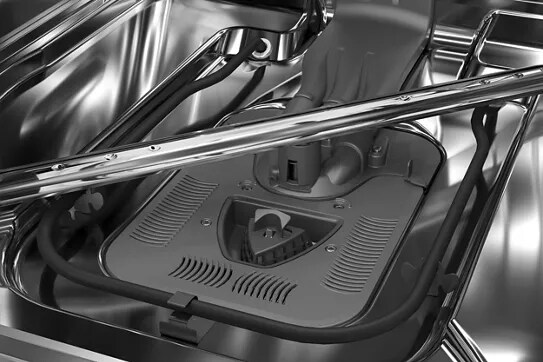
Open the door of your KitchenAid dishwasher and look at the bottom interior. The filter is usually located right under the lower spray arm. You might notice a round or rectangular cover that stands out from the rest of the dishwasher floor.
Sometimes, you need to remove the lower rack to get a clear view. Once the rack is out, you’ll see the filter cover more clearly. It often twists or lifts out easily by hand, no tools needed.
Filter Components
The filter system usually has a few parts working together:
- Coarse Filter:This traps larger food particles like vegetable peels or bits of meat.
- Fine Filter:A mesh screen that catches smaller debris that could clog the drain.
- Filter Base:Holds the filters in place and connects to the dishwasher’s drainage system.
Cleaning these parts regularly can improve your dishwasher’s performance. Have you checked your filter lately? You might be surprised how much gunk can build up and slow down your machine.
Cleaning And Maintenance
Maintaining your KitchenAid dishwasher is essential to ensure it works efficiently and lasts for years. One crucial aspect of this maintenance is keeping the filter clean. Without regular cleaning, food particles and debris can build up, causing clogs and unpleasant odors. But how often should you clean the filter, and what is the best way to do it? Let's dive into the details.
When To Clean The Filter
How often you clean the filter depends on how frequently you use your dishwasher. If you're running it daily, a monthly cleaning is advisable. For less frequent use, every two to three months should suffice.
Notice a drop in performance or a lingering smell? It might be time to check the filter. Regular cleaning not only ensures optimal performance but also prolongs the life of your dishwasher.
Step-by-step Cleaning Guide
- Begin by turning off and unplugging your dishwasher for safety.
- Locate the filter at the bottom of the dishwasher. It’s usually a cylindrical or mesh screen.
- Twist or pull out the filter gently.
- Rinse it under warm water to remove loose debris. A soft brush can help with stubborn particles.
- Inspect the filter for any damages. Replace it if necessary.
- Return the filter to its original position, ensuring it's securely in place.
- Plug in and turn on the dishwasher, ready for its next cycle.
Following these steps ensures your dishwasher remains in top condition. Regular checks can prevent unexpected issues down the road.
Tools Needed For Cleaning
- Soft brush: To gently scrub away stubborn particles.
- Warm water: Essential for rinsing away debris.
- Dish soap: Optional, for a thorough clean.
- Flashlight: To clearly see the filter and surrounding area.
With these simple tools, cleaning your filter becomes a quick and hassle-free task. Are you ready to roll up your sleeves and give your KitchenAid dishwasher the care it deserves?
Credit: www.kitchenaid.com
Filter Benefits
Filters in KitchenAid dishwashers play a key role in maintaining cleanliness and appliance health. They trap food particles and debris, stopping blockages and keeping water clear. This simple part helps the dishwasher work better and last longer.
Improved Cleaning Performance
The filter catches leftover food bits during washing. This stops particles from re-depositing on dishes. Cleaner water means dishes come out spotless. A clean filter keeps the spray arms free from clogs. This allows water to reach every dish evenly.
Prolonging Dishwasher Life
Filters protect the pump and pipes from damage. Without a filter, debris can cause blockages and wear. This leads to costly repairs or early replacement. Regular cleaning of the filter reduces strain on parts. It helps the dishwasher run smoothly for years.
Common Filter Issues
KitchenAid dishwashers come with filters designed to catch food particles and debris, ensuring your dishes come out spotless. However, these filters can face common issues that affect the dishwasher's performance. Understanding these problems helps you maintain your appliance and avoid costly repairs.
Clogs And Blockages
Filters can easily get clogged with leftover food bits, grease, and soap scum. When this happens, water flow slows down, and your dishwasher might not clean dishes properly.
Imagine loading your dishwasher after a big family dinner without rinsing plates well. Over time, this builds up and blocks the filter. You might notice a strange odor or water pooling at the bottom—both signs that the filter needs attention.
Signs Of A Dirty Filter
How do you know if your KitchenAid dishwasher filter is dirty? Look for:
- Dishes coming out with leftover food or spots.
- A musty or foul smell inside the dishwasher.
- Longer wash cycles or unusual noises during operation.
Ignoring these signs can lead to bigger problems like poor cleaning results or even damage to the dishwasher’s pump. Checking and cleaning your filter regularly can save you time and frustration.
Credit: www.kitchenaid.com
Filter Replacement
Replacing the filter in your Kitchen Aid dishwasher is essential to keep it running smoothly and to ensure your dishes come out spotless. Over time, filters can get clogged with food particles and debris, which affects the dishwasher’s performance. Regular replacement not only protects your appliance but also saves you time and money on repairs.
When To Replace
Knowing the right time to change your dishwasher filter can prevent many problems. Check the filter every few months, especially if you notice your dishes aren’t as clean as before or if there’s a strange odor inside the dishwasher.
Some signs that your filter needs replacement include:
- Water draining slowly or not at all
- Visible buildup or damage on the filter
- Frequent dishwasher error codes related to drainage or filtration
Have you ever ignored a filter issue only to find your dishwasher leaking or malfunctioning? Catching the need for a replacement early can avoid these headaches.
Choosing The Right Replacement Filter
Not all filters fit every Kitchen Aid dishwasher model. Using the wrong filter can reduce efficiency or even cause damage.
To pick the right replacement, start by checking your dishwasher’s manual or model number. You can also find filters online or at appliance stores, but ensure they match your model exactly.
Consider these tips when selecting a filter:
- Buy OEM (Original Equipment Manufacturer) parts for best fit and performance
- Look for filters with good reviews on durability and ease of cleaning
- Check if the filter comes with installation instructions or support
Remember, investing in a quality filter can extend your dishwasher’s life and improve cleaning results. What’s your experience with replacement parts—have you ever tried generic options, and did they work well?
Credit: www.kitchenaid.com
Frequently Asked Questions
Does Kitchenaid Dishwasher Include A Filter System?
Yes, KitchenAid dishwashers have a built-in filter system. It traps food particles to prevent clogging and improve cleaning efficiency.
How Often Should I Clean The Kitchenaid Dishwasher Filter?
Clean the filter every 1 to 3 months. Regular cleaning prevents odors and ensures optimal dishwasher performance.
Can I Remove And Wash The Kitchenaid Dishwasher Filter?
Yes, the filter is removable and washable. Rinse it under running water and scrub gently to remove debris.
What Happens If The Kitchenaid Dishwasher Filter Is Clogged?
A clogged filter reduces cleaning efficiency and may cause drainage issues. Regular cleaning prevents these problems.
Conclusion
KitchenAid dishwashers do have a filter to catch food particles. This filter helps keep your dishwasher clean and working well. Cleaning the filter regularly keeps your dishes spotless. It also prevents clogs and bad smells inside the machine. Check the user manual to find and clean the filter easily.
Taking care of the filter saves you time and money. A clean filter means better washing results every time. Simple steps make a big difference in dishwasher care.