

Have you ever wondered if your kitchen really needs a smoke detector? It’s easy to think that smoke alarms belong only in bedrooms or hallways.
But your kitchen is where most fires start, making it one of the most important places to stay protected. You’ll discover why having a smoke detector in your kitchen could save your home and even your life. Keep reading to find out how to choose the right one and where to place it for the best safety.
Don’t leave your kitchen unprotected—your peace of mind depends on it.
Smoke Detectors In Kitchens
Smoke detectors play a vital role in home safety. Kitchens are common places for small fires or smoke. Installing smoke detectors in kitchens helps protect lives and property. Understanding the types and challenges of kitchen smoke detectors aids in making smart choices.
Common Smoke Detector Types
Two main types of smoke detectors exist:
- Ionization Smoke Detectors:These detect fast, flaming fires with small smoke particles. They respond quickly to sudden fires.
- Photoelectric Smoke Detectors:These sense smoldering fires that produce thick smoke. They are better at catching slow, smoky fires.
Some devices combine both technologies for wider detection. For kitchens, photoelectric detectors are often preferred. They reduce false alarms caused by cooking smoke and steam.
Challenges Of Kitchen Installations
Installing smoke detectors in kitchens comes with challenges. Smoke from cooking can trigger false alarms. Steam and heat may also affect detector performance. Placement is crucial to avoid nuisance alerts.
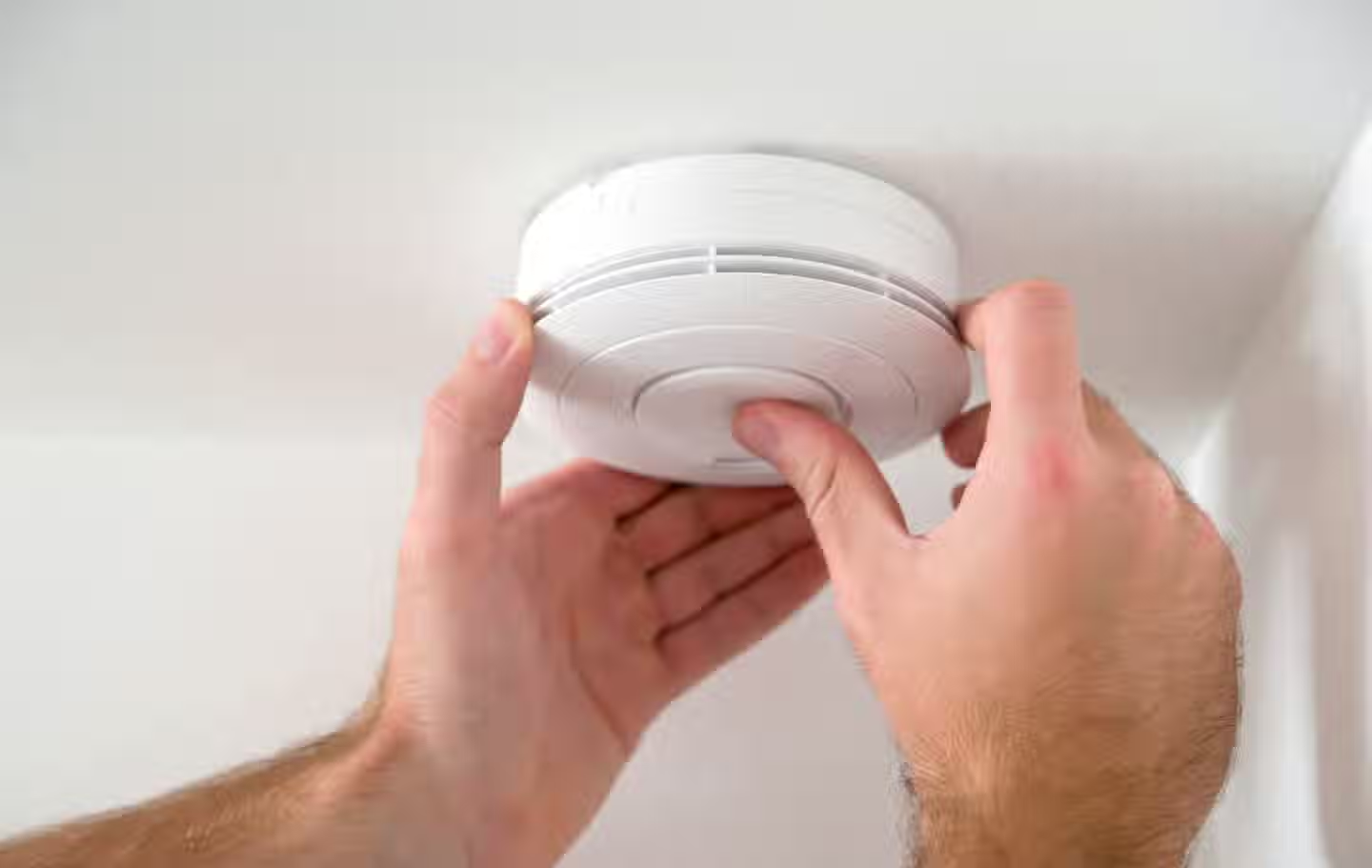
Experts suggest installing smoke detectors at least 10 feet away from cooking appliances. Proper ventilation helps reduce false alarms. Using heat detectors or combination alarms may suit some kitchens better. Regular maintenance ensures detectors work correctly.
Credit: www.servpro.com
Risks Of Not Having A Smoke Detector
Not having a smoke detector in your kitchen puts you at serious risk. Kitchens are one of the most common places for fires to start, and without early warning, you might not realize the danger until it’s too late. Understanding these risks can help you protect your home and loved ones more effectively.
Fire Hazards In Kitchens
The kitchen has many potential fire hazards. Open flames from stoves, hot oil, and electrical appliances can easily ignite nearby materials. Even a small unattended pot can cause a significant fire in seconds.
Think about how often you leave the stove on while distracted by other tasks. Without a smoke detector, you might not notice smoke until it fills the room, making escape harder. Are you willing to take that chance with your safety?
Delayed Fire Detection Consequences
Without a smoke detector, fires can grow unnoticed for crucial minutes. This delay increases the chance of severe damage and puts everyone in the home at greater risk. Smoke inhalation is a leading cause of death during house fires, often before flames even reach people.
Imagine waking up in the middle of the night surrounded by smoke with no warning. Early detection gives you time to act—whether it’s putting out a small fire or getting out safely. Can you afford to miss those precious seconds?
Choosing The Right Smoke Detector
Kitchens often have smoke from cooking, which can cause false alarms. Installing a heat detector instead of a smoke detector may work better there. Choosing the right device helps keep your home safe without unnecessary alerts.
Choosing the right smoke detector for your kitchen is crucial. Not all smoke detectors are suitable for kitchen environments. Some can trigger false alarms due to cooking fumes. Understanding the different types of sensors helps in making an informed decision.
Ionization Vs Photoelectric Sensors
Ionization sensors are sensitive to fast-flaming fires. They are generally less expensive. These detectors can sometimes cause false alarms in kitchens. Photoelectric sensors detect slow, smoldering fires. They are less prone to false alarms from cooking. This makes them a better choice for kitchens.
Combination Alarms For Kitchens
Combination alarms use both ionization and photoelectric sensors. They provide comprehensive coverage for different types of fires. These alarms are a great choice for kitchen safety. They can detect both fast-flaming and smoldering fires. Some models also include carbon monoxide detection. This adds an extra layer of safety for your home.
Installation Tips For Kitchens
Installing a smoke detector in your kitchen is essential for safety, but placement and setup require careful thought. Kitchens pose unique challenges because of smoke from cooking and steam, which can trigger false alarms. Understanding where and how to install your smoke detector can make your home safer without constant disruptions.
Ideal Placement Locations
Place your smoke detector at least 10 feet away from cooking appliances like stoves and ovens. This distance helps prevent frequent false alarms caused by normal cooking smoke or steam. If you have an open kitchen connected to other rooms, consider installing detectors in hallways or living areas nearby to catch smoke early without being too close to cooking zones.
Mount the detector on the ceiling or high on a wall, since smoke rises. Avoid corners where air circulation is poor. If your kitchen has high ceilings, install the detector closer to the cooking area but still maintain a safe distance to avoid false triggers.
Avoiding False Alarms
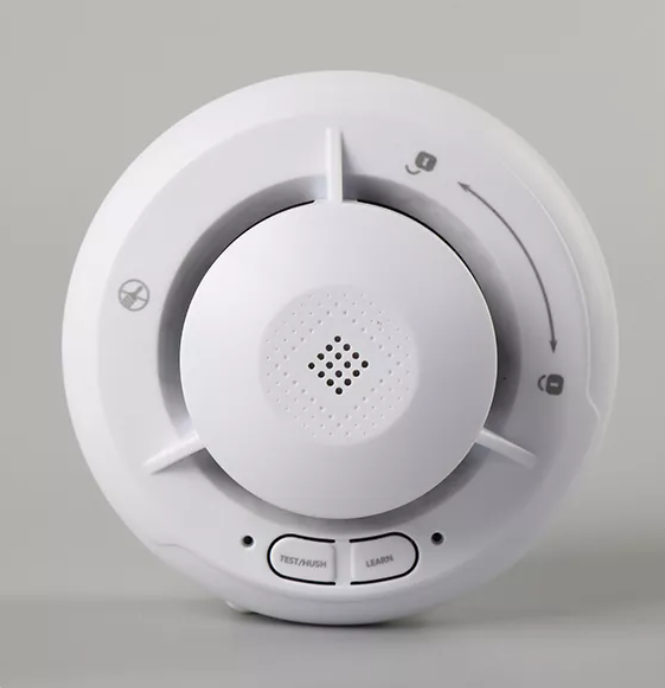
False alarms can be frustrating and may lead you to disable the detector, which is dangerous. To reduce false alerts, choose a smoke detector with a hush or silence button. This lets you temporarily pause the alarm if you’re cooking something smoky but not dangerous.
Consider smoke detectors designed for kitchens, such as photoelectric models, which are less sensitive to cooking smoke than ionization detectors. Another tip is to keep your kitchen well-ventilated with exhaust fans or open windows to disperse smoke quickly.
Have you noticed how some alarms go off the moment you boil water? Positioning and detector type can make all the difference in avoiding these annoying interruptions.
Maintenance And Testing
Maintenance and testing keep your kitchen smoke detector working well. Smoke detectors catch smoke early and alert you to danger. Without proper care, they might fail when needed most. Regular checks help ensure safety and peace of mind. Simple habits extend the life of your detector and keep it ready.
Regular Cleaning Practices
Dust and grease can block smoke from reaching the sensor. Clean the detector every month to avoid false alarms. Use a soft brush or vacuum cleaner on low setting. Wipe the outside gently with a damp cloth. Avoid harsh chemicals that might damage the unit. Keep the area around the detector free from clutter. This helps smoke reach the sensor quickly.
Battery Replacement Schedule
Batteries lose power over time and must be changed regularly. Replace batteries at least once a year or when the alarm chirps. Use fresh batteries recommended by the manufacturer. Test the detector after battery replacement to confirm it works. Consider using long-life lithium batteries for fewer changes. Keep spare batteries nearby for quick swaps. A working battery means your detector can save lives.
:max_bytes(150000):strip_icc()/spr-kidde-hardwired-smoke-alarm-i4618-julia-warren-01-faa480fecad5429d9cab4d8386ea1422.jpeg)
Credit: www.thespruce.com
Additional Kitchen Safety Measures
Ensuring kitchen safety goes beyond just installing smoke detectors. It requires a combination of tools and habits that reduce fire risks and protect your home. Taking extra steps keeps everyone safe and gives peace of mind.
Fire Extinguisher Accessibility
A fire extinguisher must be easy to reach in the kitchen. Place it near the exit or cooking area. Check it regularly to ensure it works well. Know how to use it quickly during emergencies. Choose an extinguisher rated for kitchen fires, such as a Class K type. This helps control grease or oil fires effectively.
Safe Cooking Habits
Stay alert while cooking. Never leave food unattended on the stove or in the oven. Keep flammable items like towels and paper away from heat sources. Use timers to remind yourself of cooking times. Clean spills and grease regularly to avoid fire hazards. Teach family members good kitchen safety practices too.
Credit: www.kingdunalarm.com
Frequently Asked Questions
Does A Kitchen Really Need A Smoke Detector?
Yes, kitchens need smoke detectors to alert you early of fire. They enhance safety by detecting smoke from cooking accidents promptly.
Where To Place A Smoke Detector In The Kitchen?
Place smoke detectors away from cooking appliances to avoid false alarms. Install them near the kitchen entrance for effective smoke detection.
What Type Of Smoke Detector Suits Kitchens Best?
Photoelectric smoke detectors work best in kitchens. They are less sensitive to cooking smoke and reduce false alarms compared to ionization detectors.
Can A Smoke Detector Prevent Kitchen Fires?
While smoke detectors don’t prevent fires, they alert you early. Early warnings help reduce fire damage and improve safety in the kitchen.
Conclusion
A smoke detector in the kitchen adds an important safety layer. It helps catch fires early and warns you quickly. Kitchens often have small risks from cooking accidents or faulty appliances. A working smoke detector can save lives and reduce damage.
Choose one designed for kitchens to avoid false alarms. Test it regularly and change batteries when needed. Safety in the kitchen should not be overlooked. Simple steps like this protect your home and family every day.