
Have you ever wondered if microwaving your kitchen sponge actually kills the germs lurking inside? You use your sponge every day to clean dishes, counters, and spills, but it might be a hidden hotspot for bacteria.
Before you zap it in the microwave, you need to know if this common hack really works—or if it’s just giving you a false sense of cleanliness. Keep reading to discover the truth about microwaving sponges and how to keep your kitchen truly germ-free.
Credit: parentdata.org
Microwaving Sponges Basics
Microwaving kitchen sponges is a common practice to reduce germs. Understanding the basics helps to know how effective this method is. Sponges soak up water and food bits, creating a perfect home for bacteria. Microwaves use heat to kill bacteria, but the process depends on several factors. Knowing why germs thrive and how microwaves affect them clarifies the cleaning power of microwaving sponges.
Why Germs Thrive In Sponges
Sponges stay wet for long periods. This moisture helps bacteria grow fast. Tiny food particles trapped inside feed the germs. Warm kitchen environments also encourage bacteria to multiply. The sponge's porous structure provides many hiding spots for microbes. Germs can double in number every 20 minutes in these conditions. This makes sponges one of the dirtiest items in the kitchen.
How Microwaves Work On Bacteria
Microwaves produce heat by exciting water molecules. This heat kills many types of bacteria and viruses. The temperature inside the sponge rises quickly. High heat breaks down bacterial cell walls. Most bacteria die at temperatures above 165°F (74°C). Microwaving for 1-2 minutes can reach these temperatures. However, uneven heating may leave some germs alive. Proper wetting and microwave time are important for best results.
Effectiveness Of Microwaving
Microwaving kitchen sponges can reduce germs but its effectiveness varies. The heat kills many bacteria but not all types. Moisture and timing play key roles in germ removal. Some studies show strong germ reduction while others warn of risks.
Studies On Germ Reduction
Research shows microwaving kills common bacteria on sponges. One study found microwaving for two minutes can eliminate 99% of bacteria. Another study noted some germs survive if the sponge is dry. Heat must reach all sponge parts to work well. Germs like E. coli and Salmonella often decrease significantly. Yet, spores and viruses may resist microwave heat.
Common Microwave Methods
People use various ways to microwave sponges safely and effectively. These include:
- Soaking the sponge in water before microwaving
- Heating on high power for 1 to 3 minutes
- Using a microwave-safe container to avoid mess
- Checking sponge temperature carefully before handling
Wet sponges heat better and reduce fire risk. Dry sponges can catch fire or not heat evenly. Avoid microwaving sponges with metal parts. Regular microwaving can help keep sponges cleaner between replacements.
Limitations And Risks
Microwaving a kitchen sponge is a common cleaning method. But it has its limitations and risks. While it can kill some germs, it's not foolproof. There are potential dangers involved that you should consider.
Potential For Fire Hazards
Microwaving a dry sponge can cause a fire. Sponges need moisture to safely heat in the microwave. Without water, the microwave can overheat the sponge. This can lead to smoke or even flames. Always ensure your sponge is damp before microwaving.
Incomplete Germ Elimination
Microwaving doesn’t kill all bacteria on a sponge. Some germs are resistant to microwave heat. They can survive and continue to multiply. This means the sponge might still harbor harmful bacteria. Relying solely on microwaving may not ensure complete sanitation.

Credit: household-tips.thefuntimesguide.com
Alternative Cleaning Methods
Microwaving kitchen sponges is a popular trick, but it doesn’t always guarantee all germs are killed. If you want to keep your sponge truly clean and safe, exploring other methods can be more effective. Alternative cleaning methods often provide deeper sanitizing and can extend the life of your kitchen sponge.
Dishwasher Sanitizing
Running your sponge through a dishwasher cycle is a simple way to sanitize it. The high heat and water pressure remove food particles and kill many types of bacteria. Make sure to place the sponge on the top rack to avoid damage.
One time, I tossed my sponge in the dishwasher and noticed it stayed fresher for days compared to microwaving. It’s also convenient because you can clean it while doing your regular dishes. Do you have a dishwasher? Try adding your sponge next time and see the difference.
Bleach And Vinegar Treatments
Bleach and vinegar are powerful household cleaners that can sanitize your sponge effectively. Soaking the sponge in a diluted bleach solution for a few minutes kills most germs quickly. Vinegar, on the other hand, acts as a natural disinfectant and deodorizer.
Mix 3/4 cup of bleach with one gallon of water and soak your sponge for about five minutes. Alternatively, soak it in vinegar for 5-10 minutes to reduce odors and bacteria. Always rinse the sponge thoroughly after soaking to remove any chemical residue.
Have you tried these soaking methods before? They might seem time-consuming, but they can save you from frequent sponge replacements and reduce the risk of spreading germs in your kitchen.
Best Practices For Sponge Hygiene
Keeping kitchen sponges clean helps stop germs from spreading. Proper sponge care keeps your kitchen safer. Follow these simple tips to maintain sponge hygiene.
Regular Replacement Tips
Change sponges often. A sponge used for more than two weeks can hold many germs. Have a schedule to replace sponges every 1 to 2 weeks. Use different sponges for dishes and counters. Avoid using old, worn-out sponges. Old sponges trap more bacteria and smell bad.
Proper Drying Techniques
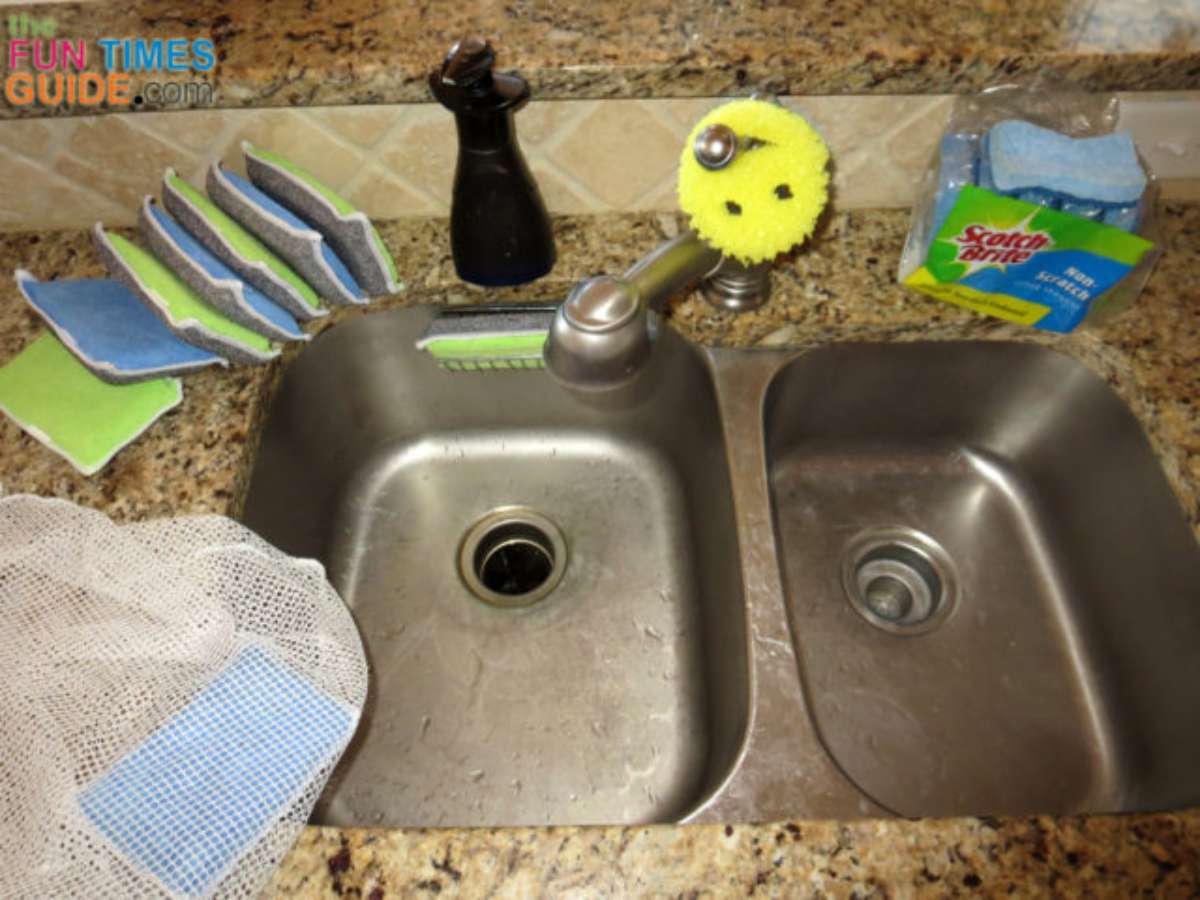
Dry sponges fully after each use. Germs grow fast in wet sponges. Squeeze out water well and leave the sponge in a dry, open place. Avoid leaving sponges in sinks or closed containers. Use a sponge holder that allows air flow. Letting sponges air dry reduces bacteria growth and keeps them fresh longer.
Credit: household-tips.thefuntimesguide.com
Frequently Asked Questions
Does Microwaving Kitchen Sponges Kill All Germs?
Microwaving kitchen sponges can kill many germs, but not all. It reduces bacteria effectively if the sponge is wet and microwaved for 1-2 minutes. However, some heat-resistant microbes may survive, so regular sponge replacement is still important.
How Long Should I Microwave A Sponge To Kill Germs?
Microwave a wet sponge for about 1-2 minutes to kill most germs. Ensure the sponge is thoroughly wet to avoid fire risk. This duration is effective for reducing bacteria but does not guarantee complete sterilization.
Can Microwaving A Sponge Cause Fires Or Damage?
Yes, microwaving a dry sponge can cause fires or damage. Always wet the sponge before microwaving to prevent overheating and fire hazards. Use caution and monitor the process to ensure safety.
Are There Safer Alternatives To Sanitize Kitchen Sponges?
Yes, safer alternatives include soaking sponges in bleach solution or vinegar. Dishwasher sanitizing and regular sponge replacement are also effective. These methods reduce germs without the fire risks associated with microwaving.
Conclusion
Microwaving a kitchen sponge can kill many germs but not all. Sponges can still hold bacteria deep inside. Cleaning sponges often is the best way to stay safe. Let sponges dry completely between uses to reduce germs. Replace old sponges regularly for better hygiene.
Simple habits help keep your kitchen clean and healthy. Microwaving can help, but it should not be the only method. Keep your kitchen sponge fresh with regular care and cleaning.