
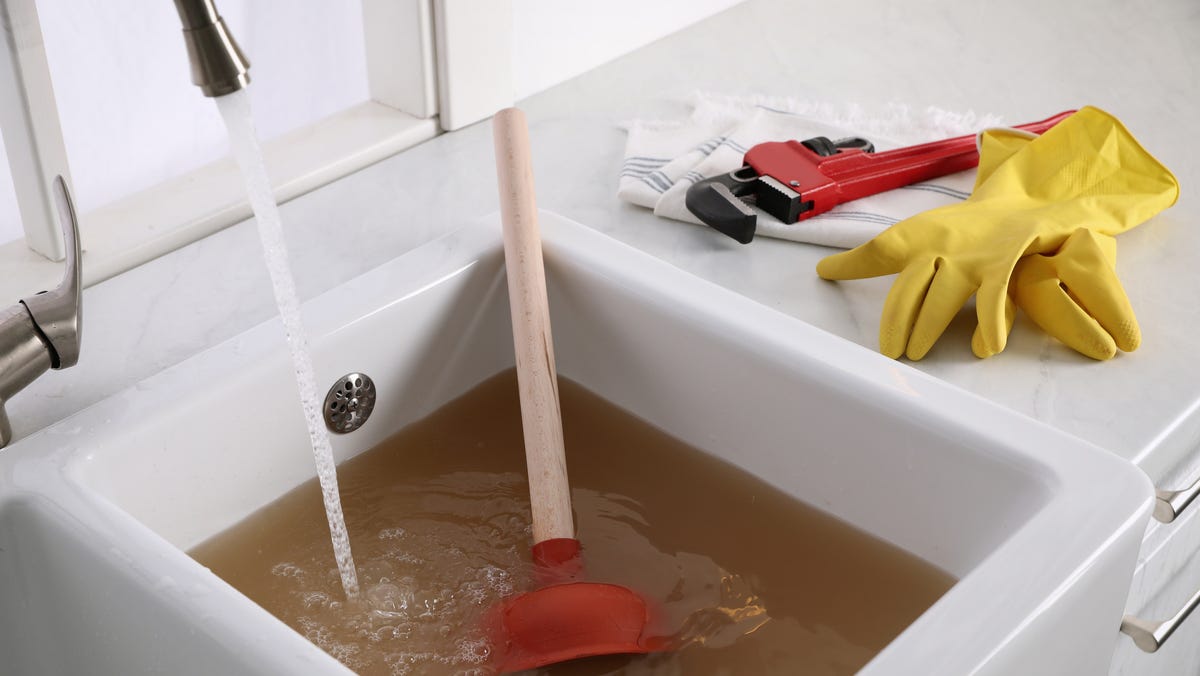
Is your kitchen sink clogged, and you’re wondering if a plunger can fix it? You’re not alone.
When water won’t drain, frustration builds fast. But before you call a plumber or buy expensive tools, there’s a simple question to ask: does a plunger really work on a kitchen sink? You’ll discover the truth about plungers, how to use them effectively, and what to do if they don’t solve the problem.
Keep reading, because the answer could save you time, money, and stress right now.

Credit: www.drano.com
How A Plunger Works
A plunger creates pressure to clear blockages in pipes. It uses suction and force to move clogs. When you push the plunger down, it pushes air or water into the drain. Pulling up creates suction that pulls the clog loose. This back-and-forth action helps break up or dislodge stuck debris. A plunger works best with water inside the sink to form a tight seal. Without a good seal, the pressure will escape and not clear the blockage.
Types Of Plungers For Kitchen Sinks
- Cup Plunger:Flat rubber cup, best for flat surfaces like sinks.
- Flange Plunger:Has an extra rubber flap, designed for toilets but can work on deep sink drains.
- Accordion Plunger:Made of plastic with bellows, creates strong pressure but can be hard to use on sinks.
When To Use A Plunger
- Water drains slowly or is blocked in the sink.
- You hear gurgling sounds from the drain.
- No foul smell indicates a simple clog near the drain.
- Drain is partially clogged but still allows some water flow.
Preparing The Sink For Plunging
Preparing the kitchen sink for plunging helps make the process effective. It ensures the plunger creates strong pressure. Proper preparation also protects the sink and surrounding areas from spills and damage. Follow these steps to get ready for plunging.
Clearing The Sink Area
Remove dishes, soap, and other items from the sink surface. Clear the countertop around the sink to avoid splashes on belongings. Dry the sink edges and surrounding areas with a cloth. A clean area prevents slipping and keeps things tidy during plunging.
Sealing Overflow Openings
Kitchen sinks often have overflow holes to stop water from spilling. Cover these holes tightly using wet rags or duct tape. Sealing overflow openings stops air from escaping. This creates better suction and more pressure for clearing clogs.
Choosing The Right Plunger Size
Select a plunger that fits the sink drain opening. A cup-shaped sink plunger works best for kitchen sinks. Avoid toilet plungers with a flange, as they do not seal well on flat surfaces. The right size helps the plunger form a tight seal for effective plunging.
Step-by-step Plunging Technique
Tackling a clogged kitchen sink can be frustrating. Yet, a plunger often provides a simple solution. The right technique is key to success. Let's explore a step-by-step plunging method.
Filling The Sink With Water
First, ensure the sink is partly filled with water. The water should cover the plunger's cup. This water helps create a seal for effective plunging.
Proper Plunging Motion
Position the plunger over the drain. Ensure a tight seal. Use quick, firm plunging motions. Push down and pull up without breaking the seal. Repeat this motion several times.
Checking For Drainage Improvement
Lift the plunger and check the water flow. If it drains, the clog is cleared. If not, repeat the plunging process. Sometimes, stubborn clogs need extra effort.

Credit: www.reddit.com
Common Mistakes To Avoid
Using a plunger on your kitchen sink might seem straightforward, but several common mistakes can reduce its effectiveness or even cause damage. Avoiding these pitfalls will save you time, frustration, and potential repair costs. Let’s look at some key errors and how you can steer clear of them.
Using Excessive Force
It’s tempting to push hard when the clog won’t budge. However, applying too much force can damage your sink’s pipes or seals. Instead, start with steady, controlled plunges to build pressure gradually.
If you feel resistance, pause and check for other solutions. Overdoing it might make the problem worse, leading to leaks or cracks that cost more to fix than the clog itself.
Ignoring Safety Precautions
Plunging can splash dirty water and debris. Always wear gloves and eye protection to keep yourself safe from germs and chemicals. Have a towel or rag handy to clean up spills quickly.
Many people forget this and end up with stains or infections. Taking a moment to protect yourself is a small effort that prevents bigger headaches later.
Plunging Without Water
A common mistake is plunging a dry sink. The plunger needs water to create the suction that dislodges the clog. Make sure your sink has enough water to cover the plunger’s cup before you start.
Without water, the plunger won’t work properly and you’ll waste time and energy. Have you checked the water level before plunging your kitchen sink?
Alternative Methods To Unclog Kitchen Sink
Sometimes a plunger just doesn’t do the trick for your clogged kitchen sink. When that happens, it’s good to have other options ready. Different blockages need different approaches, so knowing a few alternative methods can save you time and frustration.
Using Baking Soda And Vinegar
This natural duo is a popular and eco-friendly way to tackle minor clogs. Start by pouring a cup of baking soda into your drain, followed by a cup of vinegar. The mixture fizzes and helps break down grease and grime.
After about 15 minutes, flush the drain with hot water to clear out loosened debris. This method is gentle on your pipes and can prevent buildup if used regularly. Have you tried this simple combo before? It might surprise you how effective it can be.
Manual Removal Of Blockages
If you can see or reach the clog, sometimes the best solution is to remove it by hand. Wearing gloves, check under your sink for any visible debris trapped in the P-trap. This curved pipe often collects food particles and grease.
Unscrewing the trap and cleaning it out can restore your sink’s flow quickly. Just be ready for some mess! This hands-on approach works well when the clog is close to the drain opening and accessible.
Chemical Drain Cleaners: Pros And Cons
Chemical cleaners promise fast results, but they come with risks. They contain harsh ingredients that can dissolve clogs but may also damage your pipes over time. Plus, they can be harmful if not handled carefully.
Consider using them only as a last resort or for tough blockages that won’t budge. Always follow the instructions exactly and keep children and pets away during use. Are you willing to risk pipe damage for a quick fix?
Credit: shopping.yahoo.com
When To Call A Professional
Knowing when to call a professional plumber can save you time, money, and frustration. While plungers often fix minor kitchen sink clogs, some problems need expert attention. Recognizing the warning signs early helps you avoid bigger headaches down the line.
Signs Of Persistent Clogs
If you’ve used a plunger multiple times but the water still drains slowly, it’s a clear sign the clog is more serious. Gurgling sounds from the drain or foul odors that linger despite cleaning also indicate a deeper blockage. Sometimes, water may back up into other sinks or appliances, showing the clog affects the main drain line.
Have you noticed these symptoms in your kitchen? Ignoring them won’t make the clog disappear—it usually gets worse. Calling a professional ensures the clog is properly diagnosed and removed.
Avoiding Damage To Pipes
Overusing a plunger or using excessive force can harm your pipes, especially if they are old or made of fragile materials like PVC. DIY attempts with chemical drain cleaners add another risk by corroding pipes and harming the environment. Professionals use specialized tools that clear blockages safely without damaging your plumbing.
Think about the last time you tried to fix a stubborn clog yourself—did it get better or worse? Sometimes, stepping back and letting an expert handle it prevents costly repairs later. Protect your pipes by knowing when it’s time to call in help.
Frequently Asked Questions
Does A Plunger Work On A Kitchen Sink Clog?
Yes, a plunger can clear minor clogs in kitchen sinks. It creates suction to dislodge debris blocking the drain. For best results, seal the sink overflow and use a cup plunger. Persistent clogs may require professional help or a drain snake.
How Do I Use A Plunger On A Kitchen Sink?
To use a plunger, fill the sink partially with water to cover the plunger cup. Position the plunger over the drain and push down firmly, then pull up quickly. Repeat several times to loosen the clog. Remove the plunger and check if the water drains.
Can A Plunger Damage Kitchen Sink Pipes?
When used correctly, a plunger does not harm kitchen sink pipes. Avoid excessive force, which may damage older pipes or seals. Use a gentle but firm pumping action. If unsure, consider alternative methods like a drain snake or call a plumber.
Why Isn’t My Kitchen Sink Unclogging With A Plunger?
If a plunger fails, the clog might be too tough or deep in the pipes. Grease buildup, food particles, or foreign objects can resist plunging. Try using a drain cleaner or a plumber’s snake. Persistent blockages may require professional intervention.
Conclusion
A plunger can help clear many kitchen sink clogs. It works best for minor blockages near the drain. Using it is simple and does not need special tools. Sometimes, stubborn clogs need other methods or a plumber’s help. Regular use of a plunger can keep your sink flowing well.
Try it first before spending money on expensive solutions. Small effort often solves the problem quickly. A plunger remains a handy tool in your kitchen.