
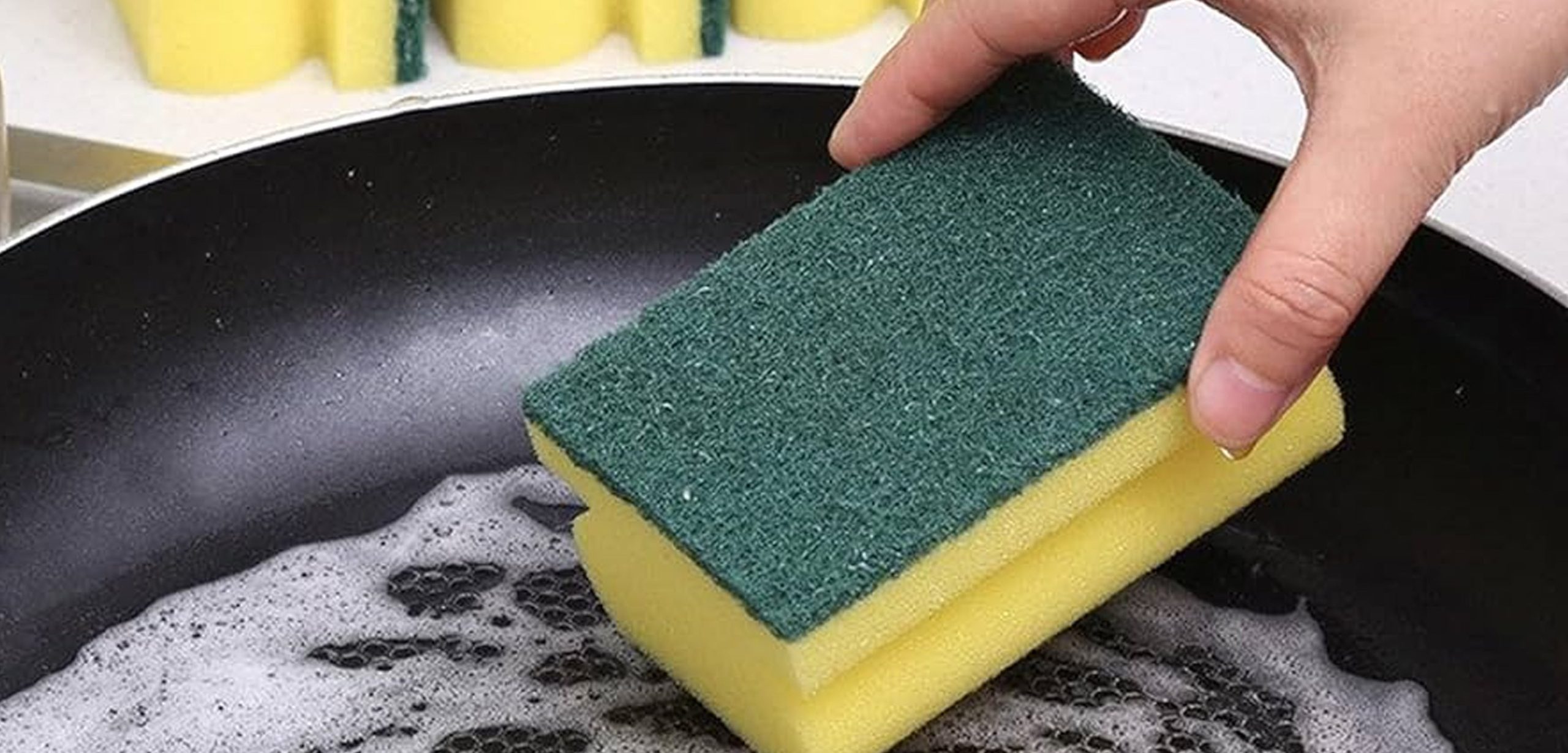
Have you ever stopped to think about what goes into making the kitchen sponge you use every day? It’s easy to take this simple tool for granted, but the story behind how kitchen sponges are made is surprisingly interesting.
Understanding the process can change the way you see something so common in your home. If you’ve ever wondered what makes a sponge so effective at cleaning, or why some last longer than others, keep reading. This article will reveal the secrets behind your kitchen sponge and why it’s designed the way it is—giving you a fresh appreciation every time you reach for one.

Credit: www.airnex.store
Raw Materials Used
Understanding the raw materials used in making kitchen sponges helps you appreciate what goes into these everyday tools. The choice of materials directly affects the sponge's durability, texture, and cleaning power. Let’s break down the two main categories of fibers and the chemical additives involved.
Natural Vs Synthetic Fibers
Natural fibers come from plants or animals and include materials like cellulose, which is derived from wood pulp. Cellulose sponges are biodegradable and gentle on surfaces, making them a favorite for those seeking eco-friendly options. However, they tend to wear out faster compared to synthetic ones.
Synthetic fibers, such as polyurethane foam or polyester, are man-made through chemical processes. These fibers are designed to be durable, resistant to water absorption, and often include abrasive textures to tackle tough stains. Have you noticed how some sponges last much longer and scrub harder? That’s usually thanks to synthetic materials.
- Natural fibers:biodegradable, soft, less durable
- Synthetic fibers:long-lasting, water-resistant, often abrasive
Chemical Additives
Chemicals play a crucial role in enhancing sponge performance. Antimicrobial agents are commonly added to prevent bacteria buildup, which keeps your sponge fresher and safer to use. These additives can significantly reduce unpleasant odors and extend the sponge’s usability.
Other chemicals help improve texture and durability. For example, binders hold the fibers together tightly, while softeners make the sponge more flexible. Understanding these additives can help you choose a sponge that fits your cleaning needs and health concerns.
Have you ever wondered why some sponges smell bad quickly while others don’t? The presence or absence of these chemical additives makes all the difference.

Credit: www.airnex.store
Manufacturing Techniques
The making of kitchen sponges involves precise manufacturing techniques that transform raw materials into the soft, absorbent tools you use daily. These techniques focus on creating the perfect texture and durability while ensuring the sponge is safe and effective for cleaning. Understanding how sponges are made gives you a new appreciation for this everyday essential.
Foaming Process
The journey begins with the foaming process, where liquid chemicals mix to form a frothy substance. This mixture usually contains polyurethane or cellulose, which are the base materials for most sponges. The foaming action creates countless tiny bubbles, giving the sponge its porous structure.
Controlling the size and distribution of these bubbles is crucial. Smaller, evenly spread bubbles mean the sponge can absorb more water and clean better. Have you noticed how some sponges feel denser than others? That's a direct result of this foaming control.
Curing And Shaping
Once the foam is ready, it needs to be solidified. This happens during the curing phase, where heat or chemicals harden the foam while keeping its softness intact. The curing time affects the sponge’s strength and flexibility—too little, and the sponge may fall apart; too much, and it becomes stiff.
After curing, the sponges are cut and shaped into their final forms. This step often includes adding abrasive layers or special coatings. Think about the scrubbing side of your kitchen sponge—that’s added during shaping to enhance cleaning power without damaging surfaces.
Texturing And Finishing
Kitchen sponges get their texture through a special process that creates tiny holes for better cleaning. Finishing touches make them soft, durable, and ready for daily use. These steps ensure sponges work well and last longer.
The journey of a kitchen sponge from raw materials to the finished product is fascinating, especially during the texturing and finishing stages. These steps are crucial in determining how effective and user-friendly your sponge will be in daily kitchen tasks. The right texture and finish can make all the difference in how a sponge feels in your hand and how well it cleans dishes.
Surface Treatment
Surface treatment is all about giving sponges their scrubbing power. Manufacturers often use chemicals to create a rough texture on one side of the sponge. This process helps the sponge tackle stubborn stains and grime without damaging your cookware. Sometimes, a heat treatment is applied to achieve the desired texture. This ensures that the abrasive side is effective yet gentle. Have you ever noticed how some sponges have a softer feel while others are more rugged? That’s all thanks to this intricate surface treatment process.
Coloring Methods
Coloring is more than just making sponges aesthetically pleasing. It's also a practical way to categorize them for specific uses. For example, you might use a green sponge for everyday cleaning and a blue one for tougher jobs. Dyes are added during the manufacturing process to achieve vibrant colors. Interestingly, the color can also indicate the type of material used or the level of abrasiveness. Next time you pick a sponge, consider what its color might tell you about its intended use.
Quality Control Checks
Quality control checks are essential to make sure kitchen sponges meet the high standards you expect. These checks help catch any defects early, so the sponges perform well and last longer. Without thorough testing, you might end up with sponges that fall apart or even cause safety issues.
Durability Testing
Durability testing measures how well a kitchen sponge holds up under regular use. Manufacturers often simulate daily scrubbing and rinsing to see if the sponge maintains its shape and texture. Some tests include:
- Repeated scrubbing on rough surfaces to check wear and tear
- Exposure to water and cleaning chemicals to observe breakdown
- Compression tests to evaluate how the sponge springs back
Have you ever noticed a sponge disintegrating after just a week? That’s exactly what durability testing tries to prevent. By ensuring your sponge can survive tough cleaning jobs, these tests protect your investment.
Safety Standards
Safety checks are just as important as durability. Kitchen sponges often come into contact with food particles, so they must be free from harmful chemicals. Manufacturers verify that materials are non-toxic and safe for food-related use.
Additionally, sponges are tested for bacterial resistance to reduce the risk of contamination. Some common safety checks include:
- Testing for harmful substances like BPA or phthalates
- Ensuring the sponge doesn’t release fibers or particles during use
- Checking for antimicrobial properties to keep bacteria growth in check
Imagine using a sponge that introduces chemicals into your food — would you feel safe? Safety standards help you avoid such risks by guaranteeing the sponge is as clean and harmless as possible.
Environmental Impact
The environmental impact of kitchen sponges is often overlooked despite their widespread use. Many sponges are made from synthetic materials that do not break down easily, leading to waste buildup. Understanding how these sponges affect the planet can help you make better choices in your kitchen.
Biodegradability
Most traditional kitchen sponges are made from plastic-based materials like polyurethane, which can take hundreds of years to decompose. This means they often end up in landfills or oceans, contributing to pollution.
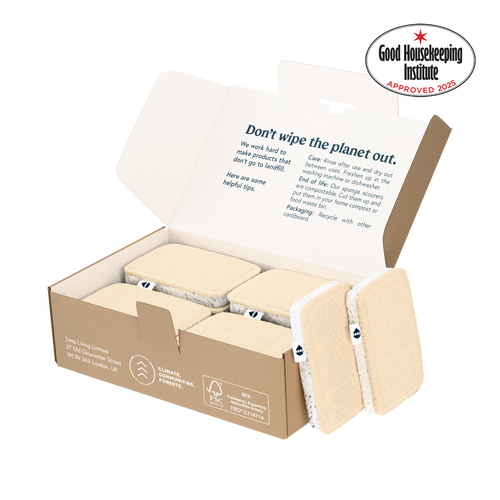
However, some companies now offer biodegradable sponges made from natural materials such as cellulose or coconut fibers. These break down much faster and reduce environmental harm. Have you ever tried switching to a biodegradable sponge? It might feel different, but it’s a small change that can make a big difference.
Recycling Options
Recycling kitchen sponges is tricky because they often contain a mix of synthetic fibers and foams. Most local recycling programs do not accept them, so they usually end up in the trash.
Some specialized programs and companies now accept used sponges for recycling or repurposing. They might turn old sponges into cleaning blocks or other materials. Checking if such options exist near you can help reduce your kitchen waste footprint.
Have you considered how your sponge disposal habits affect the environment? Small adjustments, like choosing recyclable or biodegradable options, can reduce your impact while keeping your kitchen clean.
Credit: theseepcompany.com
Frequently Asked Questions
What Materials Are Used To Make Kitchen Sponges?
Kitchen sponges are mainly made from cellulose, polyurethane foam, or synthetic fibers. Cellulose sponges come from wood pulp, offering natural absorbency. Polyurethane sponges are made from plastic polymers, providing durability. Some sponges combine both for better cleaning and longevity.
How Is Cellulose Sponge Production Done?
Cellulose sponge production starts with wood pulp being processed into a thick slurry. This slurry is molded and dried to form a porous, absorbent sponge. The process includes pressing, drying, and cutting into desired shapes, creating a biodegradable, eco-friendly kitchen sponge.
Why Are Synthetic Sponges Popular For Kitchens?
Synthetic sponges are popular because they are durable, affordable, and resistant to bacteria. They maintain shape after multiple uses and dry quickly. Their porous structure helps remove tough grime efficiently, making them a reliable choice for everyday kitchen cleaning tasks.
How Do Kitchen Sponges Get Their Texture?
Kitchen sponges get their texture through foam expansion or fiber entanglement. Cellulose sponges have a natural porous texture from wood fibers. Synthetic sponges use chemical foaming agents to create open-cell structures. This texture enhances absorption and scrubbing ability.
Conclusion
Kitchen sponges start as simple materials shaped for daily use. They go through cutting, shaping, and drying steps. This process creates the soft, absorbent texture you know. Understanding how sponges are made helps you appreciate their design. Next time you clean, think about the careful work behind your sponge.
Small details make a big difference in its quality. Now, you know the basic steps behind making kitchen sponges. Simple tools made with care help keep kitchens clean every day.