
Are your kitchen tiles looking outdated or worn out, but the thought of removing them feels overwhelming? You’re not alone.
Many people want a fresh kitchen look without the mess, cost, and hassle of ripping up their existing tiles. What if you could transform your kitchen floor or backsplash quickly, easily, and without any heavy demolition? You’ll discover simple, smart ways to cover your kitchen tiles and give your space a brand-new vibe—without lifting a single tile.
Keep reading, because your kitchen makeover is easier than you think.

Credit: tilestyledecals.wordpress.com
Preparing Your Kitchen Tiles
Preparing your kitchen tiles is the foundation of any successful tile covering project. If you skip this step, you risk poor adhesion, uneven surfaces, or a finish that won’t last. Taking time to properly prepare ensures the new layer sticks well and looks smooth.
Cleaning And Drying Tiles
Start by removing all grease, dirt, and grime from your tiles. Use a strong degreaser or a mixture of warm water and dish soap to scrub the surface thoroughly.
Rinse well to eliminate soap residue and then dry the tiles completely. Moisture trapped under a new covering can cause peeling or mold growth, so make sure your tiles are bone dry before moving forward.
Repairing Cracks And Chips
Examine your tiles carefully for any cracks or chips that could affect the new surface. Small damages might seem harmless, but they can cause bumps or weak spots later.
Fill cracks and chips with a suitable tile filler or epoxy putty. Smooth it out with a putty knife and let it cure according to the product instructions.
After the filler hardens, sand the area lightly to create a flat, even surface. This step helps prevent imperfections from showing through your new covering.
Peel-and-stick Tile Covers
Peel-and-stick tile covers offer a quick and easy way to refresh kitchen tiles. These covers stick directly onto existing tiles. They do not require removing or damaging the original surface. This makes them a popular choice for renters and homeowners who want a fast update. The variety of styles and patterns allows you to customize your kitchen look. Installation is simple and usually does not need professional help.
Choosing The Right Material
Pick a material that fits your kitchen’s needs. Vinyl peel-and-stick covers are water-resistant and easy to clean. They work well in kitchens where moisture is common. Fabric-backed covers offer a textured look but may need more care. Some covers come with a glossy finish for a shiny surface. Matte finishes hide scratches better. Consider the style you want—modern, classic, or rustic. Measure your tile size to get the right dimensions. Avoid covers that are too thin or too thick for your tiles.
Application Tips For Best Results
Clean tiles thoroughly before applying covers. Remove all grease, dirt, and dust for better stickiness. Dry the surface completely. Peel the cover slowly to avoid stretching or tearing. Align it carefully with your tile edges. Press firmly from the center outward to remove air bubbles. Use a plastic card to smooth out wrinkles. Trim excess material with a sharp knife. Allow the adhesive to set for a few hours before using the kitchen. Avoid heavy scrubbing to keep the covers in place longer.
Paint Over Tiles
Covering kitchen tiles without removing them saves time and effort. Clean the tiles well, then use a primer designed for tiles before applying paint. This method refreshes your kitchen look without the mess of demolition.
Painting over kitchen tiles offers a fresh look without the hassle. It's a cost-effective way to refresh your space. This method saves time and avoids the mess of tile removal. With the right paint and tools, your kitchen can look brand new.
Selecting Suitable Paint
Choose paint designed for tiles and high-moisture areas. Epoxy or enamel paints work best for durability. Pick a color that complements your kitchen's theme. Ensure the paint is heat and water-resistant for longevity.
Step-by-step Painting Process
Start with cleaning the tiles thoroughly. Remove grease and dirt using a gentle cleaner. Once clean, dry the tiles completely to avoid paint issues. Next, sand the tiles lightly to roughen the surface. This helps the paint adhere better. Use fine-grit sandpaper for best results. Apply a primer designed for tiles. This step is crucial for a smooth finish. Allow the primer to dry completely before proceeding. Now, paint the tiles using a roller or brush. Apply thin, even coats for a uniform look. Let each coat dry before adding another. Finally, seal the tiles with a clear sealer. This protects the paint from moisture and daily wear. Follow the manufacturer's instructions for application and drying times.
Tile Decals And Stickers
Tile decals and stickers offer a quick way to refresh kitchen tiles without removing them. These thin, adhesive designs stick directly onto your tiles. They cover old patterns or colors, giving your kitchen a new look. Perfect for renters or those avoiding heavy renovation.
Decals are easy to apply and remove. They come in many styles, shapes, and colors. This allows you to customize your kitchen walls without effort or mess. Plus, they resist moisture, making them ideal for kitchen use.
Design Options Available
- Floral patterns to add a soft, natural feel
- Geometric shapes for a modern touch
- Vintage styles to bring classic charm
- Bright colors to energize the space
- Neutral tones for a subtle update
- Customizable decals with your own images or text
These options let you match your kitchen’s style easily. You can mix and match different decals for a unique look.
How To Apply Decals Smoothly
- Clean the tile surface with soap and water
- Dry tiles completely before applying decals
- Peel the backing from the decal carefully
- Position the decal on the tile starting from one edge
- Use a squeegee or credit card to smooth out bubbles
- Press firmly to ensure strong adhesion
- Allow decals to set for a few hours before cleaning
Applying decals slowly helps avoid wrinkles and air pockets. A smooth finish lasts longer and looks better.
Installing Removable Wallpaper
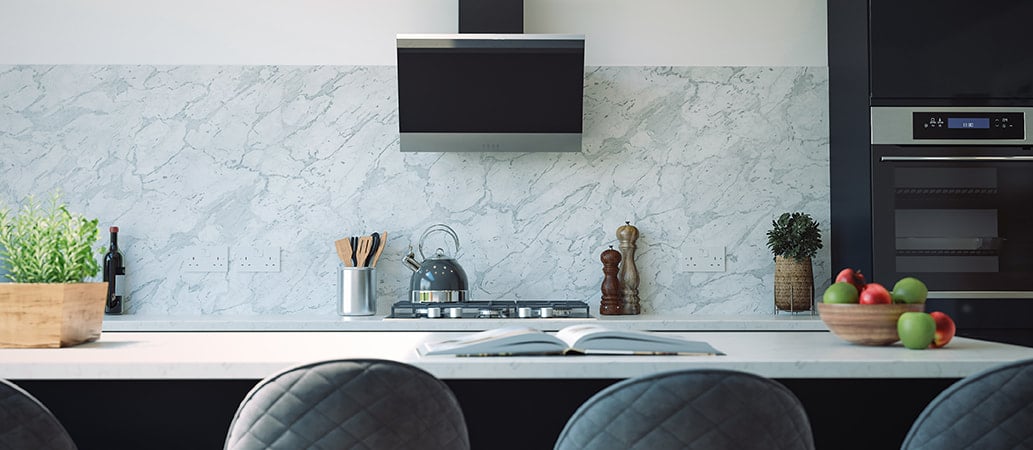
Installing removable wallpaper is a smart way to update kitchen tiles without heavy work. It covers old tiles quickly and adds fresh style. The wallpaper peels off easily when you want a change. This makes it ideal for renters or anyone avoiding a full renovation.
Choosing Kitchen-friendly Wallpaper
Pick wallpaper designed for kitchens. Look for these features:
- Water-resistant or washable surface
- Strong adhesive that won’t peel off easily
- Material that resists stains and grease
- Patterns that hide dirt and marks
Vinyl and fabric-backed wallpapers work well. Choose light colors to brighten the space. Dark patterns can make the kitchen feel smaller.
Preparing And Applying Wallpaper
Start by cleaning the tile surface. Use mild soap and water to remove grease and dirt. Let tiles dry completely before applying wallpaper.
Measure the wall area to cut wallpaper strips accurately. Align patterns carefully for a smooth look. Peel the backing slowly and press wallpaper firmly onto tiles.
- Use a squeegee or flat tool to remove air bubbles
- Trim edges with a sharp blade for neat lines
- Allow wallpaper to set for a few hours before using the kitchen
Removing wallpaper is simple. Gently peel it off without damaging tiles underneath.
Credit: www.nationalplastics.co.uk
Using Fabric Or Mesh Covers
Using fabric or mesh covers offers a simple way to refresh kitchen tiles without removing them. These covers can hide old tiles and add texture or color. They also allow for easy cleaning and maintenance. Choosing the right fabric and securing it well ensures a lasting and attractive finish. This approach is budget-friendly and less time-consuming than tile replacement.
Picking Durable Fabrics
Select fabrics designed for high moisture and frequent cleaning. Look for:
- Water-resistant materials like polyester or vinyl
- Thick weaves that resist tearing
- Easy-to-wipe surfaces to prevent stains
- Neutral or vibrant colors depending on style
Mesh covers offer breathability and a modern look. They work well in humid kitchens. Check fabric labels for durability and care instructions.
Securing Fabric To Tiles
Attach fabric firmly to avoid sagging or peeling. Use these techniques:
- Double-sided adhesive tape made for walls
- Command strips to avoid tile damage
- Staples or small nails if tiles allow
- Fabric glue for permanent hold
Ensure the surface is clean and dry before attaching fabric. Stretch fabric slightly for a smooth finish. Regularly check and adjust any loose areas.
Temporary Paneling Solutions
Temporary paneling solutions offer a smart way to refresh your kitchen’s look without the hassle of removing existing tiles. These panels can be installed directly over your tiles, saving time and avoiding damage to the walls. They give you the flexibility to update your space quickly and even change the design again later if you want.
Types Of Panels To Use
You have several options when choosing panels to cover kitchen tiles temporarily. Vinyl panels are popular because they are waterproof, easy to clean, and come in many colors and patterns. Another great choice is PVC wall panels, which are lightweight and simple to cut to size.
For a more natural look, consider using peel-and-stick wood veneer panels. These add warmth and texture without the weight or permanence of real wood. Magnetic panels also exist, allowing you to attach and remove decorative sheets with ease—perfect if you want to change styles often.
Installation Techniques Without Damage
Installing panels without harming your tiles requires careful selection of adhesives and mounting methods. Use removable double-sided tape or Command strips designed for heavier loads to secure panels safely. These options hold the panels firmly but peel off cleanly when you’re ready to remove them.
Another approach is to use tension rods or adjustable frame systems that press panels against the wall without glue. This prevents any residue or tile damage. Before applying any adhesive, test a small hidden area to ensure it won’t pull off paint or tile finish.
Have you ever tried covering tiles only to find the removal ruined the surface? Temporary panels avoid that problem and let you enjoy a fresh kitchen look without long-term commitment.

Credit: carlaaston.com
Maintaining Your Covered Tiles
Maintaining your covered kitchen tiles is key to keeping your space looking fresh and clean without the hassle of removing the original tiles. Proper care extends the life of your covers and keeps your kitchen inviting. Paying attention to how you clean and when you replace these covers can save you time and money.
Cleaning Tips For Different Covers
Different types of tile covers need different cleaning approaches to avoid damage. Vinyl or peel-and-stick covers usually clean well with a soft cloth and mild soap. Avoid abrasive sponges or harsh chemicals that can scratch or peel the surface.
For tile paint or epoxy coatings, use gentle, non-abrasive cleaners to prevent dulling the finish. A microfiber cloth and warm water often do the trick for daily cleaning. If you notice stubborn stains, try a baking soda paste applied gently and rinsed off quickly.
Laminates or snap-on panels require wiping with a damp cloth and a mild detergent. Be careful around the edges to prevent moisture from seeping underneath and causing peeling.
When To Replace Or Refresh Covers
Check your tile covers regularly for signs of wear such as peeling, fading, or cracking. These issues not only affect appearance but can also trap dirt and bacteria. If you spot these problems, it might be time to refresh or replace the covers.
Consider refreshing your covers if the kitchen’s style changes or if the current covers no longer match your decor. Sometimes a fresh coat of tile paint or new peel-and-stick tiles can give your kitchen a whole new vibe without the need for a full renovation.
Ask yourself: Are your covered tiles still easy to clean, or are they starting to trap grime? This question helps decide whether maintenance is enough or replacement is needed. Keeping an eye on these details ensures your kitchen stays both beautiful and functional.
Frequently Asked Questions
How Can I Cover Kitchen Tiles Without Removing Them?
You can use peel-and-stick vinyl tiles, tile paint, or adhesive laminate sheets. These options are easy and cost-effective. They provide a fresh look without the mess of removal. Ensure the surface is clean and dry before application for best results.
Are Peel-and-stick Tiles Durable For Kitchen Use?
Yes, peel-and-stick tiles are durable and water-resistant. They withstand kitchen spills and heat well. Choose high-quality brands for longer-lasting results. Proper installation also enhances their durability and appearance in your kitchen.
Can I Paint Over Existing Kitchen Tiles?
Yes, you can paint kitchen tiles with specialized tile paint. Clean and prime tiles before painting. Use a paint designed for high moisture areas to ensure adhesion. This method refreshes your kitchen without removing the tiles.
What Is The Easiest Method To Cover Kitchen Tiles?
Peel-and-stick vinyl tiles are the easiest and quickest method. They require no grout or special tools. Simply clean the tiles, peel the backing, and stick them on. This method is ideal for DIY beginners.
Conclusion
Covering kitchen tiles without removing them saves time and effort. You can choose peel-and-stick tiles, vinyl sheets, or paint for a fresh look. These options work well and are easy to apply. They protect your old tiles and update your kitchen style.
Small changes can make a big difference. Try these ideas to refresh your kitchen today. Enjoy a new look without a full renovation. Simple solutions often bring great results.