
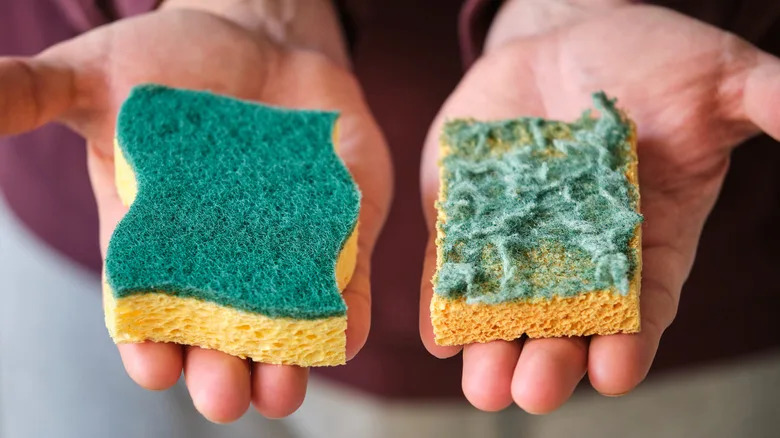
Have you ever stopped to think about how dirty your kitchen sponge really is? You use it every day to clean dishes, wipe counters, and tackle spills, but what if it’s actually spreading germs instead of fighting them?
Your kitchen sponge can be a hidden hotspot for harmful bacteria that could affect your health. Keep reading to discover the surprising truth about your sponge and learn simple steps to keep your kitchen cleaner and safer. You won’t want to miss this!
Kitchen Sponge Germ Hotspots
Kitchen sponges are notorious for being germ hotspots. Despite their small size, they create the perfect environment for bacteria to thrive. Moisture, food particles, and warmth combine to turn your everyday sponge into a breeding ground for germs.
Common Bacteria Found
Several harmful bacteria commonly live in kitchen sponges. Escherichia coli (E. coli)and Salmonellaare frequent offenders, both linked to food poisoning. Staphylococcus aureuscan also be present, causing infections if it comes into contact with cuts or wounds.
These bacteria multiply quickly because sponges stay damp and often contain tiny food residues. You might be surprised to learn that some sponges can harbor more bacteria than a toilet seat. Have you ever thought about what you’re spreading around your kitchen when you wipe surfaces with a dirty sponge?
Sources Of Contamination
Your sponge picks up germs from several everyday activities. Cleaning raw meat juices, wiping countertops, and even washing dishes with food scraps all add to the contamination. Sponges absorb these particles and hold onto them between uses.
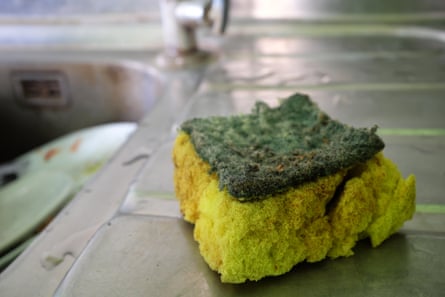
Leaving your sponge in a wet sink or a closed container only makes things worse by keeping it moist. I once noticed a strong odor from my sponge and realized it hadn’t dried properly. That smell was a clear sign of bacterial growth, showing how important it is to let your sponge dry thoroughly.
- Handling raw meats without changing or sanitizing the sponge
- Using the same sponge on multiple surfaces
- Storing sponges in damp, enclosed places
- Not replacing sponges frequently enough
Are you ready to rethink how you clean and store your kitchen sponge to keep those germs under control?
/shethepeople/media/media_files/2025/07/21/dirty-kitchen-sponge-bacteria-2025-07-21-10-28-05.jpg)
Credit: www.shethepeople.tv
Health Risks From Dirty Sponges
Kitchen sponges are breeding grounds for bacteria. They soak up food particles and moisture. This creates the perfect environment for germs to multiply. Understanding the health risks linked to dirty sponges is crucial. They can lead to serious health issues.
Foodborne Illnesses Linked
Dirty sponges spread foodborne illnesses. Bacteria like E. coli and Salmonella thrive in them. These bacteria can cause stomach pain and diarrhea. In severe cases, they lead to hospitalization. Washing sponges doesn't always kill these germs. They often survive and continue to grow.
Cross-contamination Dangers
Cross-contamination is a big risk with dirty sponges. They transfer germs from one surface to another. This means bacteria from raw meat can end up on your cutting board. Even clean dishes can become contaminated. This increases the chance of getting sick. It's important to minimize this risk by keeping sponges clean.
Factors That Make Sponges Dirty Fast
Kitchen sponges get dirty faster than you might expect. Certain factors create the perfect environment for bacteria and grime to multiply quickly. Understanding these factors helps you keep your sponge cleaner and your kitchen safer.
Moisture And Warmth Effects
Sponges are almost always wet or damp, and this moisture is a magnet for bacteria. Warmth from your kitchen environment speeds up bacterial growth, turning your sponge into a breeding ground.
Think about how you leave your sponge on the sink. It stays wet for hours, creating a cozy home for germs. The combination of moisture and warmth is like a fast track to dirtiness.
Frequency Of Use Impact
Using your sponge multiple times a day increases how quickly it gets dirty. Each use picks up food particles, grease, and bacteria, which build up inside the sponge.
Imagine wiping different surfaces without rinsing properly in between. That sponge becomes a transfer tool for all sorts of germs. How often do you change or clean your sponge?
Testing Sponge Cleanliness
Testing the cleanliness of your kitchen sponge reveals surprising insights about the germs lurking in your daily routine. Many people assume a sponge is just a simple cleaning tool, but it can harbor a large number of bacteria if not maintained properly. Understanding how to test its cleanliness helps you take better care of your kitchen hygiene.
Diy Methods At Home
You can check your sponge’s cleanliness without fancy equipment. One easy way is to perform a smell test; a strong, unpleasant odor often signals bacterial growth. Another approach is the water test—squeeze the sponge over a white plate and look for discoloration or slimy residue.
For a more hands-on test, try the paper towel blot test. Press your sponge onto a dry paper towel and check for wet spots or crumbs, which indicate trapped food particles. These simple checks can help you decide if it’s time to clean or replace your sponge.
Laboratory Findings
Scientific studies reveal that kitchen sponges can contain millions of bacteria per square inch. Researchers have found not only harmless bacteria but also potentially dangerous ones like E. coli and Salmonella. This explains why sponges can be a hotspot for cross-contamination.
In lab tests, sponges soaked in bleach or microwaved damp for a minute showed significant bacterial reduction. However, the studies also highlight that sponges quickly re-contaminate after cleaning. This means regular cleaning is essential but not a one-time fix.
Effective Ways To Clean Sponges
Kitchen sponges collect bacteria and food particles quickly. Cleaning them often helps keep your kitchen safe. Using simple methods can remove germs effectively. These easy ways restore freshness and reduce odor.
Microwave And Dishwasher Methods
Microwaving a wet sponge kills many germs fast. Make sure the sponge is damp before placing it inside. Heat on high for about one to two minutes. Let it cool before removing to avoid burns.
The dishwasher also cleans sponges well. Place the sponge on the top rack. Run a regular hot cycle with detergent. The heat and water spray kill bacteria and rinse dirt away.
Using Vinegar And Bleach
Vinegar is a natural cleaner that fights bacteria. Soak the sponge in a cup of white vinegar for five minutes. Rinse it well with water afterward.
Bleach is a strong disinfectant for tougher cleaning. Mix one tablespoon of bleach with one gallon of water. Soak the sponge for five minutes, then rinse thoroughly. Use bleach carefully to avoid skin irritation.
Credit: www.theguardian.com
Best Practices For Sponge Maintenance
Keeping kitchen sponges clean is key to a healthy kitchen. Sponges can harbor germs fast. Proper care helps reduce bacteria and bad smells. Follow simple steps to maintain sponges well and keep them safe for daily use.
Replacement Frequency
Change kitchen sponges often to avoid germ buildup. Most experts suggest replacing sponges every one to two weeks. Use a fresh sponge if it smells bad or looks worn. Frequent replacement stops germs from spreading on surfaces.
Storage Tips To Reduce Germs
- Rinse the sponge thoroughly after each use.
- Squeeze out all water to keep it dry.
- Store the sponge in a dry spot with good air flow.
- Avoid leaving sponges in the sink or wet areas.
- Consider using a sponge holder with drainage holes.
Dry sponges attract fewer bacteria. Proper storage extends sponge life and keeps your kitchen cleaner.
Alternatives To Traditional Sponges
Traditional kitchen sponges can hold a lot of bacteria. This makes them less safe for cleaning dishes and surfaces. Many people choose alternatives that are easier to clean and last longer. These options help keep your kitchen more hygienic and fresh. Here are two popular choices that can replace traditional sponges.
Silicone Scrubbers
Silicone scrubbers are made from soft, flexible material. They do not absorb water or food particles. This stops bacteria from growing inside them. You can easily rinse and dry silicone scrubbers after use. Many can be cleaned in the dishwasher for extra hygiene. They are gentle on dishes but tough on grime. Silicone scrubbers last longer than regular sponges, saving money over time.
Reusable Cloths
Reusable cloths are a smart alternative to sponges. They can be washed and used many times. Cotton or microfiber cloths work well for scrubbing and wiping. These cloths dry faster, lowering bacteria growth. Use hot water or a washing machine to clean them. Reusable cloths come in various sizes and textures. They are soft on surfaces and reduce kitchen waste.
Credit: eastleighvoice.co.ke
Frequently Asked Questions
How Dirty Are Kitchen Sponges Really?
Kitchen sponges can harbor millions of bacteria, including harmful ones. Their moist and porous nature makes them perfect breeding grounds for germs. Regular use without proper cleaning increases contamination risks. This can lead to cross-contamination and foodborne illnesses.
What Bacteria Commonly Grow On Kitchen Sponges?
Common bacteria on sponges include E. coli, Salmonella, and Staphylococcus. These bacteria thrive in damp, food-soiled environments. They pose health risks if transferred to dishes or surfaces. Proper sponge hygiene is essential to minimize bacterial growth.
How Often Should Kitchen Sponges Be Replaced?
Experts recommend replacing kitchen sponges every 1 to 2 weeks. Frequent replacement prevents bacterial buildup and contamination. If a sponge smells bad or looks worn, replace it immediately. Regular replacement ensures a cleaner and safer kitchen environment.
Can Kitchen Sponges Be Sanitized Effectively?
Yes, kitchen sponges can be sanitized using microwaving, boiling, or dishwasher cycles. Microwaving a damp sponge for 1-2 minutes kills most bacteria. Boiling for 5 minutes or running through a dishwasher cycle also helps. However, sanitizing doesn't remove all germs permanently.
Conclusion
Kitchen sponges can hold many germs and bacteria. They stay wet and warm, making a perfect place for germs to grow. Clean your sponge often or replace it every few weeks. Use hot water or microwave it to kill bacteria.
Keeping your sponge clean helps stop germs from spreading in your kitchen. A clean sponge means a safer and healthier home. Don’t forget—small habits make a big difference in kitchen hygiene.