
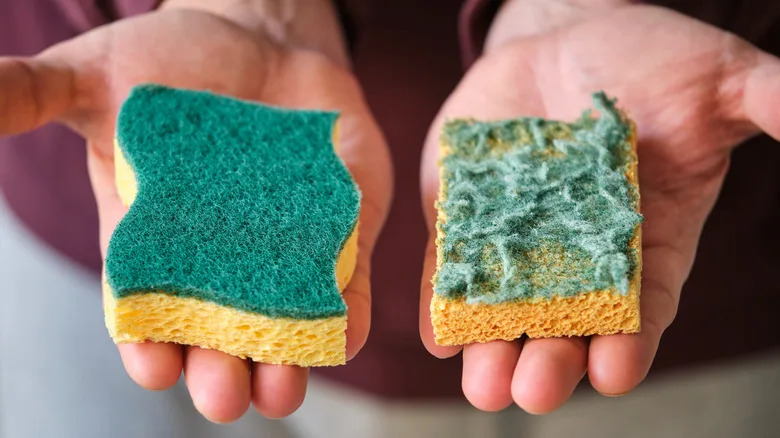
Have you ever stopped to think about what’s hiding on your kitchen sponge? You use it every day to clean your dishes, counters, and sometimes even fruits and vegetables.
But what if the very thing you trust to keep your kitchen clean is actually full of germs and bacteria? Understanding just how dirty your kitchen sponge can get might change the way you clean forever. Keep reading, and you’ll discover shocking facts about your sponge that could protect your health and keep your kitchen truly safe.
Kitchen Sponge Germ Hotspot
Your kitchen sponge might seem harmless, but it’s actually a hotspot for germs. Every time you use it to clean, it picks up bacteria and other microbes. These tiny invaders love the sponge’s warm, damp environment, turning it into a breeding ground for germs.
Common Bacteria Found
Sponges can carry a surprising variety of bacteria. Some common offenders include:
- Escherichia coli (E. coli):Often linked to food poisoning and stomach infections.
- Salmonella:Known for causing serious digestive issues.
- Staphylococcus aureus:Can lead to skin infections and food contamination.
- Campylobacter:Another cause of foodborne illness.
These bacteria thrive because your sponge stays moist and traps food particles. It’s like a tiny petri dish hiding right on your countertop.
Why Sponges Harbor Germs
Think about what you’re cleaning with your sponge: raw meat juices, vegetable scraps, and dirty dishes. All these provide plenty of nutrients for bacteria to grow.
Sponges stay wet for long periods, creating the perfect environment for germs to multiply quickly. Without proper drying or regular sanitizing, your sponge becomes a germ incubator.
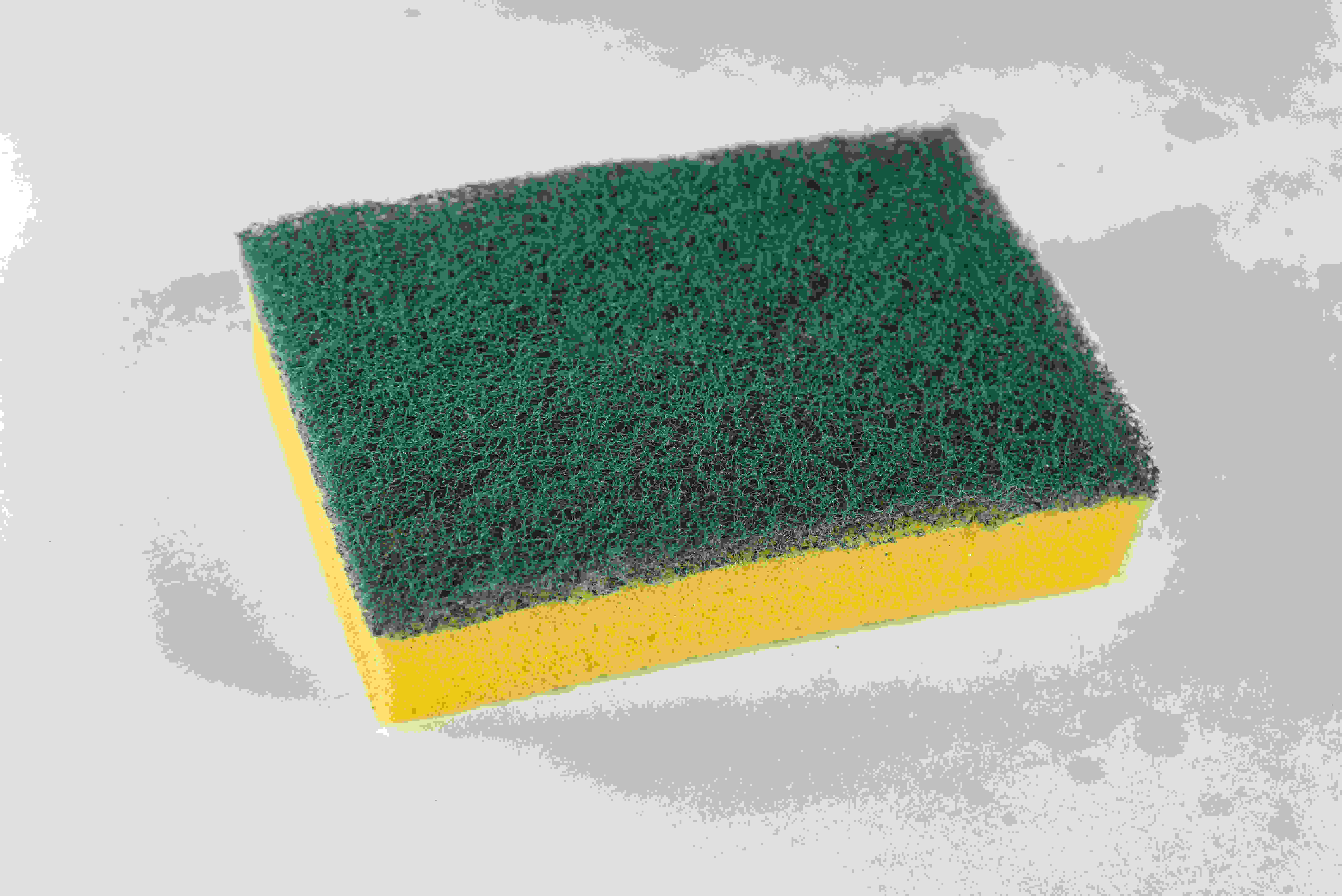
Have you ever noticed a bad smell from your sponge? That’s bacteria at work. It’s a sign that your sponge needs to be replaced or cleaned thoroughly.
Credit: eastleighvoice.co.ke
Health Risks Linked To Sponges
Kitchen sponges look harmless but can hide many germs. These germs pose serious health risks. They thrive in moist, warm environments like sponges. Using a dirty sponge spreads bacteria and viruses easily. This can lead to many health problems in your home.
Foodborne Illnesses
Sponges can carry bacteria like Salmonella and E. coli. These bacteria cause food poisoning and stomach infections. When you clean dishes with a dirty sponge, bacteria move to your food. Even small amounts of bacteria can cause sickness.
Symptoms include stomach cramps, diarrhea, and vomiting. Young children, elderly, and weak immune systems suffer most. Sponges can spread these germs quickly in a busy kitchen.
Cross-contamination Dangers
Sponges pick up germs from raw meat, vegetables, and dirty dishes. These germs transfer to other surfaces and foods. This process is called cross-contamination. It spreads harmful bacteria beyond the original source.
Using the same sponge for different tasks increases risk. For example, wiping raw chicken juice then cleaning a cutting board. This can contaminate ready-to-eat foods and cause illness.
Cross-contamination affects the whole kitchen. It makes cleaning less effective and unsafe. Proper sponge care and replacement reduce these dangers.
Factors Increasing Sponge Contamination
Kitchen sponges trap food particles and moisture, creating a perfect place for bacteria to grow. Frequent use without proper cleaning increases contamination levels quickly. Warm, wet environments inside the sponge also help germs multiply fast.
Kitchen sponges are notorious for harboring bacteria. Many factors contribute to this contamination. Understanding these factors can help maintain a cleaner kitchen.
Moisture And Warmth Effects
Sponges often stay damp after use. This creates a breeding ground for bacteria. Warm environments accelerate bacterial growth. Kitchens provide both warmth and moisture. Sponges left in sinks remain wet longer. This increases contamination risk. Keeping sponges dry can reduce this risk.
Improper Cleaning Habits
Many people neglect proper sponge care. Simply rinsing a sponge isn't enough. Regular cleaning and sanitizing are crucial. Sponges should be cleaned daily. Microwave them for a minute to kill germs. Alternatively, run them through the dishwasher. Replace sponges every week or two. Frequent replacement limits bacterial buildup.
/shethepeople/media/media_files/2025/07/21/dirty-kitchen-sponge-bacteria-2025-07-21-10-28-05.jpg)
Credit: www.shethepeople.tv
Signs Your Sponge Is Too Dirty
Recognizing the signs that your kitchen sponge is too dirty is essential for maintaining a healthy cooking environment. Many people underestimate how quickly a sponge can harbor bacteria and germs. Paying attention to these warning signs helps you decide when it’s time to replace or thoroughly clean your sponge.
Visual Indicators
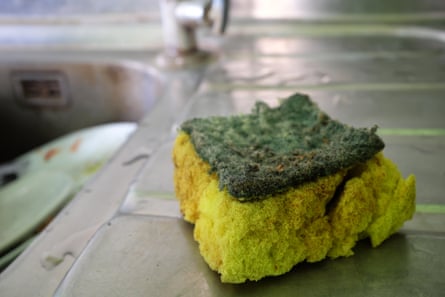
One of the easiest ways to tell if your sponge is too dirty is by looking at it closely. If you notice discoloration, such as dark spots or stains that won’t come off, it’s a clear red flag. Pieces of the sponge breaking apart or fraying edges also suggest it’s past its prime.
Sometimes, mold or mildew can appear as fuzzy patches on the sponge surface. Have you ever found tiny black or green specks growing on your sponge? These are signs that bacteria have taken over, and it’s time to toss it out.
Smell And Texture Changes
A foul or sour odor coming from your sponge is a strong indicator it’s too dirty. Even if it looks fine, that unpleasant smell means bacteria have multiplied inside. Trust your nose—if it smells off, don’t risk using it.
The texture can also change when your sponge gets too dirty. It may feel slimy, sticky, or unusually hard instead of soft and absorbent. Have you noticed your sponge feels strange after a few days? That’s a sign it’s holding onto grime and germs.
Effective Sponge Cleaning Methods
Keeping your kitchen sponge clean is crucial because it harbors a surprising amount of bacteria. Regular cleaning not only extends the life of your sponge but also protects your health. Here are some effective ways to sanitize your sponge, using tools and techniques you likely already have at home.
Microwave Sanitizing
Microwaving your sponge is a quick way to kill most bacteria. First, soak the sponge in water—never microwave a dry sponge as it can catch fire. Then, heat it in the microwave on high for about one to two minutes.
Be careful when removing the sponge; it will be hot. This method works well if you remember to do it daily or every other day. Have you tried this and noticed your sponge lasts longer?
Dishwasher Cleaning
Running your sponge through the dishwasher can also disinfect it effectively. Place the sponge on the top rack and use the heated dry cycle if available. This exposes the sponge to high temperatures and dishwasher detergent, which helps kill germs.
This method is effortless because it fits into your regular dishwashing routine. If you have a dishwasher, why not add your sponge to the load occasionally?
Boiling Techniques
Boiling your sponge is another reliable method to sanitize it. Simply drop your sponge into boiling water for about five minutes. This high heat kills bacteria and removes odors.
Be cautious when handling the hot sponge. Boiling is a simple way to deep clean without special equipment, making it perfect if you want a thorough refresh every week or so.
How Often To Replace Kitchen Sponges
Kitchen sponges are known to harbor a surprising amount of bacteria, making their replacement schedule crucial for maintaining a clean and safe kitchen environment. Knowing how often to swap out your sponge can prevent the spread of germs and keep your dishes truly clean. But how do you decide the right timing for a replacement?
Recommended Replacement Frequency
Experts suggest replacing your kitchen sponge every 1 to 2 weeks. This timeframe helps limit the buildup of harmful bacteria that thrive in damp, porous environments.
If you use your sponge multiple times daily, especially for cleaning raw meat juices or other high-risk areas, consider changing it more often. Some people find that microwaving or boiling their sponges daily can extend their usability slightly, but this is not a foolproof method.
Ask yourself: is your sponge starting to smell or look worn? These are clear signs it’s time for a new one. Regularly changing your sponge can prevent cross-contamination and keep your kitchen healthier.
Alternatives To Traditional Sponges
If you’re concerned about how often you need to replace sponges, you might want to explore other cleaning tools. Silicone scrubbers, for example, don’t absorb moisture and dry quickly, making them less hospitable to bacteria.
Brushes with replaceable heads are another practical option. They dry faster and can be sanitized more easily compared to traditional sponges.
Cloth towels or microfiber cloths can also work well for many cleaning tasks. They can be washed frequently in hot water, reducing bacterial buildup.
Have you tried switching your cleaning tool? You might find that some alternatives last longer and keep your kitchen cleaner with less effort.
Tips To Keep Your Sponge Cleaner Longer
Kitchen sponges can harbor many germs and bacteria. Keeping them cleaner for longer helps reduce health risks. Simple habits make a big difference in sponge hygiene. Follow practical tips to extend your sponge’s cleanliness and usability.
Drying And Storage Practices
Dry sponges quickly after use to stop bacteria growth. Store sponges in a place with good air flow. Avoid leaving sponges in a wet sink or closed containers. Squeeze out excess water before putting the sponge away. Use a sponge holder that allows water to drain. Change sponges regularly to maintain a clean kitchen.
Using Antibacterial Products
Use antibacterial soap to wash your sponge daily. Soak sponges in a mixture of water and vinegar for 5 minutes. Microwave wet sponges for one to two minutes to kill germs. Use a diluted bleach solution to disinfect sponges weekly. Avoid harsh chemicals that can damage the sponge fibers. Antibacterial products reduce bacteria but do not replace regular cleaning.
Credit: www.theguardian.com
Frequently Asked Questions
How Dirty Is A Kitchen Sponge Really?
A kitchen sponge can harbor millions of bacteria, including harmful ones. It traps food particles and moisture, creating an ideal environment for germs to multiply rapidly.
Why Do Kitchen Sponges Smell Bad?
Bad odors come from bacteria and mold growing inside the sponge. When wet, sponges provide moisture and warmth, promoting microbial growth and unpleasant smells.
How Often Should I Replace My Kitchen Sponge?
Replace your kitchen sponge every 1 to 2 weeks. Frequent replacement prevents bacteria buildup and reduces the risk of cross-contamination in your kitchen.
Can Kitchen Sponges Spread Illness?
Yes, dirty sponges can transfer harmful bacteria to surfaces and food. This increases the risk of foodborne illnesses if not cleaned or replaced regularly.
Conclusion
Kitchen sponges hold many germs and bacteria. They stay wet and warm, which helps germs grow. Clean your sponge often or replace it regularly. Use soap and hot water or microwave it safely. A clean sponge helps keep your kitchen safe.
Small steps make a big difference in hygiene. Don’t let a dirty sponge spread germs to your dishes. Stay mindful and keep your kitchen healthy. Simple care protects your family from illness.