

Have you ever wondered what happens to your kitchen scraps after you toss them in the trash? Instead of letting food waste pile up and harm the environment, you can turn those scraps into something valuable—nutrient-rich compost for your garden.
Composting kitchen scraps is easier than you might think, and it can save you money while helping the planet. You’ll discover simple steps to start composting at home, tips to avoid common mistakes, and how to make the most out of your kitchen waste.
Ready to transform your scraps into black gold? Let’s dive in!

Credit: www.bamboozlehome.com
Benefits Of Composting Kitchen Scraps
Composting kitchen scraps offers many benefits for your home and the environment. It turns food waste into valuable material. This process helps reduce trash and supports healthy gardens. Composting also plays a part in fighting climate change.
Reducing Household Waste
Composting cuts down the amount of garbage you throw away. Food scraps make up a large part of household waste. By composting, you keep these scraps out of landfills. This reduces the pressure on local waste systems. Less waste means less trash pickup and fewer landfill problems.
Enriching Garden Soil
Compost adds nutrients back into your garden soil. It improves soil texture and water retention. Plants grow stronger with compost-rich soil. Using compost reduces the need for chemical fertilizers. This creates a natural, healthy environment for plants and flowers.
Lowering Carbon Footprint
Composting lowers greenhouse gas emissions from food waste. When scraps decay in landfills, they release methane gas. Methane is a powerful gas that harms the climate. Composting breaks down scraps safely, releasing less harmful gases. This simple step helps reduce your home's carbon footprint.
Choosing The Right Composting Method
Choosing the right composting method can make your kitchen scrap recycling both efficient and enjoyable. Each method fits different lifestyles, space limitations, and commitment levels. Understanding these options helps you pick the one that works best for your home and habits.
Indoor Composting Options
Indoor composting is perfect if you don’t have outdoor space or want a quick way to manage scraps. You can use small compost bins or countertop composters that control odors and fit neatly in your kitchen. These systems often use carbon filters or sealed lids, making it easy to compost without any mess.
Consider how much waste you produce daily. If it’s just a few peels and coffee grounds, a small bin will do. You can even turn scraps into compost tea by adding water and stirring regularly to speed up decomposition.
Outdoor Composting Bins
If you have a garden or backyard, outdoor bins offer a great way to handle larger amounts of kitchen scraps along with yard waste. These bins come in various sizes and materials like plastic or metal, and some have features like tumblers for easier mixing.
Outdoor composting relies on natural heat and microbes to break down material. To keep the process smooth, balance green materials (like vegetable scraps) with brown materials (like dry leaves or paper). Have you checked if your local climate supports year-round composting, or will you need to adjust your approach in colder months?
Vermicomposting With Worms
Vermicomposting uses worms to quickly turn kitchen scraps into nutrient-rich compost. It’s ideal for small spaces and produces compost faster than traditional methods. Plus, worms help reduce odors and break down food scraps efficiently.
Setting up a worm bin requires some effort upfront, like getting red wigglers and maintaining moisture levels. But once established, it’s a low-maintenance system that can sit right under your kitchen sink or on a balcony. Have you ever thought about how worms can transform your food waste into garden gold?
Kitchen Scraps That Compost Well
Composting kitchen scraps is an easy way to reduce waste. It turns waste into rich soil for your garden. Not all kitchen scraps are suitable for composting. Some break down better than others. Let's explore the best kitchen scraps for composting.
Vegetable And Fruit Peels
Vegetable and fruit peels decompose quickly. They add nutrients to your compost. Banana peels, apple cores, and potato skins are excellent choices. These scraps are rich in nitrogen and help create healthy compost. Chop them into smaller pieces. This speeds up the decomposition process.
Coffee Grounds And Tea Bags
Coffee grounds are rich in nitrogen. They add valuable nutrients to compost. They also improve the soil structure. Used tea bags are also a good addition. Make sure the tea bag material is compostable. Check for bags made from natural fibers. These items help balance compost acidity.
Eggshells And Bread
Eggshells add calcium to your compost. Calcium is important for plant growth. Crush the eggshells before adding them. This helps them break down faster. Bread can also be composted. Make sure it's mold-free. Bread provides a good carbon source for the compost. Break it into small pieces to speed up decomposition.
Items To Avoid Composting
Knowing what not to compost is just as important as knowing what to add. Certain kitchen scraps can cause problems in your compost pile, attracting pests, creating bad odors, or spreading diseases. Avoiding these items helps keep your compost healthy and effective.
Meat And Dairy Products
Meat, bones, and dairy items like cheese or yogurt are best left out of your compost. They decompose slowly and often produce strong smells that attract rodents and unwanted pests. Plus, these products can introduce harmful bacteria into your compost, making it unsafe to use in your garden.
Oils And Greasy Foods
Oils and greasy leftovers from cooking don't break down well in compost. They create a slimy texture that slows the composting process and can also repel water, which your compost needs to stay moist. Have you ever noticed how greasy pizza crusts never seem to disappear in your compost pile? That’s why it’s better to toss these in the trash.
Diseased Or Treated Plants
Adding plants that are sick or treated with pesticides can spread diseases or chemicals through your compost. This risks harming your garden plants later on. If you spot leaves with spots, mold, or unusual discoloration, it’s safer to dispose of them rather than composting.
Step-by-step Composting Process
Composting kitchen scraps is a simple way to reduce waste and create nutrient-rich soil for your garden. The process involves a few key steps that anyone can follow to turn everyday food leftovers into valuable compost. Understanding how to manage your scraps properly ensures faster decomposition and a healthier compost pile.
Collecting And Storing Scraps
Start by gathering your kitchen scraps in a small container with a lid or a compost pail. Keep it on the countertop or under the sink for easy access while cooking. Avoid adding meat, dairy, or oily foods as they can attract pests and slow down the composting process.
Once your container is full, transfer the scraps to your outdoor compost bin or pile. If you don’t have outdoor space, consider a small indoor compost bin with carbon filters to control odor. How often do you think you should empty your kitchen pail to prevent smells and pests?
Balancing Greens And Browns
Compost needs a good mix of green materials (nitrogen-rich) and brown materials (carbon-rich). Kitchen scraps like fruit and vegetable peelings count as greens. Browns include dry leaves, shredded paper, or cardboard.
A good rule is to add two or three parts browns for every one part greens. This balance helps your compost break down faster and reduces bad smells. Have you noticed how a pile with too many greens becomes slimy and smelly?
Turning And Aerating The Pile
Turning your compost pile introduces oxygen, which is essential for the microbes that break down the scraps. Use a garden fork or compost aerator to mix the pile every week or two.
Turning prevents your compost from becoming compacted and helps it decompose evenly. If your pile looks dry on top but wet in the middle, turning can also help distribute moisture more evenly. When did you last turn your pile, and did you notice any difference in the speed of decomposition?
Monitoring Moisture And Temperature
Compost should feel like a wrung-out sponge—damp but not soaking wet. Too much water slows decomposition, while too little stops it.
Check the temperature inside your pile with a compost thermometer. Ideal temperatures range between 130°F and 160°F (54°C to 71°C). This heat kills pathogens and speeds up breakdown. If your compost is too cool, adding more greens and turning the pile can help raise the temperature. What signs do you look for to know your compost is ‘just right’?

Credit: www.youtube.com
Harvesting And Using Finished Compost
Harvesting and using finished compost is a rewarding part of the composting process. It’s the moment when your kitchen scraps transform into rich, dark soil that can boost your garden’s health. Knowing how to identify, apply, and store this valuable resource will help you make the most of your composting efforts.
Identifying Ready Compost
Finished compost looks dark brown or black and has a crumbly texture, similar to soil. It should smell earthy, not rotten or sour. If you still see recognizable scraps or large chunks, your compost needs more time to break down.
Have you noticed that your compost feels warm inside? That heat usually means active decomposition. When the pile cools down completely, it’s often a sign that the process is complete and your compost is ready to use.
Applying Compost In Your Garden
Adding compost to your garden enriches the soil and helps retain moisture. Spread a 1 to 3-inch layer of compost around your plants or mix it gently into the topsoil. This gives your plants nutrients and improves soil texture.
Try using compost as a mulch around vegetables or flowers to reduce weeds and keep roots cool. If you have potted plants, mix compost with potting soil to boost growth. Remember, a little compost goes a long way—too much can overwhelm plants.
Storing Compost For Future Use
If you’re not ready to use your compost right away, store it properly to maintain its quality. Keep it in a covered bin or a breathable bag in a cool, dry place. Avoid sealing it airtight to prevent mold and bad smells.
Storing compost allows you to prepare for seasonal gardening needs. Have you ever saved compost through winter? It can be a great way to ensure your garden has nutrients when spring arrives.
Troubleshooting Common Composting Issues
Composting kitchen scraps is easy but some problems can occur. These issues can stop compost from breaking down or cause bad smells. Knowing how to fix common compost problems helps keep the process smooth. Troubleshooting helps create rich, healthy compost faster.
Dealing With Odors
Bad smells come from too much moisture or wrong materials. Wet scraps like fruit peels can cause a sour smell. Rotten odors mean the compost is too wet or lacks air.
- Turn the compost to add air and reduce moisture.
- Add dry materials like shredded paper or dry leaves.
- Avoid adding meat, dairy, or oily foods which cause odors.
Managing Pests And Rodents
Pests come for food scraps that are not buried well. Rats and flies are common visitors to compost piles.
- Cover scraps with a layer of brown materials like leaves.
- Use a closed compost bin or secure lid to keep pests out.
- Do not add meat, bones, or greasy foods that attract animals.
Fixing Slow Decomposition
Slow compost means the pile is missing heat, air, or food balance. The right mix of green and brown materials speeds up decay.
- Chop scraps into smaller pieces to help microbes work faster.
- Turn the pile often to add oxygen and speed breakdown.
- Add nitrogen-rich greens like vegetable scraps or coffee grounds.
- Add dry browns like leaves or straw to balance moisture.
Tips For Maintaining A Successful Compost
Maintaining a successful compost pile requires attention and care, but it doesn’t have to be overwhelming. With the right habits and simple tricks, you can turn your kitchen scraps into rich soil efficiently. Here are some practical tips to keep your compost healthy and active all year long.
Regular Maintenance Routine
Consistency is key to a thriving compost. Check your pile at least once a week to turn it with a garden fork or shovel. This adds oxygen, which speeds up decomposition and prevents bad smells.
Keep an eye on moisture levels. Your compost should feel like a damp sponge—too wet causes odor, too dry slows down the process. Adding water or dry materials like shredded paper can help balance this.
Using Compost Accelerators
Adding compost accelerators can boost the activity of microbes that break down your scraps. You can buy commercial accelerators or use natural options like finished compost, garden soil, or even a handful of manure.
These additives introduce beneficial bacteria and fungi, helping your pile heat up faster. Have you noticed that some piles compost faster than others? It’s often due to these helpful microbes.
Keeping Compost Balanced Year-round
Maintaining a good mix of green and brown materials is crucial. Greens provide nitrogen, while browns add carbon. A common rule is to add twice as much brown material as greens.
In winter, kitchen scraps can freeze and slow down decomposition. You can keep composting by chopping scraps smaller or using an indoor compost bin. How do you adjust your compost care during colder months?
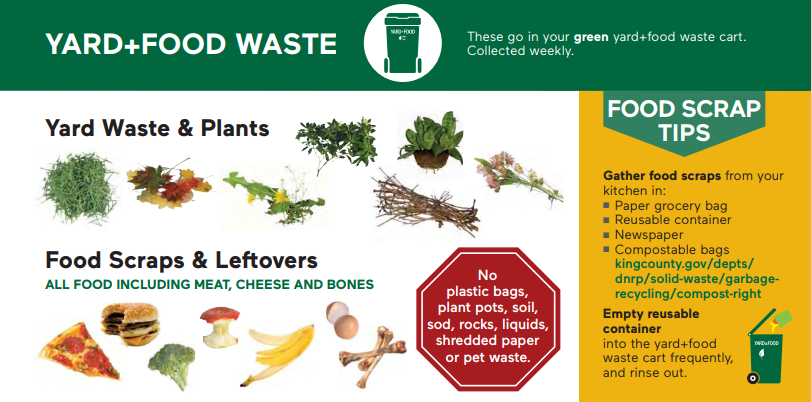
Credit: www.federalwaywa.gov
Frequently Asked Questions
What Kitchen Scraps Are Best For Composting?
Vegetable peels, coffee grounds, eggshells, and fruit scraps compost well. Avoid meat, dairy, and oily foods to prevent odors and pests.
How Do You Start Composting Kitchen Scraps At Home?
Collect scraps in a compost bin or pile. Alternate green (wet) and brown (dry) materials. Turn regularly to speed decomposition.
How Long Does Kitchen Scrap Composting Take?
Composting kitchen scraps typically takes 2 to 6 months. It depends on temperature, moisture, and how often you turn the pile.
Can I Compost Citrus Peels And Onion Scraps?
Yes, but use citrus and onion scraps in moderation. Too much acidity can slow composting and harm beneficial microbes.
Conclusion
Composting kitchen scraps helps reduce waste and enrich soil. It saves money on fertilizers and cuts down trash. You only need a simple bin and some patience. Chop scraps into small pieces for faster decay. Turn the pile often to keep air flowing.
Soon, rich compost will feed your garden plants. Start today and enjoy cleaner kitchens and greener yards. It’s a small step with big benefits for the planet. Give composting a try—you’ll see the difference soon.