
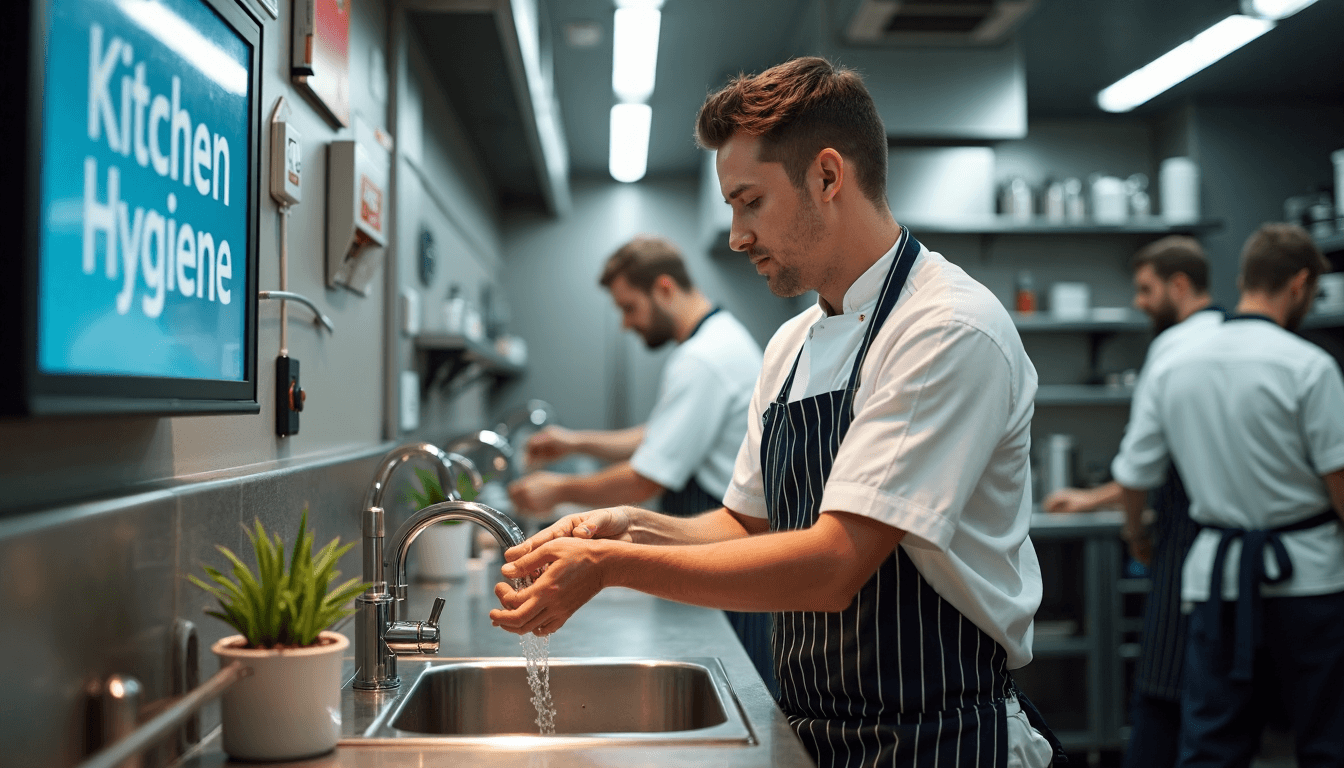
Keeping your kitchen clean is more important than you might think. How you practice sanitation in the kitchen can make a big difference in your health and the safety of your meals.
You might not realize it, but tiny germs and bacteria can easily spread if you don’t follow the right steps. You’ll discover simple and effective ways to keep your kitchen spotless and safe. By the end, you’ll feel confident that your kitchen is a clean place for you and your loved ones to enjoy every meal.
Ready to learn how to protect your health with easy kitchen habits? Let’s dive in.
Credit: www.universalclass.com
Kitchen Cleanliness Basics
Keeping your kitchen clean isn’t just about appearance—it’s essential for your health. Kitchen cleanliness basics set the foundation for safe food handling and prevent harmful bacteria from spreading. Understanding simple yet effective cleaning habits can make your cooking space safer and more inviting every day.
Daily Cleaning Routines
Start with wiping down countertops after each meal prep. Use a damp cloth with mild soap to remove crumbs and spills immediately. This habit stops dirt from building up and becoming harder to clean later.
Empty your trash regularly to avoid odors and bacteria growth. Don’t forget to sweep the floor daily to catch fallen food particles. These small actions create a big difference in keeping your kitchen fresh and hygienic.
Proper Dishwashing Techniques
Rinse dishes right after use to prevent food from drying and sticking. Wash with hot, soapy water, scrubbing thoroughly to remove grease and residue. If you use a dishwasher, load it properly to ensure all surfaces get cleaned.
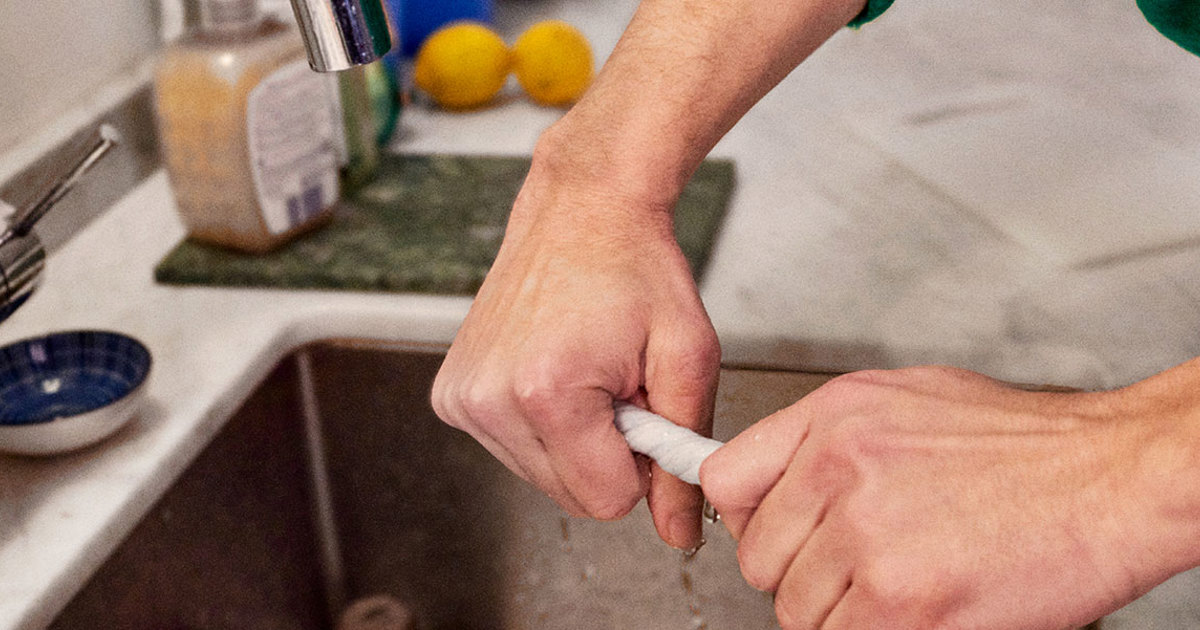
Don’t forget to clean your dishcloths and sponges often—they harbor bacteria if left damp and dirty. Replace them every few days or sanitize by microwaving for a minute. How often do you think about what’s growing on your cleaning tools?
Sanitizing Surfaces
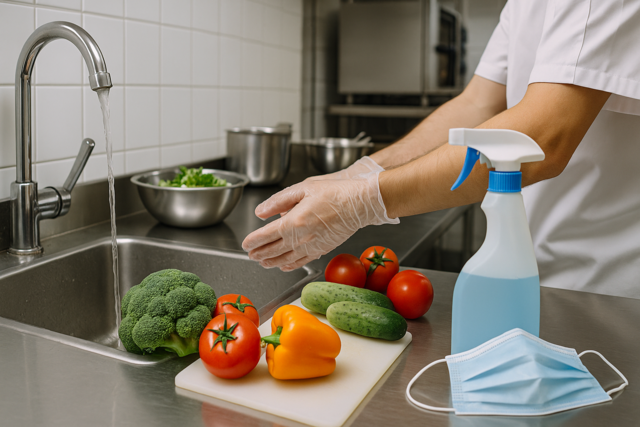
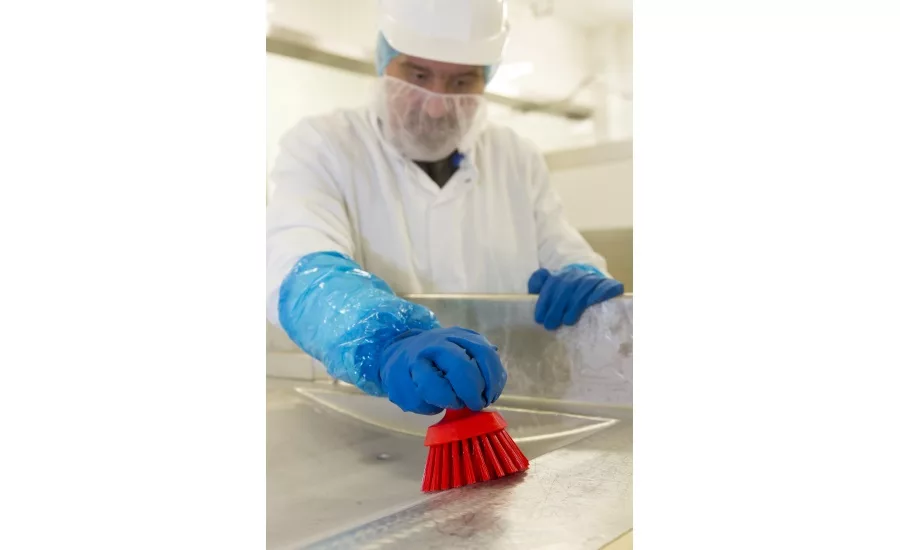
After cleaning, sanitize your kitchen surfaces to kill remaining germs. Use a kitchen-safe sanitizer or a solution of one tablespoon bleach mixed with one gallon of water. Spray or wipe down cutting boards, counters, and sink areas especially.
Pay attention to high-touch spots like fridge handles and light switches. Regular sanitizing prevents cross-contamination that can lead to foodborne illness. Are you sanitizing your kitchen as often as you should?
Credit: www.food-safety.com
Food Safety Practices
Food safety practices are essential for keeping your kitchen clean and preventing illness. They help stop bacteria and germs from spreading. Following simple rules can protect your family and make cooking safer. Pay close attention to how you store, handle, and prepare food to reduce risks.
Safe Food Storage
Store food at the right temperature to keep it fresh. Use airtight containers to prevent contamination. Keep raw meat separate from cooked foods. Label leftovers with dates to know when to use them. Always refrigerate perishable items promptly. Avoid overloading the fridge to allow proper air flow.
Avoiding Cross-contamination
Use separate cutting boards for meat, vegetables, and fruits. Wash hands thoroughly before and after handling different foods. Clean knives and utensils between uses. Do not place cooked food on plates that held raw meat. Use paper towels or clean cloths to wipe spills. Regularly sanitize kitchen surfaces to kill germs.
Proper Food Handling
Wash fruits and vegetables under running water. Cook food to the right internal temperature to kill bacteria. Use a food thermometer for accuracy. Avoid leaving food out at room temperature for too long. Thaw frozen foods safely in the fridge or cold water. Always wash hands with soap before cooking or eating.
Personal Hygiene In The Kitchen
Personal hygiene is the cornerstone of kitchen sanitation. It's not just about maintaining a clean environment; it's about ensuring the food you prepare is safe to eat. By focusing on your personal cleanliness, you create a healthier cooking space for you and your loved ones.
Handwashing Tips
Proper handwashing is your first line of defense against spreading germs in the kitchen. Use warm water and soap, scrubbing your hands for at least 20 seconds. Pay special attention to areas like between your fingers and under your nails.
Keep a timer or sing a short song to ensure you're washing long enough. Dry your hands with a clean towel or air dryer to prevent bacteria transfer from damp surfaces. Consider using a paper towel to turn off the faucet and open the door if you're in a shared space.
Wearing Clean Clothing
Your clothing can easily harbor bacteria and dirt, so always wear clean clothes when cooking. Aprons are great for providing an extra layer of protection. Remember to change them regularly, especially if they become soiled.
Think about how often you wipe your hands on your clothes. This habit can transfer bacteria from your hands to your food. Keep a kitchen towel handy for drying hands and wiping surfaces instead.
Avoiding Touching Face
It might surprise you how often you touch your face without realizing it. Each time you do, you're potentially transferring germs from your hands to your nose or mouth. Make a conscious effort to keep your hands away from your face while cooking.
If you catch yourself doing it, take a moment to wash your hands again. Ask yourself: how many times have you touched your face today? Awareness is key to breaking this habit and keeping your food prep area safe.
Credit: www.plenty.com
Waste Management
Waste management in the kitchen is a crucial part of maintaining a clean and sanitary environment. Proper handling of waste prevents contamination, reduces odors, and keeps pests away. It also supports eco-friendly habits that benefit your home and the planet.
Disposing Food Waste
Food waste should be disposed of promptly to avoid attracting insects and bacteria. You can separate scraps like vegetable peels, coffee grounds, and eggshells for composting. This not only reduces the trash volume but also turns waste into valuable nutrients for your garden.
Use airtight containers or sealed bags for food waste if you can’t compost immediately. This practice helps control smells and prevents spills. Have you noticed how quickly a trash bag can start to smell if food waste isn’t sealed?
Managing Trash Bins
Keep your kitchen trash bins clean by washing them regularly with hot, soapy water. This removes residue that can harbor germs and cause bad odors. Using liners can also make it easier to change bags and keep bins fresh.
Place bins in a spot that’s easy to access but away from food prep areas. This reduces the chance of cross-contamination. You might find that labeling bins for recycling, compost, and landfill waste helps everyone in your household sort trash correctly.
Recycling Practices
Recycling in the kitchen starts with knowing which items your local program accepts. Rinse containers like jars, cans, and bottles before tossing them in the recycle bin to avoid contamination. This small step improves the quality of recycled materials.
Consider setting up multiple bins or containers to separate recyclables from general waste. This habit makes recycling effortless and encourages everyone in your home to participate. Have you thought about how much waste you could divert from the landfill just by sorting properly?
Maintaining Kitchen Equipment
Maintaining kitchen equipment is a key part of practicing proper sanitation in the kitchen. Keeping your tools and appliances clean and in good working order prevents the buildup of harmful bacteria and ensures food safety. You might be surprised how much a simple routine can improve both the lifespan and hygiene of your kitchen gear.
Cleaning Appliances
Regular cleaning of kitchen appliances like refrigerators, ovens, and mixers removes food residue that can harbor germs. Use warm soapy water or manufacturer-recommended cleaners to wipe surfaces after each use. Don’t forget hidden spots such as door seals, knobs, and vents where dirt often collects.
Have you checked your appliance manuals for specific cleaning instructions? Following those guidelines helps avoid damage and keeps equipment safe for food preparation.
Regular Maintenance
Scheduling routine maintenance helps catch issues before they become costly problems. For example, defrost your freezer and clean its coils to improve efficiency and reduce contamination risks. Sharpen knives and service blenders regularly to maintain performance and safety.
Ask yourself: When was the last time you inspected your appliances for wear or unusual sounds? Staying proactive saves you time and money.
Replacing Worn Items
Some kitchen items have a limited lifespan and should be replaced to maintain hygiene. Cutting boards with deep grooves, cracked mixing bowls, or frayed blender cords can harbor bacteria or pose safety hazards. Keep an inventory and check for wear monthly.
Think about this—how often do you replace your sponges, dish towels, or silicone spatulas? These small changes can make a big difference in keeping your kitchen sanitary.
Using Safe Cleaning Products
Using safe cleaning products in the kitchen helps keep your food and family safe. Harsh chemicals can harm your health and damage surfaces. Choosing the right cleaners prevents accidents and ensures a clean, healthy kitchen environment.
Choosing Non-toxic Cleaners
Non-toxic cleaners are gentle but effective. They clean without leaving harmful chemicals behind. Look for products labeled natural, biodegradable, or free from harsh chemicals. Ingredients like vinegar, baking soda, and plant-based soaps work well.
These cleaners reduce risks for children and pets. They also protect your kitchen tools and counters from damage. Avoid cleaners with ammonia, bleach, or strong fragrances that can irritate skin and lungs.
Proper Storage Of Chemicals
Keep cleaning products out of reach of children and pets. Store them in a cool, dry place away from food. Use original containers with clear labels to avoid mix-ups. Never transfer cleaners into food or drink bottles.
Secure caps tightly after use. Check for leaks or damaged bottles regularly. Proper storage prevents accidental poisoning and preserves product effectiveness.
Avoiding Chemical Residue
Rinse surfaces well after using any cleaner. Use clean cloths or sponges to remove leftover product. Avoid spraying near open food or dishes. Let surfaces dry completely before cooking or placing food items.
Residue can cause food contamination or allergic reactions. Regular rinsing keeps your kitchen safe and hygienic. Use water and cloths to wipe away any excess cleaner every time.
Frequently Asked Questions
How Do You Maintain Kitchen Sanitation Daily?
Daily kitchen sanitation involves cleaning surfaces with disinfectants, washing hands often, and properly storing food. Regularly sanitize cutting boards and utensils to prevent bacteria buildup. Dispose of waste promptly and keep kitchen towels clean to reduce contamination risks.
What Are The Best Practices For Kitchen Hygiene?
Best practices include washing hands before cooking, cleaning utensils after use, and sanitizing countertops. Avoid cross-contamination by using separate cutting boards for raw meat and vegetables. Also, regularly clean kitchen appliances and ensure proper food storage temperatures.
How Often Should Kitchen Surfaces Be Sanitized?
Kitchen surfaces should be sanitized after every meal preparation and at least once daily. High-touch areas like countertops and handles need frequent cleaning. Regular sanitation reduces the risk of foodborne illnesses and keeps your kitchen safe and hygienic.
Why Is Handwashing Important In Kitchen Sanitation?
Handwashing removes harmful bacteria and prevents cross-contamination during food preparation. Always wash hands with soap and water for at least 20 seconds before cooking. Proper hand hygiene is crucial to maintaining a clean and safe kitchen environment.
Conclusion
Keeping your kitchen clean helps stop germs from spreading. Wash your hands often and clean surfaces well. Use separate tools for raw and cooked food. Throw away spoiled food quickly. Regular cleaning keeps your kitchen safe and healthy. Small steps make a big difference every day.
Stay careful, stay healthy, and enjoy cooking safely. Good habits protect you and your family. Simple actions keep your kitchen fresh and clean. Clean kitchens mean safer meals and happier homes.