
You use your kitchen tools and equipment every day to prepare meals, but have you ever stopped to think about how clean they really are? Germs and bacteria can easily hide on knives, cutting boards, and other utensils, putting your health at risk.
Knowing how kitchen tools and equipment sanitize can help you keep your cooking space safe and your food fresh. You’ll discover simple yet effective ways to make sure your kitchen stays clean and healthy. Keep reading to learn the secrets that will protect you and your loved ones every time you cook.
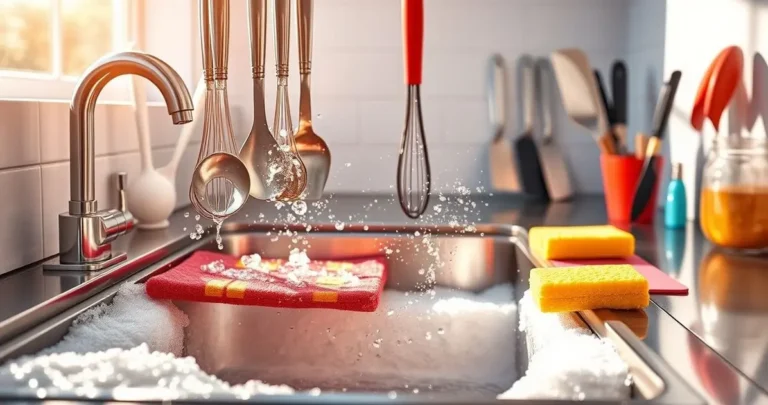
Credit: veganmealsprep.com
Essential Kitchen Tools For Hygiene
Maintaining hygiene in the kitchen is vital for food safety. The right tools help keep your cooking space clean and safe. Essential kitchen tools must be easy to sanitize and designed to prevent bacteria growth.
Proper care of these tools reduces the risk of contamination. Regular cleaning stops germs from spreading. Focus on how to handle cutting boards, knives, and pots.
Cutting Boards And Their Care
Cutting boards often hold food particles and bacteria. Use separate boards for meat and vegetables. Clean boards immediately after use with hot, soapy water.
Sanitize boards by wiping them with a solution of one tablespoon bleach per gallon of water. Rinse well and let dry completely. Wooden boards need oiling to prevent cracks where bacteria hide.
Sanitizing Knives And Utensils
Knives and utensils come in contact with many foods. Wash them thoroughly with soap and hot water after each use. Use a brush to clean hard-to-reach spots.
Sanitize by soaking in a sanitizing solution or running them through a dishwasher with a high-temperature setting. Dry knives carefully to avoid rust and keep them sharp.
Cleaning Pots And Pans Effectively
Pots and pans can trap grease and food residue. Soak them in warm, soapy water to loosen stuck-on bits. Scrub gently with a non-abrasive sponge to protect surfaces.
For heavy stains, use baking soda or vinegar as natural cleaners. Rinse thoroughly and dry with a clean cloth. Regular cleaning prevents buildup and keeps cookware safe for cooking.
Sanitizing Techniques
Sanitizing kitchen tools and equipment removes germs and bacteria. It keeps food safe and prevents illness. Different techniques help clean effectively. Each method suits various tools and situations. Understanding these techniques ensures a healthy kitchen environment.
Using Hot Water And Soap
Hot water and soap clean dirt and grease well. Soap breaks down oils and removes food scraps. Hot water helps kill many germs. Scrubbing with a brush reaches small crevices on tools. Rinsing with clean water removes soap residue. This method works best for everyday cleaning.
Disinfecting With Natural Solutions
Natural solutions like vinegar and lemon juice disinfect surfaces. They contain acids that kill some bacteria and viruses. These options are safe and eco-friendly. Spray or soak tools in the solution for several minutes. Rinse well before using the tools again. Natural disinfectants suit light to moderate sanitizing needs.
Employing Chemical Sanitizers Safely
Chemical sanitizers offer strong germ-killing power. Common types include bleach and quaternary ammonium compounds. Follow product instructions carefully for safe use. Use the right concentration and contact time for effectiveness. Wear gloves and work in a ventilated area. Rinse tools thoroughly to remove chemical residues. Chemical sanitizers are ideal for heavy contamination or commercial kitchens.
Proper Equipment Maintenance
Proper equipment maintenance keeps kitchen tools clean and safe. It stops germs from spreading and protects food quality. Regular care helps tools last longer and work better. Neglecting maintenance raises health risks and causes costly replacements.
Regular Deep Cleaning Practices
Deep cleaning removes dirt and bacteria from kitchen tools. Use hot water and soap to scrub all surfaces well. Soak items like cutting boards in a vinegar solution to kill germs. Clean handles and small parts carefully. Dry tools completely to avoid mold growth.
Replacing Worn-out Tools
Old or damaged tools can hide bacteria in cracks and cuts. Check tools often for signs of wear like rust or chips. Replace items that look worn or broken. Fresh tools keep your kitchen safer and improve food prep quality.
Storage Tips To Prevent Contamination
Store kitchen tools in clean, dry places away from dirt. Use covered containers or drawers to protect them from dust. Keep knives and sharp tools in holders to avoid accidents. Avoid stacking wet tools to stop bacteria growth. Proper storage keeps tools ready and safe for use.
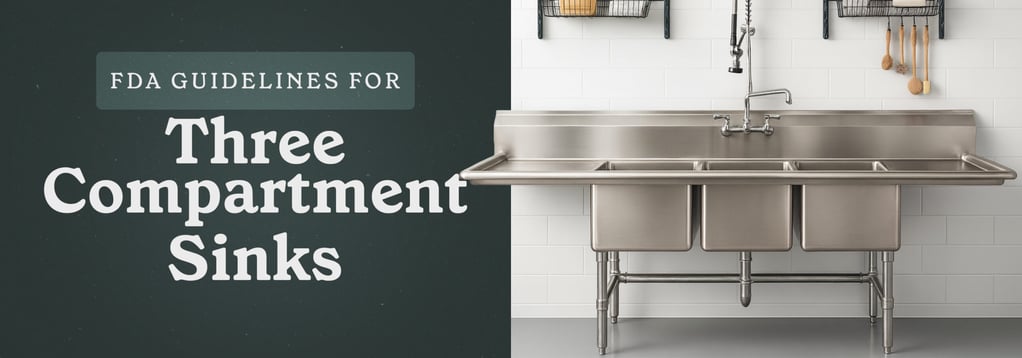
Credit: www.katom.com
Avoiding Cross-contamination
Avoiding cross-contamination in the kitchen is crucial for food safety. Cross-contamination occurs when harmful bacteria spread between food, surfaces, and tools. Keeping kitchen tools and equipment clean is essential to prevent this. Here are some effective strategies.
Separate Tools For Raw And Cooked Foods
Use different tools for raw and cooked foods. This includes knives, cutting boards, and utensils. Raw foods like meat can carry harmful bacteria. These bacteria can spread to cooked foods if tools are shared. Always keep separate sets for each to maintain food safety.
Color-coded Equipment Systems
Color-coded systems simplify kitchen safety. Assign specific colors to tools for different food types. For example, use red for raw meat and green for vegetables. This visual cue helps avoid mixing tools. It also makes it easier to train staff or family members. Color coding is a clear and effective method to prevent cross-contamination.
Hand Hygiene During Food Prep
Hand hygiene is vital during food preparation. Wash hands thoroughly before handling food. Also, clean hands after touching raw meat or unclean surfaces. Use soap and warm water for at least 20 seconds. This simple practice reduces the risk of spreading bacteria. Keep hand sanitizer nearby for quick access in busy kitchens.
Specialized Sanitizing Gadgets
Specialized sanitizing gadgets have transformed how you keep your kitchen tools spotless and safe. These devices use advanced technology to target germs and bacteria effectively, offering convenience beyond traditional cleaning methods. Understanding how these gadgets work can help you choose the right tool for your kitchen hygiene needs.
Uv Sanitizers For Kitchen Tools
UV sanitizers use ultraviolet light to kill bacteria and viruses on kitchen utensils without using chemicals. You simply place your tools inside the device, close the lid, and let the UV light do its work within minutes.
This method is especially helpful for items that are hard to clean thoroughly with soap and water, like wooden spoons or plastic cutting boards. Have you ever wondered if your kitchen tools are truly germ-free after washing? UV sanitizers provide a visible solution to that uncertainty.
Dishwashers And Their Sanitizing Cycles
Modern dishwashers often come with special sanitizing cycles designed to kill germs with higher temperatures. These cycles usually run hotter than standard washes, reaching temperatures above 150°F (65°C) to ensure thorough disinfection.
Using these cycles not only cleans your dishes but also reduces the risk of cross-contamination. If you haven't tried the sanitizing setting on your dishwasher yet, it might be time to test whether it makes a noticeable difference in your kitchen’s cleanliness.
Steam Cleaners For Deep Cleaning
Steam cleaners use high-temperature steam to sanitize kitchen tools by breaking down grease and killing microbes. This method is chemical-free and safe for many surfaces, including metal, glass, and some plastics.
Steam can reach into tiny crevices where germs often hide, making it perfect for items like graters and blender parts. Could using steam cleaners save you time and effort compared to scrubbing every nook and cranny by hand?
Common Mistakes To Avoid
Keeping your kitchen tools and equipment sanitized is essential for food safety and health. However, many people unknowingly make mistakes that reduce the effectiveness of sanitization. Recognizing these common errors can help you maintain a cleaner, safer kitchen environment.
Skipping Regular Sanitization
Cleaning your kitchen tools just once in a while isn’t enough. Germs and bacteria can build up quickly on surfaces you use daily. If you only sanitize occasionally, you risk cross-contamination and foodborne illnesses.
Think about how often you use your cutting board or knives. Would you want to eat food prepared with tools that haven’t been properly cleaned after every use? Make sanitizing a regular habit to keep your kitchen safe.
Improper Drying Of Tools
Many people wash their tools thoroughly but then leave them wet or damp. Moisture creates the perfect environment for bacteria to multiply. Simply wiping your tools dry or air drying them completely is crucial.
Have you noticed how a damp sponge smells bad after a day? The same happens to your kitchen tools if they don’t dry properly. Use a clean towel or a drying rack with good airflow to ensure they dry completely.
Using Damaged Equipment
Cracked cutting boards, chipped knives, and scratched containers might seem harmless. But these imperfections can trap food particles and bacteria, making sanitization ineffective. Damaged equipment is harder to clean properly and can harbor harmful microbes.
Ask yourself: when was the last time you checked your tools for damage? If you spot cracks or deep scratches, it’s time to replace those items. Keeping your equipment in good condition ensures better hygiene and safety in your kitchen.
Credit: www.youtube.com
Frequently Asked Questions
How Do Kitchen Tools Get Sanitized Effectively?
Kitchen tools are sanitized by using hot water, detergents, and chemical sanitizers. Proper cleaning removes food particles and bacteria, ensuring tools are safe for use.
Why Is Sanitizing Kitchen Equipment Important?
Sanitizing prevents harmful bacteria growth and cross-contamination. It protects health by reducing the risk of foodborne illnesses and ensures a hygienic cooking environment.
Can Kitchen Tools Be Sanitized Without Chemicals?
Yes, tools can be sanitized using hot water above 171°F (77°C). Steam and boiling water are natural, chemical-free methods to kill most bacteria effectively.
How Often Should Kitchen Tools Be Sanitized?
Kitchen tools should be sanitized after every use, especially when handling raw meat or seafood. Frequent sanitizing maintains cleanliness and food safety standards.
Conclusion
Sanitizing kitchen tools keeps your cooking safe and healthy. Clean tools stop germs from spreading foodborne illnesses. Regular washing with hot water removes most bacteria. Using sanitizers or bleach solutions kills remaining germs. Dry tools well to avoid new bacteria growth.
Good habits protect your family from sickness. Simple steps make your kitchen a safer place. Keep tools clean every time you cook. Safe cooking starts with clean and sanitized tools.