
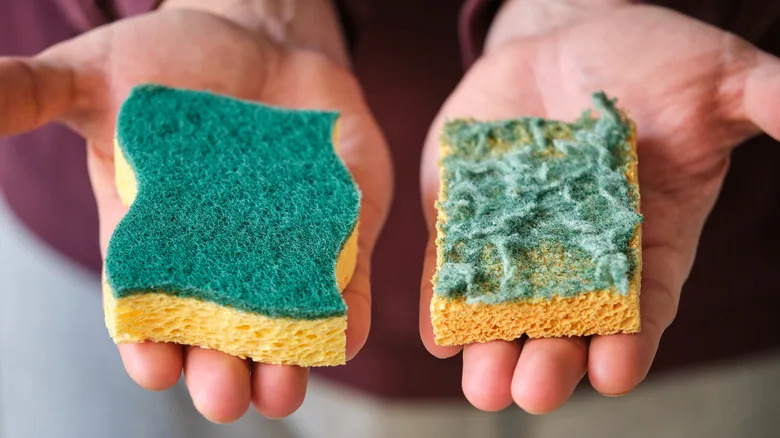
Have you ever stopped to think about how long your kitchen sponge really lasts? You use it every day to clean dishes, wipe counters, and tackle spills.
But did you know that over time, your sponge can become a breeding ground for germs and bacteria? Knowing when to replace your kitchen sponge isn’t just about cleanliness—it’s about keeping your whole kitchen safe. Keep reading, and you’ll discover the signs your sponge is past its prime and the simple steps you can take to keep your kitchen fresh and healthy.

Credit: www.taste.com.au
Sponge Lifespan Factors
Understanding what affects the lifespan of your kitchen sponge can help you decide when to replace it. Several factors come into play, from the type of material to how often you use it and how well you clean it. Paying attention to these can save you from dealing with unpleasant odors and bacteria buildup.
Material Types
Not all sponges are created equal. Some are made from cellulose, others from synthetic fibers, and some combine both. Cellulose sponges tend to absorb more water, which can make them a breeding ground for bacteria if not dried properly.
On the other hand, synthetic sponges often last longer because they dry faster and resist breaking down. If you want a sponge that lasts, consider one with antimicrobial properties or made from durable materials like polyurethane foam.
Usage Frequency
How often you use your sponge directly impacts its lifespan. If you use it several times a day for washing dishes, wiping counters, and cleaning spills, it will wear out faster. A sponge used only once daily may last longer, but it still accumulates bacteria over time.
Think about your kitchen routine: Are you wiping up spills immediately, or letting messes sit? The more you rely on your sponge for multiple tasks, the quicker it loses its effectiveness and hygiene.
Cleaning Habits
How you clean your sponge can extend or shorten its life. Rinsing your sponge thoroughly after each use and allowing it to dry completely can prevent mold and germs from taking hold. Some people microwave their sponges for a minute or soak them in vinegar to disinfect.
However, even with good cleaning habits, sponges should be replaced regularly. Have you noticed your sponge developing a smell or falling apart? That’s a clear sign it’s time for a new one.

Credit: www.yahoo.com
Signs To Replace Sponges
Knowing when to replace your kitchen sponge is important for hygiene and kitchen safety. Sponges can hide germs and bacteria. They also lose their cleaning power over time. Watching for clear signs helps you decide the right time to swap your sponge.
Odor And Discoloration
A strong bad smell is a clear sign to replace your sponge. Sponges often absorb food particles and moisture. This creates a perfect spot for bacteria. Discoloration, like dark or yellow spots, shows the sponge is old and dirty. Do not ignore these changes.
Texture Changes
Sponges should feel soft and springy. When a sponge becomes rough, hard, or crumbles, it is no longer useful. A worn-out texture means it cannot clean well. Replace the sponge to keep your dishes clean and safe.
Bacterial Growth Risks
Used sponges can carry harmful bacteria like E. coli and Salmonella. These germs cause food poisoning and illness. Regularly changing your sponge lowers the risk of spreading bacteria. Never use a sponge that looks or smells suspicious.
Extending Sponge Life
Kitchen sponges usually last about one to two weeks with regular use. Keeping them clean and dry helps extend their life and reduce bacteria buildup. Replace sponges often to maintain a healthy kitchen environment.
Extending the life of kitchen sponges saves money and reduces waste. With proper care, a sponge can last longer while staying fresh and effective. This section explores practical ways to extend the life of your kitchen sponges.
Proper Cleaning Methods
Regular cleaning keeps sponges fresh and functional. Rinse them thoroughly after each use. Use warm water to remove food particles and soap residue. Squeeze out excess water to prevent bacteria growth. Once a week, wash sponges in the dishwasher. Place them on the top rack to ensure a deep clean. Alternatively, soak them in a mixture of vinegar and water. This helps in breaking down grease and killing germs.
Drying And Storage Tips
Drying sponges properly prevents mold and odors. After cleaning, wring out water completely. Place sponges in a well-ventilated area to dry. Avoid leaving them in a damp sink or countertop. Use a sponge holder with drainage to keep them elevated. This allows air to circulate, speeding up the drying process. Store sponges away from direct sunlight. Sunlight can cause the material to degrade faster.
Sanitizing Techniques
Sanitizing sponges kills bacteria and extends their life. Microwave damp sponges for one minute to sanitize. Ensure the sponge is wet to prevent fire hazards. Boil sponges in water for five minutes. This method effectively kills most germs. Use a bleach solution once a week. Mix one tablespoon of bleach in one gallon of water. Soak the sponge for five minutes, then rinse thoroughly. Always handle bleach with care and rinse well afterward.
Alternatives To Traditional Sponges
If you’re tired of replacing kitchen sponges every couple of weeks, it might be time to think about alternatives. Traditional sponges can wear out quickly and harbor bacteria, making your cleaning routine less effective. Luckily, there are several durable and hygienic options that can keep your kitchen cleaner and last longer.
Silicone Scrubbers
Silicone scrubbers are becoming popular for their durability and ease of cleaning. Unlike traditional sponges, they don’t absorb water, which helps prevent bacteria growth. You can simply rinse them off or toss them in the dishwasher to keep them fresh.
They’re gentle on non-stick cookware but tough enough to remove stuck-on food. Plus, they come in bright colors and fun shapes, adding a bit of personality to your kitchen tools. Have you tried one yet? You might be surprised how much longer they last compared to regular sponges.
Microfiber Cloths
Microfiber cloths are another great alternative that you might already have at home. These cloths grab dirt and grease without needing harsh chemicals, making your cleaning safer and more eco-friendly. They dry quickly, so they don’t become a breeding ground for germs.
You can use microfiber cloths for wiping counters, cleaning dishes, and even polishing surfaces. Just remember to wash them regularly, and they’ll keep working effectively for months. Could switching to microfiber reduce how often you replace your cleaning tools?
Natural Sponges
Natural sponges come from the ocean and are biodegradable, which appeals to environmentally conscious users. They tend to be softer and less abrasive, making them ideal for delicate dishes and surfaces. Because they’re natural, they can last longer if properly cared for.
However, natural sponges still need to be cleaned and dried thoroughly to avoid mold. They offer a balance between effectiveness and sustainability, giving you a break from synthetic materials. Would you consider a natural sponge if it meant less waste in your kitchen?
Health Impacts Of Old Sponges
Old kitchen sponges can become a hidden health hazard in your home. Over time, they accumulate bacteria, mold, and food particles that thrive in damp environments. Ignoring the lifespan of your sponge not only affects cleanliness but can also put your health at risk.
Cross-contamination Dangers
Using a worn-out sponge can spread harmful bacteria from one surface to another. These microbes include E. coli, Salmonella, and Staphylococcus, which can cause serious infections. When you wipe down your counters or dishes with an old sponge, you might unknowingly transfer germs from raw meat or unwashed produce.
Think about the last time you cleaned up after cooking chicken. If your sponge wasn’t fresh, it could have spread bacteria across your kitchen, contaminating other foods and utensils. This risk is especially high if you don’t sanitize your sponge regularly or replace it often.
Preventing Foodborne Illnesses
To protect yourself and your family, it’s important to replace your kitchen sponge frequently—experts suggest every one to two weeks. You can also disinfect sponges by microwaving them for a minute or soaking them in bleach solution, but these methods only reduce bacteria temporarily.
Keep separate sponges for different tasks. For example:
- Use one sponge for dishes
- Another for cleaning countertops
- And a different one for wiping spills
Would you rather risk a minor inconvenience or a serious health problem? Your kitchen sponge’s condition plays a bigger role in food safety than you might think. Regularly changing it is a simple step that can prevent foodborne illnesses and keep your kitchen hygienic.

Credit: www.taste.com.au
Frequently Asked Questions
How Often Should I Replace My Kitchen Sponge?
Replace your kitchen sponge every 1 to 2 weeks. Frequent replacement prevents bacteria buildup and keeps your kitchen hygienic. If the sponge smells bad or falls apart, replace it immediately for safety.
Can I Disinfect My Kitchen Sponge To Last Longer?
Yes, disinfect sponges regularly using microwave, bleach, or dishwasher. This kills most bacteria but does not stop sponge wear. Disinfection extends sponge life but replacing it is still necessary.
What Are Signs A Kitchen Sponge Is Worn Out?
Look for foul odor, discoloration, and crumbling texture. These signs indicate bacterial growth and reduced cleaning efficiency. Replace the sponge once these appear to maintain kitchen hygiene.
Does Sponge Material Affect Its Lifespan?
Yes, natural sponges tend to last longer than synthetic ones. However, all sponges degrade with use and bacteria growth. Choose a high-quality sponge and replace it as recommended.
Conclusion
Kitchen sponges do not last forever. Replace them every one to two weeks. Germs build up quickly on old sponges. Keep your kitchen clean and safe this way. Use a new sponge for better cleaning results. Regular changes help avoid bad smells and bacteria.
Small steps make a big difference in kitchen hygiene. Remember, fresh sponges keep your dishes cleaner and healthier. Simple habits protect your family from germs. Take care of your kitchen tools to stay safe.