
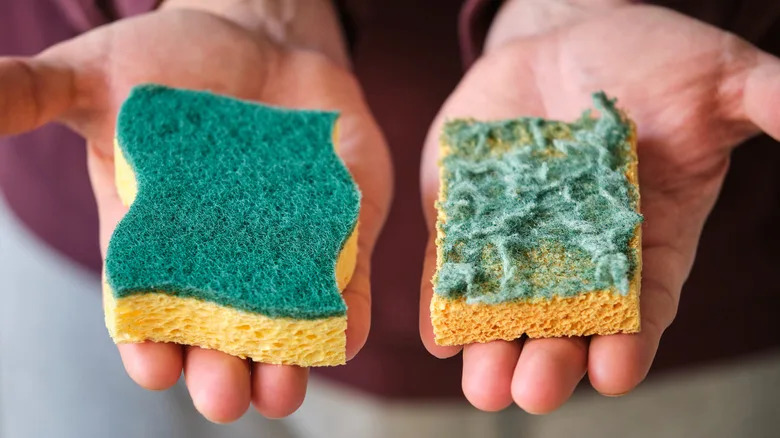
Have you ever wondered how long your kitchen sponge really lasts before it becomes a breeding ground for germs? You use it every day to clean dishes, wipe counters, and tackle spills, but do you know when it’s time to replace it?
Using an old sponge can actually do more harm than good, spreading bacteria instead of cleaning it up. You’ll discover the signs that tell you it’s time for a new sponge and simple tips to keep your kitchen cleaner and safer.
Keep reading to protect your home and make your cleaning routine more effective.
Kitchen Sponge Lifespan
Understanding the lifespan of your kitchen sponge is crucial for maintaining hygiene and efficiency in your kitchen. A sponge that’s past its prime can harbor bacteria and spread germs instead of cleaning surfaces. Knowing how long your sponge lasts helps you decide when to replace it before it becomes a health risk.
Typical Duration
Most kitchen sponges last between one to two weeks with regular use. If you use your sponge multiple times a day, expect it to wear out faster. Some sponges designed with antimicrobial properties might extend this period slightly, but they still need regular replacement.
Have you noticed your sponge smells bad or looks shredded before the two-week mark? That’s a clear sign it’s time to get a new one. Keeping a schedule to change your sponge every couple of weeks can keep your kitchen cleaner.
Factors Affecting Durability
- Frequency of Use:The more often you use the sponge, the quicker it wears out.
- Type of Cleaning Tasks:Scrubbing tough stains or greasy surfaces can break down the sponge faster.
- Moisture and Drying:Sponges that stay wet for long periods tend to deteriorate and grow bacteria quicker.
- Material Quality:Higher quality sponges often last longer and resist odors better than cheaper alternatives.
Think about how you store your sponge. Do you leave it in a damp sink or place it where it can dry quickly? This small habit can make a big difference in how long your sponge stays usable. What changes can you make today to extend your sponge’s life and keep your kitchen healthier?

Credit: www.yahoo.com
Signs To Replace Your Sponge
Knowing when to replace your kitchen sponge is key for hygiene. A sponge can hold many germs. Regularly checking it prevents bacteria build-up. Watch for clear signs to keep your kitchen safe.
Visual Indicators
- Look for tears or holes in the sponge.
- Notice any mold or dark spots on the surface.
- Check for discoloration that does not wash away.
- Observe if the sponge looks worn out or flattened.
Odor And Texture Changes
- Smell the sponge for any sour or bad odor.
- Feel if the sponge is slimy or sticky to touch.
- Notice if the sponge feels hard or crumbly.
- Detect any unusual texture changes after cleaning.
Health Risks Of Old Sponges
Old kitchen sponges can hold harmful bacteria and germs. Using them too long increases the risk of illness and food contamination. Replace sponges regularly to keep your kitchen safe and clean.
Old kitchen sponges may seem harmless, but they can pose significant health risks. These everyday cleaning tools can become breeding grounds for harmful bacteria and lead to cross-contamination in your kitchen. Understanding these risks can help you make informed decisions about when to replace your sponge.
Bacterial Growth
Kitchen sponges are the perfect environment for bacterial growth. They are often damp and filled with food particles, which bacteria thrive on. Studies have shown that sponges can harbor millions of bacteria per square inch, including harmful ones like E. coli and Salmonella. You might think microwaving or boiling your sponge will eliminate these bacteria. However, research indicates that these methods only reduce some bacteria, leaving the most resilient ones behind. This resilience can lead to bacteria multiplying rapidly, posing a threat to your health.
Cross-contamination
Using an old sponge increases the risk of cross-contamination in your kitchen. Each time you wipe a surface or clean a dish, you could be spreading bacteria from the sponge onto food preparation areas. Have you ever washed a cutting board with a sponge used to clean raw chicken juice? This action can transfer bacteria to surfaces where you might place fresh produce. Cross-contamination can lead to foodborne illnesses, which are not only unpleasant but can also be dangerous. To minimize these risks, consider replacing your sponge regularly. Many experts recommend doing so every one to two weeks. By being vigilant about sponge hygiene, you protect yourself and your loved ones from potential health hazards.

Credit: www.amazon.com
Tips To Extend Sponge Life
Extending the life of your kitchen sponge saves money and reduces waste. Small habits make a big difference. Clean sponges work better and last longer. Follow simple tips to keep your sponge fresh and usable.
Proper Cleaning Methods
Rinse your sponge thoroughly after each use. Remove food particles and soap residue. Squeeze out excess water to prevent bacteria growth.
Sanitize your sponge regularly. Use one of these methods:
- Microwave the damp sponge for 1-2 minutes to kill germs.
- Soak the sponge in a mixture of water and vinegar for 5 minutes.
- Run the sponge through a dishwasher cycle with high heat.
Allow the sponge to dry completely between uses. A dry sponge stays cleaner and lasts longer.
Storage Best Practices
Store your sponge in a well-ventilated area. Avoid keeping it in a closed container or sink. Moist, dark places promote bacteria and mold.
Use a sponge holder that allows air circulation. Elevate the sponge to drain water quickly. Replace holders regularly to keep them clean.
Keep sponges separate from other cleaning tools. This reduces cross-contamination and keeps your sponge in better condition.
Alternatives To Traditional Sponges
Traditional kitchen sponges often wear out quickly and can harbor bacteria, making it worthwhile to consider alternatives. These options not only last longer but can also be better for your health and the environment. Let’s look at some practical and effective substitutes that can fit right into your daily kitchen routine.
Eco-friendly Options
Eco-friendly sponges and scrubbers are made from natural materials like cellulose, coconut fibers, or bamboo. They break down naturally, reducing waste and pollution.
One popular choice is cellulose sponges, which absorb water well and dry faster, limiting bacterial growth. Coconut fiber scrubbers offer a rough texture that’s great for tougher pots and pans without scratching surfaces.
Have you ever thought about how much plastic waste traditional sponges add to your trash? Switching to these options can cut down that waste while keeping your kitchen clean.
Reusable Scrubbers
Reusable scrubbers like silicone brushes and washable cloths can last months or even years if cared for properly. Silicone scrubbers resist odors and are easy to sanitize by boiling or placing in the dishwasher.
Cloth scrubbers made from microfiber or cotton can be tossed in the laundry after use, which keeps them fresh and hygienic. These options also let you customize your cleaning tools by choosing different textures and sizes.
Imagine reducing your sponge purchases to just a few a year. With reusable scrubbers, you save money and avoid constantly replacing worn-out sponges. What’s stopping you from trying one today?

Credit: food52.com
Frequently Asked Questions
How Often Should I Replace My Kitchen Sponge?
Replace your kitchen sponge every 1 to 2 weeks. Sponges harbor bacteria quickly. Frequent replacement prevents contamination and keeps your kitchen hygienic.
Can Kitchen Sponges Be Sanitized Effectively?
Yes, kitchen sponges can be sanitized using microwaving or boiling. These methods kill most bacteria but do not guarantee complete sterilization. Regular replacement is still recommended.
What Signs Indicate A Kitchen Sponge Needs Replacement?
If your sponge smells bad, feels slimy, or looks discolored, replace it immediately. These signs indicate bacterial buildup and reduced cleaning effectiveness.
Does Using A Dishwasher Clean A Kitchen Sponge Well?
Running a kitchen sponge through a dishwasher cycle helps reduce bacteria. However, it doesn't fully disinfect the sponge. Combine this with regular replacement for best hygiene.
Conclusion
A kitchen sponge does not last forever. Replace it every one to two weeks for safety. Sponges hold many germs and bacteria. Regular changing helps keep your kitchen clean. Rinse and dry your sponge after use. Avoid letting it stay wet for long.
A fresh sponge means fewer germs and better hygiene. Simple steps can protect your health. Take care of your kitchen tools. Clean spaces make cooking more pleasant.