
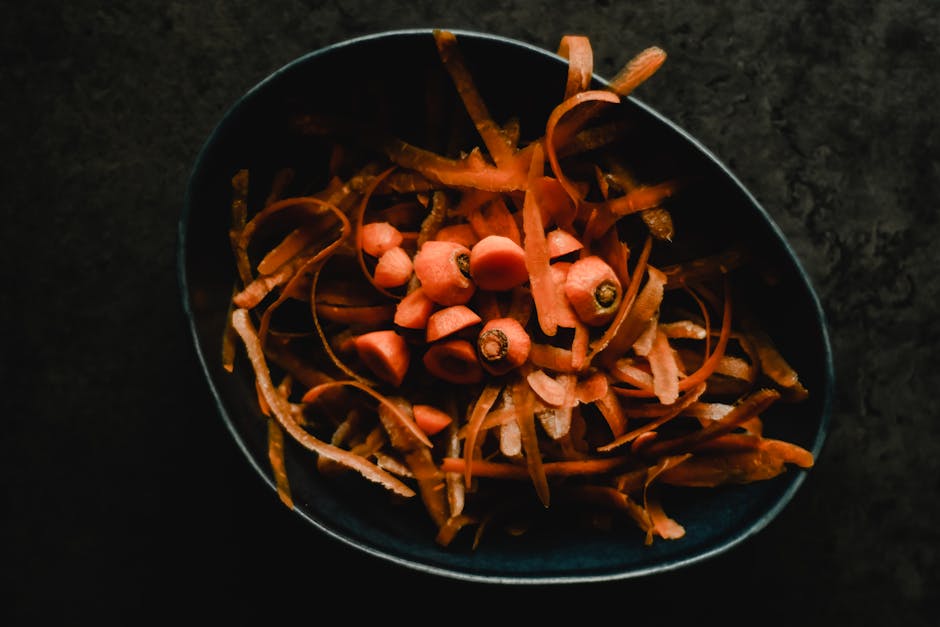
Have you ever wondered how long it really takes for your kitchen scraps to turn into rich, healthy compost? If you’re tossing vegetable peels, coffee grounds, and fruit leftovers into a compost bin, you probably want to know when you can expect that dark, crumbly soil to appear.
Understanding the composting timeline can help you plan your gardening, reduce waste more effectively, and feel good about your eco-friendly efforts. Keep reading, and you’ll discover the factors that speed up or slow down the process, so you can make the most out of your kitchen waste.
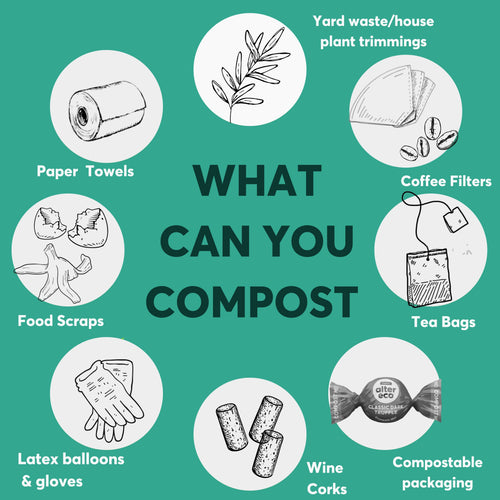
Credit: www.alterecofoods.com
Factors Affecting Composting Time
Composting kitchen scraps does not happen overnight. Several factors influence how quickly scraps break down into rich soil. Understanding these factors helps manage expectations and improve composting results.
Each factor plays a role in speeding up or slowing down the process. Some are easy to control, while others depend on natural conditions. Knowing these details ensures better compost quality and faster turnover.
Type Of Kitchen Scraps
Different kitchen scraps decompose at different speeds. Soft fruits and vegetable peels break down quickly. Harder items like citrus peels and corn cobs take longer. Meat, dairy, and oily foods slow the process and may cause odors. Avoid these to keep compost healthy and fast.
Compost Method
How you compost affects the time needed for scraps to break down. Traditional compost piles take longer due to less control. Worm bins work faster by using worms to eat scraps. Bokashi fermentation speeds up decomposition by fermenting scraps first. Choose a method that fits your space and goals.
Temperature And Moisture
Warm temperatures speed up composting by activating microbes. Cold weather slows down microbial activity and delays decomposition. Proper moisture is also key. Compost should feel like a damp sponge. Too much water causes odor and slows breakdown. Too little water stops microbial activity.
Particle Size
Smaller pieces decompose faster. Chopping or shredding scraps increases surface area for microbes. Large chunks take much longer to break down. Breaking down scraps into smaller bits helps speed the composting process. This simple step makes a big difference.
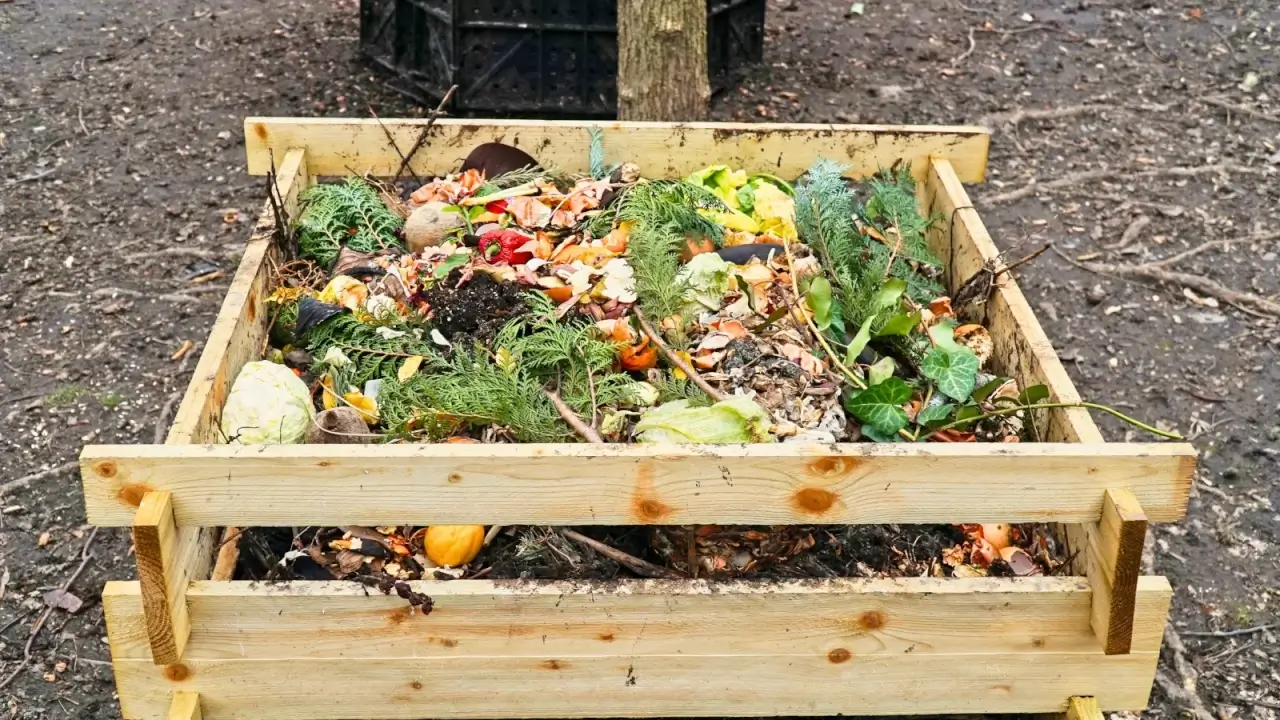
Credit: modernfarmer.com
Composting Timelines For Common Scraps
Understanding how long kitchen scraps take to compost helps manage your compost pile better. Different scraps break down at different speeds. Some decompose quickly, while others take months or even years. Knowing these timelines improves your composting success and reduces waste.
Fruit And Vegetable Peels
Fruit and vegetable peels decompose fast. Most break down within 2 to 6 weeks. Thin peels like cucumber or tomato rot quicker. Thick ones like potato or pumpkin take longer. Chopping peels into small pieces speeds up composting.
Coffee Grounds And Tea Bags
Coffee grounds break down in about 2 to 4 weeks. Tea bags take a bit longer, around 3 to 6 weeks. Avoid plastic tea bags; use natural ones for faster composting. These scraps add nitrogen, helping the compost heat up.
Eggshells
Eggshells decompose slowly, usually in 3 to 6 months. Crushing them into small pieces speeds this process. They add calcium to the compost, which benefits plants. Whole shells take much longer and can resist breaking down.
Bread And Grains
Bread and grains break down fairly fast, in 1 to 3 weeks. They can attract pests, so bury them deep in the pile. Avoid moldy bread, which might slow composting. These scraps add carbon and moisture.
Meat And Dairy Waste
Meat and dairy waste take the longest to compost, often several months. They can create bad odors and attract animals. Compost them only in well-managed, hot compost piles. Avoid adding large amounts to prevent problems.
Speeding Up The Compost Process
Kitchen scraps usually take a few weeks to several months to compost fully. Turning the pile often and keeping it moist speeds up the process. Smaller pieces break down faster, making compost ready sooner.
Speeding up the composting process can transform your kitchen waste into nutrient-rich soil much faster, making it a great way to reduce waste and support your garden. By incorporating a few simple techniques, you can significantly accelerate the breakdown of organic materials. Let’s explore some practical strategies to enhance the efficiency of your compost pile.
Chopping And Shredding
One effective way to speed up composting is by chopping and shredding your kitchen scraps. Smaller pieces decompose faster because they have more surface area exposed to microbes. Next time you're preparing meals, take a few moments to chop up vegetable peels or shred paper towels before adding them to your compost bin.
Balancing Greens And Browns
Maintaining the right balance of greens (nitrogen-rich materials) and browns (carbon-rich materials) is crucial. A good rule of thumb is to aim for a ratio of 2:1 browns to greens. If your compost pile is too green, it might become slimy and smelly, while too many browns can slow down the process.
Turning And Aerating
Regularly turning your compost pile introduces oxygen, which is vital for the microbes breaking down the organic matter. Use a pitchfork or compost aerator to turn the pile every couple of weeks. This simple action can drastically speed up decomposition and prevent foul odors.
Maintaining Moisture
Keeping your compost pile damp, like a wrung-out sponge, is essential. If it's too dry, decomposition slows down; too wet, and you risk creating a smelly mess. During dry periods, sprinkle water over the pile, and cover it during heavy rain to maintain the right moisture level. Have you ever noticed how quickly kitchen scraps break down when these techniques are applied? By actively engaging in the composting process, you can witness firsthand the transformation of waste into valuable compost, benefiting both your garden and the environment.

Credit: gracefulgardens.com
Signs Compost Is Ready
Knowing when your compost is ready can save you time and help you make the most of your kitchen scraps. Compost that is not fully decomposed can harm your plants, while finished compost nourishes them deeply. Watch for clear signs that tell you it’s time to use your compost in the garden.
Color And Texture
Ready compost looks dark brown or almost black, similar to rich soil. The texture is crumbly and loose, not wet or slimy. If you still see recognizable food bits or large pieces, your compost needs more time.
Smell
Good compost smells earthy and fresh, like the forest floor after rain. A sharp, sour, or ammonia-like odor means the pile is still breaking down or has too much moisture. If you notice bad smells, try turning your compost to add air and balance moisture.
Temperature Drop
During active decomposition, compost piles get hot, sometimes over 130°F (54°C). When the temperature drops to match the outside air, it’s a sign the process is finishing. You can check this with a simple compost thermometer or by feeling the pile’s warmth yourself.
Common Composting Mistakes
Composting kitchen scraps can be a rewarding way to reduce waste and create nutrient-rich soil. However, many people unknowingly slow down the process by making common mistakes. Recognizing these pitfalls can help you speed up decomposition and enjoy better compost faster.
Overwatering
Adding too much water to your compost pile can turn it into a soggy mess. Excess moisture blocks air from reaching the materials, causing the pile to become smelly and slow to break down.
Think about your compost like a wrung-out sponge—it should feel damp but not dripping. If you notice puddles or a foul odor, try mixing in dry brown materials like leaves or shredded paper to balance moisture.
Ignoring Airflow
Oxygen is a crucial ingredient for compost microbes to thrive. Without enough airflow, your pile can become anaerobic, leading to unpleasant smells and slow decomposition.
To keep air flowing, avoid packing materials too tightly. You can also add bulky items like small branches to create air pockets, or use a compost bin with ventilation holes.
Adding Wrong Materials
Not all kitchen scraps belong in compost. Meat, dairy, and oily foods attract pests and cause odors. They also take much longer to break down.
Stick to fruit and vegetable scraps, coffee grounds, eggshells, and plant trimmings. If you’re unsure about an item, ask yourself if it’s plant-based and decomposes quickly.
Neglecting To Turn
Turning your compost pile mixes materials and introduces fresh oxygen. Without this, decomposition slows and the pile can get compacted.
Try to turn your compost every week or two. It doesn’t have to be complicated—just use a garden fork or shovel to fluff it up.
Frequently Asked Questions
How Long Does Kitchen Scrap Composting Take?
Kitchen scraps typically take 2 to 6 months to fully compost. Factors like temperature, moisture, and aeration affect this time. Properly balanced scraps break down faster, producing nutrient-rich compost for your garden.
Which Kitchen Scraps Compost Fastest?
Vegetable peels, fruit scraps, and coffee grounds decompose quickest. They contain high moisture and nitrogen, speeding up composting. Avoid oily or meat scraps to prevent pests and odors.
Can Kitchen Scraps Compost In Winter?
Composting slows in cold weather but doesn’t stop. Insulating your compost bin or using a heated bin helps maintain activity. Turning the pile regularly also supports decomposition during winter.
How To Speed Up Kitchen Scrap Composting?
Chop scraps into small pieces for faster breakdown. Maintain a balanced mix of green (nitrogen) and brown (carbon) materials. Keep the pile moist and aerated by turning it regularly.
Conclusion
Composting kitchen scraps takes time and care. Most scraps break down within a few weeks to months. Factors like temperature, moisture, and scrap type affect speed. Chopping scraps small helps them compost faster. Turning the pile also speeds up the process.
Patience brings rich, healthy compost for your garden. Start today and watch your waste turn into valuable soil. Composting is simple, good for the earth, and saves trash space. Keep your compost pile balanced for best results. Your kitchen scraps can help grow something new.