
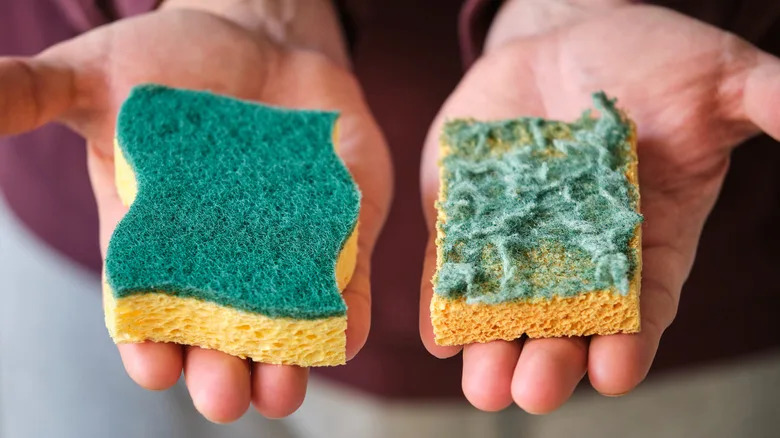
Have you ever stopped to think about how long you’ve been using the same kitchen sponge? It might seem harmless, but keeping a sponge for too long can turn your cleaning tool into a breeding ground for germs.
You probably want your kitchen to stay fresh and safe, right? Knowing the right time to replace your sponge can save you from unknowingly spreading bacteria and keep your dishes sparkling clean. You’ll discover exactly how long you should use a kitchen sponge—and why replacing it at the right moment matters more than you think.
Keep reading to protect your home and make your cleaning routine smarter.
Sponge Lifespan Basics
Understanding the basics of a kitchen sponge’s lifespan helps you maintain a cleaner, healthier kitchen. Sponges are breeding grounds for bacteria if left too long, so knowing when to replace them is crucial. Let's break down how to tell if your sponge is past its prime and what affects how long it lasts.
Signs It's Time To Replace
Does your sponge start to smell even after rinsing? That’s a clear sign it’s time for a new one. Notice any discoloration or a slimy texture? These are red flags that bacteria have taken over.
If your sponge falls apart or loses its scrubbing power, don’t hesitate to toss it. Small tears or crumbling edges reduce its effectiveness and can trap more dirt. Ask yourself: would you feel comfortable using this sponge on your dishes?
Factors Affecting Durability
How often you use your sponge plays a big role in how long it lasts. Using it multiple times a day will wear it down faster than occasional use. The type of cleaning tasks also matter—scrubbing pots with stuck-on food will damage the sponge quicker than wiping counters.
Storage conditions impact durability too. Leaving your sponge in a wet sink or dark corner encourages bacteria growth and speeds up breakdown. Try squeezing out water thoroughly and placing it somewhere dry to extend its life.
- Frequency of use
- Type of cleaning tasks
- Storage and drying methods
- Material quality of the sponge

Credit: www.yahoo.com
Health Risks Of Old Sponges
Old kitchen sponges can be a serious health risk. They trap moisture, food particles, and dirt, creating a perfect home for germs. Using a sponge too long can spread harmful bacteria rather than clean surfaces. Understanding these risks helps keep your kitchen safer and healthier.
Bacteria And Germ Growth
Sponges stay wet and dark, ideal for bacteria growth. Common germs like E. coli and Salmonella thrive on old sponges. These microbes multiply quickly, increasing the chance of illness. Even rinsing does not remove all bacteria.
Dirty sponges can cause unpleasant smells and slime. This indicates harmful bacteria are present. Using such sponges can transfer germs to dishes and countertops. Cleaning with an old sponge can do more harm than good.
Cross-contamination Concerns
Sponges often touch multiple surfaces in the kitchen. This can spread bacteria from raw meat to vegetables or clean dishes. Cross-contamination increases the risk of food poisoning. It is important to replace sponges regularly to reduce this risk.
Using separate sponges for different tasks can help. Avoid using the same sponge for dishes and counters. Proper sponge care limits the spread of bacteria in your kitchen environment.
Cleaning And Maintenance Tips
Kitchen sponges should be replaced every one to two weeks to avoid germs. Frequent cleaning helps but does not remove all bacteria. A fresh sponge keeps your kitchen safe and clean.
Cleaning and maintaining your kitchen sponge is more important than you might think. A fresh and clean sponge not only ensures your dishes are spotless, but it also protects your family from harmful bacteria. But how exactly should you be caring for this little kitchen helper to make sure it stays effective and safe?
Effective Sanitizing Methods
To keep your sponge in tip-top shape, regular sanitization is key. You can microwave your damp sponge for about one minute to kill germs. Alternatively, soak it in a mixture of bleach and water for five minutes to ensure a deep clean. If you prefer a more eco-friendly approach, using a vinegar solution can also work wonders. Simply soak your sponge in equal parts of vinegar and water for a few minutes. This not only disinfects but also helps in deodorizing.
Do’s And Don’ts For Sponge Care
Do replace your sponge every two weeks to maintain hygiene. A worn-out sponge is a breeding ground for bacteria. Don't leave your sponge sopping wet after use. Squeeze out excess water and store it in a well-ventilated area to dry. Do consider using a scrub brush for tougher jobs. This can extend your sponge’s life by preventing it from becoming overly soiled. Don't use the same sponge for different cleaning tasks. Have separate sponges for your dishes, counters, and other surfaces to prevent cross-contamination. These simple yet effective tips can make a big difference in maintaining a clean and healthy kitchen environment. How often do you change your kitchen sponge? It might be time for an upgrade!
Choosing The Right Sponge
Choosing the right kitchen sponge matters for cleaning and hygiene. Different sponges suit different tasks. Picking the best one helps keep your kitchen clean. It also protects surfaces from scratches. Consider the sponge’s material and environmental impact before buying.
Material Types And Benefits
Sponges come in various materials. Each has its strengths and weaknesses. Here are common types:
- Cellulose sponges:Absorb water well and clean gently.
- Synthetic sponges:Durable and scrub tough stains.
- Natural sea sponges:Soft and biodegradable.
- Microfiber sponges:Trap dirt and bacteria efficiently.
Cellulose sponges dry fast, reducing bacteria growth. Synthetic sponges last longer but may hold odors. Sea sponges break down naturally but cost more. Microfiber sponges clean without chemicals, ideal for sensitive surfaces.
Eco-friendly Options
Eco-friendly sponges reduce waste and pollution. They use sustainable materials and break down faster. Some popular choices include:
- Sponges made from bamboo fibers.
- Compostable cellulose sponges.
- Reusable silicone sponges.
These options limit plastic use and save resources. Choose eco-friendly sponges to help the planet. They perform well and last long too.
Alternative Cleaning Tools
If you’re rethinking how long to keep your kitchen sponge, it’s a good time to consider alternative cleaning tools. They can offer different benefits, sometimes making your kitchen routine cleaner and more efficient. Let’s look at two popular options that might fit your needs better than a sponge.
Brushes And Cloths
Brushes and cloths are excellent alternatives that often last longer and dry faster than sponges. A stiff-bristled brush can tackle stuck-on food without trapping bacteria inside. Cloths, especially microfiber ones, absorb spills well and can be easily washed in the laundry.
I switched to using a dish brush a while ago and noticed my sink area felt fresher. The brush dries quickly, so it doesn’t develop that unpleasant smell like sponges do. Plus, you can scrub pots and pans without worrying about the sponge breaking down.
Think about how often you clean your sponge. Could a washable cloth or brush reduce your need to replace cleaning tools so often? These options offer a practical way to maintain hygiene without frequent disposal.
Disposable Wipes
Disposable wipes provide convenience and hygiene, especially for quick clean-ups. They’re pre-moistened and often contain antibacterial agents, which can cut down the time spent scrubbing. However, they’re a single-use option, so they create more waste.
Using disposable wipes can be handy when you’re short on time or want to avoid cross-contamination between surfaces. Just be mindful of their environmental impact and choose biodegradable options when possible. How often do you find yourself reaching for a quick wipe instead of a thorough scrub?
Both brushes and cloths, along with disposable wipes, offer different advantages. Your choice depends on your cleaning habits, kitchen messes, and how much effort you want to put into maintaining your tools. Have you tried mixing these tools to find what works best for you?

Credit: www.goodhousekeeping.com

Credit: food52.com
Frequently Asked Questions
How Often Should You Replace A Kitchen Sponge?
Replace your kitchen sponge every 1 to 2 weeks. Frequent use causes bacteria buildup, which can lead to contamination. Regular replacement ensures hygiene and prevents unpleasant odors in your kitchen.
Can You Sanitize A Kitchen Sponge Instead Of Replacing It?
Yes, you can sanitize a kitchen sponge by microwaving it for 1-2 minutes or soaking it in bleach. However, sanitizing only delays replacement and does not eliminate all bacteria permanently.
What Signs Indicate It’s Time To Change Your Sponge?
If your sponge smells bad, feels slimy, or falls apart, it’s time to replace it. These signs show bacteria growth and deterioration, making the sponge ineffective and unsafe to use.
Does Sponge Material Affect Its Lifespan?
Yes, natural fiber sponges tend to last shorter than synthetic ones. Synthetic sponges resist wear and bacterial growth better, extending their usability slightly compared to natural sponges.
Conclusion
A kitchen sponge gets dirty fast. Change it every one to two weeks. This helps stop bacteria from growing. Keep your kitchen clean and safe. Rinse the sponge well after each use. Let it dry completely to avoid smells. Using a fresh sponge saves you from illness.
Small habits protect your health and home. Remember, a clean sponge means a cleaner kitchen. Don’t wait too long to replace it. Your family deserves a healthy cooking space. Simple steps make a big difference.