
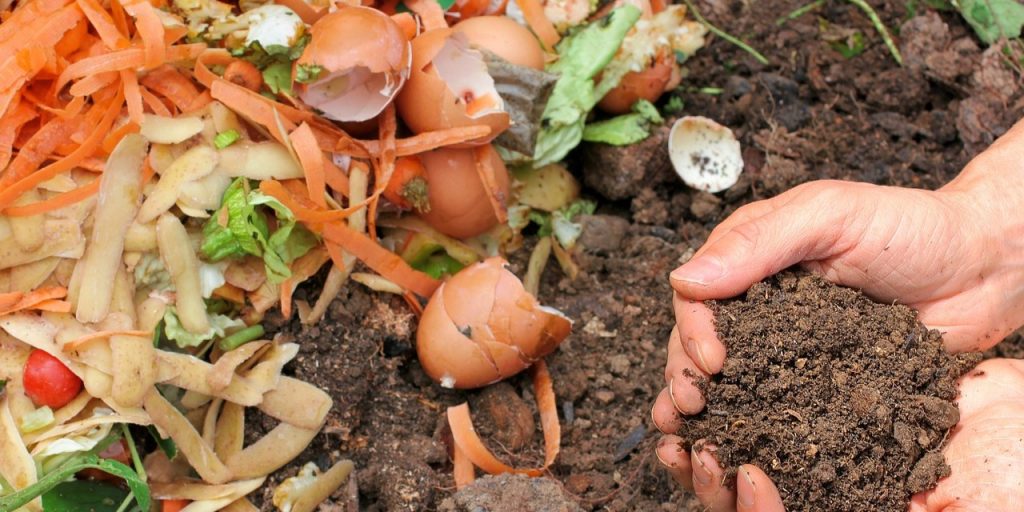
Are you wondering how long it takes to turn your kitchen scraps into rich, healthy compost? Knowing the right time can help you plan better and get the most out of your compost pile.
Whether you're a beginner or have some experience, understanding the composting timeline will make your efforts more rewarding. You’ll discover the key factors that affect composting speed and simple tips to speed up the process. Keep reading to find out how soon you can start using your homemade compost to nourish your garden!
Compost Basics
Understanding the basics of composting is essential before diving into how long it takes to compost kitchen scraps. Composting transforms organic waste into nutrient-rich soil that benefits your garden and reduces landfill waste. Knowing what you can compost and why it matters will help you get the best results from your efforts.
What Can You Compost
Not all kitchen scraps are created equal when it comes to composting. You can add:
- Fruit and vegetable peels
- Coffee grounds and filters
- Eggshells (crushed for faster breakdown)
- Tea bags (check if biodegradable)
- Nut shells
- Small amounts of bread and grains
However, avoid adding meat, dairy, oils, and cooked foods, as they attract pests and slow down composting.
Benefits Of Composting Kitchen Scraps
Composting kitchen scraps doesn’t just reduce waste; it creates a powerful fertilizer for your plants. The process improves soil structure, increases moisture retention, and supports beneficial microbes.
I once started composting my vegetable peels and coffee grounds, and within months, my garden’s health visibly improved with less need for chemical fertilizers. Have you noticed how a simple habit like composting can change your gardening results?
Factors Affecting Compost Time
Composting kitchen scraps does not have a fixed timeline. Many factors influence how fast the scraps break down into rich compost. Understanding these factors helps manage your compost pile better. It also ensures quicker results for your garden.
Scrap Type And Size
The kind of kitchen scraps affects compost speed. Soft scraps like fruit peels break down faster than tough items like eggshells. Smaller pieces decompose quicker than large chunks. Cutting scraps into tiny bits speeds up the process. Hard or dense scraps take longer to turn into compost.
Temperature And Moisture
Warm temperatures boost compost activity. Microbes work best between 100°F and 140°F (38°C to 60°C). Too cold slows decomposition. Moisture is also key. Compost should feel like a damp sponge. Too dry, and microbes stop working. Too wet, and the pile becomes smelly and slow.
Aeration And Turning
Oxygen helps microbes break down scraps efficiently. Turning the compost pile adds air and mixes materials. This speeds up decomposition and prevents bad odors. Lack of turning can cause slow compost and foul smells. Regular aeration keeps the pile healthy and fast.
Speeding Up Composting
Composting kitchen scraps usually takes 2 to 6 months, depending on conditions. Keeping the pile warm and moist helps speed the process. Turning the compost often also breaks down scraps faster.
Speeding up composting can be a game-changer for those eager to see their kitchen scraps turn into rich, usable compost more quickly. While patience is a virtue in the composting world, a few smart techniques can accelerate the process significantly. Imagine turning yesterday's leftovers into garden gold faster than you thought possible. Let's dive into some practical ways to speed up composting.
Chopping And Shredding
Breaking down your kitchen scraps into smaller pieces can work wonders for composting speed. Smaller pieces decompose faster because they increase the surface area for microbes to work on. Next time you're in the kitchen, take an extra moment to chop up those carrot peels and apple cores. You might be surprised at how quickly things break down when they're not in big chunks. Try using a kitchen knife or even a food processor to make this task easier. It's a small effort for a huge payoff in compost time.
Maintaining Moisture Levels
Moisture is crucial for composting, yet it's often overlooked. Compost should be as damp as a wrung-out sponge. Too dry and the decomposition halts; too wet and you end up with a smelly mess. Check your compost's moisture level regularly. If it's dry, sprinkle some water over it, or add moist scraps. If it's too wet, turn the pile to aerate it and add dry materials like leaves or shredded newspaper.
Using Compost Accelerators
Compost accelerators can give your pile a significant boost. These products contain beneficial bacteria and fungi that speed up decomposition. Think of them as a probiotic for your compost. You can buy commercial compost accelerators, or make a DIY version using ingredients like sugar or yeast. Mix them into your pile to kick-start the process. Have you tried adding an accelerator to your compost? It could be the missing piece in your composting puzzle.
Composting Methods For Fast Results
Composting kitchen scraps can be quick with the right method. Some techniques speed up the process by creating the perfect environment for decomposition. These methods work well for people who want compost fast for their gardens or plants. Understanding each method helps choose what fits best for your needs and space.
Hot Composting
Hot composting uses heat to break down scraps fast. The pile reaches temperatures between 130°F and 160°F. This heat kills most seeds and pathogens. It needs regular turning to add oxygen. Mixing green and brown materials helps maintain heat. Hot compost can finish in just a few weeks. It works best with a large amount of scraps.
Vermicomposting
Vermicomposting uses worms to eat kitchen waste. Red wigglers are the most common worms used. They break down food into rich, dark compost called worm castings. This method works well indoors or small spaces. Worm bins need to stay moist and cool. Vermicomposting can take about 2 to 3 months. It produces nutrient-rich compost for plants.
Bokashi Composting
Bokashi composting ferments scraps using special microbes. It works with all kitchen waste, even meat and dairy. The process uses an airtight container to speed fermentation. After 2 weeks, the fermented scraps go into soil or a compost pile. This method reduces odors and pests. Bokashi is great for quick waste breakdown in small spaces.
Signs Of Finished Compost
Knowing when your kitchen scraps have fully composted is key to using the compost effectively. Finished compost looks and feels very different from the original waste you tossed in. Recognizing these changes helps you avoid using compost that’s still breaking down, which can harm your plants.
Appearance And Smell
Finished compost looks dark brown or almost black, similar to rich soil. You won’t see recognizable bits of food or yard waste anymore. Instead, it has a crumbly, uniform look.
The smell is another clear sign. Good compost smells earthy and fresh, like damp forest soil. If it still smells sour, rotten, or ammonia-like, it needs more time to break down.
Texture And Color
Run your fingers through your compost. It should feel soft and loose, not wet or slimy. If it’s sticky or clumpy, the decomposition process isn’t finished yet.
The color should be consistent throughout. Gray or white patches could mean mold, while bright green bits indicate food scraps that haven’t fully decomposed. Both suggest you should wait longer before using it.

Credit: www.andersonandgrant.com
Common Composting Mistakes
Composting kitchen scraps is simple but easy to mess up. Many beginners make common mistakes that slow down the process or cause problems. Avoiding these errors helps create rich compost faster.
Watch out for issues like moisture imbalance, adding wrong materials, and ignoring pests or smells. Fixing these keeps your compost healthy and effective.
Overwatering Or Drying Out
Compost needs the right moisture level to break down scraps. Too much water makes it soggy and smelly. Too little water stops decomposition. Aim for damp like a wrung-out sponge. Check moisture often, especially in hot weather.
Adding Non-compostable Items
Not everything belongs in the compost bin. Avoid meat, dairy, oils, and plastics. These items attract pests and cause odors. Stick to fruit and veggie scraps, coffee grounds, eggshells, and yard waste. This keeps your compost clean and safe.
Ignoring Pests And Odors
Bad smells or pests mean something is wrong. Rotten smells show too much wet or food scraps like meat. Pests arrive when food is exposed or compost is not turned. Turn your pile regularly and cover fresh scraps with dry leaves or soil to keep pests away.
Using Finished Compost
Using finished compost is a smart way to improve your garden naturally. After kitchen scraps break down fully, they turn into dark, crumbly compost. This material enriches soil and helps plants grow strong. Knowing how to use it correctly makes a big difference.
Soil Improvement
Finished compost adds nutrients and organic matter to soil. It improves soil structure, making it loose and easy to work with. Compost helps soil hold water better, which keeps plants hydrated longer. It also encourages beneficial microbes that support plant health. Mixing compost into garden beds boosts soil fertility and vitality.
Plant Feeding Tips
Use compost as a natural fertilizer for your plants. Spread a thin layer around the base of flowers, vegetables, and shrubs. Avoid piling compost directly against plant stems to prevent rot. For potted plants, mix compost with potting soil for extra nutrients. Top-dress lawns with compost to feed grass and improve soil quality. Apply compost during planting or as a regular feeding every few months.

Credit: thewoodlandstownshipblog-environment.com

Credit: www.yahoo.com
Frequently Asked Questions
How Long Does Kitchen Scrap Composting Take?
Composting kitchen scraps typically takes 3 to 6 months. Factors like temperature, moisture, and aeration affect the process speed. Regularly turning the compost speeds decomposition. Proper balance of green and brown materials is essential for faster results.
What Affects The Composting Time Of Kitchen Scraps?
Composting time depends on temperature, moisture, aeration, and material size. Hotter conditions speed up decomposition. Shredded scraps break down faster than whole pieces. Maintaining proper moisture and turning the pile helps microbes work efficiently, reducing compost time.
Can I Speed Up Composting Kitchen Scraps?
Yes, you can speed up composting by shredding scraps and maintaining moisture. Regularly turning the pile adds oxygen, boosting microbial activity. Adding compost activators or nitrogen-rich materials also accelerates decomposition. These practices can reduce compost time to just a few weeks.
Is Composting Kitchen Scraps Safe For The Garden?
Yes, composting kitchen scraps creates nutrient-rich soil that benefits plants. Avoid meat, dairy, and oily foods to prevent pests and odors. Proper composting kills harmful pathogens, making the compost safe and healthy for garden use.
Conclusion
Composting kitchen scraps usually takes about three to six months. This depends on the materials, temperature, and how often you turn the pile. Small pieces break down faster than large ones. Keeping the compost moist helps speed up the process.
In the end, you get rich soil for your plants. Start composting today and reduce your kitchen waste. Your garden will thank you. It’s simple, natural, and good for the planet. Try it and watch your scraps turn into black gold.