
Have you ever wondered how long to microwave your kitchen sponge to keep it clean and safe? Your sponge is one of the dirtiest items in your kitchen, full of bacteria that can make you sick.
But before you zap it in the microwave, you need to know the right time to avoid burning it or leaving germs behind. You’ll discover the perfect microwave timing to refresh your sponge quickly and effectively. Keep reading, and you’ll never have to worry about a smelly, dirty sponge again!
Credit: ehclean.com
Why Microwave Your Sponge
Microwaving your kitchen sponge is a simple way to keep it clean and safe. Sponges often hold bacteria from food scraps and moisture. Heating the sponge kills many germs quickly. This small habit helps reduce bad smells and keeps your sponge fresher longer.
Benefits Of Microwaving
- Kills most bacteria and germs in minutes
- Reduces unpleasant odors from your sponge
- Extends the life of your kitchen sponge
- Easy and quick method using common household tools
- Helps maintain a healthier kitchen environment
Common Misconceptions
- Microwaving will not make your sponge catch fire if done properly
- Wet sponge is necessary; dry sponges can burn in the microwave
- Microwaving does not sterilize completely but reduces germs significantly
- Not all sponges are microwave-safe; check the packaging first
- This method is not a replacement for regular sponge replacement

Credit: www.youtube.com
Ideal Microwave Time
Knowing the ideal microwave time for a kitchen sponge helps keep it clean and safe. Microwaving kills many germs and bacteria quickly. But the time must be right. Too short won’t clean well. Too long can damage the sponge or start a fire.
Recommended Duration
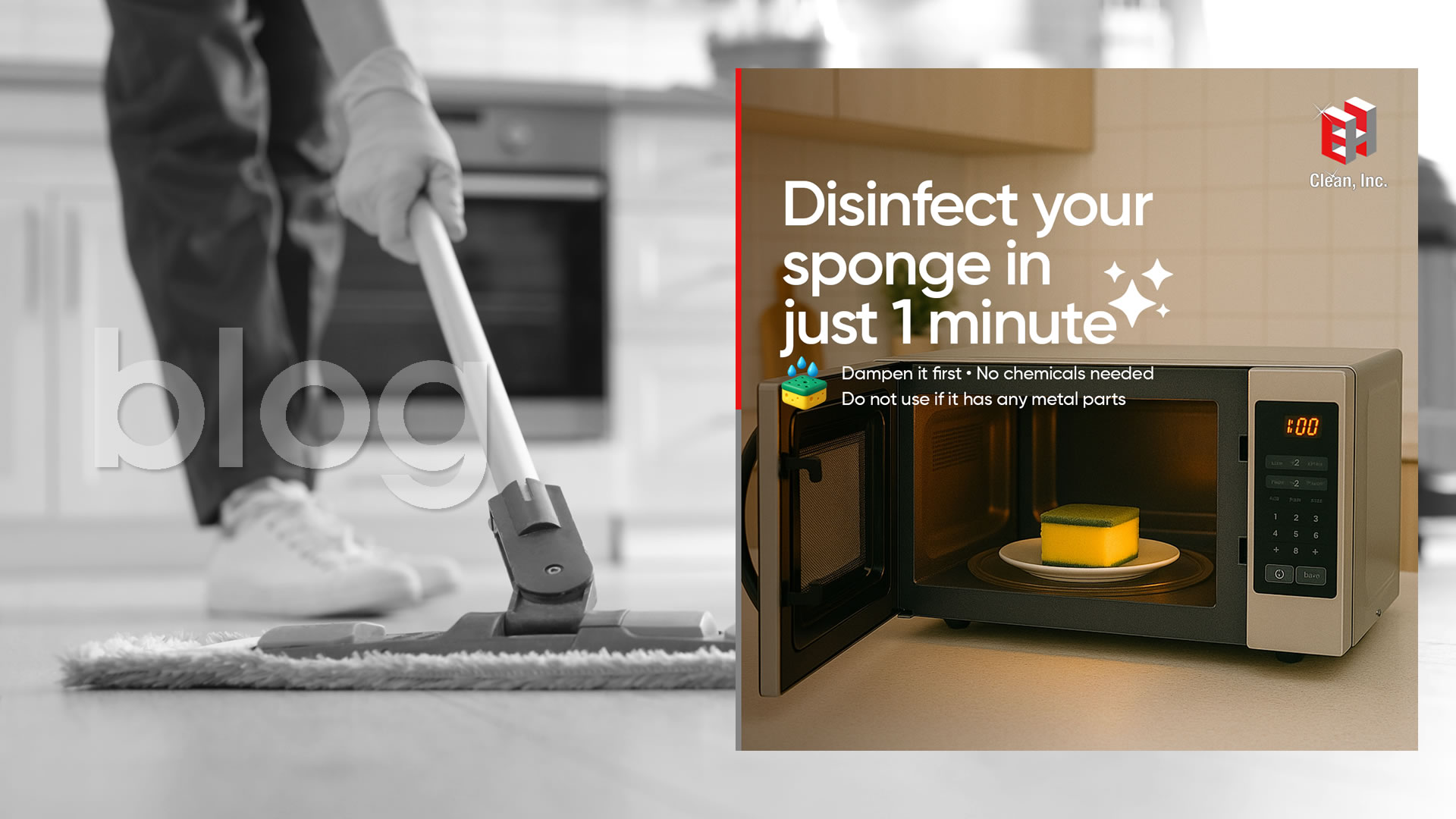
Microwave the sponge on high for about 1 to 2 minutes. This range is effective for most sponges. Before microwaving, make sure the sponge is wet. A dry sponge can catch fire. After microwaving, let the sponge cool down before touching it.
Factors Affecting Time
- Size of the sponge:Larger sponges may need more time.
- Microwave power:Higher wattage microwaves clean faster.
- Wetness:Always keep the sponge wet to avoid burning.
- Material:Some sponges heat unevenly, changing needed time.
Microwaving Steps
Place a damp kitchen sponge in the microwave and heat it for about two minutes. This kills most germs and bacteria effectively. Be careful when removing it, as the sponge will be hot.
Microwaving your kitchen sponge can help eliminate germs. It's a quick and effective way to keep your sponge clean. Follow these simple steps for optimal results.
Preparing The Sponge
Begin with a damp sponge. This is important for safety. A dry sponge can catch fire. Run it under water and squeeze out excess liquid. Ensure it's wet but not dripping.
Microwave Settings
Place the sponge in the microwave. Set the power to high. Heat it for 1-2 minutes. This duration kills most bacteria. Keep a watch to prevent overheating.
Safety Tips
Use caution when removing the sponge. It will be hot. Allow it to cool before handling. Never leave the microwave unattended. Stay nearby to monitor it.
Effectiveness Of Microwave Sanitizing
Microwaving kitchen sponges offers a quick way to sanitize them. The heat from microwaves can kill many germs and bacteria. This method helps reduce the risk of spreading harmful microbes in your kitchen. It is a simple process that most people can do at home.
Kills Bacteria And Germs
Microwaves heat water molecules inside the sponge. This creates steam that destroys bacteria and germs. Studies show microwaving for about two minutes can kill most common bacteria. It works well on sponges that are wet before microwaving. The heat breaks down the cell walls of microbes, making them inactive. This reduces the chance of illness from dirty sponges.
Limitations And Risks
Not all bacteria may be killed by microwaving. Some spores and resistant germs can survive the heat. Overheating dry sponges can cause fires or damage. Always wet the sponge before microwaving to avoid risks. Sponges with metal parts should never be microwaved. The microwave method is a good quick fix but not a full clean. Regular sponge replacement is important for kitchen safety.
Alternative Sponge Sanitizing Methods
Microwaving kitchen sponges is one way to kill germs. Some people prefer other methods to sanitize sponges effectively. These alternative methods also help keep your sponge clean and safe for use. They are simple to do at home and require common household items.
Boiling Water
Boiling water kills most bacteria in a sponge. Place the sponge in a pot of boiling water for about five minutes. This method is quick and does not use chemicals. After boiling, squeeze out excess water and let the sponge dry.
Dishwasher Cleaning
Cleaning sponges in the dishwasher is easy and effective. Put the sponge on the top rack of the dishwasher. Run a hot wash cycle with the drying option. The heat and detergent kill germs and remove food particles.
Bleach Solution
Bleach is a strong disinfectant that sanitizes sponges well. Mix one tablespoon of bleach with one quart of water. Soak the sponge in this solution for five minutes. Rinse the sponge thoroughly with clean water before use.

Credit: www.absolutesolutions.com.sg
Signs To Replace Your Sponge
Knowing when to replace your kitchen sponge is just as important as cleaning it regularly. A sponge that looks fine on the outside might be harboring bacteria or losing its ability to clean effectively. Paying attention to certain signs can save you from spreading germs and help keep your kitchen truly clean.
Wear And Tear
Check your sponge for visible damage like cracks, tears, or pieces falling off. These worn-out spots trap dirt and bacteria, making the sponge less hygienic. If your sponge feels rough or crumbly, it’s time to get a new one.
Persistent Odor
Have you noticed a bad smell that doesn’t go away even after rinsing or microwaving your sponge? This stubborn odor usually means bacteria have settled deep inside. If the smell lingers despite cleaning efforts, replacing the sponge is the safest choice.
Reduced Cleaning Power
Does your sponge leave residue or fail to remove stains as it used to? Over time, sponges lose their scrubbing ability and absorbency. When you find yourself needing extra elbow grease to clean surfaces, consider switching to a fresh sponge to save time and effort.
Frequently Asked Questions
How Long Should I Microwave A Kitchen Sponge?
Microwave your kitchen sponge for 1 to 2 minutes on high power. This kills most bacteria and germs effectively. Ensure the sponge is wet before microwaving to avoid fire risk.
Can Microwaving Sanitize My Kitchen Sponge Safely?
Yes, microwaving a wet sponge for 1-2 minutes sanitizes it safely. It destroys harmful bacteria and reduces odors. Always keep the sponge damp to prevent damage or fire hazards.
How Often Should I Microwave My Kitchen Sponge?
Microwave your kitchen sponge every 2 to 3 days to keep it clean. Regular sanitizing prevents bacteria build-up and unpleasant smells. Replace the sponge monthly for best hygiene.
Will Microwaving Damage My Kitchen Sponge?
Microwaving a wet sponge for 1-2 minutes usually does not cause damage. Dry sponges can catch fire, so always moisten before microwaving. Avoid overheating to extend sponge life.
Conclusion
Microwaving your kitchen sponge helps kill many germs quickly. Usually, heating it for about one to two minutes works best. Avoid overheating to prevent damage or fire risk. Always make sure the sponge is wet before microwaving. This simple step keeps your sponge cleaner and safer to use.
Regular cleaning extends the sponge’s life and keeps your kitchen healthier. Try this easy method often to reduce bacteria buildup. A small habit that makes a big difference in kitchen hygiene.