

Are you thinking about adding a dishwasher to your kitchen but unsure how much it will cost? You’re not alone.
Installing a dishwasher can save you time and make your kitchen more efficient, but the price can vary a lot. Understanding the costs upfront helps you plan your budget and avoid surprises. You’ll discover the key factors that influence the price, what to expect for installation, and tips to get the best value.
Keep reading to find out exactly how much you should set aside to bring this handy appliance into your home.
Credit: www.maytag.com
Dishwasher Installation Costs
Installing a dishwasher in your kitchen involves several cost factors. Understanding these can help you budget accurately. Costs depend on the appliance choice, labor, and any extra plumbing or electrical work needed.
Appliance Price Range
Dishwashers vary widely in price. Basic models start around $300. Mid-range options typically cost between $500 and $800. High-end dishwashers with advanced features can exceed $1,000. Consider size, brand, and energy efficiency when choosing.
Labor And Installation Fees
Professional installation usually costs between $150 and $300. This fee covers connecting the dishwasher to water and power. It also includes testing and ensuring proper drainage. Some installers charge more for complicated setups or tight spaces.
Additional Plumbing And Electrical Work
Extra work may be needed if your kitchen lacks proper hookups. Plumbing upgrades can cost $100 to $400 or more. Electrical work might add $150 to $500 depending on the complexity. These costs vary based on your kitchen’s current layout and local rates.
Factors Affecting Overall Cost
Adding a dishwasher to your kitchen sounds straightforward, but several factors can influence the final cost. Knowing what affects pricing helps you plan better and avoid surprises. Let's break down the key elements that shape your budget.
Kitchen Layout And Space
The design of your kitchen plays a big role in cost. If you have an existing spot for a dishwasher, installation is quicker and cheaper. But if you need to create space by removing cabinets or adjusting countertops, expect higher expenses.
Think about how much room you have. Smaller kitchens may require custom solutions, which can raise costs. Have you checked if your kitchen layout can easily fit a standard dishwasher without major changes?
Type Of Dishwasher
Your choice of dishwasher impacts the price significantly. Built-in models are popular but can vary from budget-friendly to high-end luxury. Portable or countertop dishwashers usually cost less but might not fit your needs.
Consider features like noise level, energy efficiency, and drying options. Premium models with smart technology often come with a higher price tag. What features matter most to you in a dishwasher?
Home Wiring And Plumbing Condition
Dishwashers need proper plumbing and electrical connections. If your kitchen already has these in place, installation is simpler and cheaper. However, outdated or missing wiring and plumbing can add to your costs.
Have you inspected your home’s current setup? Sometimes, upgrading pipes or adding a dedicated electrical circuit is necessary. These hidden costs can catch you off guard if not planned for.
Cost Saving Strategies
Adding a dishwasher can be a smart upgrade for your kitchen. It saves time and water, but costs can add up. Smart shoppers can find ways to save money. Here are some strategies to help you spend less.
Choosing Energy-efficient Models
Energy-efficient dishwashers save money in the long run. They use less water and electricity. Look for the Energy Star label. It ensures the model meets strict standards. An efficient model reduces utility bills. It is both eco-friendly and budget-friendly.
Diy Installation Possibilities
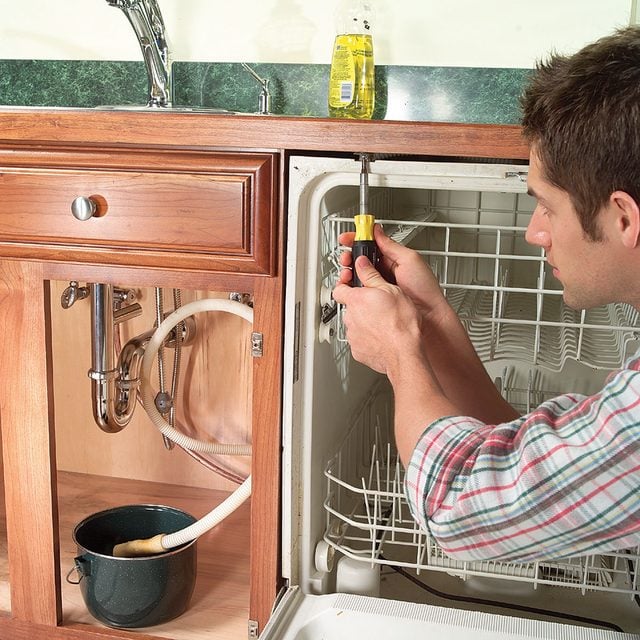
Consider installing the dishwasher yourself. It can significantly reduce costs. Ensure you have the right tools. Follow instructions carefully to avoid mistakes. Many online tutorials guide you step-by-step. Check if your home’s plumbing supports the installation.
Timing Your Purchase
Timing your purchase can lead to big savings. Watch for sales during holidays. Many stores offer discounts during these times. Check for clearance sales on older models. Prices drop as new models arrive. Be patient and wait for the right deal.
Credit: www.familyhandyman.com
Permits And Regulations
Adding a dishwasher to your kitchen is more than just picking out a model and finding a spot. You need to think about the rules that keep your home safe and up to code. Permits and regulations can affect how much your project will cost and how long it will take.
Local Building Codes
Every town or city has its own building codes that set the standards for home improvements. These codes cover plumbing, electrical work, and sometimes even the size or placement of appliances like dishwashers.
Checking your local building codes before starting can save you from costly mistakes. For example, some areas require a specific type of water connection or a dedicated electrical circuit for dishwashers.
Have you ever thought about what might happen if your new dishwasher installation doesn’t meet local standards? It could lead to fines or the need to redo the work, which adds unexpected costs.
When Permits Are Needed
Permits are often required for any work involving plumbing or electrical changes. Installing a dishwasher usually means you’ll need both, so don’t skip this step.
Whether you need a permit depends on your location and the scope of the work. Simple installations might be permit-free, but if you’re changing pipe layouts or wiring, permits are almost always necessary.
It’s a good idea to call your local building department and ask about permit requirements. This way, you’ll avoid delays and keep your project moving smoothly.
Common Installation Challenges
Adding a dishwasher to your kitchen sounds straightforward, but you might face some common challenges during installation. These issues can affect your budget and timeline if you're not prepared. Understanding these hurdles helps you plan better and avoid surprises.
Space Constraints
One of the biggest challenges is finding enough space for the dishwasher. Kitchens with limited cabinet space or odd layouts may require removing or modifying existing cabinetry. Have you checked if your available space fits standard dishwasher dimensions, usually around 24 inches wide?
Sometimes, you might need to adjust countertops or move drawers to make room. If your kitchen is tight, a compact or drawer-style dishwasher could be a practical solution. Think about how much space you can realistically free up without compromising your kitchen’s functionality.
Water Supply Issues
Your dishwasher needs a reliable water connection, which can be tricky if your current plumbing isn't nearby. Extending or rerouting water lines adds complexity and cost. Have you mapped out where your water supply lines are relative to your desired dishwasher spot?
Older homes might have outdated plumbing that doesn’t support dishwasher connections easily. This could mean additional work like installing new valves or pipes. Don’t underestimate the importance of a professional plumber’s assessment before starting.
Electrical Compatibility
Dishwashers require a dedicated electrical outlet with the correct voltage and grounding. If your kitchen lacks this, you’ll face extra electrical work. Have you checked if your current wiring matches the dishwasher’s power requirements?
Sometimes, the circuit breaker panel needs upgrading to handle the added load. Improper wiring can cause safety hazards or appliance malfunction. Hiring a certified electrician ensures your dishwasher runs safely and efficiently.
Maintenance And Long-term Expenses
Adding a dishwasher to your kitchen is not just about the upfront cost. Maintenance and long-term expenses play a big role in what you’ll actually spend over time. Understanding these ongoing costs helps you plan better and avoid surprises.
Routine Cleaning Costs
Keeping your dishwasher clean is essential to avoid bad odors and keep it running smoothly. You might spend a few dollars every month on cleaning agents designed for dishwashers. These cleaners remove grease, limescale, and food buildup that can clog filters and pipes.
Ignoring routine cleaning often leads to more expensive repairs down the line. Have you ever noticed a strange smell or poor cleaning performance? That’s usually a sign you need to clean your machine.
Repair And Replacement Parts
Dishwashers have parts that wear out over time, like door seals, spray arms, and heating elements. Replacing these parts can cost anywhere from $50 to $200, depending on the component and model. It’s smart to set aside a small budget for unexpected repairs.
Some brands offer longer warranties or service plans, which could save you money. But think about how often you use your dishwasher. The more frequent the use, the higher the chance parts may need replacement sooner.
Energy Consumption
Your dishwasher will add to your monthly energy bill, but modern models are quite efficient. Look for Energy Star-rated dishwashers that use less water and electricity. Running your dishwasher during off-peak hours can also reduce energy costs.
Consider how often you run the dishwasher. If you wash small loads daily, energy costs add up faster than if you run full loads less frequently. How do your current habits affect your utility bills?
Credit: www.thegritandpolish.com
Frequently Asked Questions
How Much Does Installing A Dishwasher Cost?
Installing a dishwasher typically costs between $300 and $1,000. This price includes the appliance, plumbing, and electrical work. Costs vary based on dishwasher type and kitchen setup. Additional modifications may increase the price.
What Affects The Cost To Add A Dishwasher?
Costs depend on dishwasher model, kitchen plumbing, electrical work, and labor rates. Older homes may require more modifications. Custom cabinetry or countertop changes also raise expenses.
Can I Install A Dishwasher Myself To Save Money?
DIY installation can save labor costs if you have plumbing and electrical skills. However, improper installation risks leaks or damage. Hiring a professional ensures safety and proper setup.
How Long Does Dishwasher Installation Usually Take?
Professional installation typically takes 2 to 4 hours. Time varies with kitchen complexity and required modifications. Simple installs can be completed faster.
Conclusion
Adding a dishwasher changes your kitchen’s convenience and value. Costs vary based on model, installation, and kitchen layout. Basic units cost less but may lack advanced features. Installation needs plumbing and electrical work, affecting the price. Plan your budget carefully to avoid surprises.
Think about long-term savings from water and energy use. A dishwasher saves time and effort every day. Choose the option that fits your needs and wallet. This small upgrade can make daily life easier.