
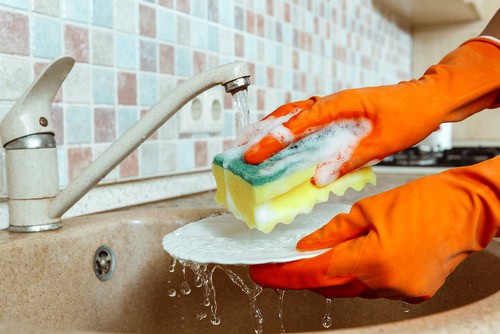
Your kitchen sponge is one of the most used tools in your home, but have you ever stopped to think about how often you should change it? If you’re like most people, you probably keep using the same sponge for weeks or even months without a second thought.
But this simple item can quickly become a breeding ground for bacteria that could affect your health. You’ll discover the signs that show when your kitchen sponge needs to be replaced and learn the best practices to keep your kitchen clean and safe.
Keep reading—you’ll be surprised at how a small change can make a big difference in your daily routine.

Credit: www.absolutesolutions.com.sg
Kitchen Sponge Lifespan
Knowing the lifespan of your kitchen sponge is key to maintaining a clean and healthy kitchen. Sponges can quickly become breeding grounds for bacteria if not replaced regularly. But how do you know when it’s time to toss that sponge and grab a new one?
Signs To Replace Your Sponge
Watch out for unpleasant odors coming from your sponge. A foul smell is a clear sign that bacteria and mold are growing inside.
If your sponge starts to fall apart or looks discolored beyond just normal wear, it’s time to replace it. Texture changes like becoming slimy or overly soft are red flags.
Notice any leftover food particles that don’t rinse out easily? This means your sponge is no longer effective and could spread germs instead of cleaning.
Factors Affecting Durability
The type of sponge you use plays a big role in how long it lasts. Natural sponges may degrade faster than synthetic ones, but synthetic sponges can trap more bacteria.
How often and what you use your sponge for also impacts its lifespan. Frequent use for greasy pans will wear it down quicker than occasional wiping.
Storage conditions matter. Leaving your sponge wet in a dark, warm spot encourages bacterial growth and speeds up decay. Drying your sponge thoroughly after each use can extend its life.
Health Risks Of Old Sponges
Old kitchen sponges are a common source of germs and dirt. They absorb food particles and moisture, creating a perfect place for germs to grow. Using an old sponge can put your health at risk. It is important to understand these risks to keep your kitchen safe and clean.
Bacteria Growth
Sponges hold moisture for a long time. This wet environment helps bacteria multiply quickly. Harmful bacteria like Salmonella and E. coli can live on old sponges. These bacteria can cause food poisoning and stomach problems. The longer you use the same sponge, the more bacteria it collects. Cleaning alone does not remove all germs. Regularly changing your sponge reduces these health dangers.
Cross-contamination Issues
Using the same sponge for different surfaces spreads germs. When a sponge touches raw meat or dirty dishes, it picks up bacteria. Wiping counters or clean dishes with that sponge spreads bacteria everywhere. This cross-contamination can cause illness. It is best to use fresh sponges often to stop germs from spreading in your kitchen.
Best Practices For Sponge Care
Taking care of your kitchen sponge properly can extend its life and keep your kitchen more hygienic. The right care reduces bacteria buildup and prevents bad odors. Let’s look at simple habits you can adopt daily to keep your sponge fresh and safe to use.
Daily Cleaning Methods
Rinsing your sponge thoroughly after each use is crucial. Use hot water and squeeze out as much moisture as possible. This removes food particles and stops germs from settling in.
Microwaving a damp sponge for about 1-2 minutes can kill many bacteria. Just make sure the sponge doesn’t contain any metal and is wet before microwaving to avoid fires. Alternatively, soaking your sponge in a mixture of vinegar and water for 5 minutes can help disinfect it naturally.
Have you tried using your dishwasher’s sanitize cycle? Placing your sponge on the top rack during a hot cycle can also kill bacteria effectively.
Proper Drying Techniques
Keeping your sponge dry between uses is one of the best ways to prevent bacteria growth. After rinsing, store it in a well-ventilated area where air can circulate freely. Avoid leaving it in the sink or on a wet countertop where moisture lingers.
Using a sponge holder with drainage holes or a wire rack can speed up drying. You might also consider replacing your sponge with a silicone scrubber that dries faster and resists bacteria better.
Ask yourself: Is your sponge drying completely between uses? If not, that’s a quick way to invite unwanted germs into your kitchen.

Credit: www.yahoo.com
Alternatives To Traditional Sponges
In the quest for a cleaner and healthier kitchen, many are turning away from traditional sponges. These sponges can harbor bacteria and odors, making them less than ideal for daily use. Fortunately, there are several alternatives that offer both hygiene and efficiency.
Silicone Sponges
Silicone sponges are a game-changer in the world of kitchen cleaning. Made from food-grade silicone, these sponges resist bacteria and are easy to sanitize. You can simply toss them in the dishwasher or boil them for a quick clean.
These sponges are also durable, lasting significantly longer than their traditional counterparts. The flexible design allows you to reach into tight corners and crevices, ensuring a thorough clean. Have you ever thought about how much waste you could reduce by switching to a reusable option like silicone?
Microfiber Cloths
Microfiber cloths are another fantastic alternative. They offer excellent absorbency and can pick up even the smallest particles of dirt. These cloths are reusable, which means less waste and more savings over time.
Cleaning with microfiber is simple. Just wet the cloth, wring it out, and wipe your surfaces. Have you noticed how quickly your counters can shine with just a few swipes?
Choosing alternatives like silicone sponges and microfiber cloths not only benefits the environment but also enhances your kitchen hygiene. What changes will you make to your kitchen cleaning routine today?
Tips To Maintain Kitchen Hygiene
Keeping your kitchen clean helps stop germs and bacteria from spreading. Small habits can improve kitchen hygiene greatly. One key item to focus on is your kitchen sponge. It can hold many germs if not cared for properly. Use these tips to keep your kitchen sponge and space clean and safe.
Regular Replacement Schedule
Change your kitchen sponge every one to two weeks. Sponges get dirty quickly and can grow harmful bacteria. If you use it a lot, replace it more often. Check your sponge for bad smells or visible dirt. These signs mean it is time to get a new one. Using a fresh sponge helps keep your dishes and surfaces clean.
Safe Storage Ideas
Store your kitchen sponge in a dry, well-ventilated place. Avoid leaving it in a wet sink or closed container. Wet sponges stay damp and become a breeding ground for germs. Use a sponge holder or rack that allows air to flow around it. Rinse the sponge well after each use and squeeze out excess water. Proper storage helps your sponge dry faster and last longer.

Credit: www.absolutesolutions.com.sg
Frequently Asked Questions
How Often Should I Change My Kitchen Sponge?
You should change your kitchen sponge every 1 to 2 weeks. Sponges accumulate bacteria quickly, so frequent replacement is essential for hygiene and safety.
Can I Sanitize Kitchen Sponges Instead Of Replacing?
Yes, sanitizing sponges with a microwave or bleach can reduce bacteria. However, it does not fully eliminate germs, so replace sponges regularly for best results.
What Signs Indicate It’s Time To Replace A Sponge?
If your sponge smells bad, feels slimy, or breaks apart, it’s time to replace it. These signs show bacterial buildup and reduced cleaning efficiency.
Does Changing Sponges Prevent Foodborne Illnesses?
Regularly changing kitchen sponges helps prevent foodborne illnesses by reducing harmful bacteria. Keeping sponges clean protects your family from cross-contamination and infections.
Conclusion
Changing your kitchen sponge often keeps your kitchen clean and safe. Bacteria grow quickly on old sponges, causing bad smells and germs. Replace your sponge every one to two weeks for the best results. Rinse and dry it after each use to help it last longer.
Remember, a fresh sponge helps protect your family from illness. Small habits like this make a big difference in kitchen hygiene. Stay healthy by changing your sponge regularly. Simple and easy to do!