

If you run a commercial kitchen, you know how important it is to keep everything running smoothly. But have you thought about your kitchen hood lately?
How often do you really need to clean it? Ignoring this simple task can lead to clogged vents, bad smells, and even dangerous fires. You’ll discover exactly how often your commercial kitchen hood needs cleaning and why sticking to the right schedule can save you money, keep your staff safe, and pass health inspections with ease.
Keep reading to learn the must-know facts that every kitchen owner should follow.
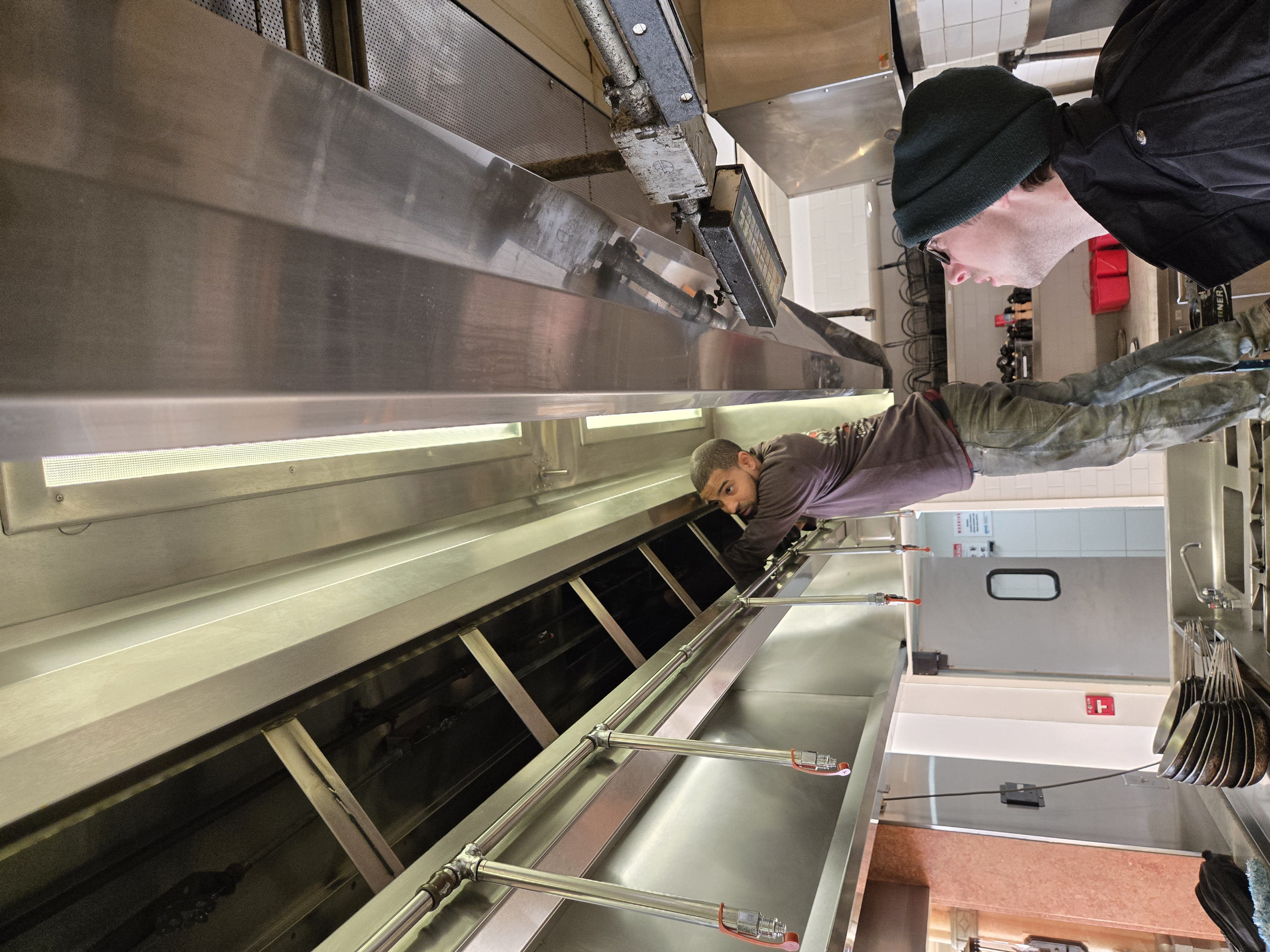
Credit: fox5sandiego.com
Importance Of Kitchen Hood Cleaning
Keeping your commercial kitchen hood clean is not just about appearance—it’s a critical part of running a safe and efficient kitchen. Neglecting this task can lead to serious problems that affect your business, your staff, and your customers. Understanding why regular cleaning matters helps you prioritize it and avoid costly consequences.
Fire Safety Risks
Grease build-up in kitchen hoods is highly flammable. Even a small spark can ignite a dangerous fire. Restaurants that skip regular hood cleaning face increased risks of fire outbreaks, which can cause property damage and endanger lives.
Have you ever thought about how quickly grease can accumulate? It’s often invisible until it becomes a serious hazard. Regular cleaning reduces this risk and keeps your kitchen safer for everyone.
Health And Hygiene
A dirty kitchen hood traps smoke, odors, and airborne grease, which can harm indoor air quality. This affects both staff and customers, potentially causing respiratory issues or allergic reactions.
Cleaning also helps prevent the growth of mold and bacteria in moist, greasy areas. Maintaining a hygienic environment is essential for passing health inspections and protecting your restaurant’s reputation.
Maintaining Equipment Efficiency
When grease clogs your hood and filters, your ventilation system works harder and less efficiently. This increases energy costs and puts extra wear on the equipment.
Regular cleaning keeps your hood running smoothly, extending its lifespan and saving you money on repairs or replacements. How often do you check your hood’s condition? Staying on top of this can improve your kitchen’s overall performance.
Factors Influencing Cleaning Frequency
Understanding the factors that influence how often your commercial kitchen hood needs cleaning is essential for maintaining a safe and efficient kitchen. Not every kitchen has the same requirements. Some need frequent attention while others can stretch out the cleaning intervals without risk.
Type Of Cooking Operations
The kind of cooking you do directly impacts how quickly grease and grime build up in your hood. Frying and grilling release more grease and smoke compared to boiling or steaming.
If your kitchen is heavy on fried foods, you’ll find the hood gets dirty faster and needs cleaning more often. On the other hand, a bakery or deli might require less frequent cleaning because they don’t produce as much airborne grease.
Volume Of Food Preparation
The amount of food prepared daily plays a big role in hood maintenance schedules. High-volume kitchens, like those in busy restaurants or hotels, generate more grease and airborne particles.
Think about a bustling lunch rush versus a quiet café with a few customers. The busier the kitchen, the more often the hood should be cleaned to avoid fire hazards and maintain air quality.
Hood And Ventilation Design
The design and efficiency of your hood and ventilation system affect how quickly grease accumulates. A well-designed system captures and exhausts fumes more effectively, reducing buildup.
Outdated or poorly maintained ventilation might leave grease trapped in ducts, increasing cleaning frequency. You should assess your system’s condition regularly to determine the right cleaning schedule.
Recommended Cleaning Intervals
Keeping commercial kitchen hoods clean ensures safety and efficiency. Grease and grime build-up can lead to fire hazards. Regular cleaning minimizes risks and maintains air quality. Cleaning intervals depend on kitchen activity levels. Below, explore recommended cleaning schedules for different types of kitchens.
High-volume Kitchens
High-volume kitchens operate daily with extensive cooking. Fast food restaurants and busy diners fit this category. Clean hoods every month to avoid grease accumulation. Regular checks ensure compliance with safety standards.
Moderate-use Kitchens
Moderate-use kitchens serve meals regularly but with less intensity. Casual dining restaurants and school cafeterias often fall here. Clean these hoods every three months. This schedule balances safety and cost-effectiveness.
Low-use Kitchens
Low-use kitchens operate infrequently. They might host occasional events or private functions. Examples include church kitchens and community centers. Clean these hoods every six months. Regular maintenance keeps systems safe and functional.
Signs Your Hood Needs Cleaning
Knowing when to clean your commercial kitchen hood is key to safety and efficiency. The hood can collect grease and dirt fast. This buildup can cause fires or reduce the hood’s performance. Watch for clear signs that tell you it’s time to clean the hood.
Visible Grease Buildup
Grease can stick to the hood’s surface and filters. Look for shiny, sticky patches or thick layers of grease. These spots show the hood is dirty and needs cleaning. Don’t ignore even small grease patches. They can grow quickly and block airflow.
Unusual Odors
Strong or strange smells can come from the hood. Grease and food particles trapped inside can rot and cause bad odors. If your kitchen smells musty or smoky, the hood might be dirty. This is a clear sign to clean it out soon.
Reduced Airflow
Check how well the hood pulls air. If the airflow feels weak or slower than usual, grease could be clogging the filters or ducts. Poor airflow means the hood can’t remove smoke and heat properly. Cleaning will help restore proper ventilation.
Professional Vs. Diy Cleaning
Deciding between professional and DIY cleaning for your commercial kitchen hood can impact both safety and efficiency. While DIY methods might seem cost-effective and convenient, professional cleaning offers thoroughness and compliance with health standards. Understanding the benefits and limitations of each approach helps you maintain a cleaner, safer kitchen environment.
Benefits Of Hiring Experts
Professional cleaners bring specialized tools and knowledge that ensure every part of your kitchen hood is spotless. They know exactly where grease builds up and how to remove it without damaging your equipment.
Experts also follow strict safety regulations and local fire codes, reducing the risk of kitchen fires. Their service often includes a detailed inspection, helping you catch potential problems before they escalate.
Remember, your kitchen hood affects air quality and equipment lifespan. Hiring professionals can protect your investment and keep your staff safe.
Steps For Routine Diy Maintenance
You can handle regular upkeep to extend the time between professional cleanings. Start by wiping down accessible surfaces of the hood and filters daily with warm, soapy water to prevent grease buildup.
Check filters weekly and soak them in a degreasing solution if necessary. Never use abrasive tools that could damage the filter mesh.
- Turn off all power sources before cleaning.
- Remove and clean drip trays to avoid overflow.
- Use a non-abrasive cloth or sponge for wiping surfaces.
- Inspect for any visible grease or smoke stains regularly.
How often do you inspect your hood? Keeping a simple cleaning log can help you stay consistent and catch issues early.
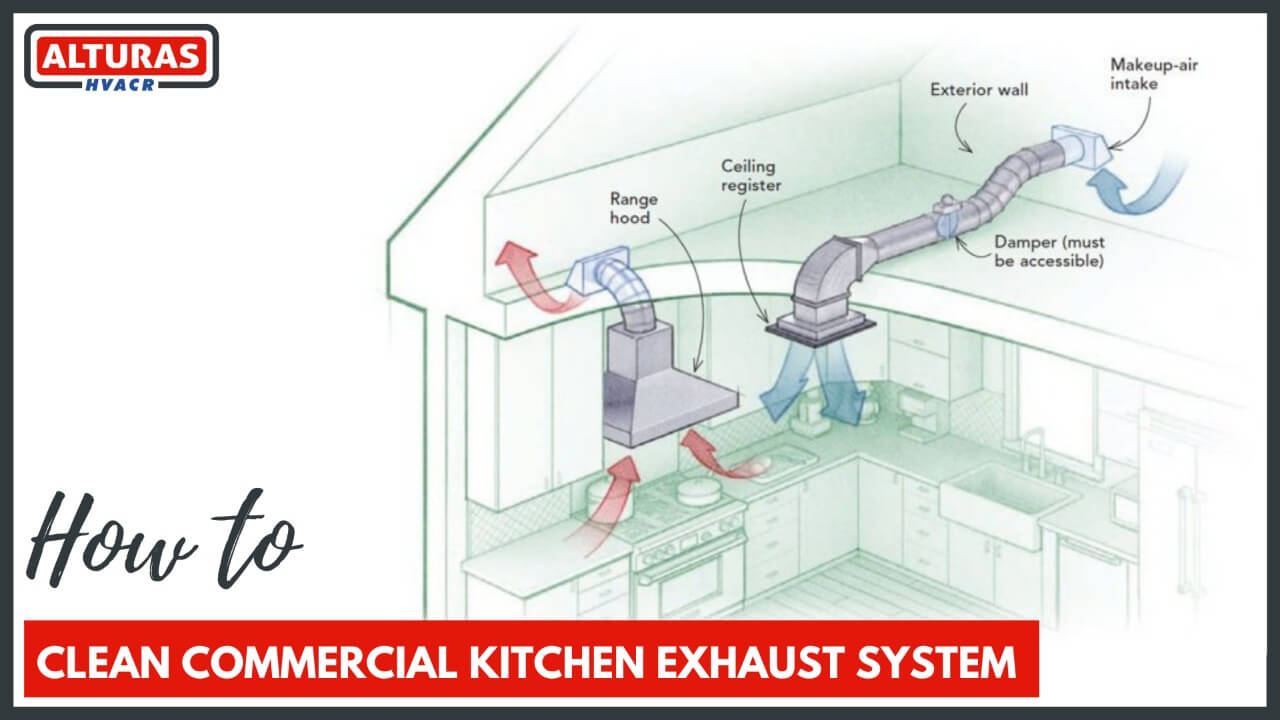
Credit: alturascontractors.com
Legal And Insurance Requirements
Keeping your commercial kitchen hood clean isn’t just about hygiene or efficiency—it’s a legal necessity and an insurance must-have. Ignoring these requirements can lead to hefty fines or even void your insurance coverage. Understanding these rules helps you avoid unexpected setbacks and keeps your kitchen running smoothly.
Local Fire Codes
Local fire codes dictate specific cleaning schedules for commercial kitchen hoods based to the volume and type of cooking. These regulations exist because grease buildup is a major fire hazard. If your hood isn’t cleaned according to the local fire department’s standards, you risk penalties or forced closure.
For example, kitchens with heavy grease output might need cleaning every month, while lighter-use kitchens could be on a quarterly schedule. Have you checked your local fire code lately? Staying updated can save you from surprises during inspections.
Insurance Policy Implications
Your insurance policy likely requires proof of regular hood cleaning to maintain coverage. Insurance companies view uncleaned hoods as high-risk for fires, which can lead to denied claims if a fire occurs. This means even a single missed cleaning can cost you thousands if disaster strikes.
Many insurers ask for cleaning certificates or receipts as part of your risk management. Could skipping a cleaning put your business’s future on the line? Staying proactive with your hood maintenance protects not just your kitchen but your financial security too.
Tips To Extend Cleaning Intervals
Extending the time between commercial kitchen hood cleanings saves effort and cost. This requires simple, regular care and smart choices. Proper maintenance keeps the system efficient and safer. Follow these tips to reduce how often deep cleanings are needed.
Regular Filter Maintenance
Clean filters catch grease and dirt before they build up. Wash or replace filters weekly to keep airflow smooth. Dirty filters slow ventilation and cause faster grease buildup. Use warm water and mild detergent for cleaning. Check filters often for damage or holes. Good filter care reduces the chance of grease fires and odors.
Using Quality Ventilation Equipment
Invest in hoods and fans designed for your kitchen size. Quality equipment moves air better and traps grease efficiently. Look for stainless steel parts that resist rust and corrosion. Properly sized fans prevent excess smoke and heat. Well-built systems need fewer repairs and last longer. This lowers cleaning frequency and keeps air fresh.

Credit: www.aps-hoods.com
Frequently Asked Questions
How Often Should Commercial Kitchen Hoods Be Cleaned?
Commercial kitchen hoods should be cleaned every 3 to 6 months. High-usage kitchens may need monthly cleaning. Regular cleaning prevents grease buildup and fire risks. Follow local fire codes and manufacturer guidelines for specific schedules.
Why Is Regular Hood Cleaning Important?
Regular hood cleaning removes grease and contaminants. This reduces fire hazards and improves air quality. It ensures compliance with health and safety regulations. Proper cleaning also extends the hood’s lifespan and enhances kitchen efficiency.
What Happens If Kitchen Hoods Are Not Cleaned?
Uncleaned hoods accumulate grease, increasing fire risk. It can cause poor ventilation and unhealthy air. This may lead to code violations and fines. Regular cleaning prevents costly repairs and protects staff safety.
Who Should Clean Commercial Kitchen Hoods?
Commercial kitchen hoods should be cleaned by certified professionals. They ensure thorough and safe grease removal. Professionals follow industry standards and local regulations. Hiring experts guarantees quality cleaning and reduces liability.
Conclusion
Regular cleaning keeps kitchen hoods safe and working well. Grease and dirt build up fast in busy kitchens. Cleaning every one to three months is best for most places. Check local rules to avoid fines or closures. Clean hoods help stop fires and improve air quality.
A clean kitchen hood saves money on repairs later. Don’t wait until problems appear. Stay on schedule and keep your kitchen safe and fresh. Simple steps lead to a cleaner, safer cooking space.