
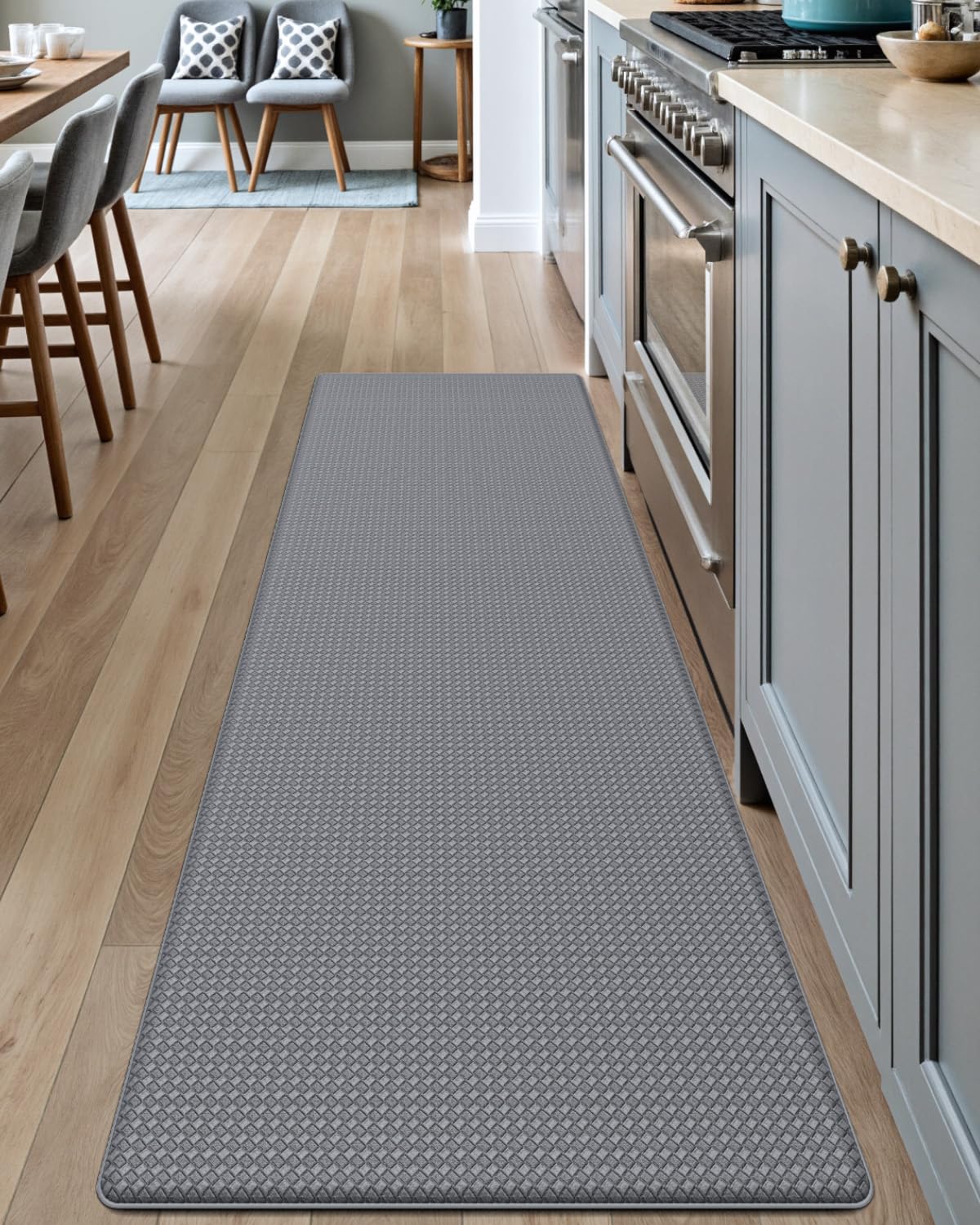
Your kitchen mat may seem like just a small part of your cooking space, but it plays a big role in keeping your kitchen safe and clean. You probably walk on it every day while preparing meals, yet when was the last time you thought about cleaning it?
If you want to avoid germs, spills, and unpleasant odors, knowing how often to clean your kitchen mat is key. Keep reading, and you’ll discover simple tips that can make your kitchen fresher and healthier with minimal effort.

Credit: www.tasteofhome.com
Importance Of Cleaning Kitchen Mats
Cleaning kitchen mats is more than just a routine chore; it plays a crucial role in maintaining a healthy and safe kitchen space. Neglecting this simple task can lead to unwanted bacteria buildup and increase the risk of accidents. Understanding why cleaning your kitchen mats regularly matters can help you prioritize this often overlooked part of kitchen care.
Hygiene And Safety Benefits
Kitchen mats catch spills, crumbs, and dirt every day, making them a hotspot for germs and bacteria. If not cleaned frequently, these mats can become breeding grounds for harmful microorganisms that might contaminate your food or cause illnesses.
Additionally, a dirty or greasy mat can become slippery, raising the risk of falls and injuries. Keeping your kitchen mats clean ensures a safer cooking environment for you and your family.
Impact On Kitchen Environment
Your kitchen mat affects the overall cleanliness and feel of your kitchen. A fresh, clean mat makes the space look well-maintained and inviting, while a grimy one can make the entire kitchen seem neglected.
Regular cleaning also helps extend the life of the mat by preventing dirt buildup that wears down the material. Have you noticed how a clean mat changes the vibe of your kitchen? It’s a small change that makes a big difference.
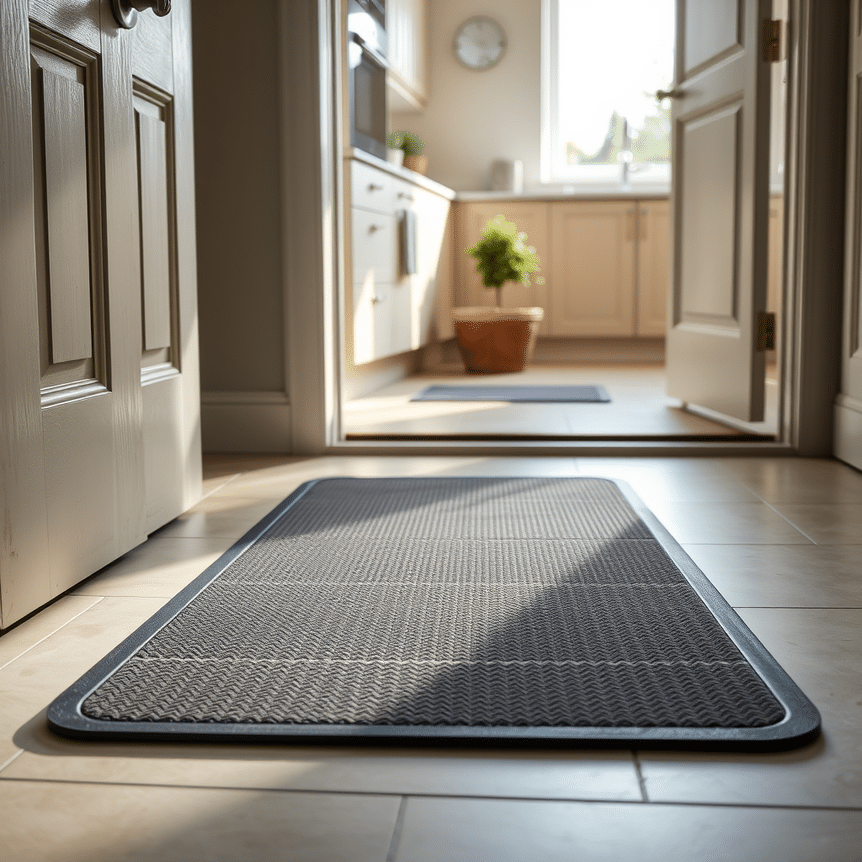
Credit: rugstars.co.uk
Factors Affecting Cleaning Frequency
Several factors influence how often kitchen mats need cleaning. These elements determine the buildup of dirt and grime. Understanding them helps keep mats fresh and safe.
Type Of Kitchen Mat Material
Different materials attract and hold dirt differently. Rubber mats resist stains but collect dust. Fabric mats absorb spills and need more washing. Foam mats can trap crumbs and require regular cleaning. Check the mat’s care instructions for best results.
Kitchen Usage And Traffic
High traffic areas get dirty faster. Busy kitchens with many cooks need more frequent cleaning. Mats near sinks or stoves face more wear. Less used kitchens require less cleaning. Adjust cleaning based on how often the mat is walked on.
Presence Of Spills And Stains
Spills demand immediate attention. Sticky or greasy stains attract bacteria and pests. Clean spills quickly to avoid permanent marks. Frequent spills mean more regular cleaning. Keep an eye on stains to maintain hygiene and appearance.
Recommended Cleaning Schedules
Kitchen mats should be cleaned at least once a week to remove dirt and spills. Heavily used mats may need cleaning more often to maintain hygiene and appearance. Regular washing helps keep your kitchen safe and fresh.
Maintaining the cleanliness of your kitchen mats is crucial for both hygiene and aesthetics. But how often should you clean them? It depends on the level of use and the type of mat you have. A well-structured cleaning schedule can help you keep your kitchen mats in pristine condition, ensuring they remain a safe and clean surface for your busy kitchen activities.
Daily Maintenance Tips
Daily upkeep is essential for keeping kitchen mats free from crumbs and spills. A quick shake outside can dislodge loose dirt and debris. If you have a vacuum, give your mat a swift pass to suck up any stubborn particles. Spot clean any spills with a damp cloth and mild detergent. This prevents stains from setting in and keeps odors at bay. Remember, a clean mat is not only more pleasant but also safer to walk on.
Weekly Deep Cleaning
Once a week, it's time for a more thorough clean. If your mat is machine washable, follow the care instructions and toss it in with your laundry. Use a gentle cycle and mild detergent to avoid damage. For non-machine washable mats, scrub them with a brush using warm water and a gentle cleaner. Rinse thoroughly and hang them up to dry. A clean mat ensures a healthier kitchen environment, so it's worth the effort.
Monthly Intensive Cleaning
Monthly cleaning should focus on deep sanitization. Consider using a steam cleaner for an effective, chemical-free clean that reaches deep into the fibers. If you notice any lingering odors or stains, now is the time to address them with a specialized cleaning solution. Check for any signs of wear and tear; a mat in good condition not only looks better but also performs better in keeping your kitchen safe. How do you currently manage your kitchen mat cleaning? Implementing these tips can make a noticeable difference in both the appearance and hygiene of your kitchen.

Credit: www.yahoo.com
Effective Cleaning Methods
Keeping kitchen mats clean is key to maintaining a healthy kitchen. Dirt, crumbs, and spills collect quickly on mats. Using the right cleaning methods helps keep mats fresh and safe. Proper care also extends their life and keeps your kitchen looking tidy.
Vacuuming And Sweeping
Vacuuming removes loose dirt and dust from kitchen mats. Use a vacuum cleaner with a brush attachment for best results. Sweeping with a soft broom can also clear crumbs and debris. Do this at least once a week to prevent buildup. This simple step keeps mats ready for deeper cleaning.
Washing And Drying Techniques
Washing kitchen mats depends on their material. Machine washable mats should be cleaned on a gentle cycle. Use cold water to avoid shrinking or damage. For non-machine mats, hand wash with mild soap and water. Rinse thoroughly to remove soap residue.
Dry mats completely before using them again. Hang them outside or lay flat in a well-ventilated area. Avoid direct sunlight to prevent fading. Proper drying stops mold and mildew from forming.
Using Cleaning Solutions Safely
Choose cleaning solutions that are safe for your mat’s material. Mild detergents work well for most mats. Avoid harsh chemicals that can damage fibers or cause skin irritation. Test any cleaner on a small area first to check for color changes.
Use a soft cloth or sponge to apply cleaning solutions. Gently scrub stains without rubbing too hard. Rinse with clean water to remove all soap. Always follow the manufacturer’s instructions for best results.
Signs Your Kitchen Mat Needs Cleaning
Knowing when your kitchen mat needs cleaning can save you from unpleasant smells and worn-out surfaces. Sometimes, it’s not about how long you’ve had the mat but how it looks and feels. Paying attention to certain signs helps you keep your kitchen safe and comfortable.
Visible Dirt And Stains
If you notice dirt patches or stains that don’t come off with a quick wipe, it’s a clear sign your kitchen mat needs a thorough cleaning. Grease spots from cooking spills or crumbs stuck in the fibers can build up over time.
Have you ever stepped on a mat and seen dark smudges or sticky areas? These spots not only look bad but also attract more dirt. Regularly check your mat’s surface to catch these early.
Odor And Discoloration
Does your kitchen mat smell musty or have a strange odor? Mats often trap food particles and moisture, leading to unpleasant smells that simple airing out won’t fix. Bad odors are a strong hint to clean or even deep sanitize your mat.
Also, pay attention to color changes. If your mat looks faded or has yellowish patches, it might be time for a wash. Discoloration often means buildup of grime or mold that you can’t see at first glance.
Reduced Cushioning And Wear
Has your kitchen mat lost its comfortable feel? If the cushioning feels thin or uneven, it shows the mat has absorbed dirt or has worn out from constant use. This reduces its ability to support you while you stand cooking.
Look for cracks, tears, or flattened areas. These signs mean the mat’s material is breaking down and can’t protect your feet or the floor properly anymore. Cleaning can sometimes help, but worn mats might need replacing.
Maintaining Kitchen Mats For Longevity
Keeping your kitchen mats in good shape does more than just keep your floor clean—it extends the mat’s life and saves you money. You might not realize how simple habits can make a big difference. Paying attention to how you place and care for your mats helps prevent damage and keeps them looking fresh longer.
Proper Placement And Use
Where you put your kitchen mat impacts how long it lasts. Place mats in areas with moderate foot traffic rather than spots where spills or heavy drops happen often.
Think about your kitchen routine. Do you stand at the sink for long periods? A cushioned mat there can reduce wear from constant pressure. Avoid placing mats on slippery surfaces without a non-slip backing, as this can cause folds or tears.
Also, don’t use kitchen mats as a catch-all for heavy pots or sharp objects. These can puncture or wear the mat down quickly. Instead, reserve the mat for standing comfort and minor spills.
Regular Inspection And Care
How often do you check your kitchen mat for dirt or damage? Regular inspection helps you catch problems early before they worsen.
Look for signs like fraying edges, discoloration, or persistent odors. These signal that your mat needs cleaning or replacement.
Cleaning frequency depends on your kitchen use, but a quick weekly shake-out and monthly deep clean usually work well. Use mild soap and water, and avoid harsh chemicals that break down the material.
Have you tried spot cleaning stains right away? It often prevents permanent marks and keeps mats looking newer.
Frequently Asked Questions
How Often Should Kitchen Mats Be Cleaned?
Kitchen mats should be cleaned every 1 to 2 weeks. Frequent cleaning prevents dirt buildup and bacteria growth. High-traffic areas may need more frequent cleaning for hygiene and safety.
What Is The Best Cleaning Method For Kitchen Mats?
Vacuum regularly and spot-clean stains immediately. For deep cleaning, use mild detergent and warm water. Avoid harsh chemicals to maintain mat quality and safety.
Can Dirty Kitchen Mats Affect Health?
Yes, dirty mats can harbor bacteria and allergens. This increases the risk of contamination and allergies. Regular cleaning ensures a safer and healthier kitchen environment.
How Do I Know When Kitchen Mats Need Cleaning?
If the mat looks visibly dirty or smells, it needs cleaning. Sticky or slippery surfaces also indicate the need for immediate cleaning.
Conclusion
Keeping kitchen mats clean helps maintain a fresh and safe space. Dirt and spills build up fast in busy kitchens. Cleaning them weekly or after heavy use keeps germs away. A clean mat also lasts longer and looks better. Simple care makes your kitchen more comfortable and healthy.
Remember, a little effort goes a long way for cleanliness. Your kitchen mat deserves regular attention to stay in good shape. Clean mats make cooking and cleaning easier every day.