
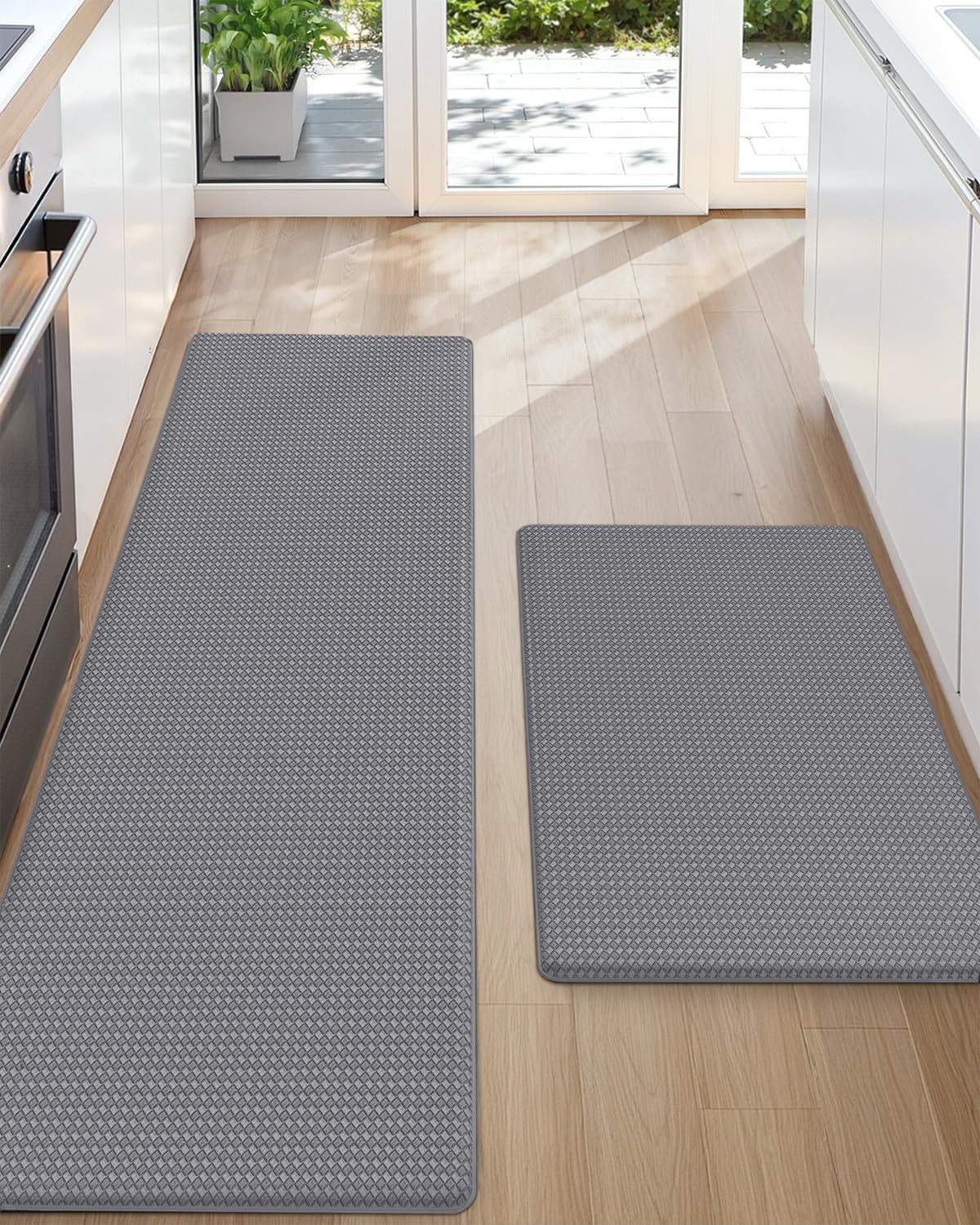
Have you ever stopped to think about how often your kitchen mat gets cleaned? It’s easy to overlook, but your kitchen mat plays a big role in keeping your cooking space safe and comfortable.
If it’s dirty, it can harbor germs and even cause slips. Wondering how often you should clean it to keep your kitchen fresh and safe? Keep reading—this article will give you simple, clear answers so you can take the best care of your kitchen mat and your home.
Credit: www.amazon.com
Importance Of Cleaning Kitchen Mats
Kitchen mats collect dirt, food crumbs, and liquids every day. This buildup can cause bad smells and stains. Dirty mats can also harbor bacteria and germs. Cleaning them keeps your kitchen safe and fresh.
Regular cleaning helps keep mats looking new. It also prevents damage and extends their life. A clean mat makes your kitchen more pleasant to work in. It reduces slips and falls by removing grease and spills.
Health And Hygiene Benefits
Kitchen mats can trap harmful bacteria from food spills. These bacteria can spread to other surfaces. Cleaning mats regularly reduces the risk of illness. It helps maintain a hygienic cooking space.
Improved Safety
Grease and water make mats slippery. This increases the chance of accidents in the kitchen. Washing mats removes these hazards. Safe mats protect you and your family from falls.
Appearance And Comfort
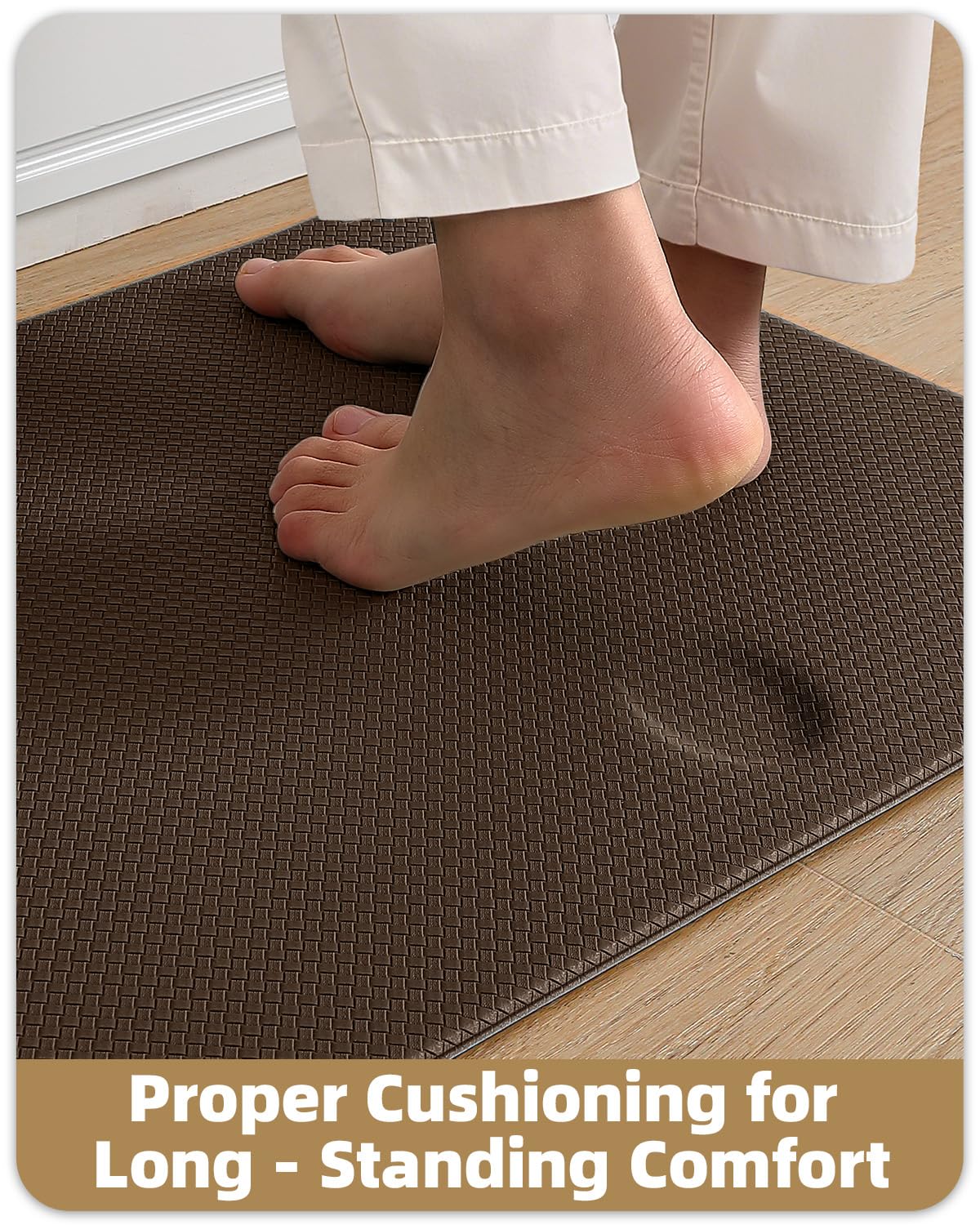
Dirty mats look unattractive and can stain floors. Cleaning keeps them looking neat and fresh. Mats also provide cushioning for your feet. Clean mats make standing in the kitchen more comfortable.
Factors Affecting Cleaning Frequency
Several factors influence how often kitchen mats need cleaning. Understanding these helps keep mats fresh and safe. Cleaning frequency varies by mat type, kitchen use, pets, and spills. Adjusting cleaning routines can extend mat life and maintain hygiene.
Type Of Kitchen Mat
Different mats need different care levels. Rubber mats may need less frequent washing. Fabric mats absorb more dirt and need regular cleaning. Anti-fatigue mats collect sweat and crumbs faster. Choose cleaning schedules based on material and usage instructions.
Kitchen Usage Level
Busy kitchens require more frequent mat cleaning. High traffic brings in more dirt and food particles. Home kitchens used daily need cleaning at least once a week. Less active kitchens can clean mats less often. Regular checks help decide the best cleaning timing.
Presence Of Pets
Pets bring extra dirt, hair, and moisture to mats. Kitchens with pets need more frequent cleaning. Pet fur can stick to mats and cause odors. Regular vacuuming and washing keep mats clean and fresh. Consider pet activity when setting cleaning frequency.
Spill And Stain Frequency
Frequent spills require immediate cleaning to prevent stains. Sticky or oily spills attract bacteria and pests. Wiping spills quickly helps reduce deep stains. Mats in high spill zones need extra attention. Spot cleaning between washes keeps mats hygienic.
Recommended Cleaning Intervals
Kitchen mats should be cleaned every one to two weeks to remove dirt and germs. High-traffic kitchens may need more frequent cleaning to stay fresh and safe. Regular washing keeps mats hygienic and helps prevent slips.
Cleaning kitchen mats regularly keeps them fresh and safe. Proper cleaning intervals ensure they last longer. Let's explore how often you should clean them.
Daily Maintenance Tips
Wipe your kitchen mats daily to remove dust and crumbs. Use a damp cloth for quick cleaning. This prevents dirt from building up. Keep mats dry to avoid mold.
Weekly Deep Cleaning
Vacuum your mats weekly to remove trapped dirt. Use a mild detergent and warm water for a deeper clean. Scrub gently to preserve the material. Rinse thoroughly and air dry.
Monthly Thorough Cleaning
Once a month, give your kitchen mats a thorough wash. Check the manufacturer's instructions for washing machine compatibility. If machine-washable, use a gentle cycle. Hand wash delicate mats with a soft brush. Ensure complete drying before placing them back.
Best Cleaning Methods
Keeping kitchen mats clean is essential for hygiene and longevity. Using the right cleaning methods protects the mat’s material and keeps your kitchen safe. Different mats require different care, so choose the method that fits your mat type and daily use.
Vacuuming And Shaking Out Debris
Regular vacuuming removes loose dirt and crumbs from the mat’s surface. Use a vacuum cleaner with a brush attachment for better results. Shaking out the mat outside helps get rid of dust trapped deep inside. This quick cleaning prevents buildup and keeps mats fresh between deeper washes.
Hand Washing Techniques
Hand washing is gentle and effective for delicate mats. Use warm water and mild detergent to clean the surface. Scrub softly with a sponge or soft brush to remove stains and grime. Rinse thoroughly to avoid soap residue. Hang the mat to air dry completely before reuse.
Machine Washing Guidelines
Check the care label before machine washing your kitchen mat. Use a gentle cycle with cold or warm water. Add mild detergent and avoid bleach or harsh chemicals. Wash mats separately or with similar items to protect fabric. Air dry or tumble dry on low heat to avoid damage.
Using Disinfectants Safely
Disinfectants kill germs but can harm some mat materials. Choose a disinfectant safe for the mat’s fabric. Test on a small area first to check for color fading or damage. Apply disinfectant with a spray bottle or cloth. Let it sit for the recommended time, then wipe or rinse off thoroughly.
Signs Your Kitchen Mat Needs Cleaning
Kitchen mats endure constant foot traffic and kitchen spills. They collect dirt, grease, and crumbs quickly. Recognizing signs your mat needs cleaning helps maintain hygiene and safety. Watch for visible cues that show it’s time for a wash.
Visible Dirt And Stains
Look closely for dirt patches or stains on your kitchen mat. Food spills and grease spots often leave marks. Dirt can build up in the fibers, making the mat look dull. Cleaning removes these stains and brightens the mat’s appearance.
Odor Detection
Kitchen mats can absorb smells from food and moisture. A bad odor means bacteria and mold may be growing. Sniff your mat regularly to catch any unpleasant smells. Fresh mats keep your kitchen smelling clean and inviting.
Slippery Or Sticky Surface
Check the mat’s surface for slipperiness or stickiness. Grease or spilled liquids can make it unsafe to stand on. A sticky mat collects more dirt and becomes harder to clean. Washing restores grip and keeps the mat safe to use.

Credit: www.amazon.com
Maintaining Kitchen Mat Hygiene
Maintaining kitchen mat hygiene helps keep your cooking space clean and safe. Dirt and spills build up quickly on mats. Regular care prevents bacteria and unpleasant smells. Simple steps improve the mat’s lifespan and cleanliness.
Proper Drying Methods
After washing, dry your kitchen mat thoroughly. Moisture encourages mold and mildew growth. Hang the mat outside in fresh air. Avoid direct sunlight to prevent fading. If drying indoors, use a well-ventilated area. Ensure both sides are completely dry before placing it back.
Storage Tips
Store kitchen mats in a dry, cool place when not in use. Roll the mat instead of folding to avoid creases. Keep mats away from damp areas. Clean the mat before storing to avoid attracting pests. Proper storage keeps mats fresh and ready for use.
Replacing Old Mats
Kitchen mats wear out over time. Look for cracks, tears, or thinning areas. Mats that do not stay clean may harbor germs. Replace mats every 1 to 2 years or sooner if damaged. Fresh mats improve kitchen safety and hygiene.

Credit: www.amazon.com
Frequently Asked Questions
How Often Should Kitchen Mats Be Cleaned?
Kitchen mats should be cleaned at least once a week. Frequent cleaning prevents bacteria buildup and removes food debris. High-traffic areas may require more frequent cleaning to maintain hygiene and appearance.
Can Kitchen Mats Be Machine Washed?
Most kitchen mats can be machine washed, but check the care label first. Use gentle cycles and mild detergent. Air dry to prevent damage and maintain mat shape.
What Cleaning Methods Work Best For Kitchen Mats?
Vacuuming removes loose dirt, while spot cleaning tackles stains. For deeper cleaning, use mild soap and warm water. Avoid harsh chemicals to preserve mat quality.
Why Is Regular Cleaning Of Kitchen Mats Important?
Regular cleaning prevents mold, bacteria, and unpleasant odors. It also extends the mat's lifespan and maintains kitchen cleanliness. Clean mats contribute to a healthier cooking environment.
Conclusion
Keeping kitchen mats clean helps maintain a healthy home. Dirt and spills build up quickly on mats. Clean them at least once a week for best results. Busy kitchens may need more frequent cleaning. Regular care prevents stains and bad odors.
It also stops germs from spreading. A clean mat makes the kitchen safer and nicer. Small efforts make a big difference over time. Stay consistent and enjoy a fresh kitchen space every day.