

How often do you clean your kitchen? You might think a quick wipe here and there is enough, but the truth is, regular cleaning plays a bigger role in your health and home than you realize.
Your kitchen is where you prepare meals, store food, and gather with family, making it crucial to keep it spotless. But what does “regular cleaning” really mean? And how often should you tackle different tasks to keep germs, stains, and clutter at bay?
Keep reading to discover simple, effective cleaning routines that fit your lifestyle—and why sticking to them can make a huge difference in your kitchen’s safety and shine.
Kitchen Cleaning Frequency
Keeping your kitchen clean is about more than just appearance; it impacts your health and how you enjoy cooking. The frequency of cleaning depends on how often you use your kitchen and what tasks you do daily. Understanding the right cleaning schedule can save you time and prevent buildup of grime and bacteria.
Daily Cleaning Tasks
Daily cleaning keeps your kitchen fresh and safe. Focus on wiping down countertops, cleaning up spills immediately, and washing dishes right after use. Don’t forget to clean the sink and sweep the floor to avoid crumbs attracting pests.
Have you noticed how quickly crumbs can pile up around your cutting board or toaster? Tackling these small messes every day makes a big difference.
Weekly Cleaning Routine
Once a week, go deeper with your cleaning. Wipe down cabinet doors, clean the microwave inside and out, and mop the floor thoroughly. You should also clean your refrigerator shelves and throw out expired food.
Setting a specific day for these tasks helps make it a habit. What day of the week works best for you to do this more thorough cleaning?
Monthly Deep Cleaning
Monthly cleaning involves tackling areas that get overlooked daily and weekly. Clean behind appliances like the stove and refrigerator, scrub grout lines, and sanitize trash cans. Don’t forget to clean exhaust fans and replace filters if needed.
Deep cleaning can feel like a chore, but the extra effort keeps your kitchen healthier and extends the life of your appliances. Have you ever found forgotten food or hidden grime in hard-to-reach spots during a deep clean?

Credit: www.aol.com
Cleaning High-touch Areas
Cleaning high-touch areas in your kitchen is essential to keep germs at bay and maintain a healthy environment. These spots see constant contact throughout the day, making them hotspots for bacteria and dirt buildup. Staying consistent with cleaning these areas can make a big difference in your kitchen’s overall hygiene.
Countertops And Surfaces
Countertops are where you prepare food, place groceries, and even rest your hands. Wiping them down daily with a disinfectant spray helps reduce bacteria and food residue. Pay special attention to corners and edges where crumbs and spills often hide.
Try using a microfiber cloth for better cleaning without scratching the surface. You might notice that cleaning countertops before and after meal prep saves you from stubborn stains later.
Appliances And Handles
Appliance handles—whether on the fridge, oven, or microwave—are touched multiple times a day. These spots can harbor germs, especially if you handle raw food or snacks with unwashed hands. Wiping these handles with an antibacterial wipe every day keeps them safe to touch.
Don’t forget buttons and knobs on appliances. A quick daily clean here can prevent the spread of bacteria and keep your kitchen looking neat.
Sink And Faucet
Your sink and faucet are used constantly for washing hands, dishes, and food. They attract water spots, soap scum, and germs quickly. Cleaning and disinfecting these areas daily helps prevent buildup and keeps your kitchen smelling fresh.
Pay close attention to faucet handles, as they’re often overlooked but are touched by dirty hands frequently. Have you noticed how a clean sink area makes your kitchen feel more inviting?
Food Safety And Hygiene
Food safety and hygiene are essential parts of kitchen cleaning. Regular cleaning helps stop germs and bacteria from spreading. It keeps the kitchen safe for preparing meals. Clean surfaces reduce the risk of foodborne illnesses. Good hygiene also makes the kitchen a pleasant place to work. Daily attention to cleanliness protects your health and your family’s health.
Preventing Cross-contamination
Cross-contamination happens when germs move from one food to another. It often occurs between raw and cooked foods. Clean surfaces, utensils, and hands stop this spread. Use separate cutting boards for meat and vegetables. Wash hands often, especially after handling raw food. Regular cleaning of kitchen tools helps keep food safe.
Proper Waste Disposal
Waste can attract pests and cause bad smells. Dispose of food scraps and trash every day. Use covered bins to keep pests out. Clean bins regularly to remove residue. Avoid letting waste sit in the kitchen for long. Proper waste disposal keeps the kitchen fresh and hygienic.
Sanitizing Cutting Boards
Cutting boards can hold bacteria after use. Wash boards with hot, soapy water after every use. Sanitize with a diluted bleach solution or vinegar. Let them air dry completely before reuse. Use separate boards for different food types. Sanitizing cutting boards reduces the chance of food contamination.
Tools And Products For Kitchen Cleaning
Regular kitchen cleaning usually happens daily or weekly, depending on use. Basic tools like sponges, brushes, and sprays help keep surfaces clean and safe. Consistent cleaning prevents germs and keeps the kitchen fresh.
Keeping your kitchen clean is essential for maintaining a hygienic and pleasant cooking environment. But with so many cleaning tools and products on the market, it can be hard to know which ones to use. Let's explore some recommended cleaning supplies and the debate between natural and chemical cleaners, plus tips on maintaining your cleaning tools.
Recommended Cleaning Supplies
A well-stocked cleaning arsenal can make kitchen maintenance much easier. Microfiber cloths are a must-have for their ability to trap dust and dirt without scratching surfaces. A sturdy scrub brush can tackle tough grime on pots and pans, while a quality sponge is perfect for everyday dishwashing. Don't overlook the power of a good all-purpose cleaner, which can handle everything from countertops to stovetops.
Natural Vs Chemical Cleaners
Choosing between natural and chemical cleaners often depends on personal preference and sensitivity. Natural cleaners, like vinegar and baking soda, are great for those who want to avoid harsh chemicals. They’re effective and eco-friendly, but may require a bit more elbow grease. Chemical cleaners, on the other hand, often work faster and require less effort, making them a popular choice for busy households. Consider your priorities and choose what's best for your family and lifestyle.
Maintaining Cleaning Tools
Taking care of your cleaning tools ensures they last longer and remain effective. Rinse sponges and microfiber cloths thoroughly after each use and allow them to dry completely to prevent bacteria growth. Replace your sponge regularly, as it can harbor germs. It's also wise to occasionally wash microfiber cloths in hot water and air-dry them to keep them in top condition. Have you ever thought about how the longevity of your cleaning tools impacts your kitchen's cleanliness? A little maintenance goes a long way in keeping your kitchen spotless.
Scheduling And Maintaining Cleanliness
Scheduling and maintaining cleanliness in the kitchen is vital for a healthy home. A clean kitchen reduces germs and prevents pests. It also makes cooking more enjoyable and efficient. Regular cleaning keeps the space fresh and inviting.
Organizing cleaning tasks and sticking to them helps maintain a tidy kitchen. Without a plan, cleaning can become overwhelming or forgotten. Consistency is key to a spotless kitchen that feels welcoming every day.
Creating A Cleaning Calendar
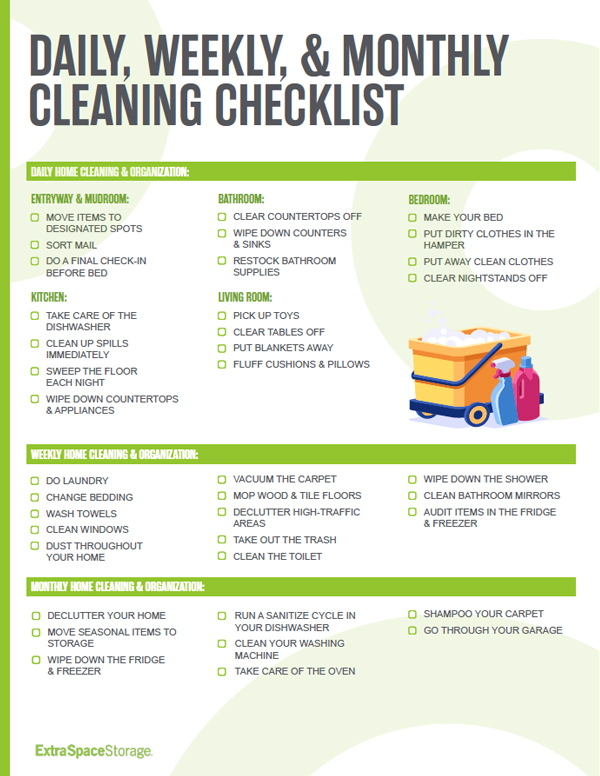
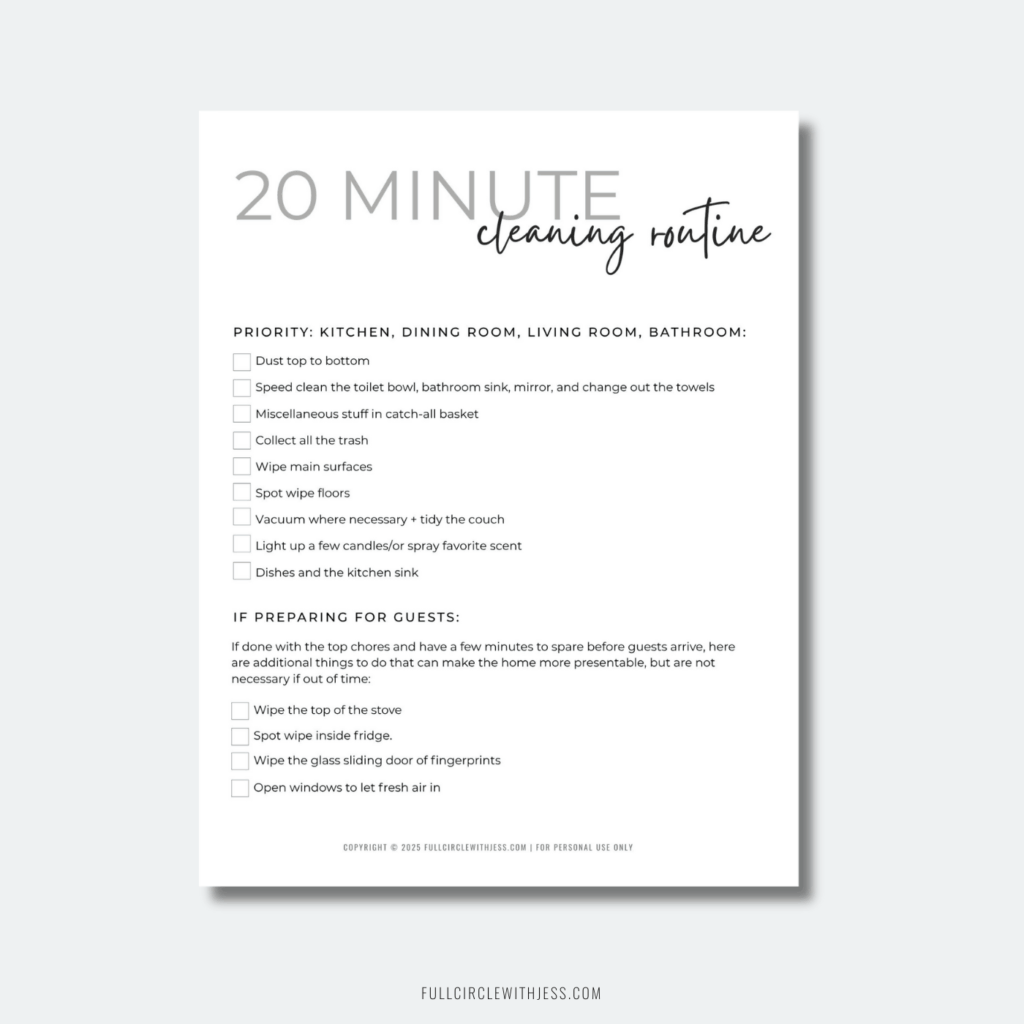
A cleaning calendar helps organize kitchen chores by day or week. It breaks down tasks into manageable parts. For example:
- Daily: Wipe counters, wash dishes, clean sink
- Weekly: Mop floor, clean fridge shelves, wipe cabinet doors
- Monthly: Deep clean oven, scrub grout, clear pantry
Using a calendar keeps tasks visible and easy to follow. It prevents buildup of dirt and clutter.
Involving Household Members
Sharing kitchen cleaning duties makes the job lighter. Everyone contributes to a healthier space. Assign simple tasks based on age and ability. For instance:
- Kids can clear the table or wipe counters
- Adults can handle deep cleaning and heavy tasks
Teamwork encourages responsibility and keeps the kitchen cleaner for longer.
Tips For Consistency
- Set reminders on phones or calendars
- Keep cleaning supplies handy and organized
- Make cleaning part of daily routines
- Reward small achievements to stay motivated
- Focus on one task at a time to avoid feeling overwhelmed
Consistency builds habits that keep the kitchen sparkling without stress.
Credit: www.extraspace.com
Credit: fullcirclewithjess.com
Frequently Asked Questions
How Often Should I Clean My Kitchen Counters?
Kitchen counters should be cleaned daily to remove dirt and bacteria. Wipe them after cooking or meal prep for hygiene and safety.
When Is The Best Time For Deep Kitchen Cleaning?
Deep cleaning is recommended once a month. It includes scrubbing appliances, cabinets, and floors to maintain a spotless kitchen.
How Frequently Should Kitchen Appliances Be Cleaned?
Clean kitchen appliances like the fridge and oven monthly. This prevents buildup and keeps them working efficiently and hygienically.
How Often Should Kitchen Sinks Be Sanitized?
Sanitize kitchen sinks daily to avoid bacteria growth. Use disinfectant or bleach solutions to keep the sink clean and safe.
Conclusion
Regular kitchen cleaning keeps your space safe and fresh. Daily wipes stop germs from spreading. Weekly deep cleaning removes hidden dirt and grease. Monthly checks prevent buildup in hard spots. Clean kitchens help food taste better and last longer. A simple routine saves time and effort.
Stay consistent for a healthy home. Your kitchen will feel inviting every day. Small steps make a big difference in cleanliness. Keep it simple, keep it clean.