
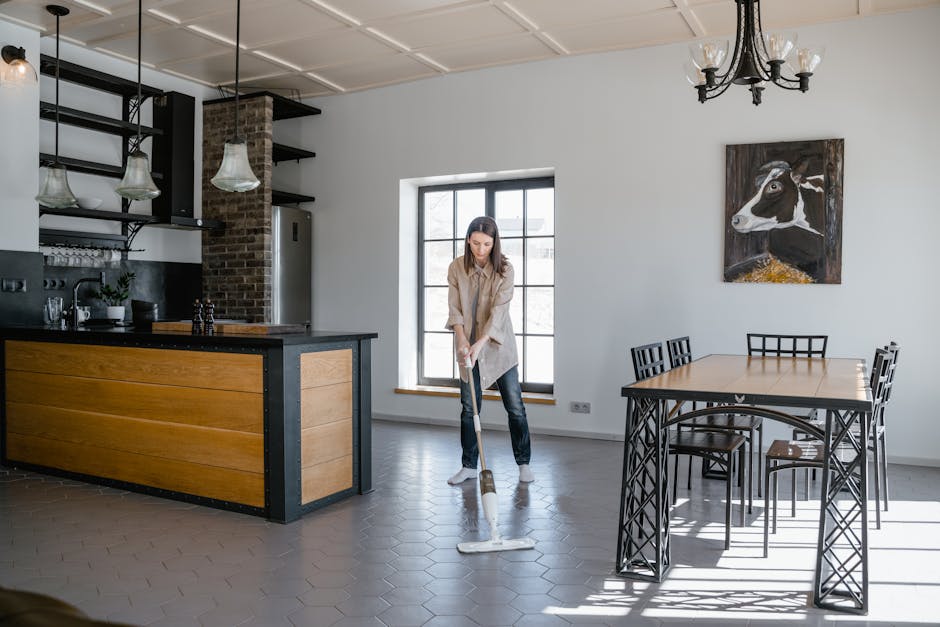
How often do you clean your kitchen floor? You might think it’s not a big deal, but a dirty floor can affect your health and the overall feel of your kitchen.
If you want a fresh, inviting space where you love to cook and spend time, knowing the right mop schedule is key. You’ll discover the perfect frequency to mop your kitchen floor—saving you time, keeping germs away, and making your kitchen shine.
Keep reading to learn simple tips that will make your cleaning routine easier and more effective!

Credit: www.goodhousekeeping.com
Why Mop Regularly
Mopping the kitchen floor regularly keeps the space clean and safe. Dirt, spills, and crumbs build up quickly in this busy area. Regular cleaning stops germs from spreading and prevents stains. It also helps the floor last longer and look fresh. Here are key reasons to mop your kitchen floor often.
Health Benefits
Mopping removes bacteria and germs from the floor surface. This lowers the risk of illness for everyone in the home. Kitchens often have food particles that attract pests and cause mold. Regular mopping keeps these harmful elements away. It improves indoor air quality and creates a safer cooking area.
Maintaining Appearance
A clean floor looks bright and inviting. Dirt and stains make the kitchen look messy and worn out. Mopping regularly prevents buildup of grime and sticky residues. It keeps the floor’s color and finish fresh for a longer time. A shiny, spotless floor improves the entire kitchen’s feel.
Preventing Damage
Spills and dirt left on the floor can cause damage. Liquids may seep into cracks and cause warping or discoloration. Grit and sand can scratch the surface when walked on. Regular mopping removes these risks and protects the floor’s material. It saves money on repairs and floor replacement later.
Credit: www.housework.com
Factors Affecting Mopping Frequency
Knowing how often to mop your kitchen floor depends on several important factors. These factors affect how quickly dirt and spills build up. Some kitchens need mopping every day. Others can wait a few days. Understanding these elements helps keep your floor clean and safe.
Household Size
The number of people in your home changes how fast floors get dirty. More people means more crumbs and spills. Larger families often need to mop more often. Smaller homes with fewer residents may mop less.
Foot Traffic
Busy kitchens with many footsteps collect dirt faster. Shoes bring in dust, mud, and debris. High foot traffic areas require frequent cleaning. Low traffic kitchens may stay cleaner longer.
Kitchen Activity Level
How much cooking and eating happens affects dirt buildup. Frequent cooking creates grease and food spills. Eating in the kitchen adds crumbs and stains. More activity means more mopping is needed.
Type Of Flooring
Floor material changes how easy it is to clean. Tile and vinyl floors handle water well and mop easily. Wood floors need gentle cleaning and less water. Some floors show dirt more, so they need more mopping.
Daily Cleaning Tips
Keeping your kitchen floor clean every day doesn’t have to take much time or effort. Small daily habits can prevent dirt and grime from building up, making your weekly mopping easier and more effective. Let’s look at simple steps you can take to maintain a fresh and tidy kitchen floor every day.
Sweeping And Spot Cleaning
Sweeping your kitchen floor daily stops dirt and crumbs from settling into corners or under appliances. Use a soft broom or a vacuum designed for hard floors to catch all debris quickly.
Spot cleaning is your best friend for maintaining a spotless floor. When you notice dirt or sticky spots, wipe them immediately with a damp cloth or mop. This habit keeps stains from becoming stubborn and saves you from scrubbing later.
Dealing With Spills Immediately
Spills happen, but how fast you clean them can make all the difference. Instead of waiting until the end of the day, grab a cloth or paper towel to soak up spills right away.
Leaving spills unattended not only makes your floor sticky but can also cause damage or attract pests. Think about how much easier it is to wipe away a small drop of juice than to scrub a sticky residue hours later.
Recommended Mopping Schedules
Keeping your kitchen floor clean is essential for a healthy home. Mopping frequency depends on your kitchen's usage. Different traffic levels require different mopping schedules. Here’s a guide to help you maintain a clean kitchen.
Low Traffic Kitchens
Low traffic kitchens are used sparingly. Consider mopping once a week. This schedule helps prevent dirt build-up. Use a gentle cleaner to protect your floor’s finish. Regular sweeping also helps maintain cleanliness between mops.
Moderate Traffic Kitchens
Moderate traffic kitchens see daily use. Aim to mop twice a week. This routine keeps the floor hygienic and fresh. Pay attention to spills and stains. Clean them immediately to avoid sticky residues.
High Traffic Kitchens
High traffic kitchens are bustling with activity. Mop every day for the best results. Use a durable mop for tough stains and grime. Consider a deep clean weekly. This ensures thorough sanitation and a sparkling floor.
Choosing The Right Cleaning Products
Choosing the right cleaning products is key to keeping your kitchen floor spotless and safe. The wrong cleaner can damage your floor or leave harmful residues. Selecting the best product depends on your floor type and personal preferences. Understanding the options helps maintain cleanliness without causing harm.
Safe Solutions For Different Floors
Each floor type needs a specific cleaning approach. Hardwood floors require gentle cleaners that do not strip the finish. Tile and vinyl floors can handle stronger solutions but still benefit from mild detergents. Avoid harsh chemicals on delicate surfaces to prevent discoloration or damage.
- Hardwood: Use pH-neutral or specially made wood cleaners.
- Tile: Mild soap or vinegar diluted in water works well.
- Vinyl: Gentle all-purpose cleaners are safe choices.
Always test a small area before full cleaning. This step avoids surprises and keeps floors in top shape.
Natural Vs Chemical Cleaners
Natural cleaners use plant-based or simple ingredients. They are safer for children, pets, and the environment. Common natural options include vinegar, baking soda, and lemon juice. These work well for light cleaning and deodorizing.
Chemical cleaners offer powerful stain removal and disinfecting. They may contain bleach or ammonia. Use these with care and proper ventilation. Overuse can harm floors and indoor air quality.
Choosing between natural and chemical depends on your cleaning needs and health concerns. Sometimes, a mix of both delivers the best results without risks.
Effective Mopping Techniques
Effective mopping is more than just pushing a mop across the floor. It requires the right tools, a clear process, and proper drying techniques to keep your kitchen floor spotless and safe. How often you mop matters, but how you mop can make all the difference in maintaining a clean and healthy kitchen environment.
Tools You Need
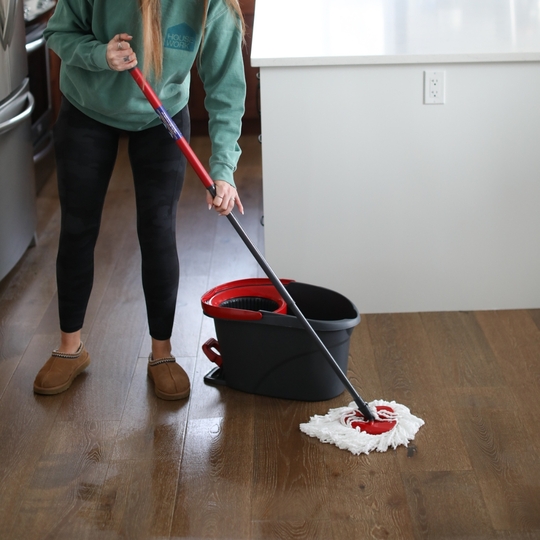
- Microfiber Mop:It picks up dirt and grime efficiently without scratching your floor.
- Bucket with Wringer:Helps control water usage and keeps your mop clean during the process.
- Floor Cleaner:Choose a gentle, kitchen-safe cleaner that suits your floor type.
- Rubber Gloves:Protect your hands from harsh chemicals and dirty water.
- Dry Cloth or Towel:Useful for quick spot drying or wiping up excess water.
Step-by-step Mopping Process
Start by sweeping or vacuuming your kitchen floor to remove loose dirt and crumbs. This prevents scratching and makes mopping more effective.
Fill your bucket with warm water and add the recommended amount of floor cleaner. Too much soap can leave residue, while too little might not clean well.
Dip your mop into the bucket, then wring it out well to avoid soaking the floor. Excess water can damage certain flooring types.
Mop the floor in sections, moving in a figure-eight or back-and-forth motion. Focus on high-traffic areas and spots with visible stains.
Rinse the mop frequently to avoid spreading dirt around. Changing the water if it becomes too dirty helps maintain cleanliness.
Drying And Ventilation Tips
After mopping, dry the floor as much as possible using a clean towel or mop. A wet floor can be slippery and attract more dirt quickly.
Open windows or turn on fans to improve air circulation and speed up the drying process. Proper ventilation also helps prevent mold growth.
Think about your kitchen’s layout and air flow—does your current drying method leave corners damp? Adjusting your technique can prevent water damage over time.
Common Mopping Mistakes To Avoid
Mopping the kitchen floor seems simple but many people make common mistakes. These errors reduce cleaning effectiveness and can even damage your floor over time. Avoiding these mistakes helps keep your kitchen floor clean and looking great for longer.
Using Too Much Water
Using excessive water during mopping can harm your kitchen floor. Water can seep into cracks or seams, causing damage. Wooden and laminate floors are especially sensitive to moisture. Use a damp mop rather than a soaking wet one. This protects the floor and ensures faster drying.
Ignoring Floor Type
Each floor type needs different care. Tile, hardwood, laminate, and vinyl respond to different cleaning methods. Using the wrong mop or cleaner can cause discoloration or wear. Always check your floor’s care instructions. Choose cleaning products and mopping techniques suited for your specific floor.
Skipping Regular Maintenance
Waiting too long between mopping sessions allows dirt and grime to build up. This buildup makes cleaning harder and can scratch the surface. Regular maintenance keeps your floor cleaner and safer. Establish a mopping schedule based on how much your kitchen is used. Light daily cleaning plus deeper mopping weekly works well for many homes.

Credit: www.express.co.uk
Frequently Asked Questions
How Often Should I Mop My Kitchen Floor?
Mop your kitchen floor at least once a week to keep it clean. Increase frequency if you cook daily or have pets. Regular mopping prevents dirt buildup and maintains hygiene.
Does Mopping Daily Damage Kitchen Floors?
Mopping daily usually does not damage floors if done properly. Use a gentle cleaner and a damp mop. Avoid excess water to prevent warping or damage.
What Is The Best Time To Mop Kitchen Floors?
The best time to mop kitchen floors is after cooking or meals. This removes food spills and grease quickly. Mopping at night allows floors to dry before next use.
Can I Use Vinegar To Mop Kitchen Floors?
Yes, vinegar is a natural cleaner safe for most kitchen floors. Mix one cup of vinegar with a gallon of water. It disinfects and removes stains effectively without harsh chemicals.
Conclusion
Keeping your kitchen floor clean helps maintain a healthy home. Mop the floor regularly, at least once a week. More spills or dirt need extra cleaning. Use water and mild cleaner to avoid damage. Quick mopping stops germs from spreading.
A clean floor looks nice and feels safe. Set a simple routine to mop often. Your kitchen will stay fresh and inviting. Small efforts bring big benefits for your family.