
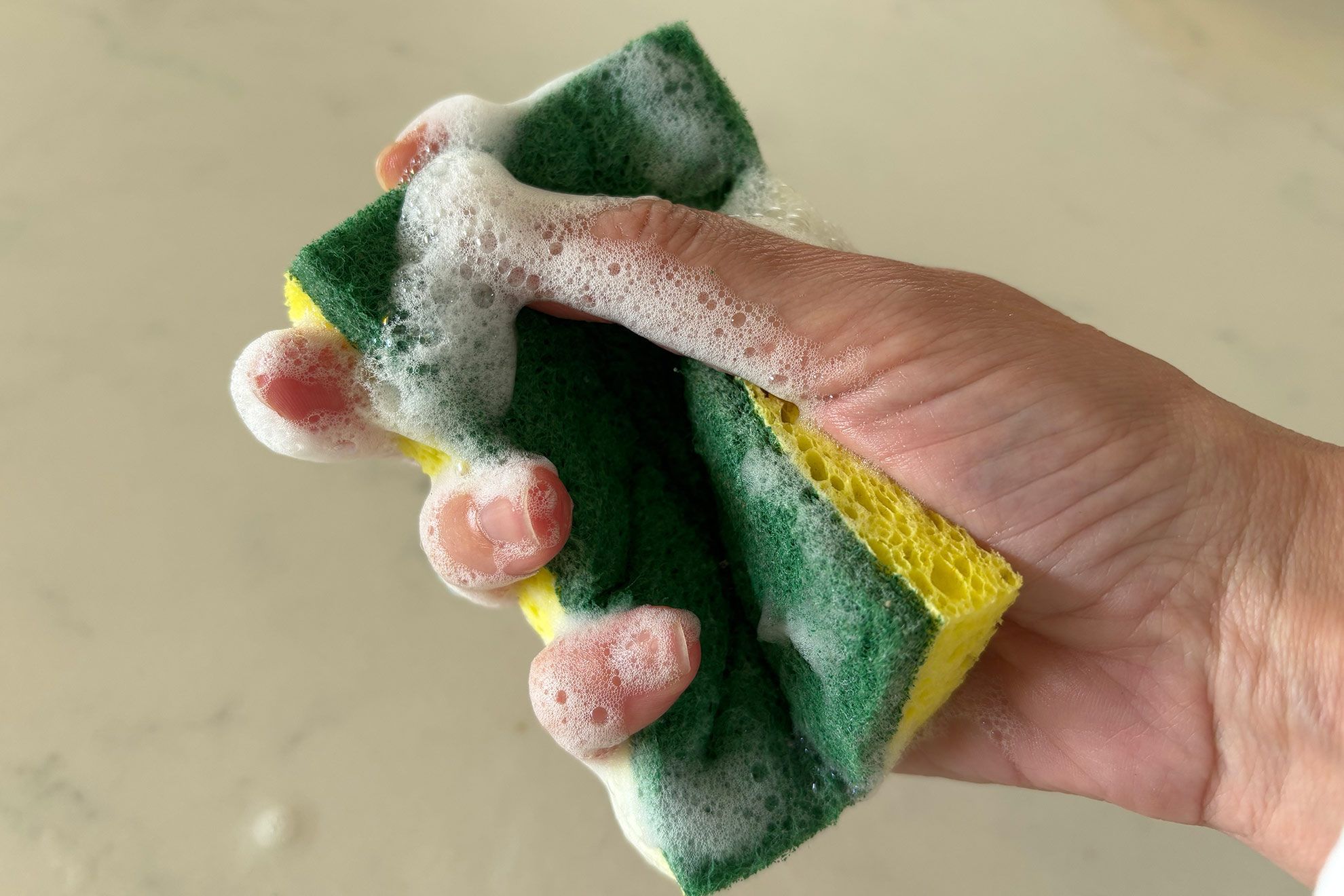
Your kitchen sponge is one of the busiest tools in your home. You use it every day to clean dishes, wipe counters, and tackle spills.
But have you ever stopped to think about how often you should replace it? Using an old sponge can lead to bad smells, bacteria buildup, and even health risks for you and your family. You’ll discover the simple signs that tell you it’s time to toss your sponge and learn easy tips to keep your kitchen clean and safe.
Keep reading—your kitchen’s hygiene depends on it!

Credit: www.absolutecleaning.com.sg
Signs To Replace Your Sponge
Knowing when to replace your kitchen sponge is key to keeping your kitchen clean and safe. Many people hold on to their sponges too long, risking bacteria buildup that you can't always see. Watching for clear signs can help you decide the right moment to toss the old sponge and grab a fresh one.
Odor And Discoloration
If your sponge starts to smell bad, even after rinsing, it’s a strong sign it’s time for a replacement. Sponges absorb food particles and moisture, creating an environment where odors develop quickly.
Discoloration is another warning. When your sponge changes color or dark spots appear, it often means bacteria or mold is growing inside. Don’t ignore these visual clues—they can mean your sponge is no longer hygienic.
Sponge Texture Changes
Have you noticed your sponge feeling slimy or mushy? That change in texture means the sponge is breaking down and can no longer clean effectively. A sponge that crumbles easily or feels overly soft won’t scrub away dirt or grease well anymore.
On the flip side, if your sponge becomes hard or brittle, it’s lost its absorbency and flexibility. Both extremes indicate the sponge is past its prime and should be replaced to maintain cleaning power.
Visible Mold Or Bacteria
Seeing mold on your sponge is a clear sign to throw it out immediately. Mold can spread quickly and contaminate your kitchen surfaces if you keep using the sponge.
Sometimes bacteria buildup isn’t visible, but if you spot fuzzy growth or slimy patches, don’t take chances. Your health depends on using a clean sponge, so replace it as soon as you see these signs.
Recommended Replacement Frequency
Replacing kitchen sponges regularly keeps your kitchen clean and safe. Sponges can harbor bacteria and germs, which multiply quickly in damp conditions. Changing your sponge often helps prevent illness and bad odors. The replacement frequency depends on how often you use the sponge and where you use it.
Daily Use Sponges
For sponges used every day, replace them every one to two weeks. Daily use means washing dishes, wiping counters, or cleaning spills frequently. Moisture and food particles build up fast, creating a perfect spot for germs. Changing sponges every week keeps your kitchen fresh and hygienic.
Occasional Use Sponges
Sponges used less often can last longer. If you clean only once or twice a week, replace your sponge every two to three weeks. Make sure to rinse and dry it thoroughly after each use. Even with light use, sponges still collect bacteria over time.
Commercial Kitchen Guidelines
Commercial kitchens require strict hygiene rules. Replace sponges daily or after each shift. Food safety standards demand regular cleaning to avoid contamination. Many businesses use disposable sponges or clean tools with sanitizers frequently. This practice protects customers and staff from health risks.
Tips To Extend Sponge Life
Kitchen sponges should be replaced every one to two weeks to keep them clean and safe. Rinse and dry sponges after use to slow bacteria growth and extend their life. Regularly disinfecting sponges also helps maintain freshness longer.
Extending the life of your kitchen sponge not only saves money but also reduces waste. Have you ever wondered how you can make your sponge last longer while keeping it hygienic? Here are some practical tips to help you achieve just that.
Proper Cleaning Methods
Regular cleaning can greatly extend the life of your sponge. Boiling your sponge for a few minutes can kill most germs. Alternatively, you can microwave a damp sponge for one to two minutes. Both methods are effective, but be cautious not to burn yourself with a hot sponge.
Drying Techniques
Allowing your sponge to dry thoroughly between uses is crucial. Use a sponge holder with drainage to let excess water escape. If you don't have one, consider squeezing out excess water and placing the sponge in a well-ventilated area. This prevents mold and bacteria from breeding in a damp sponge.
Using Alternative Materials
Have you considered trying alternative materials for your cleaning needs? Silicone sponges, for example, don't harbor bacteria as traditional sponges do and are easy to sanitize. Additionally, reusable cloths or scrubbers made from natural fibers can be a good option. They often last longer and are machine washable, making them a sustainable choice. By incorporating these simple tips into your routine, you can keep your kitchen sponges cleaner and more effective for longer periods. So why not give it a try and see the difference it makes?

Credit: www.absolutesolutions.com.sg
Health Risks Of Old Sponges
Old kitchen sponges might seem harmless, but they pose serious health risks that many overlook. Using a sponge beyond its prime can turn it into a breeding ground for harmful germs. Understanding these risks can help you decide how often to replace your sponge and keep your kitchen safe.
Bacterial Growth
Sponges stay damp, creating the perfect environment for bacteria to multiply. Harmful bacteria like E. coli and Salmonella can thrive inside old sponges, even after rinsing. I once ignored replacing my sponge for weeks and noticed a strange odor—an early sign of bacterial buildup you shouldn’t ignore.
Cross-contamination
Using the same sponge on different surfaces can spread bacteria from raw meat to fruits or countertops. This cross-contamination can transfer germs throughout your kitchen, increasing the risk of illness. Ask yourself: How often do you clean your sponge, and could it be spreading more germs than you think?
Foodborne Illnesses
Contaminated sponges can lead to foodborne illnesses, causing symptoms like stomach cramps, diarrhea, and vomiting. These illnesses often come from bacteria lurking in your sponge that contaminate your dishes and utensils. Protect your health by swapping out your sponge regularly before it becomes a hidden danger.
Eco-friendly Disposal Options
Disposing of kitchen sponges in an eco-friendly way can reduce waste and lessen your impact on the environment. Instead of tossing sponges into the trash, consider options that give them a second life or allow them to break down naturally. These choices help you stay green while keeping your kitchen clean.
Composting Natural Sponges
If you use natural sponges made from sea materials or plant fibers, composting is a great option. These sponges break down quickly in a compost bin, turning into nutrient-rich soil for your garden. Just cut the sponge into smaller pieces to speed up decomposition.
Make sure the sponge hasn’t been used with harsh chemicals or synthetic cleaners before composting. Have you tried adding your old natural sponges to your compost pile yet? It’s a simple step toward reducing waste.
Recycling Synthetic Sponges
Synthetic sponges are trickier to recycle, but some programs accept them if cleaned thoroughly. Check local recycling centers or specialized facilities that handle plastic-based kitchen items. Some brands now offer take-back programs for used sponges, making recycling easier for you.
Could your community be one of the places where sponge recycling is available? A quick call or online search can save sponges from landfills and help you dispose of them responsibly.
Reducing Sponge Waste
Cutting down on sponge waste starts with choosing durable, long-lasting options. You can also extend your sponge’s life by rinsing it well and microwaving it for 30 seconds to kill bacteria. Switching to washable cloths or scrubbers for some tasks reduces how often you need to replace sponges.
Have you experimented with different cleaning tools to find what lasts longest in your kitchen? Small changes like these add up to less waste and fewer trips to the store.

Credit: amazonascrub.com
Frequently Asked Questions
How Often Should I Replace My Kitchen Sponge?
Replace your kitchen sponge every 1 to 2 weeks to prevent bacteria buildup. Frequent replacement keeps your kitchen hygienic and reduces the risk of contamination.
Can I Sanitize A Kitchen Sponge Instead Of Replacing?
Yes, you can sanitize sponges using microwave or dishwasher methods. However, sanitizing only reduces bacteria temporarily; regular replacement is still necessary for safety.
What Are Signs My Kitchen Sponge Needs Replacing?
Replace your sponge if it smells bad, looks worn, or feels slimy. These signs indicate harmful bacteria and reduced cleaning effectiveness.
Does Replacing Sponges Improve Kitchen Hygiene?
Yes, regularly replacing sponges reduces bacteria and cross-contamination. It helps maintain a cleaner kitchen and prevents foodborne illnesses.
Conclusion
A kitchen sponge can hold many germs over time. Changing it often helps keep your kitchen clean. A good rule is to replace sponges every one to two weeks. Using a fresh sponge prevents bad smells and bacteria buildup. Remember, clean tools make cooking safer and easier.
Don’t wait too long to swap your sponge. Small steps like this protect your health. Keep your kitchen fresh by changing sponges regularly. It’s simple and worth the effort.