
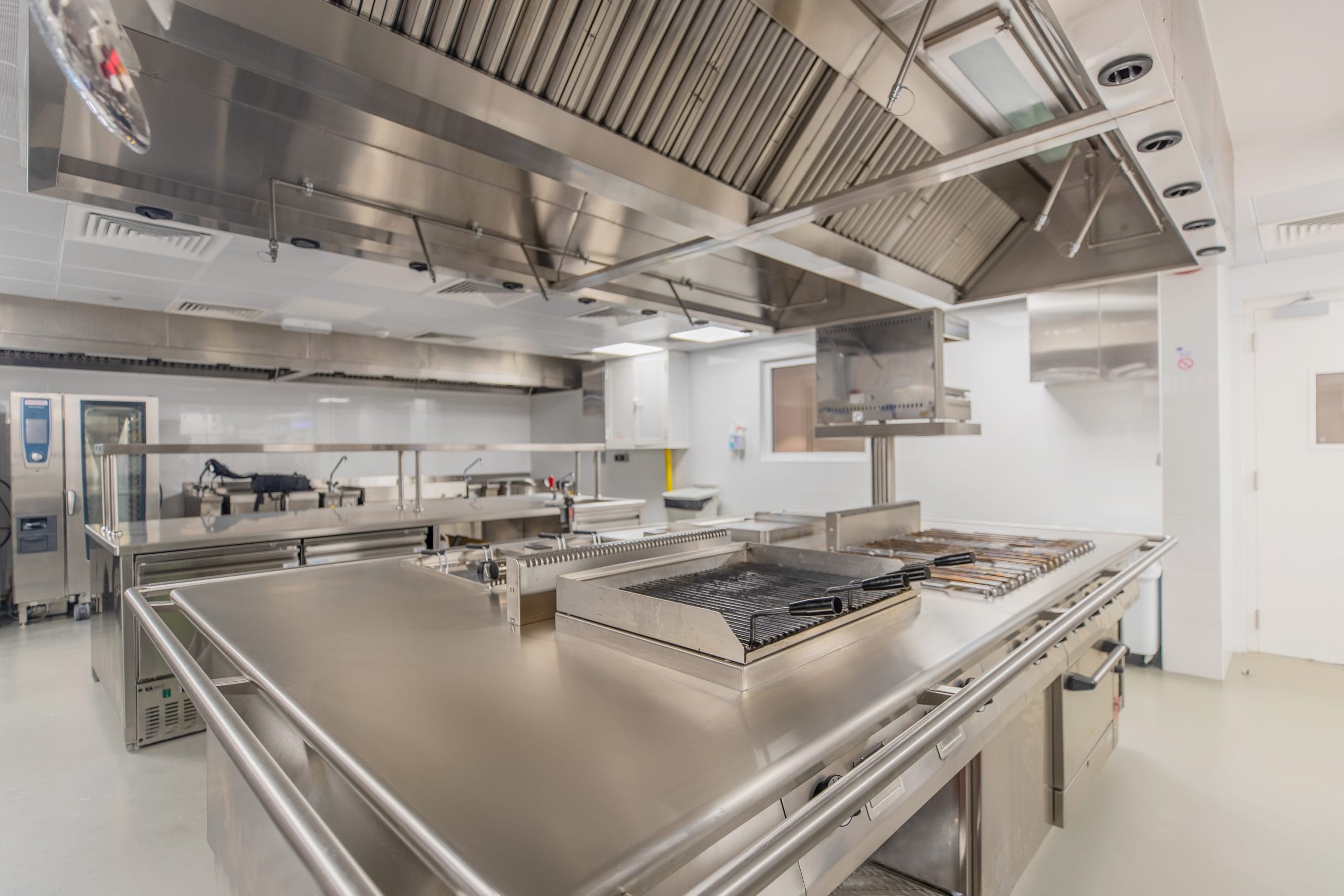
If you run a commercial kitchen, you know how busy things can get every day. But have you ever stopped to think about how often your kitchen really needs a deep clean?
Keeping your kitchen spotless isn’t just about looking good—it’s about safety, health, and making sure your food tastes its best. You’ll discover the ideal deep cleaning schedule to protect your business, avoid costly problems, and keep your customers coming back for more.
Ready to unlock the secret to a cleaner, safer kitchen? Let’s dive in.
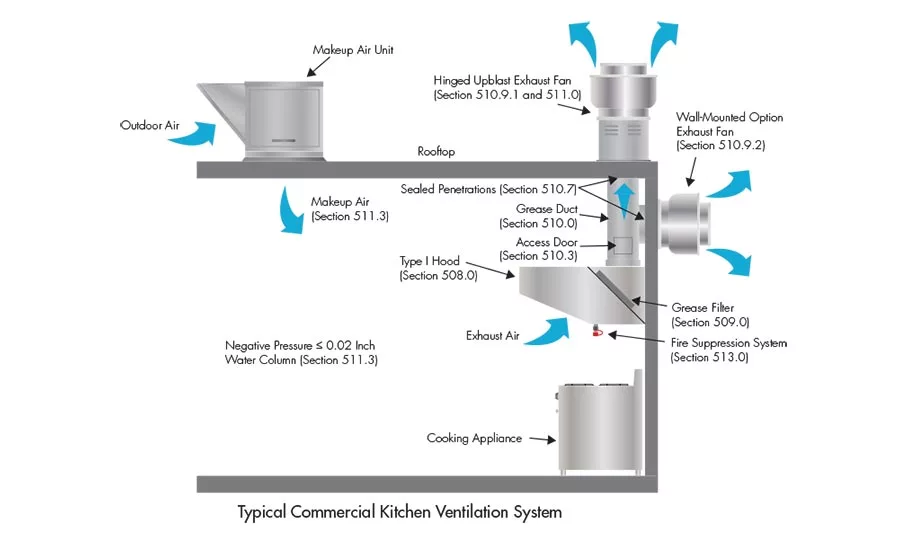
Credit: www.pmmag.com
Importance Of Deep Cleaning
Deep cleaning a commercial kitchen is essential for many reasons. It goes beyond regular daily cleaning. This thorough process removes hidden dirt, grease, and bacteria. It helps kitchens stay safe and efficient. Deep cleaning protects the health of staff and customers. It also keeps kitchen equipment working well. Pest problems reduce with regular deep cleaning. The right cleaning schedule improves kitchen performance and safety.
Health And Safety Benefits
Deep cleaning removes harmful germs and bacteria. It lowers the risk of foodborne illnesses. A clean kitchen means safer food preparation. Staff work in a healthier environment. This reduces sick days and improves productivity. Proper sanitation meets health code requirements. It helps avoid costly fines or closures.
Maintaining Equipment Efficiency
Grease and grime buildup can damage kitchen machines. Deep cleaning prevents this by clearing all parts. Equipment runs smoother and lasts longer. It reduces breakdowns and costly repairs. Clean machines cook food more evenly. This saves energy and improves food quality. Regular cleaning keeps appliances in top shape.
Preventing Pest Infestations
Dirty kitchens attract pests like rodents and insects. Deep cleaning removes food crumbs and spills. It eliminates hiding spots for pests. This lowers the chance of infestations. Pests can contaminate food and damage property. Keeping the kitchen spotless protects your business. Regular deep cleaning is a strong defense.
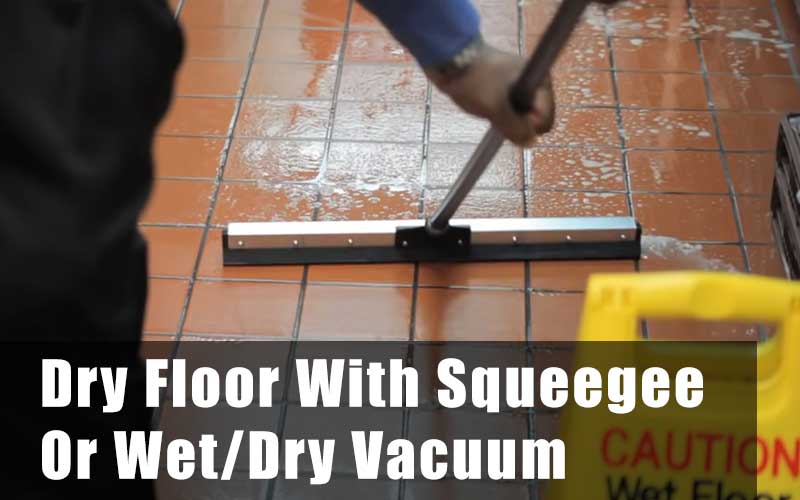
Credit: advantagecleaningllc.net
Factors Influencing Cleaning Frequency
Determining how often to deep clean a commercial kitchen depends on several key factors. These elements directly impact the buildup of grease, bacteria, and grime, which affect food safety and equipment longevity. Understanding these factors helps you create a cleaning schedule that keeps your kitchen both safe and efficient.
Kitchen Size And Layout
The size of your kitchen plays a big role in how frequently it needs deep cleaning. Larger kitchens with multiple cooking stations tend to collect more dirt and grease, requiring more frequent attention.
The layout also matters. A cramped kitchen with limited ventilation can trap heat and moisture, accelerating grime buildup. If your kitchen has hard-to-reach corners or complex equipment arrangements, deep cleaning may take longer and need to be done more often.
Volume Of Food Preparation
How much food you prepare daily greatly affects cleaning needs. High-volume kitchens, like those in busy restaurants or catering services, generate more waste and grease.
If your kitchen runs at full capacity every day, scheduling deep cleans weekly or biweekly might be necessary. On the other hand, kitchens with lighter workloads can extend the time between deep cleans without compromising hygiene.
Type Of Cuisine Served
The style of cuisine influences the kind of mess your kitchen encounters. For example, kitchens focusing on fried or grilled foods often have higher grease buildup compared to those preparing salads or cold dishes.
Cuisines involving heavy use of spices and sauces might require more frequent cleaning to prevent residue and odors. Think about your menu: does it demand more oil, smoke, or strong smells? Adjust your cleaning routine accordingly to maintain a fresh environment.
Recommended Cleaning Intervals
To maintain a spotless and safe commercial kitchen, understanding the recommended cleaning intervals is crucial. Regular deep cleaning ensures that your kitchen remains hygienic and compliant with health regulations. But how often should you tackle these cleaning tasks?
Daily And Weekly Tasks
Daily cleaning tasks are the backbone of a clean kitchen. These include wiping down counters, cleaning equipment, and sanitizing high-touch areas. Make it a habit to sweep and mop the floors to prevent the buildup of grime.
Weekly tasks should focus on less frequented areas. Clean the hoods, vents, and filters to ensure proper ventilation. Remember to check and clean out the refrigerator and storage areas to avoid unpleasant surprises.
Monthly Deep Cleaning
Monthly deep cleaning dives deeper into the corners of your kitchen. This is the time to thoroughly clean ovens, grills, and fryers. Don't forget to descale dishwashers and steamers for optimal performance.
Inspect and clean the walls, ceilings, and light fixtures. A spotless kitchen isn't just about the surfaces you can see—it's about the hidden areas too.
Quarterly And Annual Procedures
Quarterly deep cleaning is a comprehensive sweep to reset your kitchen. Conduct a detailed inspection of the entire kitchen. This includes checking for pest infestations and ensuring all equipment is in top shape.
Annually, plan a thorough audit of your cleaning procedures. Are there areas you've overlooked? Reflect on the past year and adjust your cleaning schedule to improve efficiency and cleanliness.
By following these cleaning intervals, you ensure a safe and productive environment for your team. How does your current cleaning schedule compare? Perhaps it's time to make some adjustments.
Key Areas For Deep Cleaning
Deep cleaning a commercial kitchen means focusing on the spots that gather grease, dirt, and bacteria the most. These key areas need your special attention to keep your kitchen safe and efficient. Neglecting any of these can lead to costly repairs and health risks.
Ovens And Cooking Equipment
Your ovens and cooking equipment face constant heat and food spills. Grease buildup inside ovens can cause fires and affect food taste. Regular deep cleaning removes stubborn grime and ensures your machines work properly.
Pay attention to burners, trays, and racks. Cleaning these parts thoroughly prevents contamination and extends equipment life. Have you checked how clean your oven looks behind the door lately?
Ventilation And Exhaust Systems
These systems remove smoke and steam but also trap grease and dust. When clogged, they reduce air quality and increase fire hazards. A deep clean clears out grease filters, ducts, and fans to keep air flowing smoothly.
Imagine the difference in kitchen air when vents are spotless. It’s not just about safety; it also improves your staff's comfort and productivity. How often do you inspect your ventilation system?
Refrigeration Units
Refrigerators and freezers store your ingredients, so cleanliness is non-negotiable. Ice buildup and spills can hide bacteria and cause odors. Deep cleaning includes defrosting, wiping down shelves, and cleaning door seals.
Keeping these units spotless prevents food spoilage and costly repairs. Have you noticed any strange smells or frost buildup in your fridge recently? That’s a sign it’s time for a thorough clean.
Floors And Walls
Floors and walls in a commercial kitchen face constant spills and splashes. Dirt and grease can build up in corners and grout lines, creating slipping hazards and hygiene issues. Deep cleaning removes this buildup and prevents bacteria growth.
Focus on areas near cooking stations and sinks where messes happen most. Regular scrubbing keeps your kitchen safe and welcoming. When was the last time you looked closely at those often-forgotten wall corners?
Tools And Products For Effective Cleaning
Maintaining a spotless commercial kitchen requires more than just elbow grease. The right tools and products can make your deep cleaning sessions faster, safer, and more effective. Choosing what to use carefully impacts not only cleanliness but also the safety of your staff and the longevity of your equipment.
Safe Cleaning Chemicals
Not all cleaning chemicals are created equal, especially in a kitchen where food safety is paramount. You need chemicals that kill bacteria without leaving harmful residues. Look for EPA-approved disinfectants and food-safe degreasers that specifically mention use in commercial kitchens.
Consider products that are biodegradable and free from harsh fumes to keep your staff comfortable. Do you know if your current cleaner could damage your surfaces over time? Checking the chemical compatibility with your kitchen materials can save you costly repairs later.
Specialized Equipment
Deep cleaning a commercial kitchen demands more than basic brushes and mops. Invest in high-quality equipment like steam cleaners, high-pressure washers, and scrubbing machines designed for kitchen environments. These tools reach spots that are tough to clean by hand.
Have you tried using a steam cleaner on your oven or extractor fans? Steam can dissolve grease and kill germs without chemicals, making it a smart choice. Also, microfiber cloths and color-coded cleaning tools help prevent cross-contamination between areas.
Protective Gear
Your safety should never be an afterthought during deep cleaning. Wearing gloves, goggles, and aprons protects you from chemical splashes and hot water burns. It’s easy to overlook this until an accident happens.
Think about how often you or your staff come into contact with cleaning agents. Simple protective gear reduces health risks and ensures that you can clean thoroughly without hesitation. Ready to upgrade your cleaning kit with better protection?
Hiring Professional Cleaning Services
Hiring professional cleaning services ensures your commercial kitchen stays spotless and safe. Experts use the right tools and techniques to remove grease, grime, and bacteria. This helps maintain hygiene standards and prevents health risks. Professionals save time and reduce stress for kitchen staff. Their work supports compliance with local health regulations. Regular deep cleaning by experts protects your investment in kitchen equipment and prolongs its life.
Benefits Of Outsourcing
- Expertise in handling tough kitchen stains and grease
- Use of commercial-grade cleaning products and equipment
- Consistent and thorough cleaning results
- Reduced risk of cross-contamination and foodborne illnesses
- More time for staff to focus on daily kitchen operations
- Flexible scheduling to fit your kitchen’s busy hours
Choosing The Right Service Provider
- Check experience with commercial kitchen cleaning
- Verify licenses and insurance coverage
- Read customer reviews and testimonials
- Ask about cleaning methods and products used
- Ensure availability for regular deep cleaning schedules
- Request a clear and detailed service contract
Cost Considerations
Prices vary based on kitchen size and cleaning frequency. Some companies charge a flat fee per visit. Others price by the hour or cleaning scope. Consider the value of thorough, professional service over low cost. Hidden costs may appear without a clear contract. Ask about additional charges for special cleaning needs. Budgeting for regular deep cleaning prevents costly repairs later.
Maintaining Cleanliness Between Deep Cleans
Maintaining cleanliness between deep cleans keeps a commercial kitchen safe and efficient. Small daily efforts stop dirt and germs from building up. These habits protect food quality and reduce health risks. They also make deep cleaning easier and faster.
Daily Cleaning Habits
Clean surfaces and equipment after each use. Wipe counters, cutting boards, and sinks with sanitizers. Sweep and mop floors at the end of every shift. Empty trash cans regularly to avoid odors and pests. Clean spills immediately to prevent slips and stains. Keep cleaning tools organized and sanitized.
Staff Training And Accountability
Train staff on proper cleaning techniques and schedules. Explain why cleanliness matters for safety and health. Assign cleaning tasks clearly to avoid confusion. Encourage teamwork to maintain a clean kitchen environment. Use checklists to track daily cleaning duties. Reward staff who follow rules well.
Regular Inspections
Inspect the kitchen daily to spot dirt and damage. Check hard-to-reach areas like under equipment and vents. Use inspection reports to fix problems quickly. Involve supervisors and staff in inspection routines. Set clear standards for cleanliness and hygiene. Keep records of inspections for accountability.
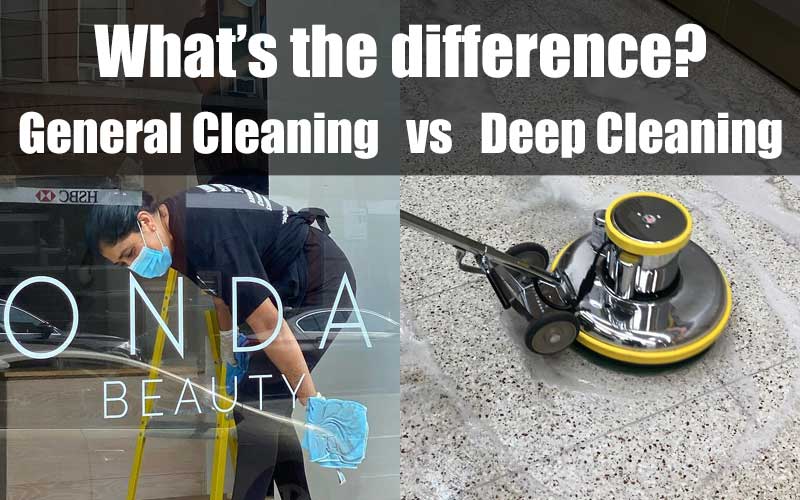
Credit: advantagecleaningllc.net
Frequently Asked Questions
How Often Should Commercial Kitchens Be Deep Cleaned?
Commercial kitchens should be deep cleaned at least once every three months. High-traffic kitchens may require monthly deep cleaning to maintain hygiene and safety standards.
Why Is Regular Deep Cleaning Important In Commercial Kitchens?
Regular deep cleaning prevents grease buildup, bacteria growth, and fire hazards. It ensures compliance with health codes and maintains a safe cooking environment.
What Areas Are Included In A Commercial Kitchen Deep Clean?
Deep cleaning covers ovens, grills, exhaust hoods, refrigerators, floors, and walls. It targets hidden grease, dirt, and contaminants to ensure thorough sanitation.
Can Neglecting Deep Cleaning Affect Kitchen Operations?
Yes, neglecting deep cleaning can cause equipment failure, health violations, and poor food quality. It increases risks and operational costs in the long run.
Conclusion
Regular deep cleaning keeps a commercial kitchen safe and healthy. It stops germs and grease from building up. Cleaning often helps meet health rules and avoid fines. A clean kitchen makes food taste better and lasts longer. Plan deep cleaning weekly or monthly based on use.
Don’t wait for problems to start cleaning. Keep your kitchen fresh and running smoothly every day. This simple step protects your staff and customers alike. Clean kitchens work better and feel better too.