

If you run a commercial kitchen, you know how important it is to keep everything safe and efficient. But have you ever stopped to think about your kitchen hood?
How often should it really be cleaned to protect your staff, customers, and business? Ignoring this simple task can lead to serious problems like fires, bad odors, and costly repairs. You’ll discover the right cleaning schedule for your commercial kitchen hood and why sticking to it can save you time, money, and stress.
Keep reading to learn how a clean hood keeps your kitchen running smoothly and your business protected.
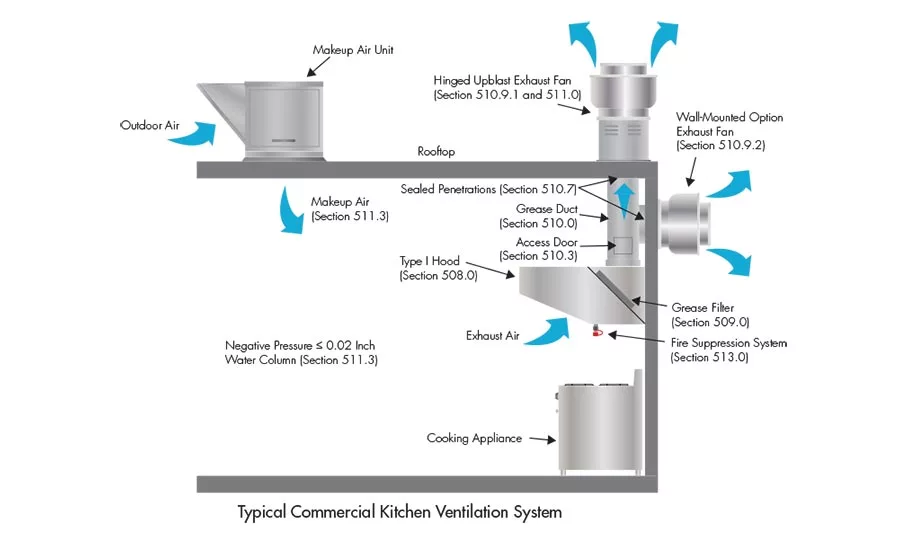
Credit: www.pmmag.com
Importance Of Hood Cleaning
Cleaning a commercial kitchen hood is crucial for every food business. It keeps the kitchen safe, clean, and running smoothly. Ignoring hood cleaning can cause serious problems. Grease and grime build up fast in busy kitchens. This build-up leads to fire hazards, poor air quality, and equipment damage. Regular cleaning protects your staff, customers, and property.
Fire Safety Risks
Grease in kitchen hoods is highly flammable. It can catch fire from cooking flames or heat. Fires spread quickly through dirty hoods. This puts the entire building at risk. Cleaning removes grease and reduces fire chances. Fire departments often require clean hoods for safety. Avoid costly fire damage and insurance issues by cleaning often.
Health And Hygiene
Dirty hoods trap smoke, odors, and bacteria. These can spread to food and surfaces. Poor air quality affects workers and customers. A clean hood keeps the kitchen air fresh and safe. It helps meet health regulations and pass inspections. Good hygiene supports a healthy kitchen environment.
Maintaining Equipment Efficiency
Grease build-up slows down ventilation systems. Fans and filters work harder and wear out fast. This raises energy costs and repair bills. Clean hoods improve airflow and reduce strain. Equipment lasts longer and runs better. Regular cleaning saves money and avoids unexpected breakdowns.
Factors Affecting Cleaning Frequency
The frequency of cleaning a commercial kitchen hood depends on several key factors. These influence how quickly grease and dirt build up. Understanding these factors helps maintain safety and efficiency.
Regular cleaning prevents fire hazards and keeps air quality high. Each kitchen’s needs differ based on cooking style, usage, and rules in the area.
Type Of Cooking
Cooking methods affect hood grease buildup. Frying, grilling, and charbroiling produce more grease. These require more frequent cleaning. Baking or boiling creates less grease, so cleaning can be less often.
Greasy smoke sticks to hood filters and ducts faster. The type of oil used also matters. Heavy oils leave more residue than light oils.
Kitchen Usage Intensity
The number of cooking hours per day impacts cleaning needs. Busy kitchens with constant cooking fill hoods with grease quickly. Smaller or part-time kitchens need less frequent cleaning.
High volume kitchens should clean their hoods every month or two. Medium volume kitchens can clean every three months. Low volume kitchens might clean every six months.
Local Regulations
Local health and fire codes set cleaning standards. Some areas require cleaning every 30, 60, or 90 days. Others may allow longer intervals based on kitchen type.
Following these rules avoids fines and fire risks. Always check local laws for exact cleaning schedules. Compliance ensures safety and keeps your kitchen running smoothly.
Recommended Cleaning Intervals
Proper cleaning of a commercial kitchen hood is crucial. It ensures safety and maintains air quality. The frequency of cleaning depends on kitchen usage. Here's a guide to help you understand how often different types of kitchens should clean their hoods.
High-volume Kitchens
High-volume kitchens operate daily and serve many meals. These include fast-food chains and busy restaurants. Such kitchens should clean their hoods monthly. This prevents grease build-up and reduces fire risk.
Moderate-use Kitchens
Moderate-use kitchens operate a few days a week. They serve a moderate number of meals. Examples include hotel kitchens and mid-sized restaurants. These kitchens should clean their hoods every three months. This keeps the system efficient and safe.
Low-use Kitchens
Low-use kitchens operate occasionally or seasonally. They serve fewer meals. Think of churches or community centers. These kitchens should clean their hoods twice a year. This ensures safety and compliance with health regulations.
Signs Your Hood Needs Cleaning
Knowing when your commercial kitchen hood needs cleaning can save you from costly repairs and fire hazards. The signs are often visible or noticeable through changes in performance and smell. Paying attention to these clues helps you act before problems escalate.
Visible Grease Buildup
Grease collecting on your hood’s surfaces is a clear warning. If you see thick layers of sticky, yellowish residue, it’s time to clean. This buildup can block airflow and increase fire risks, so don’t ignore even small patches.
Have you ever noticed how quickly grease can accumulate after a busy day? Regular checks prevent it from turning into a hard, dangerous shell.
Unusual Odors
Strong, burnt, or sour smells coming from your kitchen hood signal trouble. These odors often mean grease and food particles are trapped and decomposing inside the system. If your kitchen starts to smell off, don’t wait—inspect and clean your hood.
Think about the last time you detected a strange smell while cooking. Could that have been your hood asking for attention?
Poor Ventilation Performance
If your kitchen feels hotter or smoke lingers longer than usual, your hood might be clogged. Reduced airflow means the fan and filters are struggling to work properly. This not only affects air quality but also puts extra strain on your equipment.
Ask yourself: Is your kitchen ventilation as effective as it was a month ago? If not, it’s a sign your hood needs cleaning right away.
Professional Cleaning Vs. Diy
Deciding between professional cleaning and doing it yourself can be tricky when it comes to maintaining a commercial kitchen hood. Both have their pros and cons, and understanding these can help you make a smart choice that protects your kitchen and staff. Let's dive into what each option offers and when you might want to take one route over the other.
Benefits Of Professional Service
Professional cleaning services bring expertise and specialized equipment that most kitchens don’t have. They ensure every corner of your hood, ductwork, and fans are thoroughly cleaned, reducing fire risk and improving air quality.
These experts follow strict industry standards, which means your kitchen will meet health and safety regulations. Plus, hiring professionals saves you time and hassle, letting you focus on running your business.
When To Clean Yourself
Some parts of your kitchen hood, like the grease filters, can be cleaned regularly by you or your staff. This quick, routine cleaning helps maintain efficiency and prevents grease buildup between professional cleanings.
However, it’s important to know your limits. If you notice heavy grease accumulation or suspect blocked ducts, it’s best to call in professionals rather than risk an incomplete or unsafe job.
Safety Precautions
Cleaning a commercial kitchen hood can expose you to dangerous chemicals, sharp edges, and electrical components. Always wear protective gear like gloves and goggles, and never attempt to clean the exhaust fan or ductwork without proper training.
Shutting off power before cleaning is crucial to avoid accidents. If you feel unsure about any part of the process, stopping and consulting a professional is the safest choice for you and your kitchen.
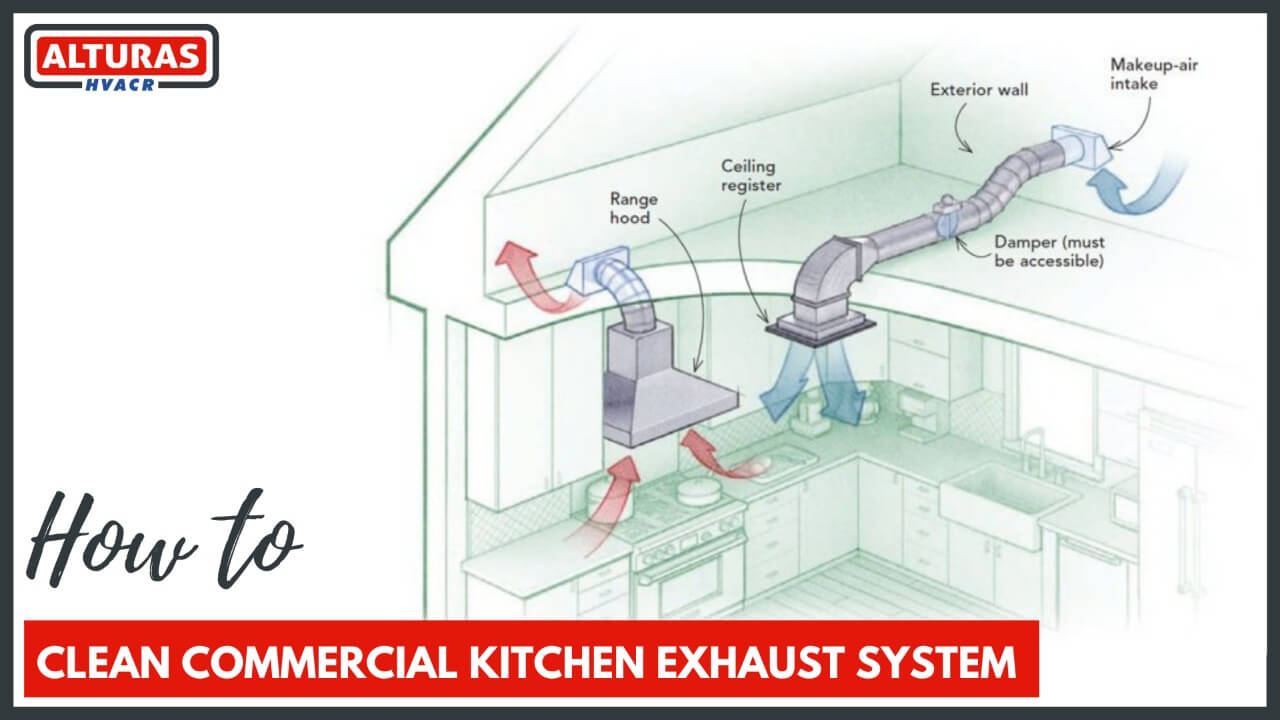
Credit: alturascontractors.com
Maintaining A Cleaning Schedule
Maintaining a cleaning schedule for a commercial kitchen hood is essential to keep the kitchen safe and efficient. A regular schedule prevents grease buildup, reduces fire risks, and ensures better air quality. Setting clear routines helps everyone know when the hood needs attention. It also makes the cleaning process more manageable and less stressful for staff.
Consistency in cleaning keeps the kitchen running smoothly. It also helps avoid costly repairs or shutdowns. A well-maintained hood supports a healthier work environment and meets safety standards.
Record Keeping Tips
Keep a detailed log of all cleaning activities. Note the date, time, and who performed the cleaning. Include any issues or repairs found during the process. Use a simple chart or digital tool to track progress. This record helps spot patterns and plan future cleanings. It also proves compliance during inspections.
Coordination With Staff
Communicate the cleaning schedule clearly to all team members. Assign roles and responsibilities to avoid confusion. Train staff on how to clean properly and safely. Set reminders to keep the schedule on track. Encourage reporting of any hood problems immediately. Teamwork improves cleaning quality and kitchen safety.
Compliance With Codes
Follow local health and fire safety codes closely. Know the required cleaning frequency based on kitchen size and use. Schedule professional cleanings as required by law. Keep all certification and inspection documents up to date. Non-compliance can lead to fines or business closure. Staying compliant protects staff, customers, and the business.

Credit: fox2now.com
Frequently Asked Questions
How Often Should Commercial Kitchen Hoods Be Cleaned?
Commercial kitchen hoods should be cleaned every 1 to 3 months. Frequency depends on cooking volume and type. High-use kitchens may require monthly cleaning, while low-use kitchens can clean quarterly. Regular cleaning prevents grease buildup, fire hazards, and ensures compliance with health codes.
What Are The Risks Of Infrequent Hood Cleaning?
Infrequent hood cleaning leads to grease buildup, increasing fire risks. It can cause poor ventilation and unhealthy kitchen environments. Neglecting cleaning may result in fines and equipment damage. Regular maintenance keeps kitchens safe and compliant with fire safety regulations.
Who Should Clean A Commercial Kitchen Hood?
A certified professional should clean commercial kitchen hoods. They have the expertise and tools to remove grease safely. Professional cleaning ensures compliance with fire codes and prevents damage. Avoid DIY cleaning to reduce risks and maintain kitchen safety.
How Does Hood Cleaning Affect Kitchen Safety?
Regular hood cleaning reduces fire hazards by removing grease. It improves air quality and kitchen ventilation. Clean hoods help maintain a healthy environment for staff. Proper maintenance ensures compliance with safety standards and prevents costly accidents.
Conclusion
Regular cleaning of a commercial kitchen hood keeps your kitchen safe and healthy. Grease and dirt build up fast and cause fires or bad smells. Clean your hood at least every three months, or more if your kitchen is busy.
This helps your equipment work better and lasts longer. Remember, a clean hood means a safer kitchen and happier staff. Don’t wait until problems start. Keep a schedule and stick to it. Safety and cleanliness go hand in hand in any commercial kitchen.