
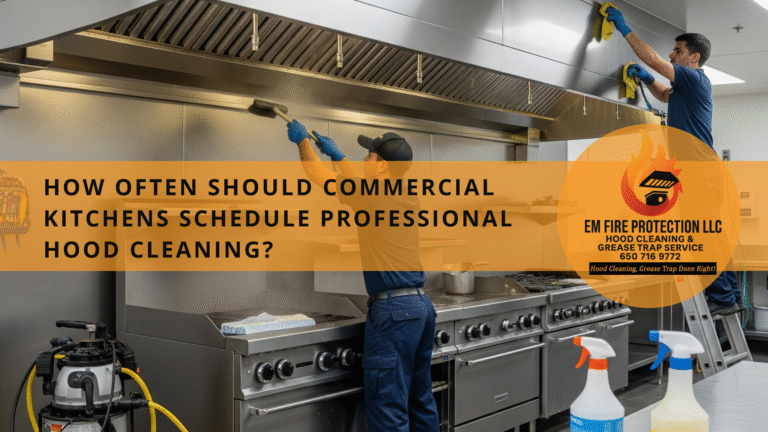
If you run a commercial kitchen, you know how important it is to keep everything clean and safe. But have you ever stopped to think about your kitchen hood?
How often should it be cleaned to protect your staff, your customers, and your business? Ignoring this vital part of your kitchen can lead to serious risks like grease fires, poor air quality, and costly fines. You’ll discover the simple steps to keep your kitchen hood spotless and working efficiently.
Keep reading to learn exactly how often you should clean it—and why it matters more than you might think.
Importance Of Kitchen Hood Cleaning
Keeping commercial kitchen hoods clean is crucial for safety and health. Grease and dirt build up quickly in busy kitchens. This build-up can lead to serious problems if ignored. Regular cleaning protects your staff, customers, and equipment. It also helps your business run smoothly.
Fire Safety Risks
Grease in kitchen hoods is highly flammable. If not cleaned, it can catch fire easily. Fires spread fast in commercial kitchens. Cleaning reduces the risk of dangerous fires. It protects your property and lives.
Health And Hygiene Benefits
A dirty hood traps smoke and bacteria. This affects air quality and food safety. Clean hoods keep the kitchen environment healthy. It prevents bad odors and contamination. Staff and customers stay safer and healthier.
Maintaining Equipment Efficiency
Grease blocks airflow and clogs filters. This makes hoods work harder and waste energy. Clean hoods run better and last longer. Equipment breaks down less often. It saves money on repairs and energy bills.

Credit: www.aps-hoods.com
Factors Affecting Cleaning Frequency
Several factors influence how often commercial kitchen hoods need cleaning. These factors affect grease buildup and system performance. Understanding them helps maintain safety and efficiency. Regular inspections should consider these elements carefully.
Type Of Cooking Operations
Different cooking methods produce different amounts of grease and smoke. Frying and grilling generate more grease than baking or boiling. Kitchens with heavy frying require more frequent hood cleaning. Lighter cooking means less frequent maintenance is needed.
Volume Of Cooking
The amount of food prepared daily impacts hood cleaning schedules. Busy kitchens with high output accumulate grease faster. Low-volume kitchens experience slower grease buildup. Higher cooking volume demands more regular cleaning to prevent fire hazards.
Hood And Ventilation System Design
System design affects how grease collects inside the hood. Efficient designs reduce grease buildup and improve airflow. Older or poorly designed hoods may need cleaning more often. Proper maintenance ensures the system works as intended and stays safe.
Recommended Cleaning Intervals
Keeping commercial kitchen hoods clean is crucial for safety. It also ensures efficient operation and extends equipment life. The cleaning frequency depends on kitchen use. High-volume kitchens need more frequent cleaning. Moderate and low-use kitchens require less frequent attention.
High-volume Kitchens
High-volume kitchens operate daily with heavy cooking. These include restaurants and large catering services. Their hoods accumulate grease quickly. Clean them monthly to prevent fire hazards. Regular cleaning keeps the ventilation system efficient.
Moderate-use Kitchens
Moderate-use kitchens experience steady but not constant cooking. Examples include smaller cafes or bakeries. Clean their hoods every three months. This schedule maintains hygiene and safety standards. It also helps in reducing potential grease buildup.
Low-use Kitchens
Low-use kitchens have minimal cooking activity. They might include community centers or event halls. Clean their hoods twice a year. This frequency is sufficient for safety and cleanliness. Regular checks ensure everything remains in good condition.
Signs You Need Immediate Cleaning
Knowing the signs that your commercial kitchen hood needs cleaning is crucial. A dirty hood can cause safety hazards and reduce kitchen efficiency. Spotting problems early prevents costly repairs and health risks.
Visible Grease Buildup
Grease can pile up on hood surfaces and filters. Thick layers look shiny and sticky. This buildup blocks smoke and fumes from escaping properly. It also raises the fire risk in your kitchen.
Unusual Odors
Bad smells coming from the hood or vents signal a problem. Grease and food particles can rot and cause odors. If your kitchen smells musty or smoky, it means the hood needs cleaning fast.
Reduced Airflow
If air does not flow well through the hood, it needs attention. Grease and dirt clog filters and fans. This makes the ventilation weak and less effective. Poor airflow affects kitchen air quality and comfort.
Professional Vs. Diy Cleaning
Deciding between professional and DIY cleaning for commercial kitchen hoods affects safety and performance. Both options have pros and cons. Understanding these helps maintain a clean, safe kitchen environment and avoid costly problems.
Benefits Of Hiring Experts
- Trained technicians use proper tools and techniques.
- They ensure thorough removal of grease and grime.
- Regular professional cleaning prevents fire hazards.
- Experts inspect for damage or wear during cleaning.
- Compliance with local health and safety codes is assured.
- Time-saving for busy kitchen staff.
Risks Of Diy Cleaning
- Incomplete cleaning may leave grease buildup behind.
- Improper handling can damage hood components.
- Increased fire risk from missed grease deposits.
- Possible violation of health and safety regulations.
- Time-consuming and physically demanding task.
- Lack of professional inspection may miss hidden issues.
Cost Considerations
| Aspect | Professional Cleaning | DIY Cleaning |
|---|---|---|
| Initial Expense | Higher due to service fees | Lower, mainly cleaning supplies |
| Long-Term Costs | Reduced risk of repairs and fines | Potential high repair and penalty costs |
| Time Investment | Minimal for kitchen staff | Significant and labor-intensive |
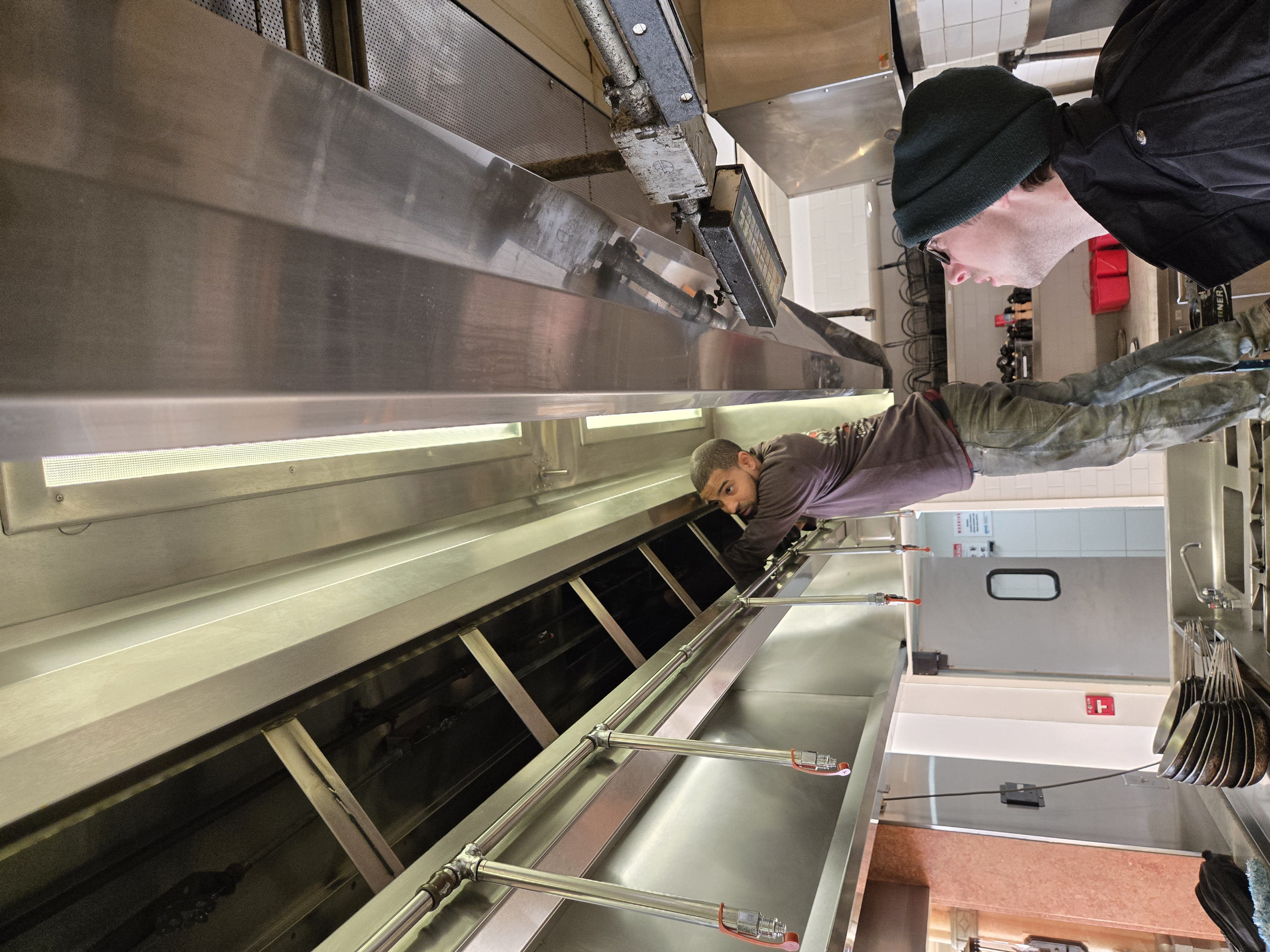
Credit: fox5sandiego.com
Maintenance Tips Between Cleanings
Keeping your commercial kitchen hood in top shape between professional cleanings is essential. Small, regular efforts can prevent grease buildup and maintain optimal airflow. These maintenance tips will help you stay ahead of potential problems and keep your kitchen running smoothly.
Daily Wipe Downs
Wiping down your kitchen hood every day removes surface grease and grime before it accumulates. Use a damp cloth with a mild degreaser or warm soapy water to clean the exterior and accessible parts. This simple habit reduces the risk of grease fires and extends the life of your hood.
Have you noticed how a quick wipe can make your kitchen feel fresher instantly? It’s a small task that pays off big over time.
Filter Checks And Replacements
Filters trap grease and airborne particles, so they need your regular attention. Check filters daily or weekly depending on your kitchen’s volume. If they look clogged or damaged, replace them immediately to keep your ventilation efficient.
Ignoring filters can cause the hood to work harder, increasing energy costs and wear. Think of filters as the first line of defense—how often do you really inspect yours?
Regular Inspections
Take time to inspect your hood system regularly beyond just cleaning and filter checks. Look for signs of damage, unusual noises, or poor airflow. Catching issues early can save you from costly repairs and downtime.
Try setting a weekly reminder to do a quick hood check. You’ll be surprised how small fixes prevent big headaches later.
Legal And Insurance Requirements
Keeping your commercial kitchen hood clean is not just about hygiene and efficiency; it’s also about meeting legal and insurance obligations. Neglecting these requirements can lead to hefty fines, voided insurance claims, and even forced shutdowns. Understanding the specific rules that apply to your business helps you stay compliant and protect your investment.
Local Fire Codes
Local fire codes often dictate how frequently kitchen hoods must be cleaned. These codes exist because grease buildup is a major fire hazard. You might be surprised to learn that some areas require cleanings as often as every month, especially in high-volume kitchens.
Fire inspectors check for compliance during routine visits. Failing to meet these standards can result in fines or even closure until you fix the problem. Have you ever thought about how often your local fire department expects you to clean your hood?
Health Department Regulations
Health departments enforce cleanliness standards to prevent contamination and maintain food safety. A dirty hood can lead to poor air quality and unsanitary conditions that put your customers at risk. Many health codes specify cleaning intervals based on your kitchen’s size and the type of cooking you do.
Some regulations require you to keep detailed cleaning logs to prove compliance. These records can be your best defense during inspections. Are you keeping track of your hood’s cleaning schedule as closely as your food safety logs?
Insurance Policy Clauses
Insurance companies often include hood cleaning requirements in their policy terms. If you skip regular maintenance, your policy might not cover fire damage or related claims. This can leave you financially vulnerable after an accident.
Review your insurance policy carefully to understand the cleaning frequency and documentation needed. Sometimes, insurers require certification from a professional cleaning service. Are you aware of your insurer’s specific demands to keep your coverage intact?

Credit: fox2now.com
Frequently Asked Questions
How Often Should Commercial Kitchen Hoods Be Cleaned?
Commercial kitchen hoods should be cleaned every 3 to 6 months. High-volume kitchens may require monthly cleaning. Regular cleaning prevents grease buildup and fire hazards, ensuring safety and efficiency.
What Are The Risks Of Not Cleaning Kitchen Hoods Regularly?
Neglecting hood cleaning leads to grease buildup, increasing fire risks. It also causes poor ventilation and non-compliance with health codes, risking fines and operational shutdown.
Can Kitchen Hood Cleaning Affect Air Quality?
Yes, clean hoods improve air quality by removing smoke, grease, and odors. This creates a healthier environment for staff and customers, reducing respiratory issues.
Who Should Clean Commercial Kitchen Hoods?
Professional cleaning services should handle commercial kitchen hoods. Experts use proper tools and techniques to ensure thorough grease removal and compliance with safety standards.
Conclusion
Regular cleaning keeps commercial kitchen hoods safe and efficient. Grease buildup can cause fires and bad smells. Clean hoods help your kitchen meet health rules. Check your hood every month or follow local laws. A clean hood saves money on repairs and energy.
Don’t wait for problems to start cleaning. Stay safe. Keep your kitchen fresh and working well. Clean hoods protect your staff and customers. Simple steps make a big difference. Keep cleaning schedules steady and your kitchen runs smooth.