
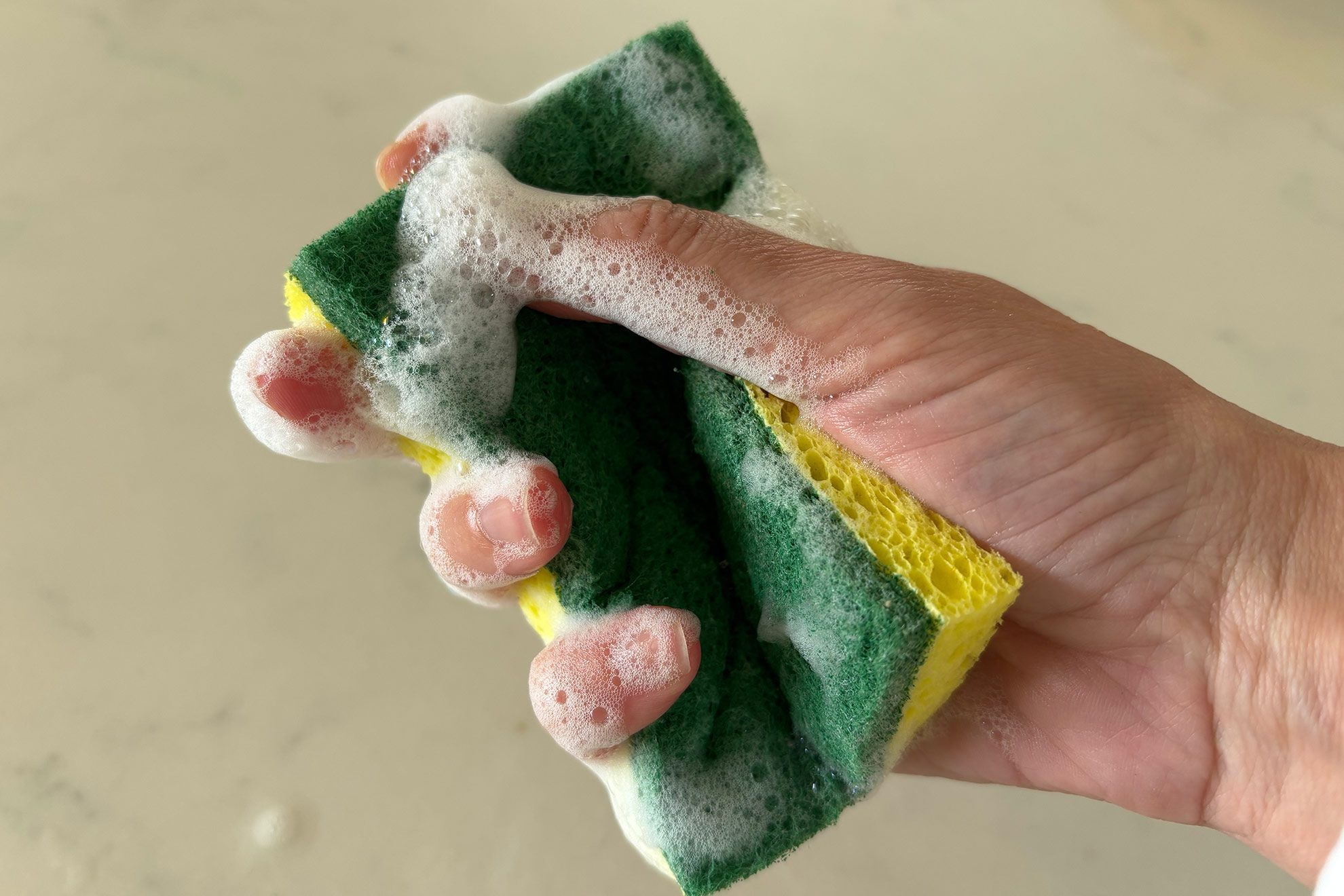
Your kitchen sponge is one of the most used tools in your home, but have you ever stopped to think about how often you should replace it? Using an old sponge can spread germs and make your kitchen less clean than you think.
You might be surprised to learn that keeping your sponge fresh is simpler than you expect—and it can make a big difference in your health and hygiene. Keep reading to find out the signs your sponge needs replacing and how often you should do it to keep your kitchen sparkling and safe.

Credit: amazonascrub.com
Signs To Replace Your Kitchen Sponge
Knowing when to replace your kitchen sponge is key to keeping your kitchen clean and safe. Sponges can look fine on the surface but hide all sorts of germs. Paying attention to certain signs will help you decide the right time to toss that sponge and grab a new one.
Visible Wear And Tear
Look closely at your sponge. If you see frayed edges, holes, or the sponge is falling apart, it’s time to replace it. A worn sponge won’t clean effectively and can trap food particles, making it a breeding ground for bacteria.
Have you ever tried scrubbing with a sponge that just falls apart? It’s frustrating and wastes time. Don’t let a damaged sponge slow you down.
Unpleasant Odor
If your sponge starts to smell bad, even after rinsing and drying, that’s a clear sign it needs replacing. Smells usually mean bacteria and mold have taken over.
Some odors are subtle at first, so sniff your sponge regularly. If it smells off or sour, don’t ignore it. You wouldn’t want that smell spreading to your dishes or countertops.
Bacterial Buildup
Your kitchen sponge can hold millions of bacteria, some harmful to your health. Even if it looks clean, bacteria can hide deep inside.
Microwaving or soaking your sponge can reduce bacteria temporarily, but it won’t eliminate all of it. If you notice discoloration or sliminess, it’s a definite sign to replace your sponge immediately.
Recommended Replacement Frequency
Knowing how often to replace your kitchen sponge helps keep your kitchen clean. Sponges can hold bacteria, which may cause illness. Replacing them regularly is a smart way to stay safe. The right timing depends on use and sponge type.
Daily Use Guidelines
For daily kitchen use, replace your sponge every 1 to 2 weeks. If it smells bad or looks worn, change it sooner. Some sponges last longer, but frequent replacement is best. This habit reduces germs and keeps your dishes cleaner.
Factors Affecting Lifespan
Several factors affect how long a sponge lasts:
- Frequency of use:More use means quicker wear.
- Cleaning habits:Regularly rinsing and drying extends life.
- Type of sponge:Natural sponges may degrade faster than synthetic ones.
- Exposure to moisture:Wet sponges breed bacteria faster.
Check your sponge often. Replace it if it feels slimy or breaks apart. These signs show it no longer cleans well or is safe to use.
Proper Sponge Maintenance
Kitchen sponges should be replaced every one to two weeks to avoid bacteria buildup. Frequent cleaning helps but does not stop germs completely. Fresh sponges keep your kitchen safe and clean.
Maintaining your kitchen sponge is crucial for hygiene and longevity. Proper care can extend its life and keep your kitchen clean. Neglecting sponge maintenance can lead to bacteria buildup. This can cause unpleasant odors and even illness. Let's explore some effective maintenance tips.
Cleaning Techniques
Regular cleaning is essential for sponge hygiene. Rinse your sponge after each use. Squeeze out excess water to prevent bacteria growth. Once a week, sanitize your sponge. Use a microwave or dishwasher. For the microwave method, dampen the sponge and heat it for one minute. This kills most bacteria. In the dishwasher, place it on the top rack during a hot cycle. Both methods are effective and easy.
Storage Tips
Proper storage helps keep your sponge fresh. After cleaning, let it air dry completely. Use a sponge holder with drainage. This prevents water from pooling. Avoid leaving it in the sink or on a wet surface. Moist environments encourage bacteria growth. Replace sponges every one to two weeks. This ensures cleanliness and reduces health risks.

Credit: www.absolutesolutions.com.sg
Alternatives To Traditional Sponges
Traditional kitchen sponges tend to wear out quickly and can harbor bacteria, making it important to find better alternatives. Luckily, there are several options that last longer and stay cleaner, helping you maintain a healthier kitchen. Let's look at some practical alternatives that might change how you clean.
Silicone Sponges
Silicone sponges don’t absorb water like traditional sponges, so they dry faster and resist bacteria buildup. They are easy to clean — just rinse or toss them in the dishwasher. I switched to silicone sponges last year, and I noticed they last for months without smelling bad or falling apart.
These sponges come in different textures, suitable for scrubbing stubborn grime without scratching surfaces. They are also heat-resistant, allowing you to clean hot pots safely. Would you try silicone sponges to save money and reduce waste?
Reusable Cloths
Reusable cloths, like microfiber or cotton towels, are versatile and can be washed after every use. They dry quickly and don’t trap odors as much as sponges do. Personally, I use microfiber cloths for wiping counters and dishes because they pick up dirt efficiently without chemicals.
You can keep a few on hand and rotate them regularly to maintain cleanliness. Washing them in hot water kills most germs, making them a hygienic choice. How often do you wash your kitchen cloths now, and could you increase that frequency?
Natural Sponges
Natural sponges, harvested from the sea or plants, offer an eco-friendly option that biodegrades after use. They tend to last longer than synthetic sponges and don’t contain harmful chemicals. I’ve tried natural sea sponges, and they worked well for gentle cleaning tasks like washing fruits and vegetables.
Keep in mind, natural sponges require proper care — rinse thoroughly and let them dry between uses. They can be composted when worn out, reducing your kitchen waste. Are you ready to switch to a greener cleaning tool that benefits both your kitchen and the environment?
Health Risks Of Old Sponges
Using an old kitchen sponge might seem harmless, but it can pose serious health risks. Over time, sponges become a breeding ground for harmful bacteria and germs. Ignoring the condition of your sponge can put your health and your family's wellbeing in jeopardy.
Bacterial Contamination
Sponges are damp and full of tiny crevices—perfect places for bacteria to thrive. Studies show that kitchen sponges can harbor millions of bacteria, including E. coli and salmonella. These bacteria multiply quickly, especially when the sponge is used repeatedly without proper cleaning.
Have you ever noticed a bad smell coming from your sponge? That’s often a sign of bacterial buildup. Even rinsing the sponge with water isn’t enough to kill these harmful microbes. Without regular replacement, you’re essentially spreading bacteria every time you clean your dishes or wipe surfaces.
Cross-contamination In Kitchen
Old sponges don’t just hold bacteria—they transfer it from one surface to another. Using the same sponge on raw meat juices, countertops, and cutting boards can easily spread dangerous pathogens. This cross-contamination increases the risk of foodborne illnesses in your kitchen.
Think about how often you use your sponge daily. Each use can unintentionally move germs to areas where you prepare food, putting you and your family at risk. Would you want to unknowingly serve dinner with bacteria lurking on your plates?
- Always replace your sponge frequently to minimize bacterial growth.
- Consider using separate sponges for different tasks to avoid spreading germs.
- Disinfect sponges regularly by microwaving or soaking in bleach solution.

Credit: www.absolutecleaning.com.sg
Frequently Asked Questions
How Often Should I Replace My Kitchen Sponge?
Replace your kitchen sponge every 1 to 2 weeks. Frequent replacement reduces bacteria buildup and prevents bad odors. If the sponge smells or looks worn out, change it immediately for better hygiene.
Can I Sanitize A Kitchen Sponge Instead Of Replacing It?
Yes, you can sanitize a sponge by microwaving it wet for 1-2 minutes. This kills most bacteria but does not remove food particles. Sanitizing can extend sponge life but replacement is still necessary regularly.
What Are Signs That My Kitchen Sponge Needs Replacement?
Signs include a bad smell, discoloration, or a slimy texture. If the sponge tears or loses its shape, it’s time to replace it. These signs indicate bacterial growth and reduced cleaning effectiveness.
Does Replacing The Kitchen Sponge Improve Kitchen Hygiene?
Yes, replacing your sponge regularly helps maintain a cleaner kitchen. Old sponges harbor harmful bacteria that can spread to dishes and surfaces. Regular replacement reduces cross-contamination risks and keeps your kitchen safe.
Conclusion
Replacing your kitchen sponge often keeps your kitchen clean and safe. Bacteria grow quickly on old sponges, causing germs to spread. Change your sponge every one to two weeks for best results. Always rinse and squeeze it dry after use to slow bacteria growth.
Using a fresh sponge helps protect your family from illness. Clean tools make cooking and cleaning easier and healthier. Don’t wait too long to switch—small steps improve your kitchen hygiene. A clean sponge means a cleaner kitchen and peace of mind.