
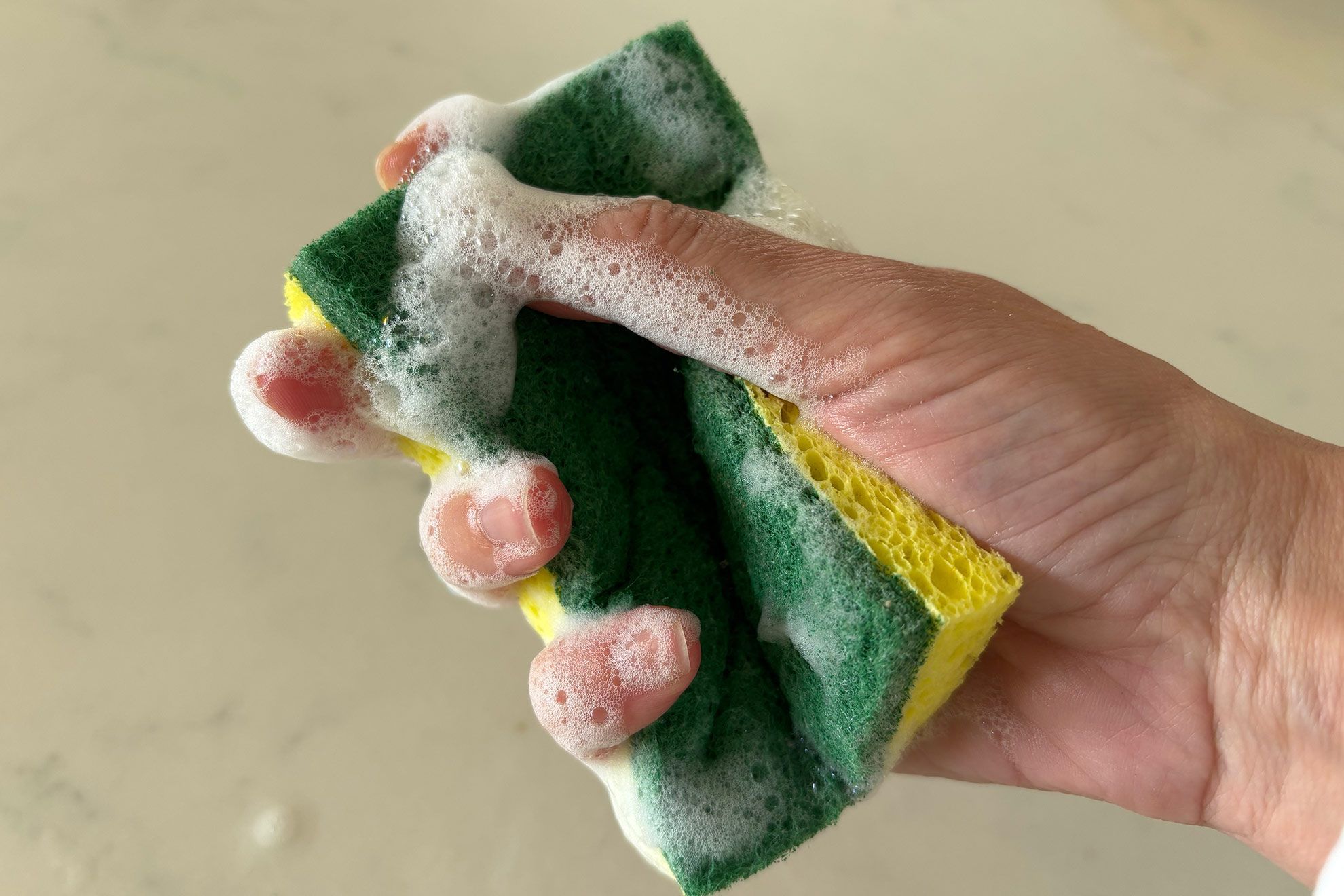
Your kitchen sponge is one of the busiest tools in your home, working hard every day to clean up spills, wash dishes, and wipe surfaces. But have you ever stopped to think about how often you should switch it out?
Using the same sponge for too long can turn it into a breeding ground for germs, putting your health at risk. You’ll discover the simple yet crucial timing for changing your kitchen sponge. By the end, you’ll know exactly how to keep your kitchen cleaner and safer with just a small change in your routine.
Keep reading—you’ll be surprised at how easy it is to protect your home and family.

Credit: www.yahoo.com
Kitchen Sponge Lifespan
Your kitchen sponge is one of the most hardworking tools in your kitchen, yet it often gets overlooked when it comes to replacement. Understanding the typical lifespan of a kitchen sponge can help you maintain a cleaner and healthier cooking environment. How long should you really keep using that sponge before it becomes more of a problem than a help?
Signs It's Time To Replace
Sponges don’t last forever, and certain signs clearly indicate it’s time to toss the old one. If your sponge starts to smell bad even after rinsing, it’s a strong signal that bacteria have taken over. Visible wear like fraying edges, discoloration, or a slimy texture also means your sponge has seen better days.
Have you noticed your sponge leaving streaks or not cleaning as effectively? That’s another clue it’s past its prime. Remember, using a worn-out sponge can spread germs rather than remove them.
Factors Affecting Durability
Not all sponges age the same way. The material quality, frequency of use, and how you clean your sponge all affect how long it lasts. For example, synthetic sponges generally last longer than natural cellulose ones but can still harbor bacteria if not dried properly.
Consider how often you use your sponge and what you clean with it. Scrubbing greasy pans daily will wear it down faster than light dishwashing. Also, sponges kept in damp areas stay wet longer, giving bacteria a perfect breeding ground.
Do you store your sponge in a well-ventilated spot? Letting it dry between uses can significantly extend its life. A quick microwave session or soaking in a bleach solution once a week can also help kill germs and preserve durability.
Health Risks Of Old Sponges
Old kitchen sponges can be a hidden health risk. They trap dirt, food particles, and moisture. This environment helps germs multiply rapidly. Using a sponge for too long increases the chance of spreading bacteria in your kitchen.
Bacterial Growth
Sponges stay wet and warm, perfect for bacteria growth. Harmful germs like Salmonella and E. coli thrive in old sponges. These bacteria can cause food poisoning and infections. Regularly changing your sponge limits this bacterial buildup.
Cross-contamination Dangers
Using the same sponge for different surfaces spreads germs easily. Bacteria from raw meat juices can transfer to clean dishes. This cross-contamination can make you and your family sick. Switching sponges often reduces these risks and keeps your kitchen safer.
Best Practices For Sponge Care
Kitchen sponges are essential tools in our daily lives. They help us keep our kitchens clean and hygienic. Yet, they can harbor bacteria if not cared for properly. Understanding the best practices for sponge care ensures your kitchen stays sanitary.
Daily Cleaning Methods
Clean your sponge daily to reduce germs. Rinse it thoroughly after every use. Use hot, soapy water to wash away food particles. You can also microwave a damp sponge for 1 minute. This kills most bacteria. Ensure the sponge is wet before microwaving to avoid fire hazards. Alternatively, run it through the dishwasher cycle with your dishes.
Proper Drying Techniques
A wet sponge breeds germs. Squeeze out excess water after cleaning. Place it in a well-ventilated area to dry. Avoid leaving it in the sink. Use a rack or sponge holder to keep it elevated. This allows air to circulate, speeding up the drying process. Consider rotating between two sponges. This ensures one is always dry and ready for use.
Alternative Cleaning Tools
Alternative cleaning tools provide fresh options to keep your kitchen clean. They often last longer and resist germs better than traditional sponges. These tools can save money and reduce waste. Consider trying different materials for effective and hygienic cleaning.
Silicone Scrubbers
Silicone scrubbers resist bacteria and dry quickly. They do not absorb water or food particles. Cleaning them is easy; just rinse or put in the dishwasher. Silicone scrubbers stay fresh and do not smell bad. Their soft texture cleans without scratching surfaces. They work well for dishes, counters, and sinks.
Reusable Cloths
Reusable cloths are versatile and eco-friendly. They come in cotton or microfiber varieties. These cloths absorb spills and wipe surfaces smoothly. Wash them regularly to keep them clean and odor-free. Using reusable cloths reduces plastic waste. They dry faster than sponges, lowering bacteria growth risk.
Routine Sponge Replacement Schedule
Keeping a routine sponge replacement schedule helps maintain kitchen hygiene. Sponges can harbor bacteria and odors quickly. Changing them regularly reduces health risks and keeps your kitchen fresh. Establishing a clear timetable makes it easy to remember when to replace sponges. This section compares weekly and biweekly changes and shows how to adjust frequency based on usage.
Weekly Vs. Biweekly Changes
Changing your kitchen sponge weekly is often best for busy kitchens. Sponges absorb food particles and moisture, creating a breeding ground for germs.
Biweekly changes may suit less frequent kitchen use. However, sponges can still collect bacteria and odors even with light use.
Weekly replacement:
- Reduces bacteria build-up
- Prevents bad smells
- Ensures cleaner surfaces
Biweekly replacement:
- Cost-effective for light users
- May require extra cleaning steps
- Still risks bacteria growth over time
Adjusting Frequency For Usage
Adjust how often you change sponges based on kitchen activity. More cooking means faster sponge wear and more germs.
Consider these factors to adjust replacement frequency:
- Number of daily meals prepared
- Frequency of sponge use for cleaning
- Presence of raw meat or fish residues
- Moisture levels and drying time
For heavy use, change sponges every 3-4 days. For moderate use, weekly replacement works well. For occasional use, biweekly may be enough but watch for smells or sliminess. Always replace immediately if the sponge looks worn or smells bad.

Credit: www.absolutesolutions.com.sg

Credit: www.absolutecleaning.com.sg
Frequently Asked Questions
How Often Should I Replace My Kitchen Sponge?
Replace your kitchen sponge every one to two weeks. Frequent replacement prevents bacteria buildup and keeps your kitchen hygienic. If it smells bad or looks worn, replace it immediately to avoid contamination.
Can I Sanitize A Kitchen Sponge Instead Of Replacing?
Yes, you can sanitize sponges by microwaving or boiling them. However, sanitizing doesn’t remove all bacteria. Regular replacement is still recommended for best hygiene.
What Signs Show My Sponge Needs Replacing?
A sponge needs replacing if it smells bad, feels slimy, or falls apart. Visible discoloration or mold also indicates it’s time to switch to a fresh sponge.
Does Sponge Type Affect How Often To Replace It?
Yes, natural sponges may last longer but still need frequent replacement. Synthetic sponges often harbor bacteria quicker and require more regular changing for safety.
Conclusion
Switch kitchen sponges every one to two weeks for best results. Sponges hold many germs and can cause illness if used too long. Keep them dry and clean between uses to slow bacteria growth. Replace sponges sooner if they smell bad or break apart.
Regularly changing sponges keeps your kitchen safe and healthy. Small steps like this make a big difference in hygiene. Stay mindful and protect your family with fresh sponges. Simple habits help avoid unwanted health problems at home.