

Your kitchen hood works hard every day to keep your cooking space fresh and free from smoke, grease, and odors. But how often do you stop to clean it?
Ignoring this simple task can lead to poor air quality, unpleasant smells, and even fire hazards. If you want to keep your kitchen safe and smelling great, knowing the right cleaning schedule is key. Keep reading to discover exactly how often your kitchen hood should be cleaned and why it matters more than you might think.
Credit: xoappliance.com
Importance Of Kitchen Hood Cleaning
Cleaning your kitchen hood is essential for a safe and healthy cooking space. It removes grease, smoke, and odors that build up over time. A clean hood works better and lasts longer. Neglecting this task can cause serious problems for your home and health.
Health Risks Of A Dirty Hood
Grease and dust collect on dirty hoods. This can cause poor air quality. Harmful particles stay in the kitchen air. They can trigger allergies and breathing problems. Bacteria and mold may grow in the grease. This increases the risk of illness for your family.
Fire Hazards And Safety
Grease buildup is highly flammable. It can catch fire from cooking flames or heat. Fires spread quickly through dirty hoods. This puts your home and loved ones in danger. Regular cleaning lowers the chance of a fire. It keeps your kitchen a safe place to cook.
Maintaining Appliance Efficiency
A clean hood works more efficiently. It removes smoke and odors faster. This improves air circulation in the kitchen. A dirty hood slows down the fan and filters. It uses more energy and wears out sooner. Cleaning saves money on repairs and electricity bills.

Credit: www.searshomeservices.com
Factors Influencing Cleaning Frequency
Knowing how often to clean your kitchen hood depends on several key factors. These influence how quickly grease and grime build up. Understanding them helps you keep your kitchen safe and your hood working efficiently.
Cooking Habits And Frequency
How often you cook plays a big role in cleaning frequency. If you prepare meals daily, especially frying or grilling, your hood collects more grease faster.
On the other hand, if you cook occasionally or mostly steam and boil, you might clean your hood less often. Think about the types of meals you make and how often you fire up the stove.
Type Of Cooking Appliances
The kind of appliance you use affects hood maintenance. Gas stoves tend to produce more soot and grease compared to electric cooktops.
Using a deep fryer or wok regularly can leave behind thicker grease layers. You might need to clean your hood more frequently to avoid buildup that blocks airflow.
Kitchen Size And Ventilation
A small, enclosed kitchen traps more smoke and grease particles than a large, well-ventilated one. If your kitchen lacks windows or additional ventilation, your hood works harder and gets dirtier faster.
Good ventilation reduces the load on your hood, meaning less frequent cleaning. Ask yourself: is your kitchen airy enough, or does it feel stuffy when you cook?
Recommended Cleaning Intervals
Knowing how often to clean your kitchen hood is crucial for maintaining a safe and efficient cooking environment. Cleaning intervals can vary widely depending on the type of kitchen and how often you use it. Sticking to a recommended schedule helps prevent grease buildup, reduces fire risks, and keeps your kitchen smelling fresh.
Residential Kitchen Guidelines
In a typical home kitchen, cleaning your hood every 1 to 3 months is usually enough. If you cook daily or use lots of oil and grease, aim for the shorter end of that range. Don’t forget to clean the filters separately every month to keep airflow steady and effective.
I once delayed cleaning my hood for six months and noticed a strong grease smell and reduced suction. After cleaning, the difference was clear—better air quality and easier cooking. Could your kitchen benefit from a similar routine?
Commercial Kitchen Standards
Commercial kitchens require more frequent cleaning due to heavier use. Many health and safety regulations suggest cleaning kitchen hoods every 1 to 4 weeks, depending on cooking volume and grease levels. Some busy restaurants clean their hoods weekly or even twice a week to meet strict fire codes and maintain safety.
It’s worth checking your local regulations or consulting a professional to set the right schedule. Ignoring this can lead to fines or dangerous fire hazards. How often does your commercial kitchen clean its ventilation system?
Signs Your Hood Needs Cleaning
Even if you follow a schedule, watch for signs that your hood needs cleaning sooner. Look out for:
- Visible grease buildupon the hood or filters
- Unusual odorslingering after cooking
- Reduced suctionor airflow
- Excessive smokeduring cooking
If any of these happen, don’t wait—clean your hood immediately. Paying attention to these signs can save you time and prevent bigger problems down the line.
Step-by-step Cleaning Process
Regularly cleaning kitchen hoods prevents grease buildup and keeps air fresh. Remove filters, soak them in warm soapy water, and wipe down surfaces carefully. Repeat this process every one to three months for best results.
Cleaning your kitchen hood regularly keeps your kitchen safe and fresh. This step-by-step guide makes the cleaning process easy and effective. Clear instructions ensure you can maintain your kitchen hood without hassle.
Tools And Materials Needed
Gather these materials to start your cleaning task:
- Soft cloths or sponges
- Mild dish soap
- Warm water
- Baking soda
- A non-abrasive scrub brush
- Vinegar
- Bucket
- Protective gloves
Removing And Cleaning Filters
Remove the filters carefully. Check your hood’s manual if needed. Fill a bucket with hot water and dish soap. Soak the filters for 10-15 minutes. Use a brush to scrub away grease. Rinse thoroughly with warm water. Let them air dry completely.
Cleaning The Hood Exterior And Interior
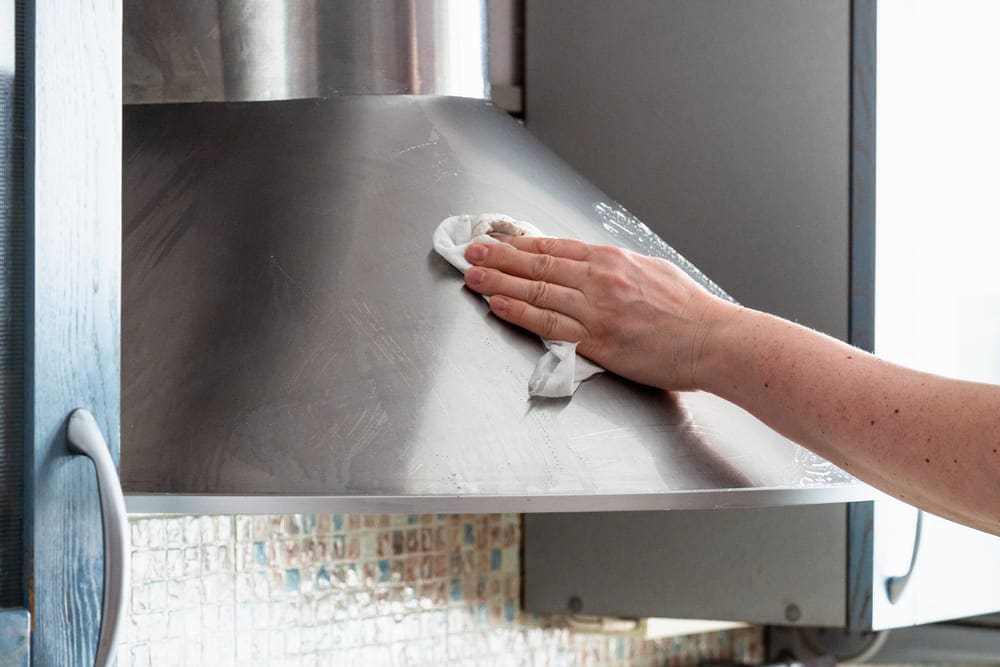
Create a cleaning mixture with warm water and vinegar. Use a soft cloth to wipe the hood’s exterior. Focus on areas with visible grease. For the interior, use a damp cloth. Avoid excess water near electrical components. Rinse cloth often to prevent streaks. Dry with a clean towel to finish.
Professional Cleaning Services
Professional cleaning services play a vital role in keeping kitchen hoods working well. These experts clean areas that are hard to reach and remove built-up grease safely. Regular professional care helps prevent fires and keeps your kitchen air fresh.
When To Hire Experts
Call a professional if your hood shows signs of heavy grease buildup. Noticeable smoke or strange smells during cooking also signal a need. Experts are best for deep cleaning after several months of use. Commercial kitchens require more frequent visits due to higher cooking volume.
Cost And Frequency Of Professional Cleaning
Professional cleaning costs vary by kitchen size and hood type. Typically, expect to pay between $150 and $400 per session. Home kitchens usually need cleaning every 6 to 12 months. Commercial kitchens often require service every 3 to 6 months to stay safe.
Benefits Of Professional Maintenance
- Removes tough grease that regular cleaning misses
- Reduces risk of kitchen fires
- Improves air quality and ventilation
- Extends lifespan of your kitchen hood
- Ensures compliance with safety standards
Experts use special tools and safe chemicals. They save time and protect your kitchen equipment. Professional cleaning keeps your kitchen safer and more efficient.
Preventive Tips To Extend Cleaning Intervals
Keeping your kitchen hood clean is essential for safety and performance. Extending the time between deep cleanings saves effort and keeps your hood working well. Some simple preventive tips help reduce grease and dirt buildup. These tips keep the hood efficient and fresh longer.
Regular Maintenance Practices
Clean the hood’s exterior weekly with a soft cloth and mild detergent. Wipe down surfaces to remove grease spots and dust. Check the fan and motor area monthly for dirt or blockages. Remove filters and soak them in warm, soapy water every two weeks. Dry filters completely before reinstalling to prevent mold. Small, frequent cleanings stop heavy grease buildup and keep air flowing smoothly.
Using High-quality Filters
Choose filters that trap grease and particles effectively. Metal mesh filters are durable and easy to clean. Charcoal filters help reduce odors and smoke. Replace disposable filters as recommended by the manufacturer. Good filters protect the fan and ductwork from grime. Using quality filters reduces cleaning frequency and improves air quality.
Proper Ventilation Techniques
Turn on the kitchen hood before cooking to capture smoke early. Use the highest fan speed for frying or grilling. Open windows or doors to improve air circulation. Avoid cooking with lids off to reduce steam and grease spread. Proper ventilation cuts down on dirt buildup inside the hood. It helps maintain cleaner air and extends cleaning intervals.

Credit: www.searshomeservices.com
Frequently Asked Questions
How Often Should Kitchen Hoods Be Cleaned?
Kitchen hoods should be cleaned every 1 to 3 months. Frequent use requires more regular cleaning to prevent grease buildup and maintain efficiency. Regular cleaning improves air quality and extends the hood’s lifespan.
What Happens If Kitchen Hoods Aren’t Cleaned Regularly?
If not cleaned, grease buildup can cause fire hazards and reduce airflow. It leads to unpleasant odors and damages the hood’s motor. Regular cleaning ensures safety and optimal performance.
Can I Clean My Kitchen Hood Myself?
Yes, most kitchen hoods can be cleaned at home. Use warm soapy water and degreasers to clean filters and surfaces. Follow the manufacturer’s instructions for best results and safety precautions.
Does Kitchen Hood Cleaning Improve Kitchen Air Quality?
Yes, cleaning removes grease, dust, and contaminants blocking airflow. A clean hood efficiently removes smoke and odors, improving kitchen air quality. Regular maintenance keeps your kitchen healthier and fresher.
Conclusion
Regular cleaning keeps kitchen hoods working well and safe. Grease buildup can cause bad smells and fire risks. Clean filters every one to three months depending on use. Wipe surfaces often to avoid sticky dirt. A clean hood improves air quality and kitchen comfort.
Small efforts prevent big problems later. Remember, a clean kitchen hood means a healthier cooking space. Keep it simple and consistent for best results. Your kitchen will thank you.