
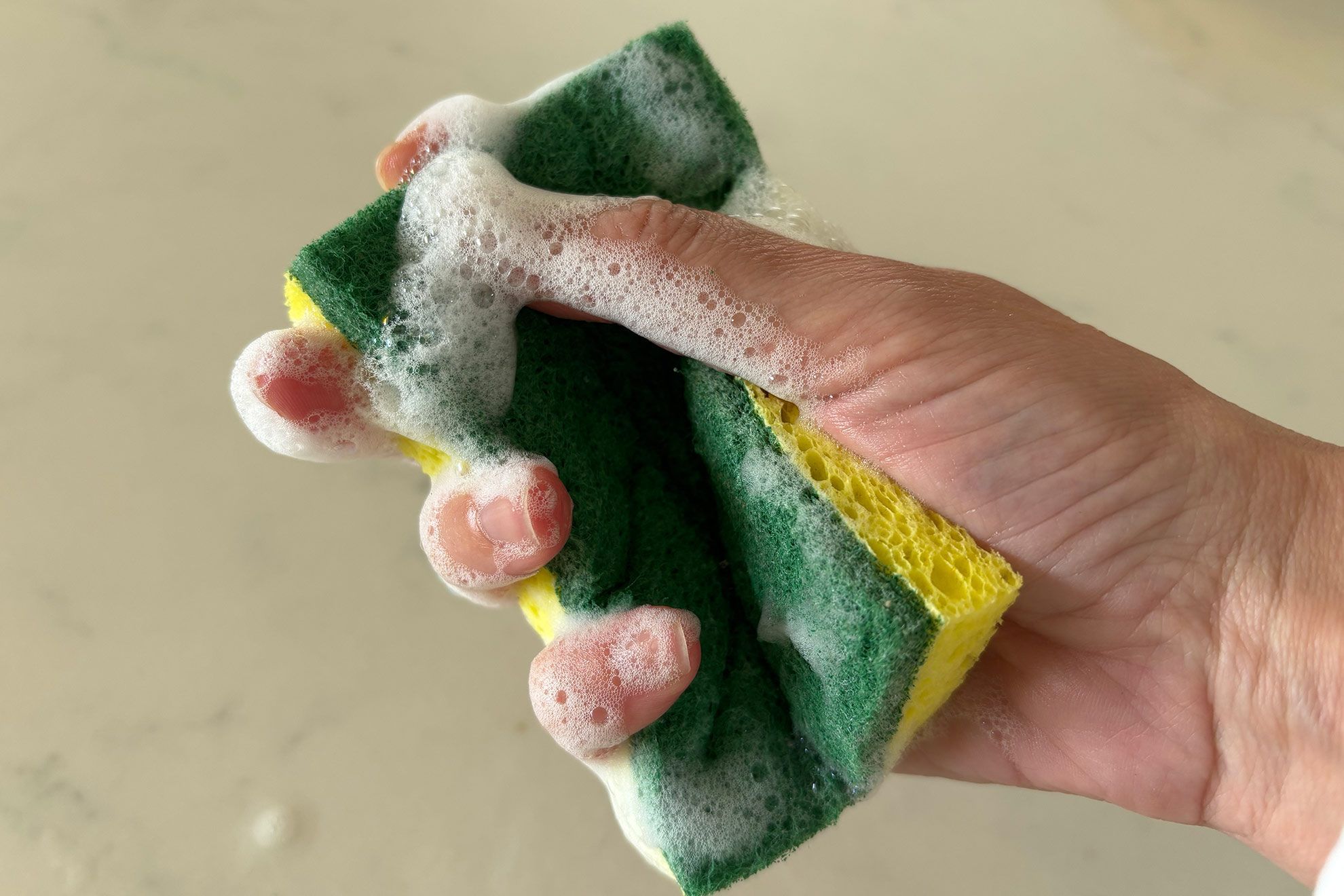
Your kitchen sponge is one of the busiest tools in your home. You use it every day to clean dishes, wipe counters, and tackle spills.
But have you ever stopped to think about how often you should replace it? Using a sponge too long can turn it into a breeding ground for germs, putting your health at risk. You’ll discover the simple signs that tell you it’s time for a new sponge and learn easy tips to keep your kitchen cleaner and safer.
Keep reading—you’ll be surprised how a small change can make a big difference.

Credit: www.absolutesolutions.com.sg
Signs To Replace Sponges
Knowing when to replace kitchen sponges is key to keeping your kitchen clean and safe. Sponges wear out fast because of constant use and moisture. Watch for clear signs that your sponge is no longer good to use. These signs help you avoid spreading germs and keep your dishes spotless.
Visible Wear And Tear
Check your sponge for holes, tears, or frayed edges. A worn-out sponge cannot clean properly. It may leave food particles behind. A sponge that looks old or damaged should be replaced quickly. Using a damaged sponge can spread dirt instead of removing it.
Persistent Odors
Bad smells coming from your sponge mean it holds bacteria. Even after rinsing, some sponges keep a sour or rotten odor. This smell means the sponge is dirty inside. It is best to throw it away and use a fresh one. A smelly sponge can make your kitchen less hygienic.
Bacterial Buildup
Sponges are a perfect home for bacteria because they stay wet. Bacteria can multiply fast in a damp sponge. Using a sponge with bacteria can cause illness. If you notice slime or discoloration, replace the sponge. Regularly changing sponges helps prevent the spread of germs.
Recommended Replacement Frequency
Knowing the right time to replace kitchen sponges keeps your kitchen clean and safe. Sponges hold bacteria and can cause bad smells. Changing them regularly stops germs from spreading. Different use levels need different replacement schedules.
Daily Use Sponges
Sponges used every day should be replaced often. Change them at least once a week. If they start to smell or fall apart, replace immediately. Daily use means more germs build up quickly.
Occasional Use Sponges
Sponges used less often can last longer. Replace these sponges every two to three weeks. Keep an eye on their condition. If they look dirty or smell bad, swap them out sooner.
Commercial Kitchen Sponges
Sponges in restaurants or busy kitchens need fast replacement. Change them every few days or even daily. High use creates more germs and wear. Cleanliness in commercial kitchens is very important.
Cleaning Tips To Extend Sponge Life
Kitchen sponges should be replaced every one to two weeks to prevent bacteria buildup. Rinsing and drying them after use helps extend their life. Regular cleaning with hot water or vinegar keeps sponges fresher longer.
Keeping kitchen sponges clean is essential for maintaining a healthy kitchen environment. After all, these little cleaning powerhouses can harbor harmful bacteria if not properly cared for. But how can you extend their life without sacrificing cleanliness? With a few clever cleaning tips, you can keep your sponges fresh and effective for longer. Here are some tried-and-true methods to help you do just that.
Microwave Method
Did you know that your microwave can be a secret weapon against sponge germs? Simply dampen your sponge and place it in the microwave for about one minute. The heat kills off bacteria, leaving your sponge refreshed and ready for more cleaning action. Just be cautious—make sure your sponge doesn’t have any metal components, and let it cool before handling.
Dishwasher Cleaning
Your dishwasher isn’t just for dirty dishes; it can clean your sponge too! Place your sponge on the top rack of the dishwasher and run it through a regular cycle. This method not only cleans but also sanitizes your sponge, making it as good as new. Do this regularly to keep your sponge in tip-top shape.
Bleach Soak
For a deep clean, try soaking your sponge in a bleach solution. Mix three-quarters of a cup of bleach with one gallon of water and let the sponge soak for about five minutes. This powerful solution eliminates bacteria and odors, giving your sponge a fresh start. Just remember to rinse it thoroughly with water before using it again. Incorporating these methods into your cleaning routine can significantly extend the life of your kitchen sponges. Which technique will you try first? Give them a shot and see how they transform your kitchen cleaning game!

Credit: www.taste.com.au
Alternative Cleaning Tools
Switching from traditional kitchen sponges to alternative cleaning tools can change how you tackle daily messes. These options often last longer and can be more hygienic, reducing the need for constant replacement. Have you ever thought about how your choice of cleaning tool affects your kitchen’s cleanliness and your health?
Silicone Sponges
Silicone sponges are a durable alternative that resists bacteria better than regular sponges. Their non-porous surface means they dry quickly and don’t trap food particles easily. Plus, they can be sanitized in boiling water or the dishwasher, making them a practical choice for busy kitchens.
I switched to silicone sponges last year and noticed a big drop in unpleasant odors and mold growth. They might cost more upfront but save money over time because they don’t need to be replaced as often.
Brushes And Scrubbers
Brushes and scrubbers come in many shapes and sizes, designed for specific tasks like scrubbing pots or cleaning vegetables. Their bristles can reach into crevices that sponges miss, improving overall cleaning efficiency.
Using a brush also means less surface contact with dirty water and bacteria, which can be a healthier option. Have you tried switching to a brush for your toughest cleaning jobs? You might find it less gross and more effective.
Reusable Cloths
Reusable cloths, such as microfiber or cotton, are versatile and eco-friendly. They can be washed and reused hundreds of times, cutting down on waste and saving money.
These cloths work well for wiping counters, drying dishes, and even light scrubbing. Just remember to wash them regularly at high temperatures to keep them free from germs and odors.
Health Risks Of Old Sponges
Old kitchen sponges pose serious health risks. They become a breeding ground for germs and bacteria. Using a sponge for too long can affect your health and food safety. Understanding these risks helps you keep your kitchen safe and clean.
Bacterial Contamination
Sponges stay damp and warm, perfect for bacteria growth. Harmful bacteria like E. coli and Salmonella thrive on old sponges. These germs multiply quickly, increasing the risk of infection. Dirty sponges can spread bacteria across your kitchen surfaces.
Cross-contamination
Using the same sponge for different tasks spreads germs. For example, wiping raw meat juices then cleaning counters. This cross-contamination can transfer dangerous bacteria to ready-to-eat foods. It raises the chance of food poisoning and illness.
Foodborne Illness
Old sponges increase the risk of foodborne illness. Bacteria from sponges can enter your food and cause sickness. Symptoms include stomach pain, nausea, and diarrhea. Regular sponge replacement helps prevent these health problems.

Credit: amazonascrub.com
Eco-friendly Disposal Options
Choosing how to dispose of your kitchen sponges can impact the environment more than you might think. Instead of tossing them in the trash, there are eco-friendly options that help reduce landfill waste and promote sustainability. Let’s look at some practical ways you can manage sponge disposal responsibly.
Composting Natural Sponges
If your sponge is made from natural materials like cellulose, it can often be composted. These sponges break down quickly in a compost pile, turning into nutrient-rich soil for your garden.
Before composting, make sure the sponge is free of synthetic scrubbing pads or harsh chemicals. Cutting it into smaller pieces speeds up decomposition. Have you tried adding used natural sponges to your compost bin yet?
Recycling Synthetic Sponges
Synthetic sponges are trickier because they contain plastics that don’t break down easily. However, some specialized recycling programs accept them.
- Check with local recycling centers if they handle kitchen sponges.
- Look for mail-in programs designed for household cleaning products.
- Some brands offer take-back initiatives for their sponges.
Finding a recycling option might take a bit of effort, but it keeps plastics out of landfills. Have you explored whether your community offers this service?
Reducing Waste
One of the best ways to cut down on sponge waste is to use fewer disposable sponges overall. Consider reusable alternatives like silicone scrubbers or washable cloths that last much longer.
Also, try to extend the life of your sponges by regularly cleaning them with vinegar or microwaving them briefly to kill bacteria. How much waste could you prevent by switching to more durable cleaning tools?
Frequently Asked Questions
How Often Should Kitchen Sponges Be Replaced?
Kitchen sponges should be replaced every 1 to 2 weeks. Frequent replacement prevents bacteria buildup and keeps your kitchen hygienic. If the sponge smells bad or looks worn out, replace it immediately for safety.
Can Kitchen Sponges Be Sanitized Instead Of Replaced?
Yes, kitchen sponges can be sanitized using microwaving or soaking in bleach. However, sanitizing only reduces bacteria temporarily. Regular replacement is still necessary to maintain cleanliness and avoid cross-contamination.
What Signs Indicate It's Time To Replace A Sponge?
Replace your sponge if it smells bad, feels slimy, or has visible wear. These signs show bacteria growth and degradation, which can spread germs and reduce cleaning efficiency.
Does Sponge Type Affect Replacement Frequency?
Yes, natural sponges may last longer but still need regular replacement. Synthetic sponges degrade faster and should be replaced more often. Choose sponges based on usage and hygiene needs.
Conclusion
Kitchen sponges get dirty fast and can carry germs. Change them every one to two weeks for safety. Keep sponges dry between uses to slow bacteria growth. Clean them often by microwaving or soaking in bleach. Using fresh sponges helps keep your kitchen clean and healthy.
Small steps like this protect your family from illness. Remember, a clean sponge means a safer kitchen. Simple habits make a big difference in hygiene. Don’t wait until sponges smell bad—replace them on time.