
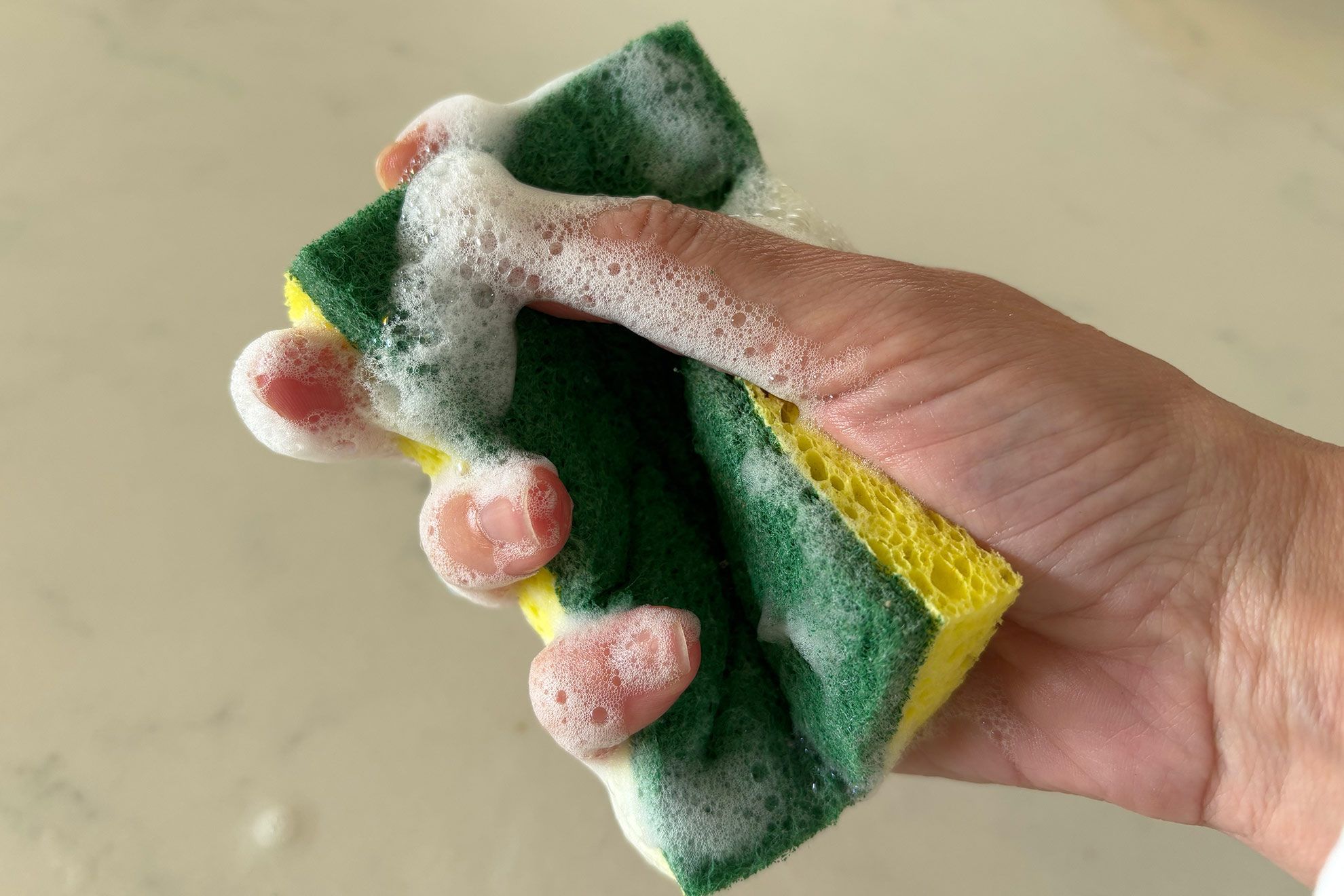
Have you ever stopped to think about how often you change your kitchen sponge? It might seem like a small detail, but your sponge can actually harbor a lot of bacteria.
Using an old sponge not only spreads germs but can also affect the cleanliness of your dishes and even your health. Knowing the right time to replace your sponge can make a big difference in your kitchen’s hygiene. Keep reading to find out how often you should change your kitchen sponge and simple tips to keep it fresh and safe.

Credit: www.absolutecleaning.com.sg
Why Sponge Hygiene Matters
Keeping your kitchen sponge clean isn’t just about tidiness—it directly affects your health and the safety of your food. A sponge that looks fine on the surface might actually be a breeding ground for harmful germs. Understanding why sponge hygiene matters can help you make better choices about how often to replace it and how to keep your kitchen safer.
Bacteria Growth In Sponges
Sponges stay damp for long periods, creating the perfect environment for bacteria to multiply quickly. These tiny organisms hide deep inside the sponge’s pores, making it hard to wash them away completely. Did you know that a kitchen sponge can contain more bacteria than a toilet seat? It’s a surprising fact but shows how essential regular cleaning and changing are.
Even rinsing your sponge after each use won’t stop bacteria from growing. The food particles stuck in the sponge act like fuel for germs. If you’ve ever noticed a bad smell coming from your sponge, that’s a clear sign bacteria are thriving.
Health Risks From Dirty Sponges
Using a dirty sponge can spread harmful germs to your dishes, countertops, and even your hands. This increases the risk of foodborne illnesses like salmonella and E. coli infections. Imagine wiping your kitchen counter with a sponge full of bacteria—it’s like inviting illness into your home.
One time, I ignored my sponge’s foul smell and kept using it for weeks. Soon after, my family caught a stomach bug, and I realized the sponge was likely the culprit. You don’t want to learn this lesson the hard way.
To protect yourself, regularly replace your sponge—ideally every one to two weeks—and sanitize it frequently. Your health is worth more than the few cents saved by holding onto a worn-out sponge.

Credit: www.taste.com.au
Signs To Replace Your Sponge
Knowing when to replace your kitchen sponge is crucial for maintaining a clean and healthy kitchen. Sponges are a breeding ground for bacteria if left unchanged for too long. Paying attention to specific signs can save you from spreading germs and keep your dishes spotless.
Unpleasant Odors
If your sponge starts to smell bad, it’s a clear warning sign. A foul odor means bacteria and mold are growing inside. Even after rinsing, if the smell lingers, it’s time to toss the sponge.
Visible Wear And Tear
Look closely at your sponge’s surface. If you notice cracks, holes, or it’s falling apart, it won’t clean effectively anymore. Using a worn-out sponge can scratch your dishes or leave residue behind.
Persistent Stains
Stains that don’t come out after washing indicate your sponge is soaked with grime and bacteria. No matter how hard you scrub it, if stains remain, the sponge has lost its cleaning power. Don’t let a stained sponge compromise your kitchen hygiene.
Recommended Sponge Replacement Frequency
Keeping your kitchen sponge clean and effective is crucial for maintaining a healthy home. But how often should you actually replace it? It's a question many of us ponder as we rinse off yet another dish. Knowing the recommended sponge replacement frequency can help prevent bacteria buildup and ensure your kitchen remains spotless. Let's explore the factors that determine how often you should swap out your sponge for a fresh one.
Daily Vs Weekly Changes
Some experts suggest replacing your kitchen sponge daily, especially if you use it frequently throughout the day. This might seem excessive, but considering how sponges can harbor bacteria, it's a proactive approach. On the other hand, if your sponge usage is minimal, a weekly change might suffice.
Imagine using a sponge for just a few light cleaning tasks daily. You might find that a weekly switch keeps things in check without being wasteful. The key is observing your own kitchen habits and adjusting accordingly. Are you someone who cleans up after every meal or just during a weekend deep clean?
Factors Influencing Replacement Time
Your sponge replacement frequency isn't just about how often you use it. The types of foods you clean can also play a role. Cleaning up after raw meat or dairy products? You might need to change your sponge more frequently to avoid cross-contamination.
Consider your kitchen's humidity level. A damp environment can cause bacteria to multiply faster, necessitating more frequent sponge changes. If your kitchen is well-ventilated, you might be able to stretch your sponge's lifespan a bit longer.
Think about your sponge's appearance and smell. If it's looking worn out or has a funky odor, it's definitely time to replace it, regardless of your usual schedule. Trust your senses to guide you in maintaining a fresh and healthy kitchen environment.
How often do you replace your kitchen sponge? Reflect on these factors and see if you might benefit from a more frequent change. A little attention to this small kitchen tool can make a big difference in your household's cleanliness.
Tips To Prolong Sponge Life
Extending the life of your kitchen sponge not only saves money but also keeps your kitchen cleaner and healthier. Small changes in how you clean and store your sponge can make a big difference in how long it lasts. Let’s look at some practical tips that will help you get the most out of your sponge.
Proper Cleaning Methods
After each use, rinse your sponge thoroughly with hot water to remove food particles and soap. This prevents bacteria from building up inside the sponge. You can also sanitize it by microwaving a damp sponge for about 1 minute or soaking it in a mixture of bleach and water for 5 minutes.
Have you ever noticed a foul smell coming from your sponge? That’s a sign it’s time to clean it more often or replace it. Remember, simply rinsing with cold water won’t kill bacteria effectively. Use heat or disinfectants to keep your sponge safe.
Storage Best Practices
Where you keep your sponge matters. Avoid leaving it in a wet sink or on a flat surface where water collects. Instead, store it in a place where it can dry quickly, like a sponge holder with holes or a wire rack.
Keeping your sponge dry between uses slows down bacteria growth. Have you tried hanging your sponge to air dry? It might feel inconvenient at first, but it really helps prolong its life and keeps your kitchen smelling fresh.
Alternatives To Traditional Sponges
Traditional kitchen sponges can harbor bacteria and wear out quickly. Finding alternatives helps keep your kitchen cleaner and lasts longer. These options dry faster and resist odors, making them a smart choice for daily cleaning tasks.
Microfiber Cloths
Microfiber cloths clean surfaces efficiently without harsh chemicals. They trap dirt and grease well, making scrubbing easier. These cloths dry quickly, reducing the chance of bacteria growth. Wash them often to keep them fresh and ready.
Silicone Scrubbers
Silicone scrubbers resist stains and do not absorb water. They are easy to clean and dry fast after use. The soft bristles scrub gently but effectively on dishes and counters. Silicone scrubbers last much longer than traditional sponges.

Credit: www.absolutesolutions.com.sg
Frequently Asked Questions
How Often Should You Replace A Kitchen Sponge?
Replace your kitchen sponge every one to two weeks. Frequent replacement prevents bacteria buildup and keeps your kitchen hygienic. If the sponge smells bad or looks worn, replace it immediately for safety.
Can I Disinfect My Kitchen Sponge Instead Of Replacing?
Yes, disinfecting can extend sponge life briefly. Use a microwave or soak it in bleach solution. However, frequent replacement is still recommended to avoid harmful bacteria growth.
What Signs Indicate A Sponge Needs Changing?
A sponge needs changing if it smells bad, feels slimy, or tears easily. Discoloration and persistent stains are also signs that bacteria may be growing inside.
Is It Safe To Use A Sponge Longer Than Two Weeks?
Using a sponge longer than two weeks increases bacteria risk. This can cause cross-contamination and foodborne illnesses. Regular replacement is safer and keeps your kitchen clean.
Conclusion
Changing your kitchen sponge often keeps your kitchen clean and safe. Bacteria grow quickly on old sponges. Replace your sponge every one to two weeks. If it starts to smell or looks worn, change it sooner. Clean sponges help prevent germs from spreading on dishes and surfaces.
Using a fresh sponge makes your kitchen work easier and healthier. Small habits like this improve your daily kitchen routine. Keep your kitchen sponge fresh for a cleaner home.