
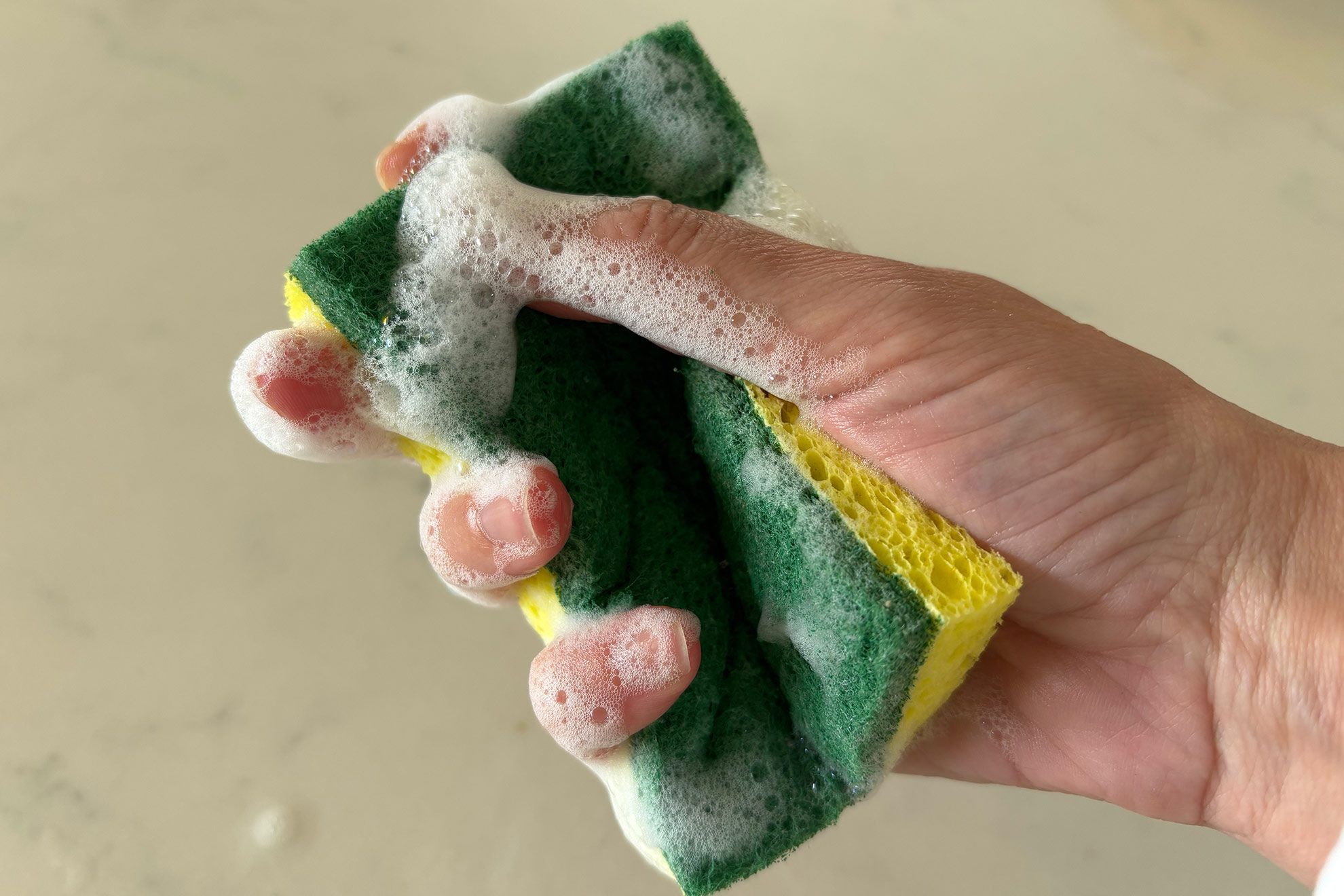
Your kitchen sponge is one of the busiest tools in your home, but have you ever stopped to think about how often you should change it? Using the same sponge for too long can turn it into a breeding ground for germs, putting your health at risk.
You might be surprised to learn how quickly bacteria can build up and how that affects your kitchen’s cleanliness. Keep reading to find out the simple steps you can take to keep your sponge fresh and your kitchen safe.

Credit: www.taste.com.au
Kitchen Sponge Lifespan
Kitchen sponges are essential tools for cleaning dishes and surfaces. Yet, they do not last forever. Their lifespan depends on use and care. Knowing when to change your sponge helps keep your kitchen clean and safe.
Signs To Replace Your Sponge
- Foul smell that won't go away
- Visible mold or mildew spots
- Discoloration or dark stains
- Fraying or breaking apart
- Loss of scrubbing ability
- After cleaning raw meat or fish
Factors Affecting Durability
- Frequency of use
- Type of cleaning tasks
- Moisture level after use
- Storage conditions (dry vs. damp)
- Material quality of the sponge
- Regular cleaning or sanitizing
Health Risks Of Old Sponges
Old kitchen sponges pose serious health risks. They become a breeding ground for germs and bacteria. Using a dirty sponge can harm your health and contaminate your food. Understanding these risks helps keep your kitchen safe and clean.
Bacteria Growth And Contamination
Sponges stay moist and trap food particles. This creates a perfect place for bacteria to grow fast. Harmful germs like Salmonella and E. coli can live on sponges. These bacteria spread easily to dishes, counters, and hands. An old sponge holds millions of bacteria. Cleaning does not always remove all germs. Over time, bacteria can build up to dangerous levels.
Impact On Food Safety
Using a sponge full of bacteria risks food contamination. Germs from the sponge can transfer to fresh fruits, vegetables, and cooked meals. This can cause food poisoning or stomach infections. Cross-contamination happens easily in the kitchen. Illnesses spread quickly without proper sponge care. Changing sponges regularly reduces these dangers. Keeping sponges fresh protects your family’s health and food safety.
Best Practices For Sponge Hygiene
Keeping your kitchen sponge clean is key to a healthy kitchen. Sponges can hold many germs if not cared for well. Good hygiene stops bacteria growth and keeps your sponge safe to use. Follow these best practices to maintain a fresh and clean sponge.
Proper Cleaning Methods
Regular cleaning reduces bacteria and odor in your sponge. Use one of these simple ways:
- Microwave the wet sponge for 1-2 minutes to kill germs.
- Soak the sponge in a bleach solution for 5 minutes, then rinse well.
- Run the sponge through the dishwasher on the top rack with hot water.
- Use vinegar or lemon juice soak to naturally disinfect the sponge.
Clean your sponge daily or every other day for best results.
Drying And Storage Tips
Drying your sponge quickly stops bacteria from growing. Follow these tips:
- Squeeze out all water after each use.
- Store the sponge in a dry, open area where air can circulate.
- Use a sponge holder that allows drainage.
- Avoid leaving the sponge in the sink or on a wet surface.
Dry sponges last longer and stay fresher than wet ones.

Credit: www.absolutesolutions.com.sg
Alternative Cleaning Tools
Kitchen sponges can hold bacteria and should be replaced regularly to keep your kitchen clean. Using alternative tools like dishcloths or brushes can reduce the need for frequent sponge changes. Changing sponges every one to two weeks helps maintain hygiene.
Switching to alternative cleaning tools can extend kitchen hygiene. Traditional sponges harbor bacteria. New options offer effective and eco-friendly cleaning. Let's explore some practical alternatives.
Reusable Cloths And Brushes
Reusable cloths are durable and versatile. They can clean various kitchen surfaces. After use, wash them easily in a machine. This reduces waste and saves money. Brushes are another great tool. They have bristles that clean tough spots. Choose brushes with handles for better grip. They are ideal for scrubbing pots and pans.
Eco-friendly Options
Consider bamboo dishcloths. They are biodegradable and absorbent. These cloths resist bacteria growth. You can wash and reuse them many times. Natural fiber brushes are also eco-friendly. They are made from materials like coconut husk. These brushes are strong and sustainable. They can replace plastic brushes effectively. Switching to these tools benefits the environment. They reduce waste and increase cleanliness. Choose the best option for your kitchen needs.
Frequency Recommendations
Knowing how often to change your kitchen sponge can make a big difference in keeping your kitchen clean and safe. The right frequency depends on how you use the sponge and the environment it’s in. Let’s look at some common guidelines and how to adjust them to your needs.
Daily, Weekly, Or Monthly Replacement
You might hear different advice about changing sponges daily, weekly, or monthly. Changing it every day is the safest way to avoid bacteria buildup, especially if you use it on raw meat surfaces or heavily soiled dishes. Weekly changes work for light use, like wiping counters or washing clean dishes.
Monthly replacement is usually too long for most kitchens. Sponges hold moisture, and bacteria grow quickly in damp places. If you wait too long, the sponge becomes a breeding ground for germs.
Tailoring To Usage And Environment
Think about how often you use your sponge and what you use it for. If your kitchen is busy with lots of cooking and raw food prep, change your sponge more often. A single sponge in a quiet kitchen might last longer.
Also, consider how you store your sponge. If it dries out completely between uses, it stays fresher. But if it’s left wet in a sink or on a damp surface, bacteria multiply faster, meaning you should replace it more frequently.
Ask yourself: Is your sponge smelling fresh? Does it look worn or slimy? These signs tell you when it’s time to toss it, no matter the schedule.

Credit: www.absolutesolutions.com.sg
Frequently Asked Questions
How Often Should You Replace A Kitchen Sponge?
You should replace your kitchen sponge every 1 to 2 weeks. Frequent replacement prevents bacteria buildup and keeps your kitchen hygienic. If the sponge smells bad or looks worn, change it immediately to avoid spreading germs.
Can Kitchen Sponges Harbor Harmful Bacteria?
Yes, kitchen sponges can harbor harmful bacteria like Salmonella and E. coli. They remain moist and are often contaminated with food particles, making them a breeding ground. Regular cleaning and timely replacement reduce health risks.
How Can I Disinfect My Kitchen Sponge Effectively?
You can disinfect a kitchen sponge by microwaving it for 1-2 minutes while damp. Alternatively, soak it in a bleach solution for 5 minutes. Both methods kill most bacteria, helping maintain a safer kitchen environment.
Is It Safe To Reuse A Kitchen Sponge Daily?
Reusing a kitchen sponge daily is safe only if it is cleaned and dried properly after each use. However, frequent replacement is recommended to prevent bacterial growth and maintain kitchen hygiene.
Conclusion
Changing your kitchen sponge regularly keeps your kitchen clean and safe. Germs grow fast on old sponges and can spread illness. Replace your sponge every one to two weeks for best results. Rinse and dry it after each use to slow bacteria growth.
Remember, a fresh sponge helps you cook and clean with confidence. Don’t wait until it smells bad or looks worn out. Small habits like this make a big difference in your home’s hygiene. Stay healthy by paying attention to your kitchen sponge’s condition.