
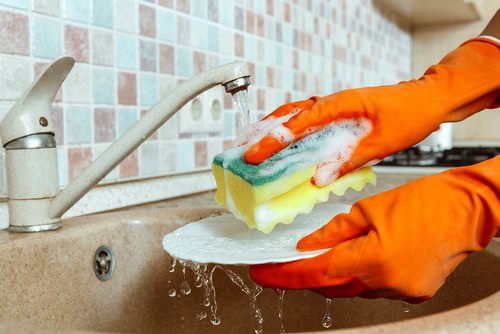
Your kitchen sponge works hard every day, scrubbing away dirt and grime. But have you ever stopped to think about how often you should change it?
Using the same sponge for too long can turn it into a breeding ground for germs, putting your health at risk. You’ll discover the simple signs that tell you it’s time for a new sponge and easy tips to keep your kitchen clean and safe.
Keep reading to protect your home and make your cleaning routine smarter.

Credit: www.absolutesolutions.com.sg
Signs To Replace Your Sponge
Knowing when to replace your kitchen sponge is key to keeping your kitchen clean and safe. Sponges can harbor bacteria and lose effectiveness over time. Paying attention to certain signs can help you decide the right moment to toss that old sponge and grab a fresh one.
Visible Wear And Tear
Check your sponge regularly for any obvious damage. If you notice holes, frayed edges, or the sponge starting to fall apart, it’s time to replace it. A worn sponge won’t clean well and can trap dirt and germs.
Unpleasant Odors
Have you ever picked up your sponge only to be hit by a bad smell? That’s a clear sign bacteria are growing inside it. No amount of rinsing can fully remove these odors, so swapping it out is the best solution to keep your kitchen smelling fresh.
Persistent Stains
Sometimes, even after scrubbing and rinsing, your sponge will hold onto tough stains. These stains indicate that food particles and grime are trapped deep inside. If your sponge looks dirty no matter how much you clean it, don’t hesitate to replace it.
Recommended Replacement Frequency
Replacing kitchen sponges regularly helps keep your kitchen clean and safe. Sponges can hold bacteria and germs that spread quickly. The replacement frequency depends on how often and where you use the sponge. Follow these guidelines for best results.
Daily Use Sponges
Sponges used every day need to be replaced often. Change these sponges at least once a week. Constant exposure to food and moisture causes bacteria to grow fast. Using a fresh sponge reduces the risk of cross-contamination.
Infrequent Use Sponges
Sponges used less often can last longer. Replace them every two to three weeks. Even if used rarely, sponges still collect germs over time. Clean and dry the sponge thoroughly after each use to extend its life.
Sponges In High-moisture Areas
Sponges in damp areas, like near the sink, need quick replacement. Change these sponges every 3 to 4 days. Moisture speeds up bacteria growth. Keep these sponges dry when not in use to slow down germs.
Health Risks Of Old Sponges
Old kitchen sponges can be silent culprits of health hazards lurking in your home. Most people don't realize how quickly a sponge can become a breeding ground for harmful bacteria. Understanding the risks associated with using an old sponge can help you make more informed choices about your kitchen hygiene practices.
Bacterial Growth
Did you know that a kitchen sponge can harbor more bacteria than a toilet seat? It's true! Sponges provide the perfect moist environment for bacteria to thrive.
As you use the sponge to clean various surfaces, it picks up food particles and other contaminants. These particles serve as a feast for bacteria, causing them to multiply rapidly.
Cross-contamination
Using an old sponge can lead to cross-contamination in your kitchen. Imagine wiping your countertop after cutting raw chicken, and then using the same sponge to clean a plate.
This habit can transfer harmful bacteria from one surface to another, potentially spreading germs that can make you and your family ill. Keeping your sponge fresh is crucial for maintaining kitchen hygiene.
Foodborne Illnesses
Have you ever experienced a mysterious stomach bug after a family meal? Your old kitchen sponge might be the culprit. Bacteria like Salmonella and E. coli can thrive in sponges and easily contaminate your food.
Changing your sponge regularly reduces the risk of these bacteria finding their way onto your meals. It's a simple yet effective step to safeguard your family's health.

Credit: www.absolutesolutions.com.sg
Tips To Extend Sponge Life
Keeping your kitchen sponge in good shape not only saves money but also helps maintain a hygienic cooking area. Simple habits can stretch your sponge’s life and keep it fresher longer. Let’s look at practical tips that you can start using today.
Regular Cleaning Methods
Rinse your sponge thoroughly after each use to remove food particles and soap residue. Using warm water and a bit of dish soap, squeeze the sponge multiple times to clean deep inside.
Disinfect it regularly by microwaving a damp sponge for about one minute or soaking it in a mixture of bleach and water. Have you tried vinegar as a natural cleaner? It can also kill bacteria effectively.
Proper Drying Techniques
Moisture encourages bacteria growth, so drying your sponge properly is crucial. Store it in a well-ventilated spot where air can circulate freely around it.
Consider using a sponge holder that drains water away or placing it on a rack instead of leaving it in the sink. How often do you notice your sponge still wet hours after use?
Using Different Sponges For Tasks
Assign sponges to specific jobs to avoid cross-contamination. For example, use one sponge for washing dishes and another for cleaning countertops.
Color-coding your sponges can help you remember which is for what. Have you thought about replacing sponges used for raw meat surfaces more frequently?
Alternatives To Traditional Sponges
Traditional kitchen sponges can harbor bacteria and wear out quickly. Many people seek safer and longer-lasting options. Several alternatives offer better hygiene and durability. These choices also help reduce waste and keep kitchens cleaner.
Microfiber Cloths
Microfiber cloths are soft and highly absorbent. They clean surfaces without harsh chemicals. These cloths dry fast, lowering bacteria growth. You can wash and reuse them many times. Microfiber cloths are gentle on dishes and counters.
Silicone Scrubbers
Silicone scrubbers resist stains and odors. Their flexible bristles clean without scratching surfaces. Silicone is easy to rinse and dries quickly. It lasts much longer than traditional sponges. These scrubbers reduce the chance of bacteria build-up.
Biodegradable Options
Biodegradable sponges break down naturally after use. They are made from plant fibers or natural materials. These options reduce plastic waste in landfills. Biodegradable sponges are compostable and eco-friendly. They offer a green solution without sacrificing cleaning power.

Credit: www.yahoo.com
Frequently Asked Questions
How Often Should I Replace My Kitchen Sponge?
You should replace your kitchen sponge every 1 to 2 weeks. Frequent replacement prevents bacteria buildup and keeps your kitchen hygienic. If the sponge smells bad or looks worn, change it immediately to avoid cross-contamination and maintain cleanliness.
Can I Sanitize My Kitchen Sponge Instead Of Replacing It?
Yes, you can sanitize your sponge by microwaving it for one minute or soaking it in bleach solution. However, sanitizing only delays replacement. For best hygiene, change the sponge regularly to minimize harmful bacteria and odors.
What Are Signs That My Kitchen Sponge Needs Changing?
Replace your sponge if it smells foul, feels slimy, or has visible wear. These signs indicate bacteria growth and reduced cleaning effectiveness. Regularly inspect your sponge to ensure it remains safe and efficient for kitchen use.
Does Using A Sponge Longer Increase Health Risks?
Using a sponge for too long increases bacteria and mold buildup, raising health risks. Frequent replacement reduces contamination, ensuring safer dishwashing and food prep. Always change your sponge regularly to maintain a healthy kitchen environment.
Conclusion
Changing your kitchen sponge often keeps your kitchen clean and safe. Sponges collect germs quickly. Replace them every one to two weeks. If it smells bad or looks worn, toss it out. Using a fresh sponge helps stop bacteria from spreading.
Clean kitchens protect your family’s health. Small habits make a big difference. Keep your sponge fresh and your kitchen healthy. Easy to do, and worth it.