
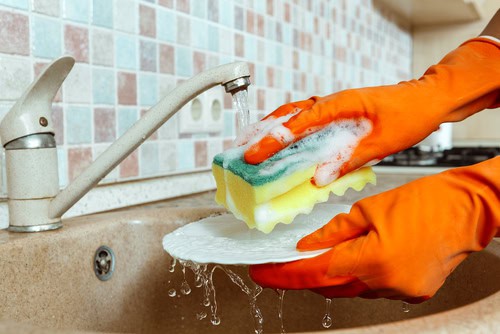
Your kitchen sponge is one of the busiest tools in your home. You use it every day to clean dishes, wipe counters, and tackle spills.
But have you ever stopped to think about how often you should change it? Using the same sponge for too long can turn it into a breeding ground for germs, putting your health at risk. If you want to keep your kitchen fresh and your family safe, knowing the right time to replace your sponge is crucial.
Keep reading to discover simple tips that will help you maintain a cleaner, healthier kitchen.

Credit: www.goodhousekeeping.com
Signs To Replace Your Sponge
Knowing when to replace your kitchen sponge is key to keeping your kitchen clean and safe. Sponges can look harmless but often harbor bacteria that you don't want near your food. Watching for clear signs of wear and problems helps you decide the right time to toss that sponge and grab a fresh one.
Visible Wear And Tear
Check your sponge regularly for obvious damage. If you see holes, tears, or frayed edges, it’s time to replace it. These damaged areas trap food particles and bacteria, making cleaning less effective and unhygienic.
I once ignored a sponge with a small tear, thinking it was still fine. Soon, dishes didn’t come out as clean, and I realized the sponge wasn’t doing its job anymore. Don’t let worn sponges ruin your effort to keep things spotless.
Persistent Odor
A bad smell coming from your sponge is a clear red flag. Even after rinsing, if your sponge smells sour or musty, bacteria have likely taken over. This odor means the sponge is no longer sanitary and needs to be replaced immediately.
Ever noticed that funky smell that just won’t go away? That’s your sponge begging for retirement. Don’t risk spreading germs—swap it out as soon as you detect that persistent odor.
Loss Of Effectiveness
If your sponge no longer cleans as well as before, it’s time for a new one. When food and grease don’t come off easily, or you find yourself scrubbing harder than usual, the sponge has lost its cleaning power.
Think about the last time you had to scrub dishes multiple times because your sponge wasn’t cutting it. That’s your cue to replace it. A fresh sponge makes cleaning quicker and more efficient, saving you effort and time.
Recommended Replacement Frequency
Replacing your kitchen sponge regularly is essential for hygiene and kitchen safety. Sponges can harbor bacteria quickly, so knowing the right replacement timing is important. The frequency depends on how often and how heavily you use the sponge. Also, the type of sponge affects its lifespan.
Daily Use Considerations
For everyday kitchen tasks, change your sponge every one to two weeks. Sponges that dry out between uses last longer and stay cleaner. Wet sponges are breeding grounds for germs. Rinse and squeeze sponges well after use. Store them in a dry place to extend their life.
Heavy Vs Light Usage
Heavy users should replace sponges more often, about once a week. This applies to large families or frequent cooking. Light users can keep a sponge for up to two weeks. Watch for bad smells or discoloration. These signs mean it is time for a new sponge.
Type Of Sponge Impact
Natural sponges often need replacing sooner than synthetic ones. Synthetic sponges resist wear and dry faster. Some sponges come with antibacterial properties that may last longer. Still, replace these every two weeks to stay safe. Kitchen cloths and scrubbers have different lifespans too. Always follow manufacturer guidelines for best results.
Risks Of Using Old Sponges
Kitchen sponges play a vital role in cleaning. But using old sponges can be risky. They can harbor harmful bacteria and lead to health issues. It's important to understand the dangers of keeping a sponge too long.
Bacterial Growth
Old sponges become breeding grounds for bacteria. Warm, moist conditions in the kitchen help bacteria thrive. E. coli and Salmonella are common culprits. These can cause food poisoning. Regularly changing your sponge reduces this risk.
Cross-contamination
Using the same sponge for different tasks can spread germs. Wiping raw meat juices, then cleaning dishes is risky. Germs transfer from one surface to another. This can contaminate food and surfaces in your kitchen.
Health Hazards
Old sponges can lead to infections and illness. Bacteria from sponges can cause stomach issues. Some may experience nausea or diarrhea. Keeping a clean sponge helps protect your family's health.
Tips To Extend Sponge Life
Extending the life of your kitchen sponge saves money and keeps your kitchen cleaner. Simple care habits help your sponge stay fresh and effective longer. Follow these practical tips to make your sponge last.
Proper Cleaning Methods
Rinse your sponge thoroughly after each use. Remove food scraps and soap residue under running water. Squeeze out excess water to prevent dampness.
Use mild dish soap to wash the sponge regularly. Avoid harsh chemicals that can break down sponge fibers. Gently scrub the sponge to remove trapped grease and dirt.
Drying And Storage
Always let your sponge dry completely between uses. Store it in a well-ventilated area to stop mold growth. Avoid leaving sponges in the sink or closed containers.
- Use a sponge holder with drainage holes.
- Place the sponge on a dry rack or dish drainer.
- Keep the sponge away from direct heat or sunlight.
Sanitizing Techniques
Sanitize your sponge regularly to kill bacteria. Use simple methods like microwaving or soaking in vinegar.
- Microwave the damp sponge for 1-2 minutes to kill germs.
- Soak the sponge in a mixture of vinegar and water for 5 minutes.
- Use a diluted bleach solution occasionally for deep cleaning.
These steps reduce harmful bacteria and keep your sponge safe to use.
Alternatives To Traditional Sponges
If you find yourself changing your kitchen sponge too often or worrying about bacteria buildup, it might be time to try some alternatives. Traditional sponges can trap germs and wear out quickly, making them less effective and less safe over time. Luckily, there are several options that clean well and last longer, helping you maintain a healthier kitchen.
Microfiber Cloths
Microfiber cloths are highly absorbent and can pick up dirt and grease with ease. You can use them wet or dry, and they dry quickly, reducing the chance of bacteria growth. Many people switch to microfiber because it feels softer on dishes yet scrubs effectively without scratching.
Have you noticed how microfiber cloths can be washed in the machine repeatedly without losing their cleaning power? That means less waste and fewer replacements compared to traditional sponges. Plus, they come in various sizes and textures to suit different cleaning needs around your kitchen.
Silicone Scrubbers
Silicone scrubbers have become popular due to their durability and resistance to odors. Unlike sponges, they don’t absorb water, so they dry fast and don’t harbor bacteria easily. Their flexible bristles can reach into tight spots and clean stubborn grime without wearing down.
Using a silicone scrubber means you can simply rinse it after use and even toss it in the dishwasher for a thorough clean. If you’re tired of replacing sponges every week, this option might save you time and money while keeping your kitchen hygienic.
Natural Fiber Options
Natural fiber scrubbers, such as those made from coconut coir, hemp, or loofah, offer an eco-friendly alternative to synthetic sponges. They biodegrade quickly and don’t contain harsh chemicals. Many users appreciate their gentle yet effective scrubbing ability, especially for pots and pans.
These natural options often come with the bonus of being compostable once they wear out. Have you ever thought about how your kitchen waste could reduce environmental impact? Choosing natural fibers supports sustainable living while keeping your dishes clean.

Credit: www.absolutesolutions.com.sg

Credit: www.yahoo.com
Frequently Asked Questions
How Often Should I Change My Kitchen Sponge?
You should change your kitchen sponge every 1 to 2 weeks. Frequent replacement helps prevent bacteria buildup and keeps your kitchen hygienic.
Can Kitchen Sponges Harbor Harmful Bacteria?
Yes, kitchen sponges can harbor harmful bacteria. Moist, porous sponges are breeding grounds for germs, so regular cleaning and timely replacement are essential.
How Can I Disinfect My Kitchen Sponge?
To disinfect, microwave a damp sponge for 1-2 minutes or soak it in a bleach solution. This kills most bacteria but doesn’t replace regular sponge changes.
What Signs Indicate It's Time To Replace A Sponge?
Replace your sponge if it smells bad, feels slimy, or falls apart. These signs mean bacteria have multiplied and the sponge is no longer safe.
Conclusion
Changing your kitchen sponge often keeps your kitchen clean and safe. Bacteria grow quickly on old sponges. Replace your sponge every one to two weeks for best results. Rinse it well after each use and let it dry. Using a fresh sponge helps stop germs from spreading.
Keep your kitchen healthy with simple sponge care habits. Small steps make a big difference in cleanliness. Remember, a clean sponge means a cleaner kitchen and healthier home.