
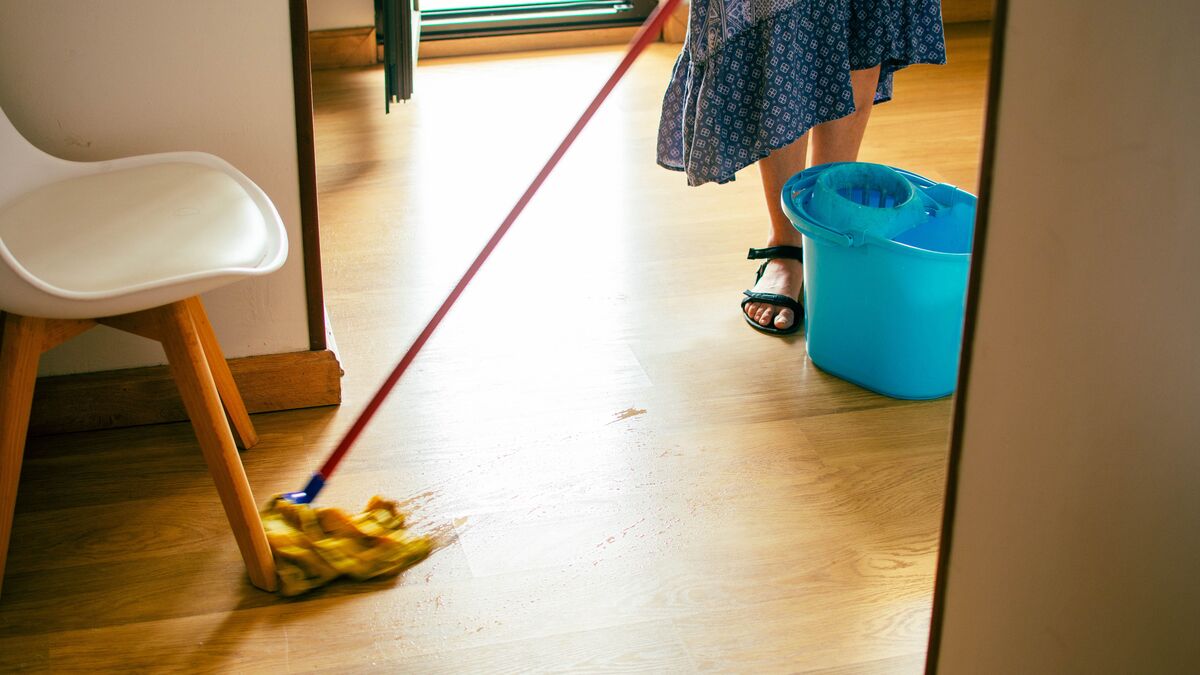
How often should you mop your kitchen floor? It’s a simple question, but the answer can make a big difference in the cleanliness and safety of your home.
Your kitchen is one of the busiest places in your house, where spills, crumbs, and dirt happen every day. If you don’t clean it right, germs can build up, and your floor might start to look dull or sticky. But mopping too often or not enough can also cause problems.
You’ll discover the perfect balance for keeping your kitchen floor spotless and fresh without wasting time or effort. Keep reading to find out how to make your kitchen shine and feel truly clean.
Credit: www.housework.com
Importance Of Regular Mopping
Regular mopping is essential for keeping your kitchen floor clean and safe. It’s not just about appearance; it plays a key role in hygiene and floor longevity. Skipping this simple task can lead to hidden problems that affect your health and home.
Preventing Germ Buildup
Your kitchen floor is a hotspot for germs and bacteria. Food crumbs, spills, and moisture create the perfect environment for harmful microbes to thrive. Mopping regularly removes these contaminants, reducing the risk of illness.
Have you ever noticed sticky spots or unpleasant odors on your floor? These are signs that germs are accumulating. Consistent mopping helps keep these dangers at bay, making your kitchen a safer place for your family.
Maintaining Floor Appearance
A clean floor instantly improves your kitchen’s look. Dirt and grime dull the surface over time, making it appear worn out and neglected. Regular mopping restores the floor’s shine and keeps it looking fresh.
Think about the last time you had guests over. Did your floor leave a good impression? Keeping it spotless through frequent mopping ensures your kitchen always looks inviting and well-kept.
Avoiding Stains And Damage
Spills left unattended can cause stains and even damage the floor material. Acidic foods like tomato sauce or citrus juices can etch or discolor certain floor types. Mopping soon after spills prevents permanent marks and preserves your floor’s condition.
Ignoring spills might seem harmless, but it can lead to costly repairs down the road. Protect your investment by cleaning promptly and mopping regularly to maintain a smooth, undamaged surface.
Factors Influencing Mopping Frequency
Several factors affect how often you should mop your kitchen floor. Understanding these can help maintain cleanliness and prolong floor life. Each kitchen is different, so mopping needs vary.
Type Of Flooring
Different floors need different care. Tile and vinyl floors handle frequent mopping well. Hardwood floors require gentle cleaning and less water. Stone floors may need special cleaners to avoid damage. Knowing your floor type guides how often and how you mop.
Kitchen Usage Level
Kitchens with heavy use get dirt and spills quickly. Busy kitchens need mopping at least twice a week. Less used kitchens might be fine with once a week. Frequent cooking or large family meals increase mess, requiring more cleaning.
Presence Of Pets And Children
Pets and children bring extra mess and germs. Pet hair, food crumbs, and spills happen often. Children may drop food and drinks regularly. These factors mean you should mop more often to keep floors clean and safe.
Recommended Mopping Schedules
Maintaining a clean kitchen floor requires a consistent mopping schedule. This ensures the floor remains hygienic and safe. A structured routine helps in managing time and cleaning efforts efficiently. Below are suggested schedules for keeping your kitchen floor spotless and germ-free.
Daily Cleaning Tips
Daily mopping keeps dirt and spills in check. Use a damp mop for quick cleanups. Focus on high-traffic areas and spots with visible stains. This prevents grime buildup and maintains a fresh look.
Weekly Deep Cleaning
Weekly deep cleaning tackles stubborn stains and hidden dirt. Use a mild detergent for a thorough clean. Scrub the floor gently to protect the surface. Rinse with clean water to avoid residue.
Monthly Maintenance
Monthly maintenance keeps your floor in top condition. Inspect for any damage or wear. Use a specialized cleaner for the floor type. Consider applying a protective sealant if needed.
:max_bytes(150000):strip_icc()/SPR-why-floors-still-feel-dirty-after-cleaning-11778163-d6cc66fad68a46e8b6f9479f34c945ad.jpg)
Credit: www.thespruce.com
Best Cleaning Solutions For Kitchen Floors
Choosing the best cleaning solution for your kitchen floor is key to maintaining a spotless and hygienic environment. The right cleaner not only removes dirt but also protects the floor's surface and keeps your kitchen smelling fresh. Knowing the difference between natural and chemical cleaners, how to make your own mixtures, and selecting the right mop can make a big difference in your cleaning routine.
Natural Vs Chemical Cleaners
Natural cleaners often use ingredients like vinegar, baking soda, and lemon juice. They are gentle on your floors and safe for your family and pets. Chemical cleaners, on the other hand, can be more powerful against tough stains and grease but may contain harsh ingredients that can damage certain floor types or irritate skin and lungs.
Have you noticed how some chemicals leave a residue or strong smell? That’s something to consider if your kitchen is small or poorly ventilated. Natural options are usually better for sensitive surfaces like hardwood or laminate.
Diy Cleaning Mixtures
Making your own cleaning solution can save money and give you control over what goes on your floors. A simple mix of warm water, a cup of white vinegar, and a few drops of dish soap works wonders on tile and vinyl floors.
For tougher grime, add a teaspoon of baking soda to the mix. Just be careful not to use vinegar on natural stone floors like marble or granite, as the acid can etch the surface. Experimenting with different ratios helps you find what cleans best without harming your floor.
Choosing The Right Mop
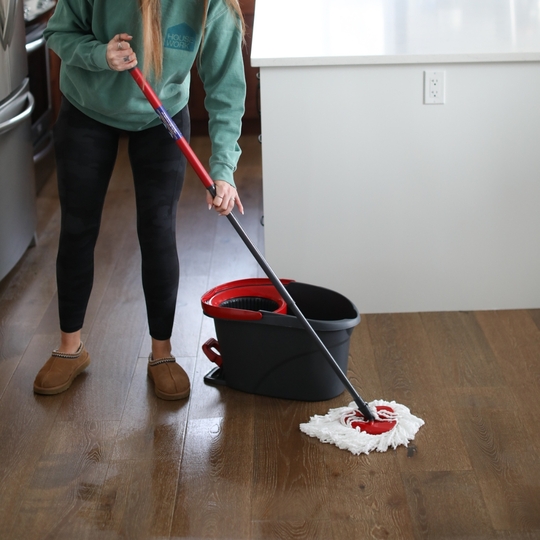
The mop you pick affects how well your cleaning solution works. Microfiber mops are great for trapping dust and require less water, which helps prevent damage to wood floors. Sponge mops work well on smooth surfaces but may leave streaks if not rinsed properly.
Do you prefer a mop that’s easy to wring out or one that reaches tight corners? Consider a mop with a swivel head for better maneuverability. Your choice should match both your floor type and personal comfort during cleaning.
Common Mistakes To Avoid
Knowing common mistakes helps keep your kitchen floor clean and damage-free. Avoid these errors to maintain a fresh and safe cooking space. Small habits can cause big problems over time.
Overusing Water
Using too much water can harm your kitchen floor. Excess water seeps into cracks and damages the material. Wooden floors swell and warp easily when soaked. Mop with a damp cloth, not a dripping wet one. This saves the floor and speeds up drying time.
Using Harsh Chemicals
Harsh chemicals can strip away your floor’s finish. Strong cleaners leave sticky residues that attract dirt. Use mild soaps or cleaners made for your floor type. Gentle products clean well without causing harm. Always read labels before choosing a cleaner.
Ignoring Spills And Spots
Leaving spills for later invites stains and bacteria. Clean messes right away to keep floors spotless. Spot cleaning prevents buildup and keeps the floor safe. A quick wipe stops sticky or greasy patches from forming. Make it a habit to check the floor daily.
Extra Tips For Keeping Kitchen Floors Spotless
Keeping your kitchen floor spotless goes beyond just regular mopping. Small habits and quick actions can make a big difference in maintaining a clean and inviting space. Here are some extra tips that can help you keep your kitchen floor looking fresh every day.
Preventive Measures
Think about what you bring into your kitchen daily. Using mats at entrances can catch dirt before it hits the floor. Placing rugs near the sink and stove also protects high-traffic areas from spills and stains.
Another smart move is to wipe shoes or even consider a no-shoe policy in the kitchen. This simple step can drastically reduce dirt buildup. Do you notice crumbs and spills piling up around certain spots? Address those areas with targeted protection like easy-to-clean mats.
Regular Sweeping And Vacuuming
Sweeping or vacuuming your kitchen floor every day prevents dirt from settling and scratching the surface. It’s easier to mop a floor that’s free of loose debris. I’ve found that a quick sweep right after meal prep saves me a lot of scrubbing time later.
Use a vacuum designed for hard floors or a broom with soft bristles to avoid damage. If your kitchen floor is large, consider a cordless vacuum for convenience. Could adding this small habit to your daily routine help your floor last longer?
Quick Spot Cleaning
Spills happen, and waiting to mop them up can cause stains or sticky patches. Keep a small spray bottle with water and a gentle cleaner handy. A quick wipe as soon as you notice a spill prevents it from becoming a bigger issue.
Have you ever stepped on a sticky spot hours after a spill? That sticky residue can attract more dirt. Acting fast with spot cleaning saves you time and keeps your floor looking spotless. Keep microfiber cloths or disposable wipes nearby for easy cleanups.
:max_bytes(150000):strip_icc()/SPR-should-you-mop-with-hot-or-cold-water-11785902-8034a4fa718143caa9fb087a9d1cf7f7.jpg)
Credit: www.thespruce.com
Frequently Asked Questions
How Often Should You Mop Kitchen Floors?
Mop your kitchen floor at least once a week. High-traffic kitchens may need mopping twice weekly. Regular mopping removes dirt, spills, and bacteria effectively.
Does Daily Mopping Damage Kitchen Floors?
Daily mopping usually does not damage floors if done correctly. Use a mild cleaner and avoid excessive water to protect flooring surfaces.
What Is The Best Time To Mop Kitchen Floors?
Mop kitchen floors after cooking or meal times. This prevents buildup of food debris and sticky residues, keeping floors clean longer.
Can Frequent Mopping Prevent Kitchen Floor Stains?
Yes, frequent mopping helps prevent stains by removing spills promptly. Immediate cleaning reduces the risk of permanent marks on floor surfaces.
Conclusion
Mopping your kitchen floor regularly keeps it clean and safe. Aim to mop at least once a week. Spill spots need quick attention to avoid stains. Busy kitchens may need mopping more often. Use a gentle cleaner to protect your floor.
Clean floors help stop germs from spreading. A clean kitchen feels fresh and inviting. Keep a mop handy for quick cleanups. Simple steps make a big difference in cleanliness. Your kitchen floor will thank you for care.