
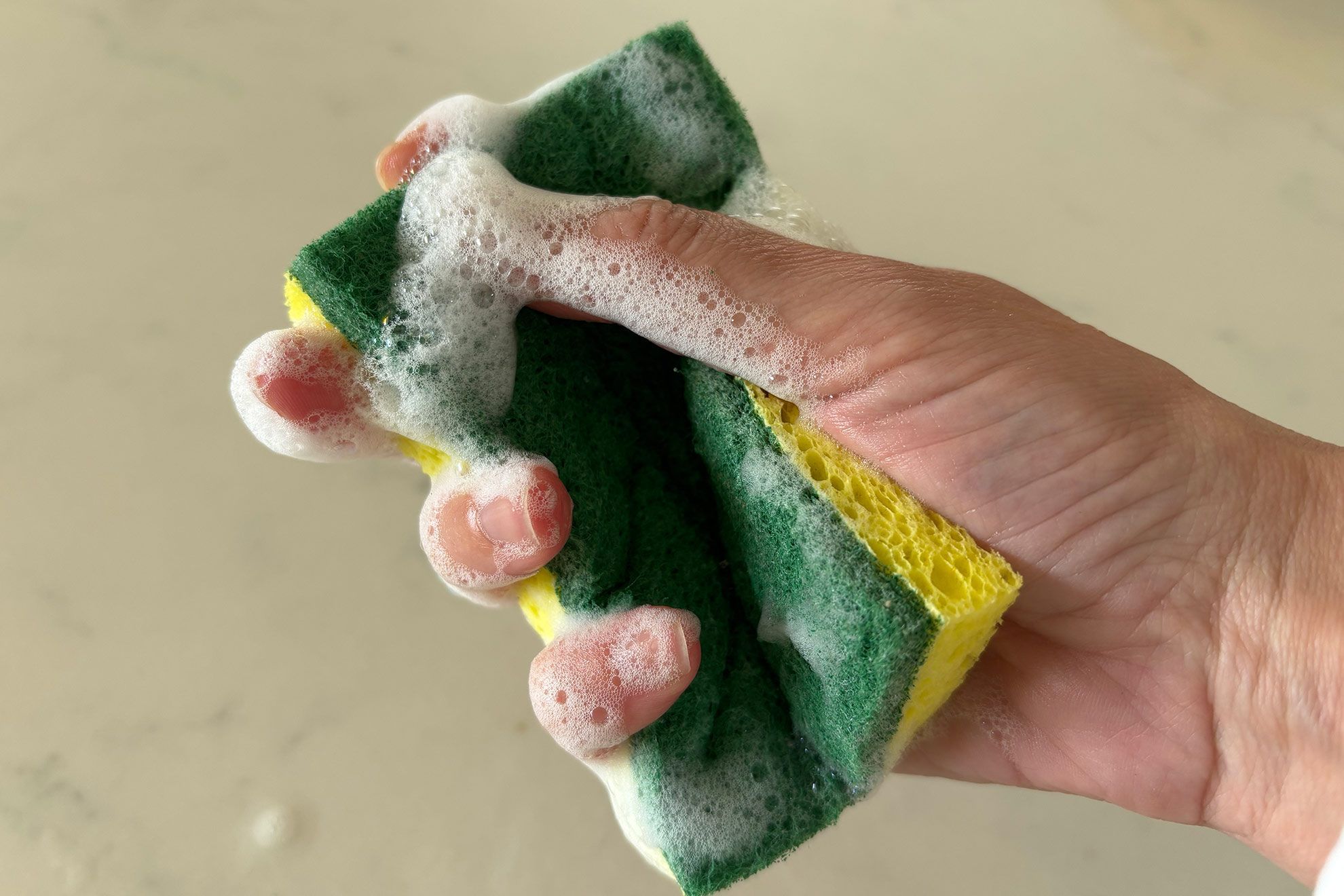
Your kitchen sponge works hard every day, scrubbing away grease, food crumbs, and spills. But have you ever stopped to think about how often you should replace it?
Using an old sponge can be risky—it’s a breeding ground for bacteria that could harm your health. You’ll discover the simple signs that tell you it’s time for a new sponge and easy tips to keep your kitchen cleaner and safer.
Keep reading to protect yourself and your family from unseen germs lurking right in your sink.
Signs Your Sponge Needs Replacement
Knowing when to replace your kitchen sponge can save you from spreading germs and keep your kitchen hygienic. Sponges go through a lot, so spotting the signs of wear early helps you avoid unwanted bacteria buildup. Pay attention to these clear indicators that your sponge is past its prime.
Visible Wear And Tear
Check your sponge regularly for obvious damage. If you see frayed edges, holes, or the sponge falling apart, it's time to swap it out. A worn sponge won’t clean effectively and can trap dirt in its broken surface.
Unpleasant Odors
If your sponge smells bad even after rinsing and drying, it’s a red flag. Foul odors mean bacteria and mold have taken over. No amount of rinsing will fix that smell—replace the sponge immediately to keep your kitchen fresh.
Persistent Stains
Some stains on your sponge are normal, but if they don’t go away after cleaning, it’s a warning sign. Stubborn stains often hide bacteria and food residue. Why risk contamination when a new sponge is just a quick purchase away?
Recommended Replacement Frequency
Replacing your kitchen sponge regularly keeps your kitchen clean and safe. Sponges trap food particles and germs fast. Knowing how often to replace sponges helps avoid bad smells and bacteria build-up. This section explains the recommended replacement frequency for different uses and types.
Daily Use Guidelines
Use a kitchen sponge for one to two days only. After this, bacteria multiply quickly inside it. Rinse and squeeze the sponge well after each use. Let it dry fully before the next use. If the sponge smells bad or looks worn, replace it immediately. For heavy use, change sponges every day.
Factors Affecting Longevity
Several factors change how long a sponge lasts:
- Frequency of use: More use means faster wear.
- Type of cleaning: Scrubbing tough stains wears sponges quicker.
- Moisture: Wet sponges breed bacteria and decay faster.
- Storage: Keeping sponges dry extends their life.
- Cleaning habits: Regular sanitizing can slow down bacteria growth.
Check your sponge often for damage or smell. Replace sooner if any appear.
Different Types Of Sponges
Sponges come in several types. Each type lasts different times:
- Cellulose sponges:Biodegradable but absorb water fast. Replace every 1-2 weeks.
- Foam sponges:Dry quickly, last up to 2 weeks.
- Microfiber cloths:Clean well and dry fast. Replace every 2-3 weeks.
- Natural sponges:Durable but need more care. Replace monthly or as needed.
Choosing the right sponge and replacing it regularly keeps your kitchen hygienic.
Health Risks Of Old Sponges
Kitchen sponges are household essentials but can be health hazards over time. As sponges age, they become breeding grounds for bacteria and germs. This poses serious health risks. Understanding these risks can help you maintain a safer kitchen environment.
Bacteria And Germ Growth
Old sponges are perfect homes for bacteria. They hold moisture, which bacteria love. Warm, damp conditions in sponges allow germs to multiply rapidly. Common bacteria include E. coli and Salmonella. These can cause foodborne illnesses. Regularly replacing sponges reduces this risk.
Cross-contamination Dangers
Aged sponges contribute to cross-contamination. They transfer bacteria between surfaces and food items. This can lead to food poisoning. Cleaning raw meat juices with an old sponge spreads germs. This increases the risk of illness. New sponges limit cross-contamination.
Impact On Kitchen Hygiene
Old sponges negatively affect kitchen hygiene. They spread unpleasant odors and stains. This makes your kitchen feel unclean. Fresh sponges improve cleanliness and hygiene. Regular sponge replacement keeps your kitchen safe and sanitary.

Credit: amazonascrub.com
Tips To Extend Sponge Life
Keeping your kitchen sponge fresh longer saves money and cuts down on germs. Small daily habits can make a big difference in how well your sponge performs and how often you need to replace it. Let’s look at some practical tips that help you get the most out of your kitchen sponge.
Proper Cleaning Methods
Cleaning your sponge right after use removes trapped food and bacteria. Rinse it thoroughly under hot water to wash away debris.
Microwaving a damp sponge for about one minute can kill many germs. Just be careful—it must be wet to avoid a fire hazard.
You can also soak the sponge in a mixture of bleach and water for five minutes once a week to disinfect it deeply.
Drying Techniques
Wet sponges breed bacteria fast. Squeezing out excess water after every use helps them dry quicker.
Place your sponge in a spot with good air circulation or use a sponge holder that allows drainage. Avoid leaving it on the sink where water collects.
Have you ever noticed how sponges left in a damp sink smell bad? That’s because they never truly dry out. Think about switching spots to keep them dry.
Alternative Cleaning Tools
If you want to reduce sponge replacements, consider using other cleaning tools alongside them.
- Silicone scrubbersare easy to clean and dry fast, making them less likely to harbor bacteria.
- Brushes with handleskeep your hands away from grime and dry quickly.
- Reusable clothsmade of microfiber can be washed frequently and last longer.
Trying a mix of these tools can lighten the load on your sponge and extend its life. Are you ready to give your sponge a break?
Eco-friendly Sponge Disposal
Disposing of kitchen sponges in an eco-friendly way reduces waste and protects the environment. Many sponges contain synthetic materials that do not break down easily. Choosing proper disposal methods helps minimize landfill impact. Composting and recycling options make sponge disposal greener. Selecting sustainable sponge types also supports eco-friendly habits in the kitchen.
Composting Options
Natural sponges or those made from plant fibers can be composted. Cut the sponge into small pieces to speed decomposition. Avoid composting sponges with synthetic parts or heavy chemicals. Add sponge scraps to your garden compost bin along with food scraps and yard waste. Over time, these sponges break down into nutrient-rich material that benefits soil health.
Recycling Possibilities
Most kitchen sponges are not accepted in regular recycling programs. Some companies offer special recycling programs for used sponges. These programs break down sponges to create new products. Check for local or online sponge recycling options. Proper recycling prevents sponges from filling up landfills and polluting the environment.
Sustainable Sponge Choices
Choose sponges made from natural or biodegradable materials. Look for options made from cellulose, cotton, or coconut fibers. These sponges last long and break down after disposal. Avoid sponges with plastic scrubbers or synthetic foam. Sustainable choices reduce waste and support a cleaner kitchen routine.

Credit: www.absolutecleaning.com.sg

Credit: www.taste.com.au
Frequently Asked Questions
How Often Should I Replace My Kitchen Sponge?
Replace your kitchen sponge every 1 to 2 weeks to prevent bacteria buildup. Frequent use and moisture make sponges a breeding ground for germs.
Can I Sanitize A Kitchen Sponge Instead Of Replacing It?
Yes, you can sanitize sponges by microwaving or soaking in bleach. However, sanitizing only reduces bacteria temporarily; regular replacement is still essential.
What Signs Indicate It's Time To Replace A Sponge?
If your sponge smells bad, feels slimy, or falls apart, it's time to replace it. These signs show bacterial growth and sponge degradation.
Does Sponge Material Affect Replacement Frequency?
Yes, natural sponges may last longer but still need regular replacement. Synthetic sponges often harbor more bacteria and require more frequent changes.
Conclusion
Replacing your kitchen sponge regularly keeps your kitchen clean and safe. A sponge can hold many germs after just a week of use. Change it every one to two weeks for best results. Always rinse and squeeze it well after washing dishes.
Let it dry completely to stop bacteria growth. Clean sponges help prevent illness and keep food fresh. Small habits make a big difference in kitchen hygiene. Remember, a fresh sponge means a healthier home environment. Keep this simple routine to protect your family every day.