
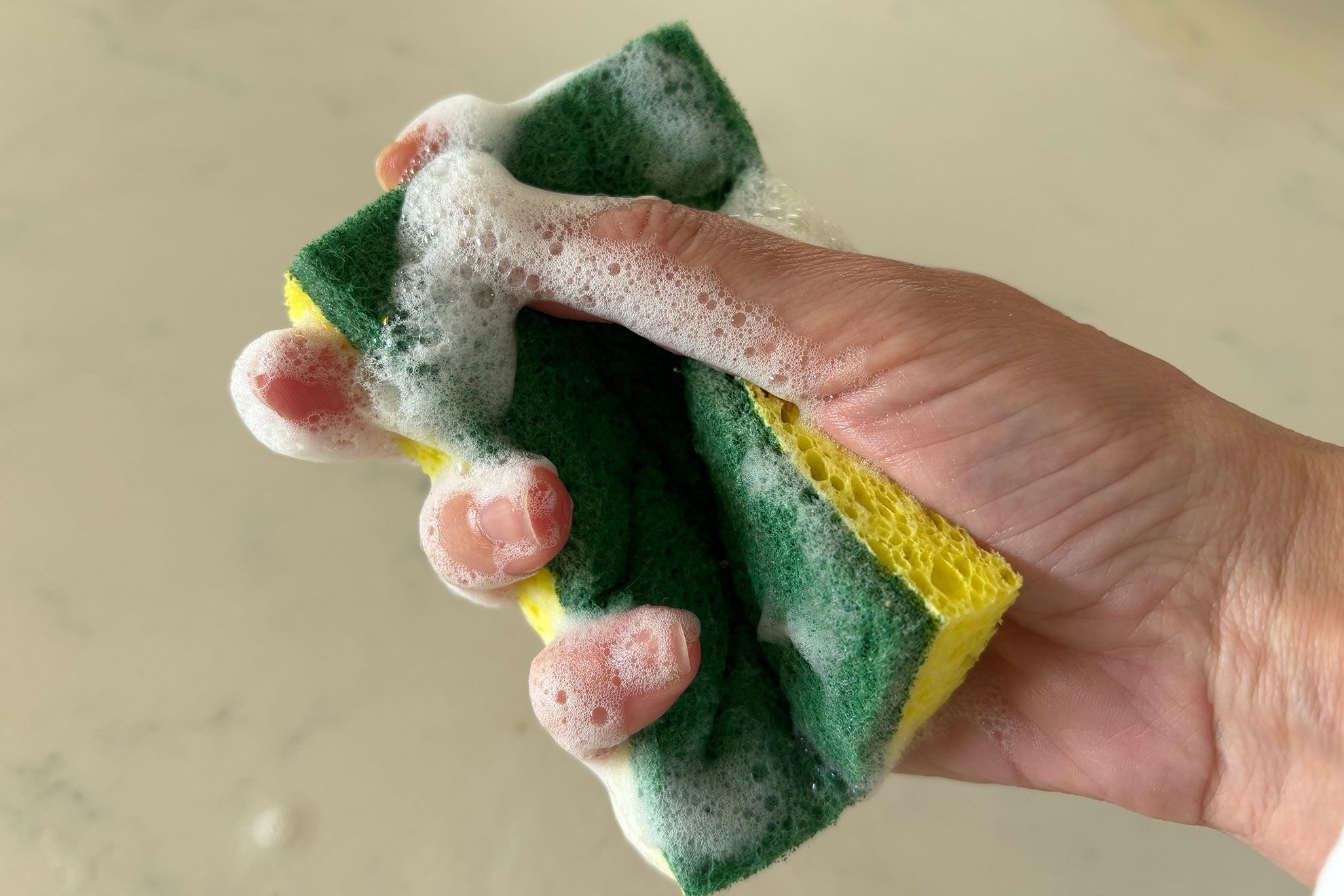
Your kitchen sponge works hard every day, cleaning up spills, scrubbing dishes, and wiping surfaces. But have you ever stopped to think about how often you should replace it?
Using an old, worn-out sponge can harbor harmful bacteria and affect your kitchen’s cleanliness without you even realizing it. You’ll discover the signs that it’s time to toss your sponge and simple tips to keep your kitchen fresh and safe.
Keep reading to protect your health and make your cleaning routine more effective!

Credit: www.absolutecleaning.com.sg
Signs Your Sponge Needs Replacing
Knowing when to replace your kitchen sponge is key to keeping your kitchen clean and safe. Sponges can look fine at first glance, but small signs reveal they’re past their prime. Paying attention to these hints helps you avoid spreading bacteria and keeps your dishes sparkling.
Visible Wear And Tear
Look closely at your sponge’s surface. Is it starting to fall apart or develop holes? A sponge with torn edges or crumbling material doesn’t clean effectively anymore.
If you notice pieces breaking off while you scrub, it’s time to swap it out. Using a damaged sponge can leave dirt behind instead of removing it.
Unpleasant Odors
Have you ever picked up a sponge and immediately noticed a bad smell? This is a clear warning sign. Sponges absorb food particles and moisture, creating a perfect environment for bacteria.
No matter how much you rinse or squeeze, if the smell won’t go away, your sponge is harboring germs. Why keep a tool that could contaminate your dishes?
Persistent Stains
Stains that won’t come out even after thorough washing indicate buildup inside the sponge. These spots often hide mold or bacteria, which multiply over time.
Try this: if scrubbing the sponge with bleach or soaking it overnight doesn’t lift the stains, it’s a strong signal that replacement is needed. Would you want to clean your plates with something visibly dirty?

Credit: amazonascrub.com
Recommended Replacement Frequency
Knowing how often to replace your kitchen sponge helps keep your kitchen clean and safe. Sponges soak up food particles and germs quickly. Replacing them at the right time stops bacteria build-up and bad smells. The replacement frequency depends on how often and where you use the sponge. Also, your cleaning habits affect how long a sponge lasts.
Daily Use Guidelines
For daily kitchen tasks, replace your sponge every one to two weeks. Sponges used often collect germs faster. Change it sooner if it smells bad or looks worn out. Regular replacement keeps your kitchen hygienic and reduces illness risks.
Sponges In High-moisture Areas
Sponges stored in damp places spoil faster. Moisture helps bacteria grow quickly. Replace sponges in wet areas every few days or weekly. Always squeeze out water after use and let sponges dry fully. This slows down germ growth.
Impact Of Cleaning Habits
Good cleaning habits can extend sponge life. Rinse sponges well after use to remove food bits. Clean sponges with hot water or microwave them safely to kill germs. Avoid using the same sponge for raw meat and other surfaces. These habits reduce bacteria and keep sponges fresher longer.
Health Risks Of Old Sponges
Old kitchen sponges can be a hidden source of germs and bacteria. They often hold moisture and food particles, creating a perfect place for microbes to grow. Using a worn-out sponge can harm your health without you knowing. Understanding these health risks can help you keep your kitchen safe and clean.
Bacterial Growth
Sponges stay wet and warm, ideal conditions for bacteria. Harmful bacteria multiply quickly inside old sponges. These bacteria include E. coli and Salmonella, which cause infections. The more you use a sponge, the more bacteria it can hold.
Cross-contamination
Sponges spread germs from one surface to another. Cleaning raw meat juices and then fruits with the same sponge transfers bacteria. This cross-contamination increases the risk of food poisoning. Using an old sponge can spread harmful microbes around your kitchen.
Foodborne Illness Risks
Bacteria from old sponges can cause foodborne illnesses. Symptoms include stomach pain, diarrhea, and vomiting. Children, elderly, and sick people are more at risk. Keeping a fresh sponge helps reduce these health dangers.
Tips To Extend Sponge Life
Kitchen sponges should be replaced every one to two weeks to avoid bacteria buildup. Rinse and dry sponges after use to help them last longer. Regularly sanitizing sponges also slows wear and keeps them safer for cleaning.
Extending the life of your kitchen sponge not only saves you money but also reduces waste. By following some simple tips, you can make sure your sponge stays effective and hygienic for longer. Whether it's through proper cleaning techniques or using alternate cleaning tools, there are practical steps you can take.
Proper Cleaning Techniques
Regularly cleaning your sponge is crucial. Rinse it thoroughly after every use to remove food particles and excess soap. Once a week, disinfect your sponge by soaking it in a mixture of equal parts water and vinegar for five minutes. Another effective method is microwaving a damp sponge for one minute, which kills bacteria. Always ensure the sponge is wet to prevent any fire hazards. These quick cleaning routines make a significant difference in maintaining your sponge's condition.
Quick Drying Methods
A wet sponge is a breeding ground for bacteria. After cleaning, wring out the sponge well to remove as much water as possible. Place it in a well-ventilated area to dry completely. Consider hanging your sponge on a hook instead of leaving it on the sink. This helps it air-dry faster, reducing the chance of bacterial growth. The quicker your sponge dries, the longer it will last.
Alternate Cleaning Tools
Sometimes, switching to alternative cleaning tools can help preserve your sponge. Dish brushes, for instance, can be a great addition to your cleaning arsenal. Use a brush for heavy-duty scrubbing and reserve the sponge for more delicate surfaces. You might also try using silicone scrubbers, which are durable and easy to clean. By combining these tools with your sponge, you can extend its life while keeping your kitchen spotless. Have you ever tried using a combination of cleaning tools to see what works best for you? Give it a shot and notice the difference in your kitchen cleaning routine.
Eco-friendly Sponge Disposal
Eco-friendly sponge disposal reduces waste and protects the environment. Regular kitchen sponges end up in landfills and take years to break down. Choosing the right disposal method helps reduce pollution and supports sustainability. Understanding options like biodegradable sponges, recycling, and composting can make a big difference.
Biodegradable Options
Biodegradable sponges break down naturally in the environment. They are made from plant-based materials like cellulose or cotton. These sponges decompose faster than synthetic ones. Using biodegradable sponges means less plastic waste in landfills. Always check the label to confirm if a sponge is biodegradable.
Recycling Possibilities
Recycling kitchen sponges is challenging but possible in some areas. Most regular sponges contain plastic, making them hard to recycle. Some companies accept used sponges for recycling programs. These programs turn old sponges into new products. Contact local recycling centers to learn about sponge recycling options.
Composting Guidelines
Composting natural sponges helps return nutrients to the soil. Only 100% natural sponges like cellulose are safe for composting. Synthetic sponges contain chemicals that harm compost quality. Cut the sponge into small pieces before adding it to the compost. Avoid composting sponges with food residues or harsh cleaners.

Credit: www.absolutesolutions.com.sg
Frequently Asked Questions
How Often Should I Replace My Kitchen Sponge?
Replace your kitchen sponge every 1 to 2 weeks. Frequent replacement prevents bacteria buildup and keeps your kitchen hygienic. If the sponge smells bad or looks worn, replace it immediately to avoid contamination and maintain cleanliness.
Can I Sanitize My Kitchen Sponge Instead Of Replacing?
Yes, you can sanitize your kitchen sponge using microwave or boiling water. However, sanitizing only reduces bacteria temporarily. Regular replacement is still necessary to avoid health risks and maintain sponge effectiveness.
What Signs Indicate It’s Time To Replace A Sponge?
Replace your sponge if it smells bad, has visible mold, or breaks apart. These signs show bacteria growth and wear. Timely replacement ensures better cleaning results and prevents cross-contamination in your kitchen.
Does Using A Sponge Longer Increase Health Risks?
Yes, using a sponge longer increases bacteria growth, raising health risks. Old sponges harbor harmful germs, which can spread to dishes and surfaces. Regular replacement reduces these risks and promotes a safer kitchen environment.
Conclusion
A kitchen sponge can hold many germs over time. Replace it every one to two weeks for safety. Using a fresh sponge helps keep your dishes clean. Clean sponges dry faster and last longer. Always rinse and squeeze out water after use.
A small habit can protect your family’s health. Don’t wait until your sponge smells bad. Regular replacement keeps your kitchen fresh and healthy. Simple steps make a big difference in hygiene. Stay safe with a clean kitchen sponge.