

How often should you mop your kitchen floor? It’s a simple question, but the answer can make a big difference in how clean and healthy your home feels.
Your kitchen is one of the busiest places in your house, where spills, crumbs, and dirt can quickly pile up. If you wait too long to clean, those messes become harder to remove and can even cause bad smells or germs to grow.
But if you mop too often, you might waste time and effort without seeing much benefit. You’ll discover the perfect balance for keeping your kitchen floor spotless without extra work. Keep reading to learn easy tips that fit your lifestyle and keep your kitchen fresh every day.
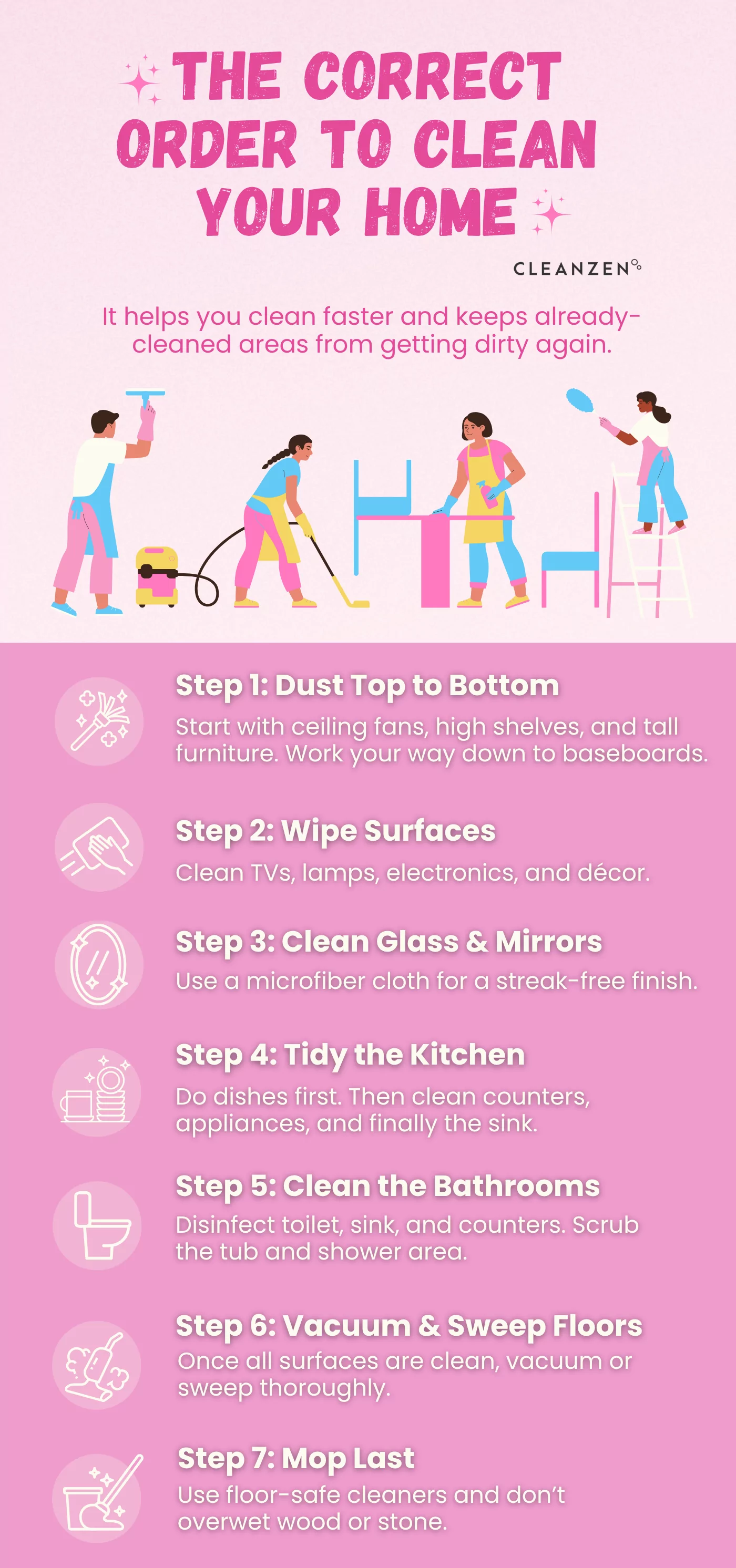
Credit: cleanzen.com
Importance Of Regular Mopping
Regular mopping keeps your kitchen floor clean and safe. It removes dirt, spills, and germs that build up daily. A clean floor also helps your kitchen look fresh and welcoming. Neglecting mopping can cause stains and damage over time. Let’s explore why mopping often matters.
Health Benefits
Mopping removes bacteria and allergens from the floor. This lowers the risk of illness in your home. It also helps keep pests away by removing food crumbs. Clean floors create a healthier environment for your family.
Preventing Stains And Damage
Spills can cause stains if not cleaned quickly. Regular mopping prevents dirt from settling into the floor. It protects the floor’s finish and extends its life. Avoiding damage saves money on repairs and replacements.
Maintaining Kitchen Hygiene
The kitchen is a place for food preparation. Clean floors reduce the chance of cross-contamination. Mopping helps keep germs from spreading to surfaces. A hygienic kitchen supports safe cooking and eating habits.
Factors Influencing Mopping Frequency
Knowing how often to mop your kitchen floor depends on several key factors. These influence how quickly dirt, spills, and bacteria accumulate. Understanding these can help you set a cleaning schedule that keeps your kitchen fresh without wasting effort.
Kitchen Usage
How often you cook and eat in your kitchen greatly affects mopping frequency. A busy kitchen with daily meal prep and family dining needs more frequent cleaning. If you mostly use the kitchen for quick snacks or coffee, mopping once or twice a week might suffice.
Think about your kitchen traffic too. Do guests often stop by? Are you cooking large meals regularly? These increase the chances of crumbs, spills, and stains, signaling you to mop more often.
Type Of Flooring
Different floor materials react differently to dirt and moisture. Tile and vinyl floors can handle frequent mopping without damage. Hardwood and laminate floors, however, need gentler care and less frequent wet cleaning to avoid warping or peeling.
Ask yourself: Is your floor prone to showing stains or water marks? If yes, you may want to mop more regularly to keep it looking its best. Using the right mop and cleaner for your floor type is just as important.
Presence Of Pets And Children
Pets and kids can turn your kitchen floor into a hotspot for messes. Pet hair, muddy paw prints, spilled food, and sticky fingers mean you might need to mop daily or every other day. This helps maintain hygiene and prevents odors.
Have you noticed how quickly your floor gets dirty after playtime or mealtime? Regular mopping not only keeps your kitchen cleaner but also reduces allergens and bacteria that can affect your family’s health.
Recommended Mopping Schedules
Mop kitchen floors at least twice a week to keep them clean and safe. Increase frequency if spills or dirt build up quickly. Regular mopping prevents grime and keeps your kitchen fresh.
Keeping your kitchen floor clean is essential, not just for appearance, but for hygiene too. But how often should you mop to strike the right balance between sparkling clean and overdoing it? Below, we explore recommended mopping schedules to help maintain a kitchen floor that's both pristine and practical.
Daily Cleaning Tips
Daily maintenance can make a big difference. A quick sweep can prevent crumbs and dirt from becoming stubborn stains. Consider using a damp mop or a microfiber cloth to tackle light spills and sticky spots. Aim for a few minutes each day to keep surfaces manageable. This daily habit ensures that grime doesn't build up over time. Plus, it keeps your kitchen inviting for family and guests.
Weekly Deep Cleaning
A more thorough cleaning once a week can help maintain your floor’s shine. This involves moving kitchen furniture and appliances to reach hidden areas. Use a quality floor cleaner suitable for your specific flooring type. Scrubbing grout or textured surfaces with a brush can remove embedded dirt. This not only prolongs the life of your flooring but also keeps it looking as good as new. Do you dedicate specific days for deep cleaning or prefer a flexible schedule?
Handling Spills And Messes
Life happens, and so do spills. Addressing them immediately prevents stains and damage. Keep a spray bottle of cleaner and a cloth handy for quick action. For larger messes, blot the area instead of wiping to avoid spreading. This approach minimizes disruption and keeps your routine on track. What’s your go-to strategy for tackling unexpected kitchen messes?

Credit: arrowcounty.com
Best Mopping Techniques
Keeping your kitchen floor clean requires the right mopping techniques. Using proper methods helps remove dirt and stains effectively. It also protects your floor’s surface and extends its life. Understanding the best cleaning solutions, tools, and steps will make mopping easier and more efficient.
Choosing The Right Cleaning Solution
Select a cleaning solution based on your floor type. Hardwood floors need gentle, pH-neutral cleaners. Tile and vinyl can handle stronger formulas. Avoid harsh chemicals that damage finishes or leave residues. Consider homemade options like diluted vinegar for natural cleaning. Always test the solution in a small area first.
Proper Tools And Equipment
Use a mop that suits your kitchen floor material. Microfiber mops work well on most surfaces and trap dust. For tough stains, a sponge mop may help. Choose a bucket with a wringer to control water amount. Too much water can harm some floors. Keep cleaning cloths handy for quick spot cleaning.
Step-by-step Mopping Process
- Sweep or vacuum the floor to remove loose dirt.
- Fill the bucket with warm water and cleaning solution.
- Dip the mop, then wring it out to avoid excess water.
- Mop the floor in small sections using a figure-eight motion.
- Rinse the mop frequently to avoid spreading dirt.
- Change water if it becomes too dirty during cleaning.
- Allow the floor to air dry or use a dry mop to speed drying.
Common Mopping Mistakes To Avoid
Mopping the kitchen floor seems simple but many make mistakes that reduce its effectiveness. Avoiding these errors keeps floors clean and helps maintain them longer. Pay attention to how you mop to get the best results without damage.
Overusing Water
Using too much water can harm some floor types. Excess water seeps into cracks and damages wood or laminate floors. It also leaves puddles that take time to dry, creating slip hazards. Use a damp mop instead of soaking wet. Wring the mop well before cleaning.
Ignoring Corners And Edges
Dirty corners and edges spoil the whole floor’s look. Dirt and crumbs collect there and can cause stains or bad smells. Take time to mop these areas carefully. Use a smaller mop or cloth for hard-to-reach spots. Don’t rush this step.
Using Harsh Chemicals
Strong chemicals can ruin your kitchen floor finish. They may cause discoloration or weaken the surface. Choose mild, floor-friendly cleaners instead. Avoid bleach or ammonia unless your floor type allows it. Test any new cleaner on a small area first.
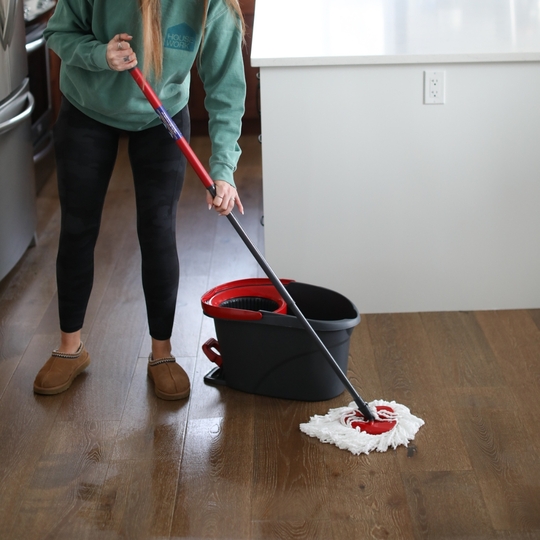
Credit: www.housework.com
Maintaining A Sparkling Kitchen Floor
Keeping your kitchen floor sparkling clean isn’t just about looks—it’s about hygiene and safety too. A clean floor prevents slips, keeps pests away, and makes your kitchen a more pleasant space to work in. But how do you maintain that shine without spending hours scrubbing every day?
Routine Spot Cleaning
Spot cleaning is your best friend for daily kitchen floor care. Whenever you spill something, wipe it up immediately to prevent stains and sticky patches. This simple habit reduces the need for deep cleaning and keeps dirt from building up.
Try keeping a small spray bottle of water and mild cleaner nearby. A quick spray and wipe after cooking or snacking helps maintain cleanliness effortlessly. Have you noticed how small spills can turn into tough stains if ignored?
Protective Measures
Protecting your floor starts with prevention. Use mats or rugs near the sink and stove to catch drips and crumbs. These areas tend to get the most mess, so a mat can save you a lot of mopping time.
Also, consider using furniture pads under chairs and tables to prevent scratches. Avoid walking on the floor with outdoor shoes to keep dirt and grit from scratching or dulling the surface. What small protective step can you add today to reduce your cleaning workload?
Periodic Floor Care
Even with spot cleaning and protection, your floor needs regular, thorough mopping. Depending on your kitchen use, aim for at least once a week or more if you cook daily. Use a cleaner suitable for your floor type—wood, tile, or vinyl—to keep it looking fresh without damage.
Deep cleaning removes grime that daily wipes miss and revives the floor’s shine. Set a reminder to mop thoroughly and notice how much easier it is to maintain a sparkling kitchen floor afterward.
Frequently Asked Questions
How Often Should I Mop My Kitchen Floor?
Mop your kitchen floor at least once a week to maintain cleanliness. High-traffic kitchens may require mopping twice weekly. Regular mopping removes dirt, spills, and bacteria, keeping the floor safe and fresh.
What’s The Best Time To Mop Kitchen Floors?
The best time to mop kitchen floors is after cooking or meal times. This removes food crumbs and spills promptly. Mopping in the evening ensures the floor is clean overnight and ready for the next day.
Can I Mop Kitchen Floors Daily?
Yes, daily mopping is ideal for busy kitchens or homes with pets. It helps prevent buildup of grease, stains, and bacteria. Use a gentle cleaner to avoid floor damage from frequent washing.
What Cleaning Solution Is Best For Kitchen Floor Mopping?
Use a mild, pH-neutral cleaner for kitchen floors to avoid damage. Avoid harsh chemicals that can strip finishes or leave residues. Vinegar diluted with water works well for most tile and vinyl floors.
Conclusion
Keeping your kitchen floor clean helps maintain a healthy home. Mop it regularly to remove dirt and spills. The frequency depends on how often you cook and the floor type. Busy kitchens need more attention than less-used ones. A quick mop once or twice a week works well for most.
For messier days, mop right after spills. Clean floors look nice and prevent germs. Simple steps keep your kitchen fresh and safe. Stick to a routine that fits your lifestyle. Clean floors, happy kitchen.