
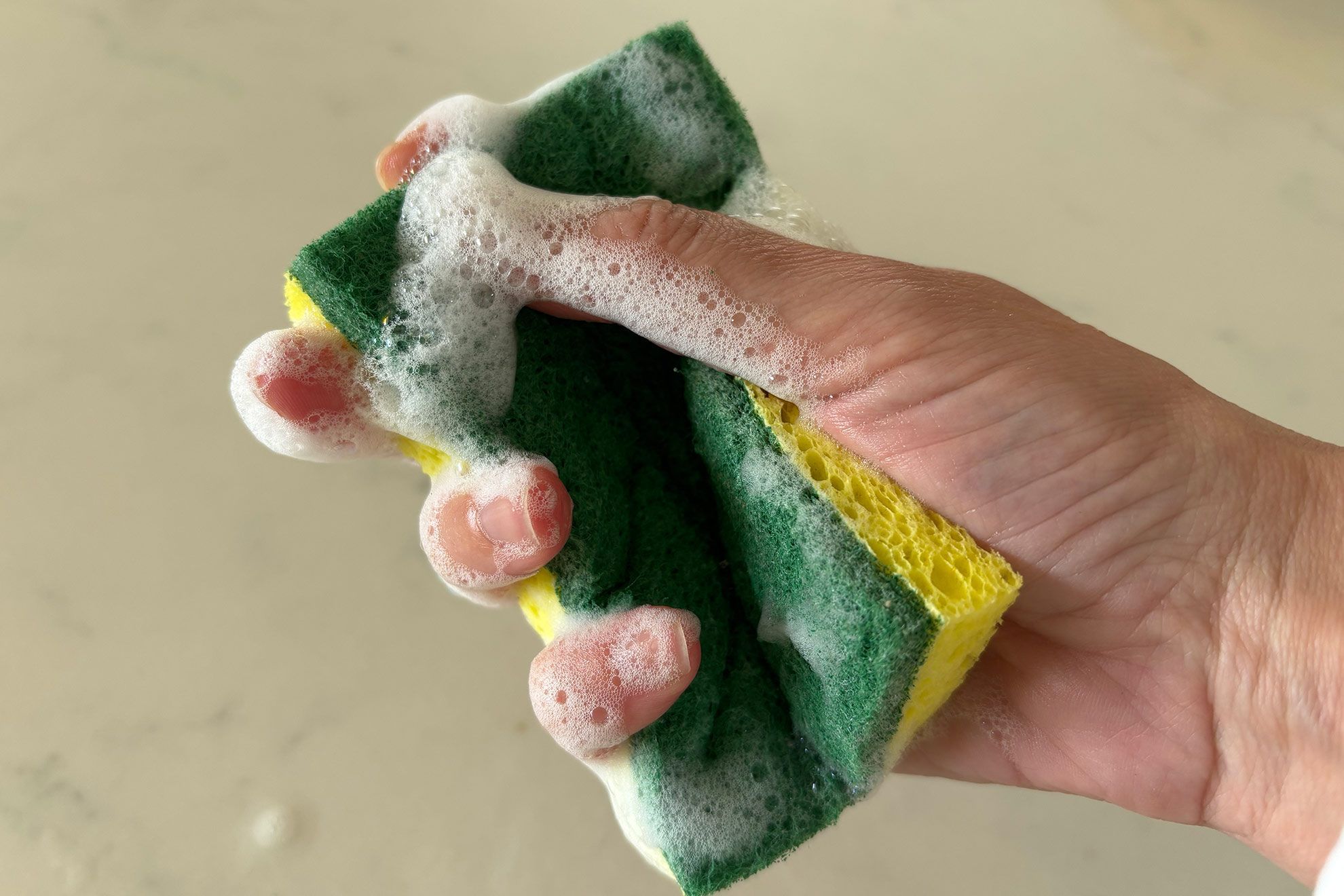
Have you ever wondered how often you should replace your kitchen sponge? It’s easy to overlook, but your sponge can quickly become a hotspot for germs and bacteria.
Using an old sponge not only makes your dishes less clean but can also put your health at risk. You’ll discover the signs that tell you it’s time to toss your sponge and simple tips to keep your kitchen truly fresh.
Keep reading to protect your home and make your cleaning routine smarter!
Signs To Replace Your Sponge
Knowing when to replace your kitchen sponge is important for hygiene. Sponges trap food particles and moisture, creating a perfect environment for germs. Recognizing the signs of wear helps prevent bacteria buildup and keeps your kitchen clean. Here are the key signs that it’s time to swap your old sponge for a new one.
Visible Wear And Tear
Sponges show damage over time. Look for frayed edges, holes, or crumbling material. These signs mean the sponge no longer cleans effectively. A worn sponge also traps dirt more easily. Replace it as soon as you see these changes.
Odor And Discoloration
A bad smell from your sponge is a clear warning. Discoloration, such as dark spots or stains, is another sign. These indicate mold or bacteria growth inside the sponge. Do not ignore these clues. Throw the sponge away immediately to avoid contamination.
Persistent Bacteria
Sponges hold millions of bacteria even after rinsing. Some bacteria resist cleaning and multiply quickly. If your sponge feels slimy or looks sticky, bacteria may be present. Regularly replacing your sponge stops bacteria from spreading to dishes and surfaces.

Credit: www.absolutecleaning.com.sg
Recommended Replacement Frequency
Knowing how often to replace your kitchen sponge helps keep your kitchen clean and safe. Sponges absorb food particles and germs quickly. Regular replacement stops bacteria build-up and bad smells. The right timing depends on how often you use the sponge and its type. Follow these guidelines to decide when to swap your kitchen sponge.
Daily Use Guidelines
For daily kitchen cleaning, change your sponge every 1 to 2 weeks. Sponges used every day gather germs fast. After two weeks, bacteria can multiply to unsafe levels. Rinse and wring the sponge after each use. Let it dry completely between uses to slow bacteria growth. Replace sooner if the sponge smells bad or breaks apart.
High-use Kitchen Scenarios
Busy kitchens need more frequent sponge changes. In homes with many people or frequent cooking, replace sponges every 3 to 5 days. Use multiple sponges for different tasks like dishes, counters, and spills. This reduces cross-contamination. If handling raw meat or fish, change the sponge after each use to avoid spreading germs.
Sponge Material Differences
Not all sponges last the same time. Cellulose sponges absorb water and wear out faster. Replace them every 1 to 2 weeks. Synthetic sponges resist moisture and last longer. You can use them for 2 to 3 weeks. Natural sponges tend to be more durable but need frequent cleaning. Know your sponge type for the best replacement schedule.
Cleaning Techniques To Extend Sponge Life
Regularly rinsing and drying your kitchen sponge helps prevent bacteria build-up. Sanitizing it weekly with vinegar or microwave heat can also extend its life. Replace sponges every two weeks or sooner if they smell or fall apart.
Keeping your kitchen sponge fresh and effective doesn't have to be a chore. With a few simple cleaning techniques, you can extend its life and maintain hygiene in your kitchen. Consider these methods to keep your sponge in top shape, ensuring it's ready for the next round of dishwashing duties.
Microwave Sterilization
A quick zap in the microwave can do wonders for your sponge. Simply dampen the sponge and place it in the microwave for about one minute. The heat kills bacteria, leaving your sponge fresher than before. Be cautious, as the sponge will be hot when you take it out. Always let it cool before handling. Do you remember the last time you tried this method? It's surprisingly satisfying to see how effective a little heat can be.
Dishwasher Cleaning
Your dishwasher isn’t just for plates and cutlery. Toss your sponge in the top rack during a regular wash cycle. The hot water and detergent work together to sanitize and cleanse the sponge. This method allows you to clean your sponge without any extra effort. Just make sure to secure it so it doesn’t get lost among the dishes. Have you ever thought of your dishwasher as a multi-tasking hero?
Bleach Soak Method
For a deep clean, a bleach soak can be remarkably effective. Mix a solution of one part bleach to nine parts water. Soak the sponge for about five minutes to eliminate germs and odors. Rinse thoroughly afterward to remove any bleach residue. This method is perfect for those times when your sponge needs a serious refresh. Isn’t it reassuring to know a simple soak can bring your sponge back to life? By incorporating these cleaning techniques, you can extend the life of your kitchen sponge, ensuring it remains a reliable tool in your culinary toolkit. How do you plan to keep your kitchen sponge fresh and ready for action?

Credit: amazonascrub.com
Alternatives To Traditional Sponges
Traditional kitchen sponges are a staple in many homes, but they often harbor bacteria and wear out quickly. If you want a cleaner, longer-lasting option, consider alternatives that can change how you tackle kitchen messes. These choices often offer better hygiene and durability, making your cleaning routine more efficient and less wasteful.
Silicone Scrubbers
Silicone scrubbers are a popular alternative because they don’t absorb water or food particles like traditional sponges do. This means they dry quickly and resist bacteria growth. You can use them for scrubbing pots, pans, and even delicate dishes without worrying about scratching surfaces.
One time, I switched to a silicone scrubber and noticed it lasted for months without developing any odor. Plus, it’s easy to clean—just toss it in the dishwasher. Have you tried silicone scrubbers? They might be the low-maintenance tool your kitchen needs.
Natural Fiber Cloths
Natural fiber cloths, such as those made from cotton or hemp, offer a biodegradable option that’s gentle on surfaces. They absorb water well but dry faster than sponges, reducing the chance for bacteria to build up. These cloths are often washable and reusable, cutting down on kitchen waste.
Using natural fiber cloths feels more eco-friendly and less disposable. Think about how many sponges you throw out each month—could swapping to cloths save you money and reduce plastic waste? These cloths also work great for wiping counters and cleaning dishes without scratching.
Disposable Options
If you prefer convenience, disposable kitchen wipes or scrubbing pads could be a fit. They offer a fresh surface every time you clean, which helps avoid cross-contamination. Some brands even make biodegradable disposables, balancing convenience with environmental concerns.
While they create some waste, disposable options can be lifesavers during busy times or when cleaning heavily soiled areas. Have you considered keeping a pack handy for quick cleanups? Just remember to choose ones that break down naturally to protect the planet.
Preventing Bacterial Growth
Bacteria grow quickly on kitchen sponges. The warm, wet environment makes it easy for germs to multiply. Preventing bacterial growth keeps your kitchen cleaner and safer. Simple habits can slow down bacteria and keep sponges fresh longer.
Proper Drying Practices
Dry your sponge after each use. Water helps bacteria grow fast. Squeeze out all the water. Place the sponge where air can reach it. Avoid leaving sponges in the sink or closed containers. Letting them dry stops germs from spreading.
Regular Sanitizing Tips
Sanitize sponges often to kill bacteria. Use one of these easy ways:
- Microwave a wet sponge for one to two minutes.
- Soak the sponge in a bleach solution for five minutes.
- Run the sponge through the dishwasher on a hot cycle.
Sanitizing helps keep your sponge safe to use. Do this several times each week.
Storage Best Practices
Store sponges where they can stay dry. Use a sponge holder with holes or slits. Avoid closed containers that trap moisture. Keep sponges away from food prep areas. This reduces the chance of cross-contamination.

Credit: www.absolutesolutions.com.sg
Frequently Asked Questions
How Often Should I Replace My Kitchen Sponge?
Replace your kitchen sponge every 1 to 2 weeks. Frequent replacement prevents bacteria buildup and keeps your kitchen hygienic. If it smells or looks worn, replace it immediately for safety and cleanliness.
Can I Sanitize A Kitchen Sponge Instead Of Replacing?
Yes, sanitize by microwaving damp sponge for 1-2 minutes or soaking in bleach solution. However, sanitizing only extends use briefly. Regular replacement remains essential to avoid harmful bacteria growth.
What Are Signs My Kitchen Sponge Needs Replacing?
Replace your sponge if it smells bad, looks discolored, or starts to fall apart. These signs indicate bacteria buildup and reduced cleaning effectiveness. Timely replacement helps maintain kitchen hygiene and prevents illness.
Does Using A Kitchen Sponge Longer Increase Health Risks?
Yes, using a sponge too long increases bacteria and risk of foodborne illnesses. Regular replacement minimizes germs, ensuring safer cleaning. Always replace sponges every 1-2 weeks for optimal health safety.
Conclusion
Replacing your kitchen sponge regularly keeps your kitchen clean and safe. Sponges collect germs fast, so changing them every one to two weeks helps. Watch for bad smells or wear as signs to replace your sponge sooner. Clean sponges reduce bacteria and protect your family from illness.
Simple habits like this improve your kitchen hygiene a lot. Keep your sponge fresh, and your dishes will shine. Small steps make a big difference in daily kitchen care.