

Are you tired of washing dishes by hand every day? Adding a dishwasher to your kitchen can save you time, effort, and water.
But how do you get started? Whether you have a small kitchen or plenty of space, this guide will walk you through the simple steps to install a dishwasher yourself or know what to ask a professional. Keep reading to discover how easy it can be to bring convenience and efficiency to your kitchen.
Your future self will thank you!
Choosing The Right Dishwasher
Choosing the right dishwasher is more than just picking a model that looks good. It’s about finding one that fits your kitchen space, meets your dishwashing needs, and saves you time and energy. Understanding the key factors like types, size, and energy efficiency can help you make a smart decision that suits your lifestyle.
Types Of Dishwashers
Dishwashers come in several styles to fit different kitchen layouts and needs. The most common is the built-in dishwasher, which fits under your countertop and offers a sleek look.
Countertop dishwashers are smaller and portable, perfect if you have limited space or don’t wash many dishes. Drawer dishwashers provide flexibility by allowing you to run smaller loads separately.
Think about how you use your kitchen daily. Do you need a large capacity for family meals or a compact model for occasional use?
Size And Capacity
Size matters when adding a dishwasher to your kitchen. Standard dishwashers are usually 24 inches wide and hold about 12-16 place settings, ideal for most families.
If you have a smaller kitchen or fewer dishes, a 18-inch slimline model can save space without sacrificing function. Also consider the interior layout—adjustable racks and fold-down tines make loading easier.
Ask yourself how many dishes you wash daily and how often you run the dishwasher. That will guide you toward the right capacity.
Energy Efficiency Ratings
Energy efficiency is key to reducing your utility bills and environmental impact. Look for dishwashers with the ENERGY STAR label—they use less water and electricity than standard models.
Some models offer eco-friendly modes that lower power consumption without compromising cleaning performance. Keep in mind, a dishwasher that uses less water can also save you money on your water bill.
Would you prefer a machine that cuts costs in the long run, even if it means a higher upfront price? Weighing these factors helps you choose wisely.
Planning Your Kitchen Layout
Planning your kitchen layout is a key step before adding a dishwasher. A well-thought layout saves time and avoids costly changes later. It helps you choose the best spot for the dishwasher while keeping your kitchen functional and neat.
Finding The Ideal Location
Choose a spot near the sink to make water hookups easier. The dishwasher should be close to where you rinse dishes. Avoid blocking cabinet doors or walkways. Think about how you move in the kitchen. The location should not disrupt your cooking flow.
Measuring Space And Clearances
Measure the available space carefully. Dishwashers usually need a 24-inch wide opening. Check height and depth clearances too. Leave enough room for the door to open fully. Make sure surrounding cabinets or appliances won’t block the dishwasher.
Considering Plumbing And Electrical Access
Dishwashers need a water supply and drainage connection. Make sure plumbing lines are near the chosen spot. Electrical outlets must be available or installed. The power source should meet local codes. Plan for easy access to these connections for installation and maintenance.
Gathering Tools And Materials
Essential tools and materials include a dishwasher unit, water supply lines, drain hoses, and electrical wiring. Gather a screwdriver, wrench, and plumber’s tape for installation. Preparing everything beforehand saves time and ensures a smooth setup process.
Adding a dishwasher to your kitchen can be a game-changer for your daily routine. Before you dive into installation, it's crucial to gather all the necessary tools and materials. This preparation not only saves time but also prevents those frustrating mid-project trips to the hardware store. Let's explore what you'll need to seamlessly integrate your new appliance into your kitchen.
Essential Tools
To get started, ensure you have a few key tools on hand. A power drill is indispensable for making any necessary holes or securing the dishwasher in place. A set of screwdrivers, both flathead and Phillips, will help with installing brackets and panels. Don't forget adjustable wrenches for tightening plumbing connections and a level to ensure your dishwasher is perfectly aligned.
Required Plumbing Parts
Plumbing parts are vital to a successful dishwasher installation. You'll need a water supply line, typically made of stainless steel, to connect the dishwasher to your home’s plumbing. A drain hose is also essential to direct wastewater to your kitchen's drain system. Check if you need a shut-off valve to control water flow, which can be a lifesaver in emergencies.
Electrical Components
When it comes to electrical components, safety is paramount. Make sure you have a dedicated outlet for your dishwasher, following your local electrical codes. You may need wire connectors to secure the electrical wires. If you're not confident in handling electrical work, consider consulting a professional to ensure a safe setup. Have you ever started a DIY project only to realize you were missing a critical component? By gathering these tools and materials ahead of time, you set the stage for a smooth and efficient dishwasher installation.

Credit: www.espares.co.uk
Preparing The Installation Area
Preparing the installation area is a crucial step before adding a dishwasher to your kitchen. It ensures the new appliance fits perfectly and functions without issues. Taking time now will save you from costly fixes and frustration later.
Removing Old Cabinets Or Appliances
Start by clearing the space where your dishwasher will go. This often means removing an old cabinet or an outdated appliance. Use a screwdriver to detach cabinet doors and panels carefully, avoiding damage to surrounding fixtures.
Keep all screws and parts organized—you might reuse some pieces later. If an old appliance is in place, disconnect it safely by turning off the water and power supplies first. Have a helper if the unit is heavy; safety matters more than speed.
Checking For Water And Power Lines
Next, inspect the area for existing water and electrical lines. Your dishwasher needs a water supply line and a power outlet nearby. Look behind the cabinet or wall for visible pipes and wiring.
If you don’t find these lines in the right place, you may need to call a professional plumber or electrician. Ensuring these connections are accessible and meet local codes is essential. Don’t guess—incorrect hookups can cause leaks or electrical hazards.
Ensuring Proper Drainage Setup
Dishwashers require a drainage system that can handle wastewater safely. Check if there’s a drain pipe near the installation site, usually under the sink. This pipe should connect to your sink’s drain or garbage disposal.
If there’s no drain available, you’ll need to add one. Consider how the drainage hose will be routed to avoid kinks or sags that trap water. Proper drainage prevents water backup and keeps your kitchen clean and dry.
Installing The Dishwasher
Installing the dishwasher is the most hands-on part of adding this appliance to your kitchen. It requires careful attention to plumbing, electrical work, and securing the unit for safe, long-term use. Taking your time here will save you from leaks, shorts, or a dishwasher that wobbles every time it runs.
Connecting Water Supply
Start by turning off the main water valve to avoid any spills. Locate the dishwasher’s water inlet valve—usually at the back—and connect the water supply line using a flexible braided hose. Make sure to tighten the connection securely but avoid over-tightening, which can damage the fittings.
Have you checked if your kitchen’s water pressure matches the dishwasher’s requirements? Too high or too low pressure can cause problems over time.
Setting Up The Drain Hose
The drain hose needs to be properly attached to prevent leaks and odors. Attach one end to the dishwasher’s drain outlet and the other to your sink’s drain pipe or garbage disposal. Make sure the hose has a high loop or an air gap to stop dirty water from flowing back into the dishwasher.
When I installed mine, I found that securing the hose with a clamp made all the difference in preventing leaks under the sink.
Wiring The Electrical Connections
Safety first: turn off the circuit breaker before handling any wiring. Most dishwashers have a junction box where you connect the power wires. Match the wires by color—black to black, white to white, and green or bare copper to ground. Use wire nuts to secure connections and wrap them with electrical tape for extra safety.
If you’re unsure about electrical work, consulting a professional can save you headaches and ensure safety.
Securing The Dishwasher In Place
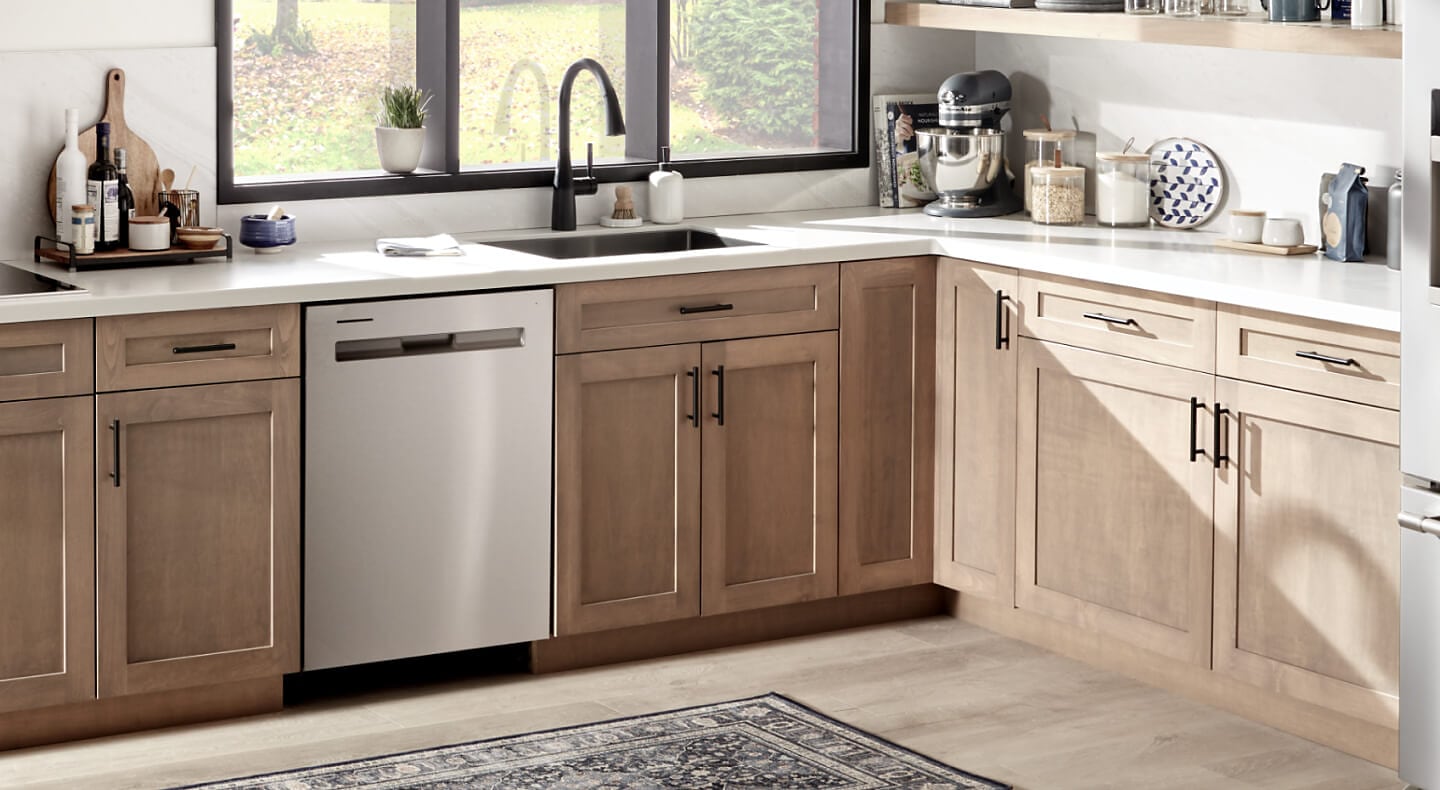
After all connections are made, slide the dishwasher into its cavity carefully. Use the mounting brackets on top or sides to secure it to the countertop or cabinet. This prevents movement during cycles, reducing noise and wear.
Have you thought about how a loose dishwasher can affect your kitchen’s functionality? A well-secured unit feels solid and stable every time you open or close it.
Credit: www.maytag.com
Testing And Final Adjustments
After installing your dishwasher, it’s crucial to test it thoroughly and make any final tweaks. This ensures your new appliance runs smoothly and avoids future headaches. Skipping these steps can lead to leaks, poor cleaning, or door problems that ruin your experience.
Running The First Cycle
Start by running the dishwasher empty through a complete cycle. This helps clear out any installation debris and checks if the water drains correctly. Pay attention to unusual noises or error codes that might indicate a problem.
If the dishwasher doesn’t start or stops mid-cycle, double-check the power connection and water supply. Hearing a steady hum means the motor is working, so listen closely to catch any odd sounds.
Checking For Leaks
Leaks can cause serious damage if unnoticed. After the first cycle, inspect all connections—hoses, valves, and seals—carefully for any water drips or puddles. Feel around the base and behind the dishwasher.
Use a dry paper towel to spot tiny leaks you might miss with just your eyes. If you find leaks, tighten fittings gently but firmly; overtightening can cause damage.
Adjusting Door Alignment
A misaligned door can prevent your dishwasher from sealing properly and drying dishes well. Open and close the door slowly to check for uneven gaps or resistance. The door should close flush with the cabinet.
If the door is crooked, adjust the mounting brackets or hinges. Small tweaks here can make a big difference in performance and prevent water from leaking out during a cycle.
Tips For Maintenance And Care
Keeping your dishwasher in top shape extends its life and ensures it cleans your dishes effectively every time. Simple maintenance habits can prevent costly repairs and keep your kitchen running smoothly. Let’s look at practical ways to care for your dishwasher so it stays reliable and efficient.
Cleaning Filters Regularly
Dishwasher filters trap food particles and debris, preventing them from recirculating onto your dishes. If you don’t clean the filters regularly, they can get clogged and reduce cleaning performance.
Try removing and rinsing the filter under warm water every few weeks. If you notice any stubborn buildup, use a soft brush to gently scrub it away. This small habit saves you from dealing with foul odors or poor washing results later.
Using The Right Detergents
Not all dishwasher detergents are created equal. Using the wrong type or too much detergent can leave residue on your dishes or damage the machine’s components.
Choose detergents recommended by your dishwasher’s manufacturer. If you have hard water, consider detergents with water softening agents to prevent mineral buildup. Have you ever noticed a film on your glasses after a wash? That’s often a sign you need to switch detergents or adjust the amount you use.
Preventing Common Issues
Simple habits can prevent most common dishwasher problems like leaks, smells, and poor cleaning. For instance, always scrape off large food scraps before loading dishes.
Check door seals periodically for cracks or damage to avoid leaks. Also, run a cleaning cycle using dishwasher cleaner or vinegar once a month to keep the interior fresh. What small change could you make today to avoid a dishwasher headache tomorrow?
Credit: www.thegritandpolish.com
Frequently Asked Questions
How Do I Install A Dishwasher In My Kitchen?
To install a dishwasher, measure the space, connect water and drain lines, and secure electrical wiring. Follow manufacturer instructions carefully for safety and efficiency.
What Tools Are Needed To Add A Dishwasher?
Common tools include a drill, screwdriver, adjustable wrench, pliers, and tubing cutter. These tools help with plumbing, electrical connections, and securing the dishwasher in place.
Can I Add A Dishwasher Without Plumbing Experience?
It’s possible but not recommended. Plumbing mistakes can cause leaks or damage. Hiring a professional ensures safe and proper installation.
How Much Space Is Required For A Dishwasher?
Standard dishwashers need a 24-inch-wide, 24-inch-deep, and 34-inch-high space. Measure carefully to fit your kitchen layout and allow ventilation.
Conclusion
Adding a dishwasher to your kitchen saves time and effort. It helps keep dishes clean and your kitchen neat. Planning the space and connections is important. Choose the right model for your needs and budget. Following the steps carefully makes installation easier.
You can enjoy convenience and a tidier kitchen soon. Small changes bring big benefits in daily life. Give your kitchen a helpful upgrade today.