
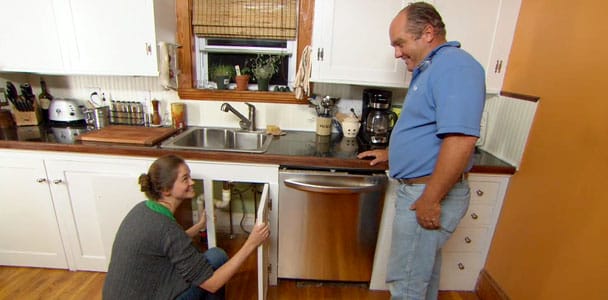
Are you tired of washing dishes by hand in your old kitchen? Adding a dishwasher can save you time and make your daily routine easier.
But you might wonder, is it even possible to fit one into an older space? The good news is, yes—it can be done, and you don’t need to be a pro to get started. You’ll discover simple, step-by-step tips to help you add a dishwasher without a major renovation.
Keep reading to find out how you can upgrade your kitchen and enjoy the convenience you deserve.
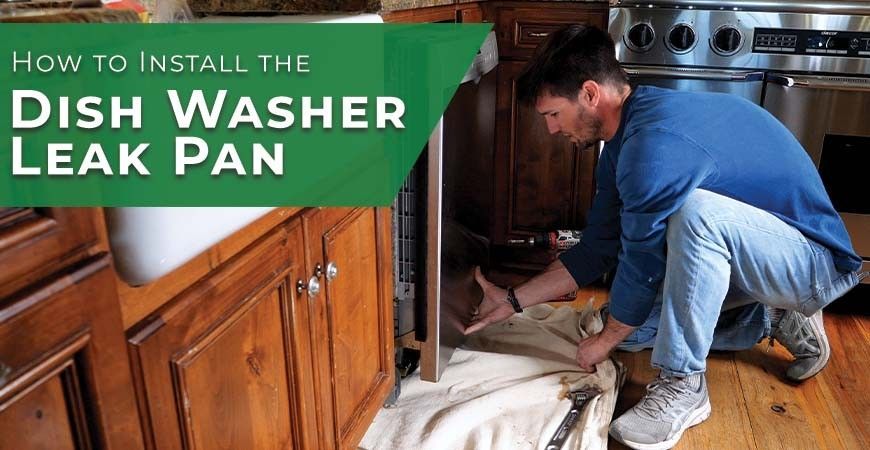
Credit: www.killarneymetals.com
Assessing Your Kitchen Layout
Adding a dishwasher to an old kitchen starts with a careful look at the existing layout. This step helps avoid surprises and extra work later. Check the space, measurements, and utility access. These factors decide where the dishwasher fits best. Planning well saves time and money during installation.
Identifying Suitable Space
Find a spot near the sink for easy plumbing connections. Look for empty cabinets or areas that can be removed. The space should allow the dishwasher door to open fully. Avoid tight corners or places that block kitchen flow. Consider how the dishwasher will fit with other appliances.
Measuring Dimensions
Measure the height, width, and depth of the chosen space. Dishwashers usually need about 24 inches wide and 24 inches deep. Check the clearance for opening the door and loading dishes. Write down all measurements before buying a dishwasher. Double-check to prevent buying the wrong size.
Checking Plumbing And Electrical Access
Locate water supply lines under the sink or nearby. The dishwasher needs a cold water line and a drain. Check if there is an electrical outlet close to the space. Dishwashers require a dedicated power source with proper voltage. If utilities are far, plan for extension or professional help.
Choosing The Right Dishwasher
Choosing the right dishwasher is key to fitting one into an old kitchen smoothly. The right choice depends on space, usage, and energy needs. Picking the dishwasher that fits these factors ensures convenience and saves money.
Types Of Dishwashers
Dishwashers come in various styles. Built-in dishwashers are fixed under the counter. Portable dishwashers can move and connect to the sink when needed. Drawer dishwashers slide out like drawers and fit small spaces well. Compact dishwashers are smaller and ideal for limited space.
Size And Capacity Options
Dishwashers vary in size and how much they hold. Full-size dishwashers fit a family easily with space for 12-16 place settings. Compact models hold fewer dishes and suit small households. Measure your kitchen area carefully to pick a dishwasher size that fits well without crowding.
Energy Efficiency Ratings
Energy efficiency reduces utility bills and helps the environment. Look for dishwashers with Energy Star labels. These models use less water and electricity. Efficient dishwashers save money over time and work well even in older kitchen setups.
Preparing The Installation Area
Clear the space where the dishwasher will go, removing cabinets or old appliances if needed. Measure carefully to ensure the dishwasher fits properly. Check for nearby water, drain, and electrical connections to prepare for installation.
Adding a dishwasher to an old kitchen can enhance convenience. Before installation, it's crucial to prepare the area properly. This ensures a smooth setup and efficient operation. Let's explore how to ready your kitchen for this upgrade.
Clearing Cabinets Or Counter Space
Begin by identifying the best spot for the dishwasher. It should be near the sink for easy access. Remove items from the selected cabinet or counter area. This provides ample space for the appliance. Measure the area to ensure the dishwasher fits perfectly. If necessary, remove any shelves or dividers.
Adjusting Plumbing Lines
Plumbing adjustments are essential for dishwasher installation. Ensure the water line is close to the chosen spot. If the line needs extending, consult a professional plumber. Disconnect any existing pipes safely. Check for any leaks or blockages. This prevents potential water damage later.
Ensuring Proper Electrical Setup
Electrical connections are crucial for a dishwasher. Confirm an outlet is nearby. It should meet the dishwasher's power requirements. Avoid using extension cords for safety. If needed, have a licensed electrician install a new outlet. Ensure the circuit can handle the dishwasher's load. Check that all electrical connections are secure. Proper setup ensures safe and efficient operation.
Installing The Dishwasher
Installing a dishwasher in an old kitchen might seem tricky, but breaking it down into clear steps makes the process manageable. Each part—water supply, drainage, electrical connections, and positioning—requires careful attention to ensure your dishwasher works smoothly and safely. Let’s dive into the details to help you handle this upgrade confidently.
Connecting Water Supply
Start by locating the cold water line under your sink. You’ll need to attach a dishwasher water supply line with a shut-off valve. This lets you control water flow easily during maintenance or emergencies.
Make sure the water pressure matches the dishwasher’s requirements, usually around 20-120 psi. Using Teflon tape on threaded connections prevents leaks. Don’t forget to check for leaks by turning on the water before fully assembling the dishwasher.
Hooking Up Drainage
Your dishwasher’s drainage hose must connect securely to your sink’s drain system. Most older kitchens have a garbage disposal or a dedicated dishwasher drain inlet on the sink drain pipe.
Use a high loop or an air gap to prevent dirty water from flowing back into the dishwasher. This small detail can save you from unpleasant smells and potential water damage.
Securing Electrical Connections
Dishwashers require a dedicated power source, usually a 120V outlet or a hardwired connection depending on local codes. Always turn off power at the circuit breaker before starting electrical work.
If you’re not comfortable with wiring, hiring a professional is a smart choice. Remember, safe and correct wiring avoids hazards and ensures your dishwasher runs efficiently.
Positioning And Leveling
Slide the dishwasher into its space carefully, avoiding damage to surrounding cabinets. Use a level to check the appliance both front-to-back and side-to-side.
Adjust the feet until the dishwasher sits perfectly level to prevent leaks and ensure the door closes smoothly. Have you ever noticed a dishwasher that drains poorly or leaks? Leveling is often the culprit behind those issues.
Testing And Final Adjustments
Testing and making final adjustments is the last and most important part of adding a dishwasher. This stage ensures your dishwasher works perfectly and fits well. It also helps avoid leaks and other problems that could cause damage.
Running Initial Cycles
Run the dishwasher empty for the first few cycles. This cleans the inside and checks if the machine operates correctly. Listen for unusual noises. Make sure water fills and drains properly during the cycle.
Checking For Leaks
Carefully inspect all water connections and hoses while the dishwasher runs. Look for drips or puddles under and around the unit. Use a dry cloth to detect moisture in hidden spots. Fix any leaks immediately to prevent water damage.
Adjusting Settings And Fit
Check the dishwasher door and panels to ensure a snug fit. Adjust the leveling feet to keep the machine steady. Set the controls according to your washing needs. Confirm the dishwasher seals tightly to avoid water escaping during use.
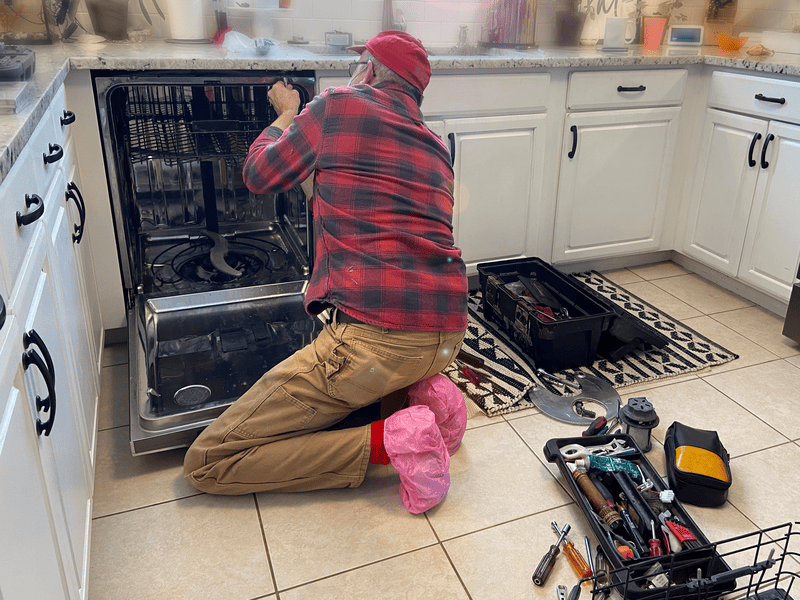
Credit: www.homeserve.com
Tips For Maintenance And Longevity
Adding a dishwasher to an old kitchen is a smart upgrade, but keeping it running smoothly requires attention. Proper maintenance ensures your new appliance lasts longer and performs better. Here are some practical tips to help you care for your dishwasher and avoid common pitfalls.
Regular Cleaning Routines
Start by cleaning the filter regularly to prevent food buildup that can clog the machine. Wipe down the door seals and edges to avoid mold and mildew, which can cause bad smells and leaks.
Run an empty cycle with vinegar or a dishwasher cleaner once a month. This helps remove grease and mineral deposits, keeping your dishwasher fresh and efficient.
Troubleshooting Common Issues
If your dishwasher isn’t draining properly, check the drain hose for kinks or blockages. Strange noises often come from loose racks or utensils hitting the spray arms—rearranging your load can fix this.
Have you noticed dishes still coming out dirty? It might be time to clean the spray arms or check the water temperature. Water should be at least 120°F for the best cleaning results.
When To Call A Professional
Some problems need expert attention, especially leaks or electrical issues. If your dishwasher won’t start or stops mid-cycle repeatedly, it’s safer to get a technician involved.
Ignoring these signs can lead to bigger repairs or even damage to your kitchen. Knowing when to ask for help saves you time, money, and stress in the long run.
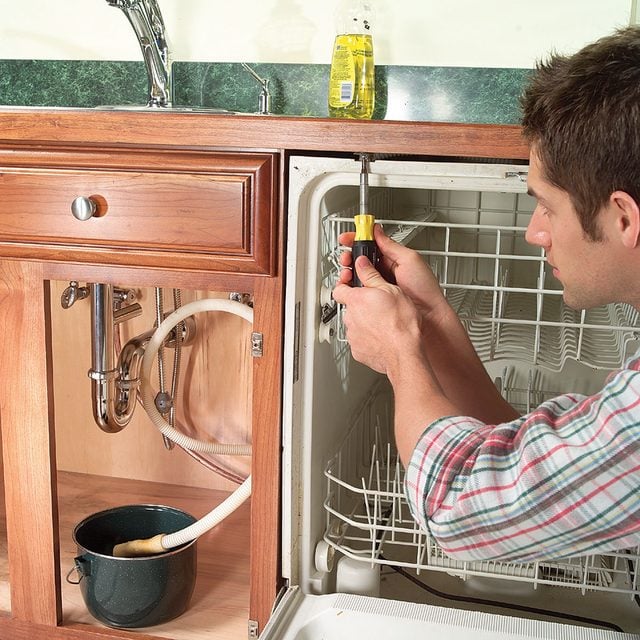
Credit: www.familyhandyman.com
Frequently Asked Questions
How Do I Connect Plumbing For A Dishwasher In An Old Kitchen?
To connect plumbing, locate the nearest water supply under the sink. Install a T-valve to split the cold water line. Attach the dishwasher’s water inlet hose securely. Ensure proper drainage by connecting the drain hose to the sink drain or garbage disposal.
Can I Add A Dishwasher Without Rewiring My Kitchen?
Yes, you can add a dishwasher without rewiring if there’s an existing power outlet near the installation site. Use a grounded outlet or install a power cord kit. Always follow electrical codes and consider consulting a professional electrician for safety.
What Is The Best Dishwasher Size For An Old Kitchen?
Compact dishwashers (18 inches wide) are ideal for old kitchens with limited space. They fit smaller cabinets and provide efficient cleaning. Measure the available space carefully before purchasing to ensure a proper fit and easy installation.
How To Modify Cabinets To Fit A New Dishwasher?
Remove the cabinet door and shelves where the dishwasher will go. Cut or adjust the cabinet frame to match the dishwasher dimensions. Smooth edges and reinforce the opening to support the dishwasher securely.
Conclusion
Adding a dishwasher to an old kitchen is easier than it seems. Careful planning makes the process smooth and stress-free. Choose the right spot and measure well before buying. Connecting water and power safely is very important. Small changes can bring big convenience to your daily routine.
Your kitchen will feel more modern and useful. Take your time and follow simple steps for success. Enjoy clean dishes with less effort every day.