
Are you tired of spending endless time washing dishes by hand? Adding a dishwasher to your kitchen can save you hours every week and make your life so much easier.
But where do you start? How do you choose the right spot, connect the plumbing, and ensure everything works smoothly? This guide breaks down the process step-by-step, so you can confidently add a dishwasher to your kitchen without stress. Keep reading, and you’ll soon enjoy sparkling clean dishes with just the push of a button.

Credit: www.espares.co.uk
Choosing The Right Dishwasher
Choosing the right dishwasher is key to making kitchen life easier. It saves time, water, and effort. Picking a dishwasher that fits your needs helps maintain a smooth kitchen flow.
Types Of Dishwashers
Dishwashers come in several types:
- Built-in:Installed under the kitchen counter. Common and space-saving.
- Portable:On wheels, can move around. Good for small kitchens.
- Drawer:Pull-out drawers instead of a door. Fits tight spaces well.
- Countertop:Small units placed on counters. Ideal for very small homes.
Choose a type based on your kitchen size and plumbing setup.
Size And Capacity Options
Dishwashers vary in width and capacity. Standard models are usually 24 inches wide. Compact versions measure around 18 inches.
Capacity depends on the number of place settings it can hold:
- Small: 6-8 place settings for singles or couples.
- Medium: 9-12 place settings for small families.
- Large: 13-16 place settings for bigger families.
Pick a size that matches your dishwashing habits and kitchen space.
Energy Efficiency Ratings
Energy ratings show how much power a dishwasher uses. Look for units with high efficiency to save electricity and water.
Labels like ENERGY STAR indicate top performers. These models reduce utility bills and help the environment.
Check the estimated annual energy and water use before buying. Efficient dishwashers also tend to be quieter.
Credit: www.maytag.com
Planning The Installation Spot
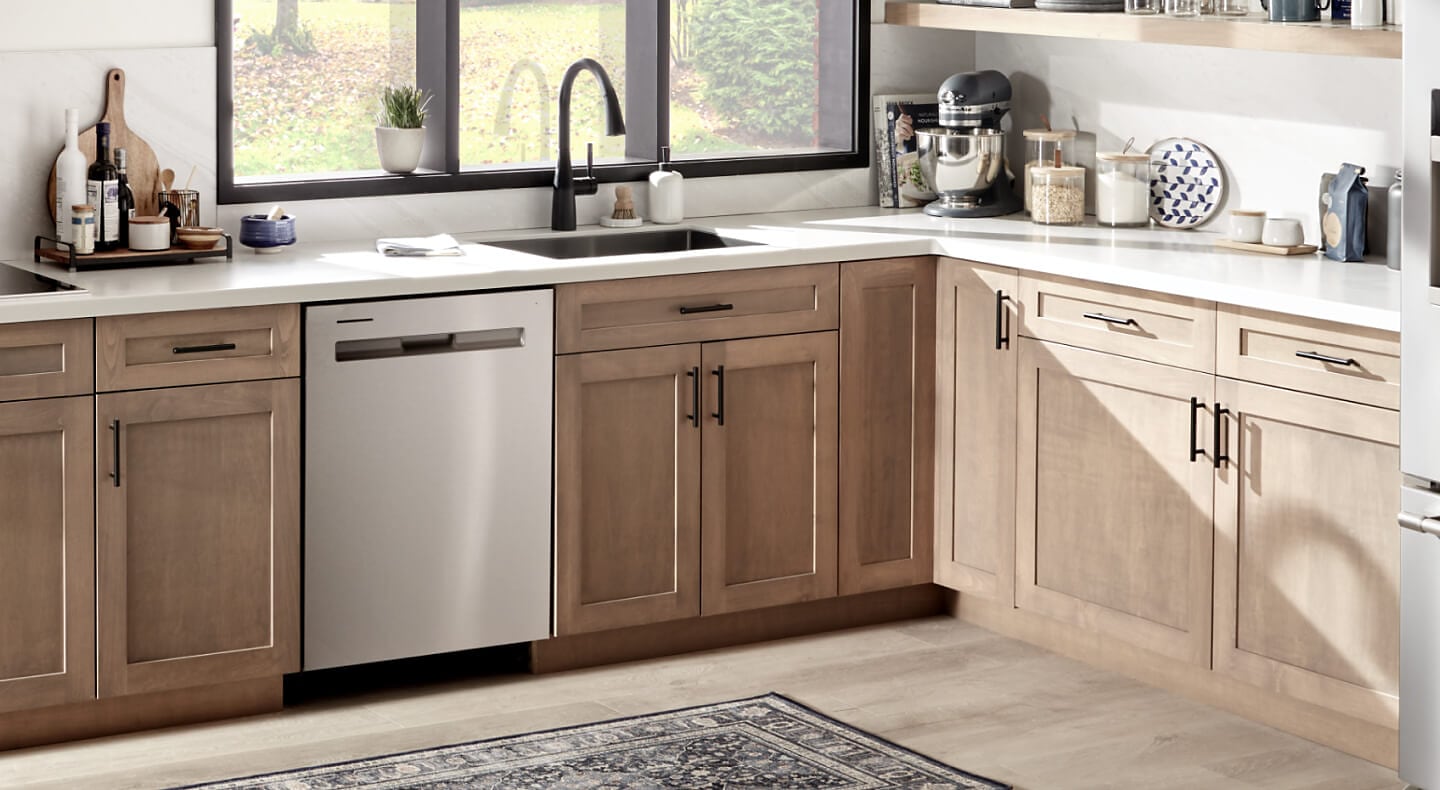
Choosing the right spot for your dishwasher is more than just finding an empty space. It requires careful thought about size, plumbing, and how it fits within your kitchen's flow. Planning the installation spot well can save you time, money, and frustration later.
Measuring Available Space
Start by measuring the area where you want to place the dishwasher. Standard dishwashers usually need a space about 24 inches wide, 24 inches deep, and 35 inches high. But kitchens vary, so take precise measurements of width, height, and depth to ensure a perfect fit.
Don’t forget to check for any obstructions like cabinet doors or appliances that might block installation. Also, leave a little extra room for ventilation and ease of access. Have a tape measure handy and jot down your numbers carefully.
Access To Plumbing And Electrical Lines
Your dishwasher needs water, drainage, and power. Locate the nearest water supply and drainage lines before deciding on the spot. It’s easier and cheaper if these are already nearby.
Consider the electrical outlet too; dishwashers typically require a dedicated 120-volt circuit. If these connections aren’t close, you might face extra plumbing or electrical work. Have you checked under your sink or behind cabinets for these essential hookups?
Considering Kitchen Layout
Think about how the dishwasher will fit into your kitchen’s daily use. Placing it near the sink makes loading easier since you’ll rinse dishes before loading. Avoid spots that interrupt the main walking paths or block cabinet access.
Look at how the dishwasher door will open. Will it hit a cabinet or an appliance? Make sure there’s enough space for the door to open fully without obstruction. Your kitchen should feel smooth and easy to work in, not cramped or awkward.
Gathering Necessary Tools And Materials
Gather tools like a wrench, screwdriver, and tape measure before starting. Gather materials such as dishwasher hoses, connectors, and electrical supplies for installation. Preparing everything first saves time and avoids interruptions.
Adding a dishwasher to your kitchen can be a game-changer, saving you time and effort on daily clean-up. Before diving into the installation process, it's crucial to gather the right tools and materials. Having everything at your fingertips will make the job smoother and more efficient. Imagine not having to pause midway to hunt for a missing part!
Basic Tools Required
Ensuring you have the basic tools on hand is the first step. You'll need a few essential items that are likely already in your toolbox: - Screwdriver Set: A Phillips and flathead screwdriver are indispensable. - Adjustable Wrench: This will help in tightening or loosening nuts and bolts. - Drill and Bits: Necessary for making any required holes. - Tape Measure: Precise measurements are critical for a perfect fit. - Level: Ensures your dishwasher is properly aligned, preventing leaks. These tools are not only handy for this project but are great to have around for future household tasks.
Materials And Parts Checklist
Having the right materials and parts is just as important as having the right tools. Here's what you'll need: - Dishwasher Installation Kit: Often includes water supply line, drain hose, and power cord. - Teflon Tape: Essential for sealing pipe threads to prevent leaks. - Wire Nuts: Used for electrical connections. - Hose Clamps: Secure hoses to prevent leaks. - Dishwasher Mounting Kit: Ensures your dishwasher stays securely in place. Gathering these materials beforehand can save you from unexpected trips to the hardware store. Do you have all the parts on this checklist? By preparing these tools and materials ahead of time, you set yourself up for a seamless installation process. Remember, preparation is the key to success. With everything in place, you're one step closer to enjoying the convenience of a new dishwasher in your kitchen.

Credit: www.espares.co.uk
Preparing The Kitchen Area
Preparing the kitchen area is a vital step before installing a dishwasher. This process ensures the new appliance fits well and works smoothly. Clear space and proper setup prevent future problems and damage.
Removing Old Cabinets Or Appliances
Clear the space where the dishwasher will go. Remove any old cabinets or appliances carefully. Use tools to unscrew and detach them from walls. Take out debris and clean the area thoroughly. Check that the floor is level and stable for the dishwasher.
Ensuring Proper Ventilation
Dishwashers need good airflow to avoid overheating. Leave space around the appliance for air to move freely. Avoid placing the dishwasher in tight, enclosed spots. Ventilation helps the dishwasher run quietly and lasts longer. Confirm that vents are not blocked by walls or furniture.
Protecting Surrounding Surfaces
Cover nearby countertops and floors to protect from scratches and spills. Use drop cloths or old sheets for coverage. Seal edges near water sources to prevent moisture damage. Keep tools and materials organized to avoid accidents. Protecting surfaces saves time on cleanup and repairs later.
Connecting Plumbing And Electrical
Connecting plumbing and electrical systems is essential when adding a dishwasher to your kitchen. Proper connections ensure the dishwasher works safely and efficiently. Careful attention prevents leaks and electrical hazards. Follow these simple steps to connect water supply and power correctly.
Shutting Off Water And Power
Turn off the main water supply to avoid leaks during installation. Locate the water shutoff valve under the sink and close it. Next, switch off the power at the circuit breaker for the kitchen area. Confirm the power is off by testing the outlet with a voltage tester. Safety first. No rushing.
Installing Water Supply Lines
Attach a dishwasher water supply line to the hot water valve under the sink. Use a flexible braided stainless steel hose for durability. Connect one end to the valve and the other to the dishwasher’s inlet. Tighten connections with a wrench but avoid over-tightening. Check for leaks by slowly turning the water back on. Tighten any loose fittings as needed.
Wiring The Dishwasher Safely
Use a dedicated circuit to power the dishwasher. Follow the manufacturer’s wiring diagram exactly. Connect wires using wire nuts or terminal blocks. Match wire colors correctly: black to black, white to white, and green or bare copper to ground. Secure the wiring inside the dishwasher’s junction box. Replace the cover before restoring power. Test the dishwasher to ensure it runs smoothly.
Positioning And Securing The Dishwasher
Positioning and securing the dishwasher is essential for its safe and effective operation. A properly placed dishwasher fits well under the counter and connects smoothly to water and power. Stability prevents noise and damage during use. Taking time to position and secure it correctly makes the appliance last longer and work better.
Sliding Dishwasher Into Place
Start by carefully sliding the dishwasher into its space. Keep the water supply line, drain hose, and power cord in mind. Avoid bending or pinching these connections. Push the dishwasher gently until its front lines up with the cabinet edges. Make sure it fits snugly but does not force it.
Leveling The Appliance
Check if the dishwasher is level from front to back and side to side. Use a bubble level tool for accuracy. Adjust the leveling legs under the dishwasher by turning them clockwise or counterclockwise. Proper leveling prevents water leaks and ensures the door closes tightly. Double-check the level after every adjustment.
Fastening Mounting Brackets
Secure the dishwasher with mounting brackets to keep it in place. Attach brackets to the sides or top of the dishwasher and fasten them to the cabinet frame. Use screws that fit tightly but do not strip the holes. Confirm the dishwasher does not move when gently pushed. Proper fastening stops vibrations and noise during cycles.
Testing And Final Adjustments
After installing your dishwasher, testing and final adjustments ensure it works perfectly. This step checks for proper function and prevents future problems. Take time to observe the dishwasher during its first runs. Small tweaks may improve performance and protect your kitchen.
Running Initial Cycle
Start by running an empty cycle. Choose a short wash program to save time and water. Watch how the dishwasher fills and drains water. Listen for unusual noises. This test confirms that the machine operates correctly.
Checking For Leaks
Look under the dishwasher and around water connections. Watch carefully for any water drops or puddles. Use a dry cloth to spot moisture on pipes or hoses. Tighten loose fittings if needed. Preventing leaks protects your cabinets and floor from damage.
Adjusting Settings And Features
Set the temperature, wash cycle, and drying options to fit your needs. Consult the user manual for recommended settings. Test different cycles to find what cleans best. Customize features like delayed start or energy-saving modes. Proper settings improve cleaning and save energy.
Tips For Maintenance And Care
Keeping your dishwasher in top condition requires more than just regular use. Proper maintenance and care ensure your appliance runs efficiently and lasts longer. Let’s dive into some practical tips that make a real difference in your dishwasher’s performance.
Regular Cleaning Routines
Cleaning your dishwasher regularly prevents buildup and odors. Start by wiping down the door seals and edges with a damp cloth to remove food particles and grime. Don’t forget to clean the filter at the bottom—clogged filters reduce water flow and cleaning power.
Run an empty cycle with a dishwasher cleaner or a cup of white vinegar placed on the top rack once a month. This helps dissolve grease and mineral deposits inside the machine. Have you noticed your dishes coming out less shiny? A simple cleaning routine could be the fix.
Troubleshooting Common Issues
Is your dishwasher not draining properly or leaving spots on dishes? Check for blockages in the drain hose or spray arms. Sometimes, a quick unclogging can restore its full function.
Pay attention to error codes on the display panel. These codes guide you to specific problems like water supply issues or door latch faults. Knowing what to look for saves you time and prevents minor issues from turning into costly repairs.
Extending Appliance Lifespan
Simple habits can extend your dishwasher’s lifespan significantly. Avoid overloading the racks to ensure water reaches every dish and reduces strain on the motor. Use the recommended amount of detergent—too much can cause buildup, too little affects cleaning quality.
Also, keep an eye on the water temperature. Hot water improves cleaning, but extremely high temperatures may damage seals over time. Have you adjusted your routine based on your dishwasher’s specific needs? Small changes can lead to big savings in the long run.
Frequently Asked Questions
What Tools Are Needed To Install A Dishwasher?
You need basic tools like a screwdriver, adjustable wrench, drill, and plumber’s tape. Also, have a level and bucket ready. These tools help secure connections and ensure proper installation of your dishwasher.
How To Connect A Dishwasher To Plumbing Safely?
Turn off water supply first. Connect dishwasher’s water inlet to the hot water line using a flexible hose. Use plumber’s tape to avoid leaks and tighten connections securely.
Can I Install A Dishwasher Without Professional Help?
Yes, if you have basic plumbing and electrical skills. Follow manufacturer instructions carefully. Ensure proper water, drain, and power connections to avoid damage and leaks.
Where Is The Best Location For A Kitchen Dishwasher?
Place it near the sink for easy access to plumbing. Ensure enough space for door opening and loading. Positioning close to cabinets speeds up kitchen workflow.
Conclusion
Adding a dishwasher to your kitchen saves time and effort. It helps keep dishes clean and your kitchen tidy. Choose the right spot with easy water and power access. Follow installation steps carefully for best results. Regular maintenance keeps your dishwasher working well.
Enjoy the convenience and extra free time you gain. A dishwasher makes kitchen chores simpler every day.